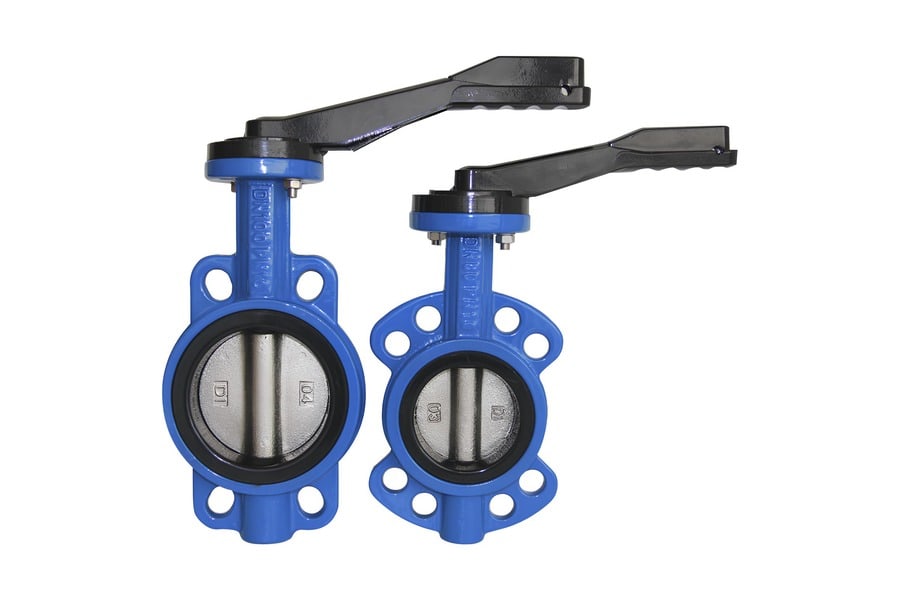
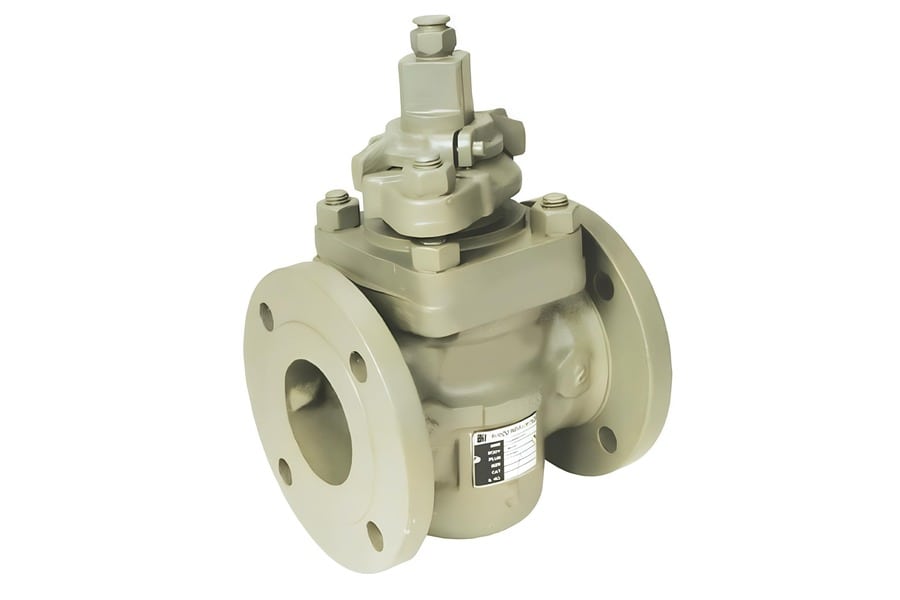
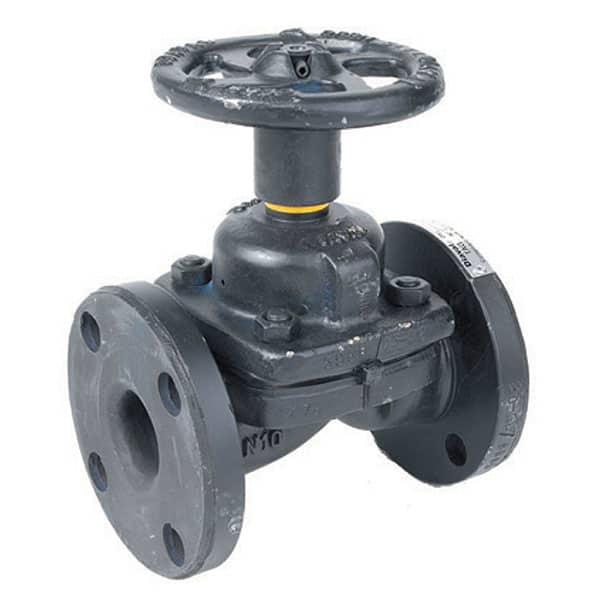
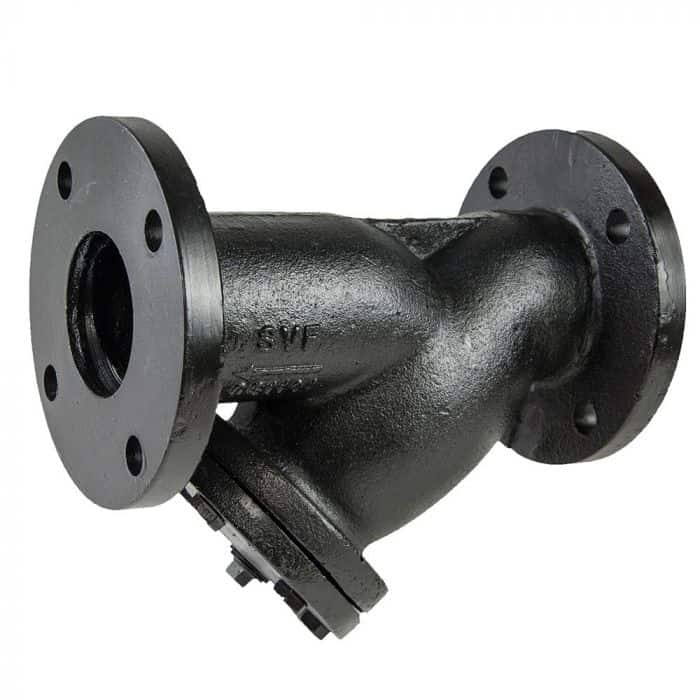
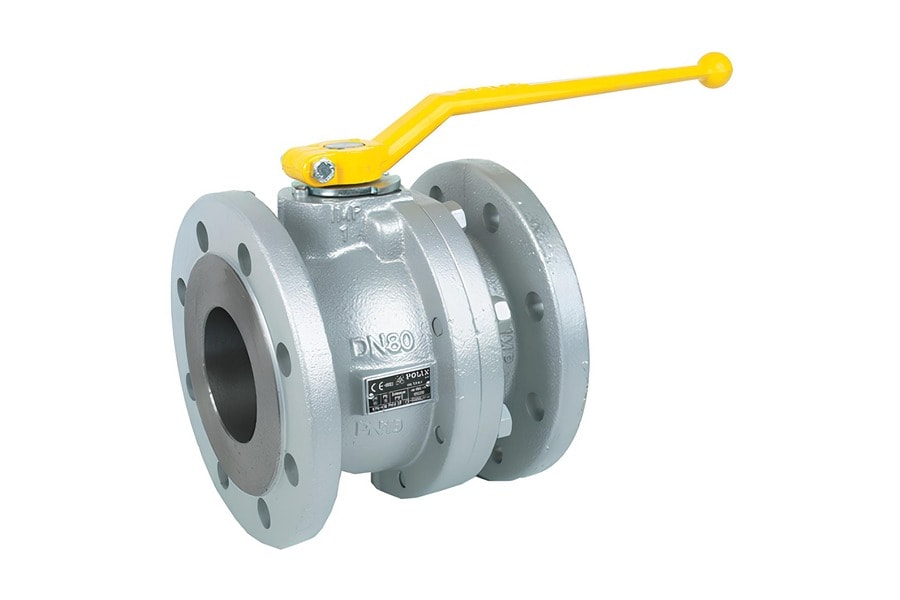
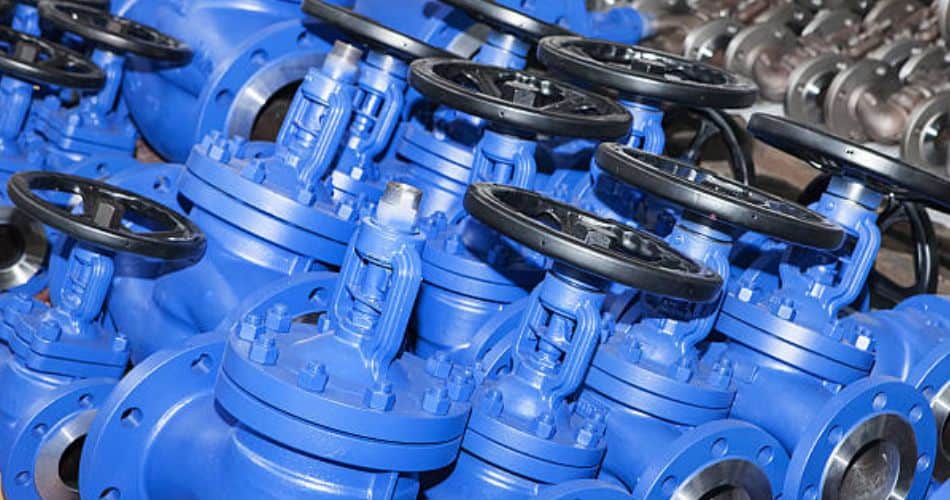
Cast Iron Valve
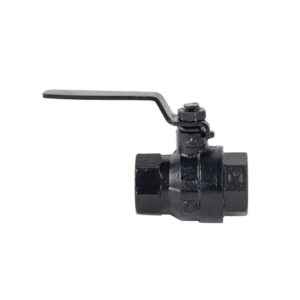
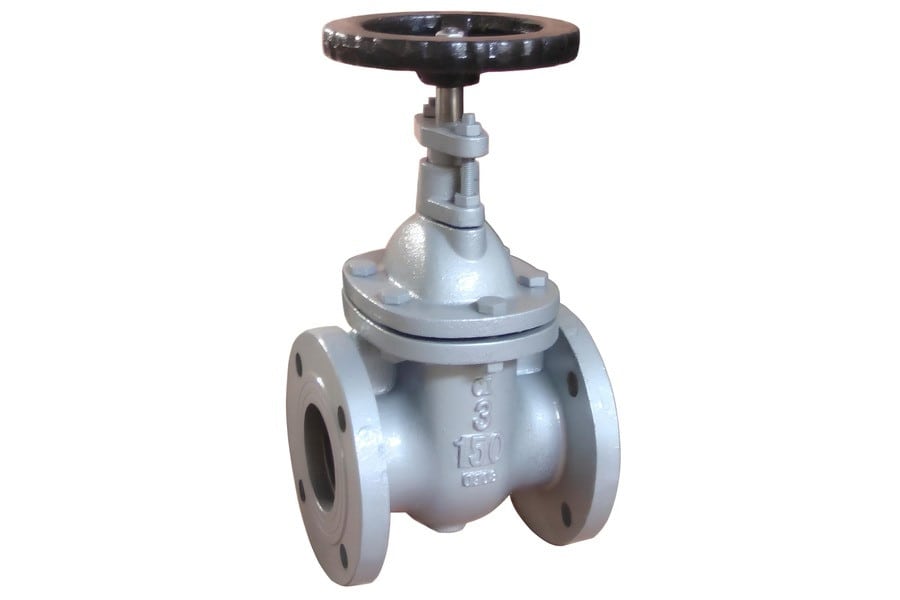
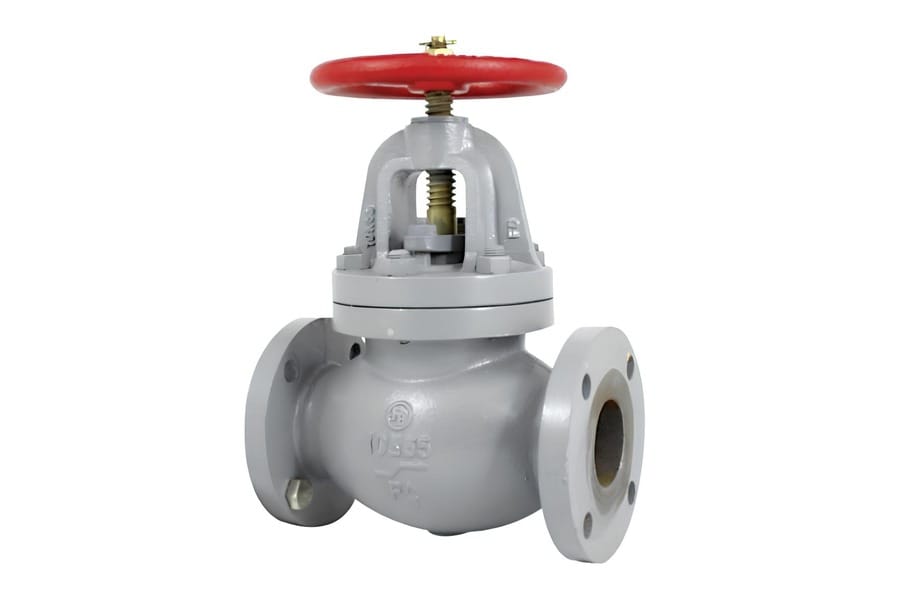
Carbon and silicon are incorporated into molten iron to produce cast iron. The distinctive grey color of cast iron is due to the carbon content of the material, which consists of graphite particles. Exceptional wear resistance, superior machinability, and affordability characterize cast iron. When strength and durability are essential, it is frequently applied to cookware, conduits, and engine blocks.
Ductile Iron Valve
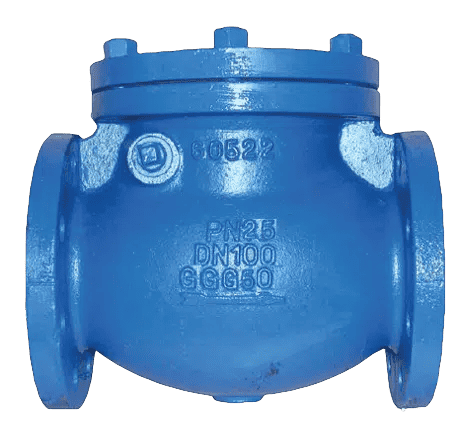
A more recent alloy, ductile iron, was created in the middle of the 20th century. A minute quantity of magnesium is introduced into molten iron to induce the formation of graphite nodules instead of particles. This imparts flexibility, or the capacity to deform without fracturing, to the material. Ductile iron is renowned for its exceptional durability, resilience, and strength. Applications requiring flexibility and high strength include machinery, automotive components, and pipelines.
Comparison
Regarding durability, ductile iron is generally regarded as superior to cast iron. Cast iron is more brittle than ductile iron, even before thermal treatment. It is less susceptible to fracture upon impact. Due to its ductile nature, iron can be bent. Confrontationally, cast iron is more rigid. Due to its high hardness, it effectively resists surface erosion. Furthermore, wrought iron is superior at mitigating vibrations. The variations arise from the distinct graphite microstructures present in these iron alloys.
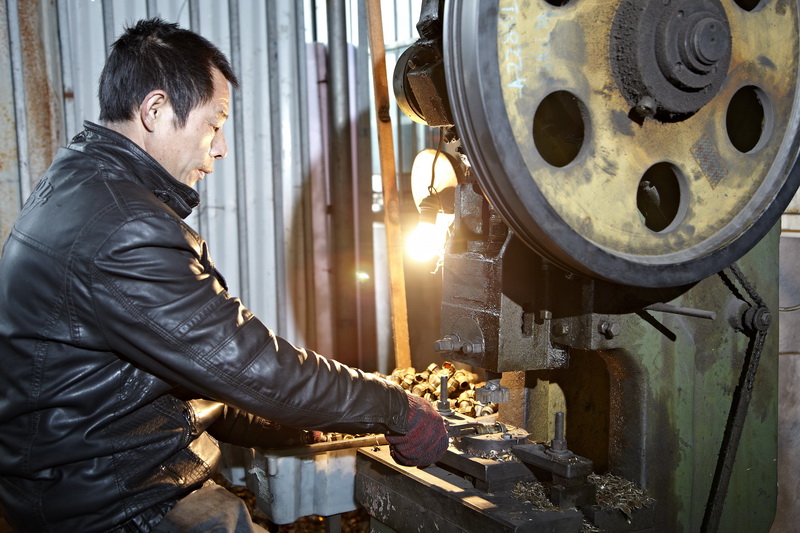
Ductile iron possesses exceptional yield strength, tensile strength, and corrosion resistance. In contrast to cast iron, ductile iron remains intact when bowed, rendering it more suitable for demanding applications. Top suppliers of cast iron products consistently exceed market standards through their tight attention to quality control and streamlined manufacturing processes.