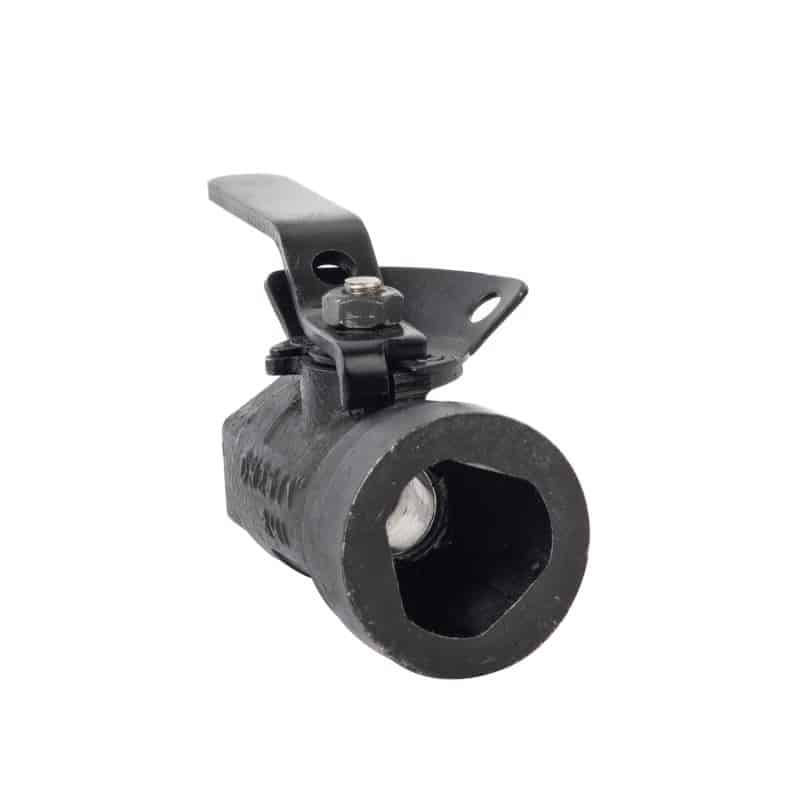
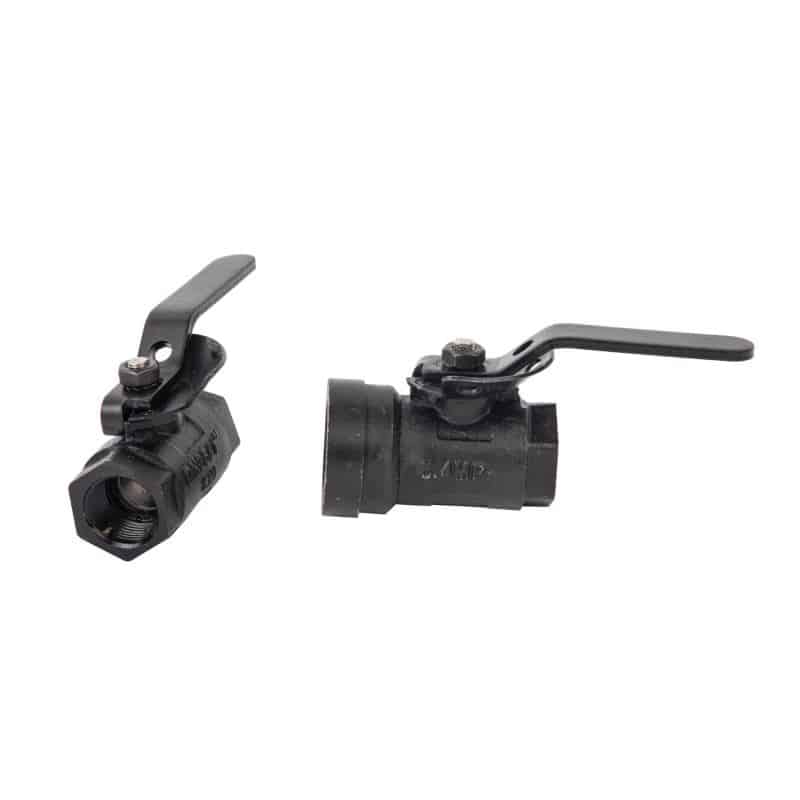
Ductile Iron Oil Patch Ball Valve
JX-3002
Handle Type: Locking Lever Ball Valve
Product Group: Manual Connection
Type: FNPT x FNPT
Stem Type: Blowout Proof
Body Material: Cast Iron,
Handle materials: Stainless Steel
Ball Material: Stainless steel
Temp. Range: 0 Degrees to 400 Degrees F
Item: Oil Patch Ball Valve Max. Pressure: 2000 psi CWP
Port: full port
Seat Material: RPTFE
Size: 1″ -4″
Shut off your fear of leaks and turn on superior control with this oil patch ball valve from Sharpe Valves. This top-of-the-line oil patch ball valve features a 2-piece valve design. It also has an inline body style and an FNPT x FNPT connection.
2PC design DI body SS trim
End Connections: NPT
Introduction: What is ductile iron?
Ductile iron is a type of cast iron that has been treated to make it more robust and flexible. It is used in various applications, including valves, pipes, and automotive parts. Ductile iron is made by adding magnesium to molten iron, which makes it less likely to break or shatter.
History of ductile iron ball valves
Ductile iron is a type of cast iron that contains small amounts of carbon and other trace elements. The addition of these elements makes ductile iron more malleable and less brittle than traditional cast iron. This combination of properties makes ductile iron an ideal material for ball valves used in various applications, including water treatment, oil and gas production, and chemical processing. Ductile iron ball valves have a long history dating back to the early days of the Industrial Revolution. In 1849, British engineer George Stoney patented a design for a “self-acting” valve that could be opened and closed by turning a lever. This design was later improved upon by American inventors John Cramer and Henry Duryea, who obtained patents for their versions of the self-acting valve in 1871 and 1872, respectively.
Ductile iron vs. other materials
Ductile iron offers many benefits over other materials, such as steel. Ductile iron is more resistant to wear and tear and is also more resistant to corrosion. Ductile iron is a much more rigid material, making it less likely to break or crack under pressure.
Advantages of ductile iron ball valves
Ductile iron ball valves have many advantages over other types of valves. They are highly durable and can withstand high pressures, making them ideal for industrial applications. Ductile iron ball valves are also highly corrosion-resistant and suitable for use in various environments. Additionally, they are easy to operate and maintain, making them a good choice for many applications.
Disadvantages of ductile iron ball valves
There are several disadvantages to using ductile iron for ball valves. Because ductile iron is more brittle than other materials, it is more likely to crack under high pressure. This can lead to leaks and other problems. Ductile iron is also more susceptible to corrosion than other materials, so it may not last as long as other types of ball valves.
FAQs
1. Why choose a ductile iron for Oil Patch Ball Valve?
Ductile iron is stronger and takes hard hits better than normal gray cast iron. Oilfield job sites often have shaking and shifting pipe pressure. So it works well for the rough conditions where oil and gas are made and moved. It also costs less than cast‑steel valve bodies. Ductile iron can handle high pressure really well, it fits normal pressure for oilfield pipelines that sit above the ground, and it also resists rust from soil, it works reliably for outdoor, open‑air and buried pipe setups, you should not use regular ductile iron for oil and gas locations with lots of sulfur and strong corrosion, you will need to use stainless steel parts or pieces with special surface coating instead.
2. What type of coating is applied to the ductile iron oil patch ball valve?
Plumberstar Ductile Iron Oilfield Ball Valve gets black anti‑corrosion paint on its outer surface. The valve body goes through sandblasting first to clear away rust. It works for normal outdoor oilfield sites and soil that is not highly corrosive. The paint protects the part from everyday atmospheric rust. The valve inner cavity has no coating. It touches oil and gas media directly. Our standard coating passes the 48‑hour salt spray test. It fits regular oil and gas gathering and transport pipelines.
You can choose our heavy‑duty anti‑corrosion coating upgrade for salty‑alkali soil, coastal areas with salt mist, and other outdoor spots with strong corrosion, we offer Fusion‑Bonded Epoxy (FBE), or a composite coating that uses zinc‑rich base paint plus a top cover layer, we clean the surface up to Sa 2.5 standard, we change how thick the coating is to fit your work environment, flowing material and your project’s technical rules, we also do tests to check coating thickness, how well it sticks to metal, and its anti‑rust performance.
3. How do you ensure the precision of the ductile iron oil patch ball valve?

We maintain strict accuracy right from the casting phase. When the raw valve body casting is finished, we apply aging treatment first. This removes internal stress created during casting, so parts are less likely to warp in later production steps. Key sealing faces and flange thread sections are machined with CNC equipment. All important dimensions are held to ±0.02 mm tolerance. This maintains correct clearances among the ball, valve seat, and valve stem, preventing stiff operation and internal leaks. Every raw casting goes through full visual and dimensional inspection to reject defects such as blowholes and sand holes.
Once we finish putting the whole valve together, we run two main kinds of tests, first we do the torque test to check how much force you need to open and close it, this makes sure the valve moves smoothly, then we run the water pressure shell test and air tight sealing test, we set the test pressure to one and a half times the normal working pressure to copy real oilfield working situations, these checks confirm how strong the valve shell is and find any leaks from inside or outside the valve, our workers use calipers, micrometers and special custom gauges to spot‑check key sizes, for every big production batch from bulk orders, we keep some sample valves and save all the full test records.
4. Can you provide a sample of the ductile iron oil patch ball valve?
Of course, we can send you samples. We can quickly prepare samples in standard sizes. These standard samples cost nothing. You only pay for shipping. You can get this sample cost taken off your final payment when you place a full bulk order. Normal samples take 7‑10 days to get ready. Custom samples need extra work. These include units with special coatings, unique connection ports, or changed pressure ratings. You will need to pay for mould or tooling adjustment fees for custom work. We run housing pressure and sealing tests once custom samples are finished. We add short test data documents before we ship them out.
5. Ductile and carbon iron material for the oil patch ball valve, which is better?
Ductile iron takes hits and pipeline shaking really well, so it works great for buried pipes. You can use it for normal‑temperature oil-and-gas systems in regular soil. It can hold pressure for most medium‑low‑pressure oilfield pipe setups, but it has one big downside: Hot weather or high‑sulfur acidic materials will make it rust and wear out much faster.
Carbon steel valve bodies are stronger than ductile iron. They take higher maximum pressure. They work across a broader temperature span. They also stand up better to acidic substances. You can run them where pressure shifts a lot and temperatures run high. The catch is that raw material and casting work cost much more. Your total project cost will go up.
We can send out samples for both materials. We will also include material test reports so you can compare side‑by‑side. Pick ductile iron for regular non‑corrosive, medium-low-pressure oilfield pipelines. Go with carbon steel valve bodies if you face high pressure, high heat, or corrosive flow.