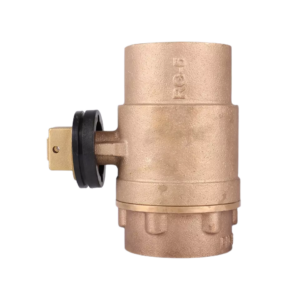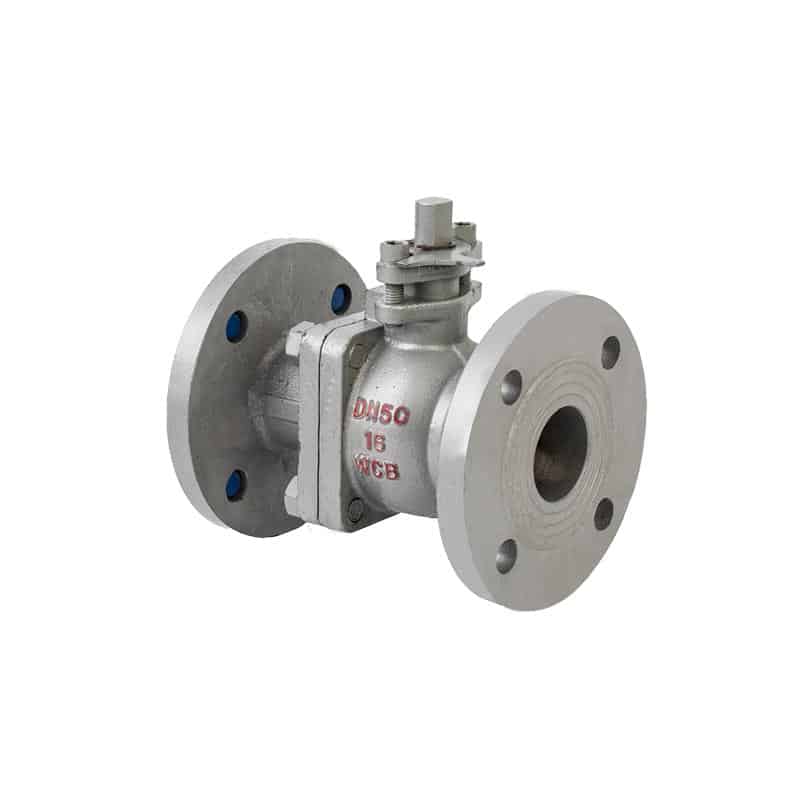
Industrial Cast Iron flanged Ball Valve
JX-3004
- Indusroof Hand Lever Operated Screwed End Design Full Bore Cast Iron Body Ball Valve
- Size: 2 inches
- Brand: OEM
- Power Source: Manual / Electrical /Air actuated
- Material: Iron / Steel / Stainless steel / PVC
- Seat: EPDM / PTFE / Metal
- End connection: Flange / Wafer / Welding / Threaded
- Ball valves with a nominal pressure of up to PN 500 and ANSI 2500 and measurements up to DN 600 (24″ inches).
Introduction: What are industrial cast iron flanged ball valves?
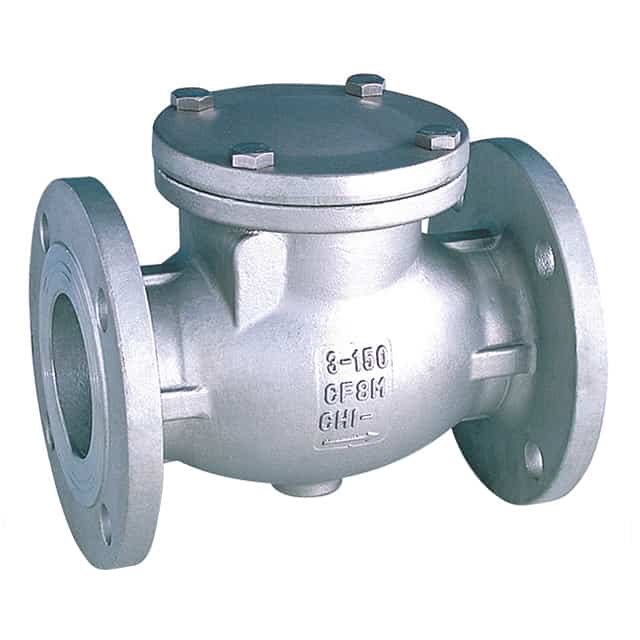
An industrial cast-iron flanged ball valve is a type of valve used to control the flow of fluids. It consists of a ball connected to a stem, then connected to a flange. The ball has a hole that allows fluid to flow when the valve opens. When the valve is closed, the ball blocks the flow of fluid. Industrial cast iron flanged ball valves are often used in applications where there is a need for high-pressure and/or high-temperature resistance.
Industrial applications: where are they used?
Cast iron-flanged ball valves are widely used in the chemical and petrochemical processing, oil and gas, pulp and paper, food and beverage, power generation, pharmaceutical, biotechnology, and water/wastewater industries.
Some typical applications include:
-managing the flow of aggressive chemicals such as sulfuric acid
-regulating the flow of oil and gas in pipelines
-controlling the flow of water and wastewater in treatment plants
-handling process fluids in the food and beverage industry
-managing steam flow in power plants.
Industrial cast iron flanged ball valves are rugged and reliable, able to withstand high temperatures, pressures, and corrosive environments. They are also easy to operate and maintain, making them a popular choice for many industrial applications.
How do they work with an iron-flanged ball valve?
The most common type of ball valve is the iron-flanged ball valve. This valve has a spherical port that is sealed with a rubber or plastic gasket. The ball is connected to a lever that opens and closes the valve.
Iron-flanged ball valves are used in various industries, including oil and gas, chemical processing, and water treatment. These valves are durable and can withstand high temperatures and pressures. They are also easy to operate and maintain.
Advantages: Why use a flanged ball valve?
Using a flanged ball valve in an industrial setting has many advantages. One advantage is that they are durable and can withstand high temperatures and pressures. Another advantage is that they are easy to operate and maintain. Additionally, flanged ball valves have a low risk of leakage and are very versatile, making them ideal for various applications.
FAQs
1. Why choose an industrial cast-iron flanged ball valve?
Industrial cast iron flanged ball valves give you good value for money on industrial pipe jobs. They work nicely when compared with valves made from brass, cast steel, and other materials. People mostly use them for water supply, drainage, and regular process water circulation systems. The cast‑iron valve body is tough and can take hard knocks; it also holds up well under heavy weight from the connected pipes.
Flanged joints create wide contact faces between the valve and the pipe. You can line parts up easily during fitting. Taking apart and servicing the valve later is also simple. This valve fits medium and large pipe sizes starting from DN50.
It works great for budget‑limited projects that handle non‑corrosive fluid. The valve body maintains steady pressure‑holding ability. Our standard unit has a 1000 WOG-rated working pressure. It satisfies most normal‑temperature industrial water system demands.
2. Is this industrial cast-iron flanged ball valve designed with blow-out proof?
This industrial cast iron flanged ball valve comes with an anti‑blow‑out stem. A limiting shoulder sits at the bottom of the valve stem. This part stops the stem from getting forced out by sudden high pressure inside the valve cavity. We can machine this limiting shoulder inside the valve body. We will also fit valve stem parts in the correct sizes. Once all work finishes, we run a dedicated anti‑ejection test for the stem. The test simulates over‑pressure inside the valve cavity. It checks whether the whole structure holds up reliably.
3. What is the flanged standard of the industrial cast-iron flanged ball valve?
This industrial cast‑iron flanged ball valve uses flanges built to the European EN 1092‑2 cast‑iron flange standard. It works with widely used PN pressure classes. Flange outer diameter, bolt‑hole pitch circle, and bolt‑hole size all follow standard figures for each DN and PN grade.
We also offer options outside European standards. We can make flanges with custom sizes and hole patterns like ASME B16.5 Class 150 or JIS B2220 to match project needs. We hand over matching flange dimension drawings and technical spec sheets. We can send flange samples too. Customers may use these samples to check the real‑world pipe fit before full production.
4. Can the seat material of the industrial cast-iron flanged ball valve be customized?
You can pick different seat sealing materials for these industrial cast iron flanged ball valves. Our standard stock seat is PTFE, short for polytetrafluoroethylene. It works for most normal‑temperature clean water and regular process fluids. It handles medium temperatures from ‑20℃ up to 180℃.
We have several other seat material choices. R‑PTFE, or reinforced polytetrafluoroethylene, works with fluids that carry fine light particles. NBR nitrile butadiene rubber mainly serves oil‑based media. Its working temperature runs from ‑10℃ to 80℃. EPDM ethylene propylene diene monomer rubber suits hot water and weak acid‑alkali water. It covers temperatures between ‑20℃ and 120℃.
Seat material changes will shift the valve’s allowed temperature range and what fluids it can handle. Check your project’s medium data before you finalize your part selection. Our factory runs cold and hot seal leakage tests every time we swap out seat materials.
5. Can our logo be added to the industrial cast-iron flanged ball valve?
Plumberstatr can add customer LOGOs onto the body of industrial cast iron flanged ball valves. Two methods are available: cast‑in marking during production and laser marking after machining. Laser marking is an easy OEM option. It prints customer trademarks and model details right on the finished valve surface. You do not need to change the casting mold. Marks come out sharp. This method fits small and medium private‑label orders. It has one downside. Laser marks sit only on the surface. They will slowly wear away with long‑term outdoor exposure. You may want the LOGO cast straight into the valve body. Marks become part of the valve itself. They hold up much better against rubbing and erosion, and look more premium. This work needs changes to the cast iron mold. Extra mold‑edit fees will apply. Both sides can talk and decide who owns the modified mold. The same letter‑casting mold can be used again for future repeat orders.