
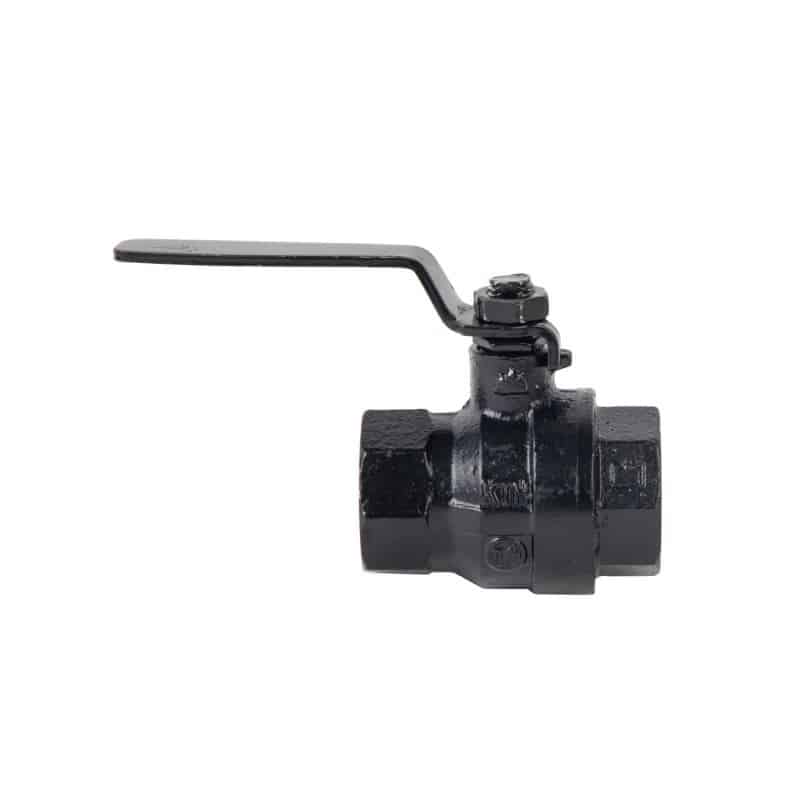
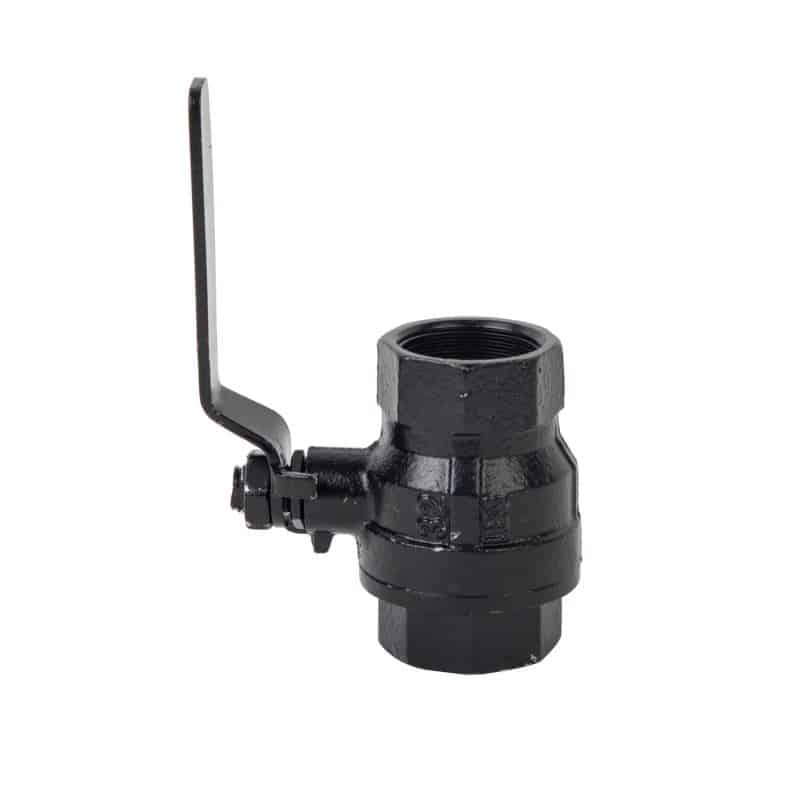
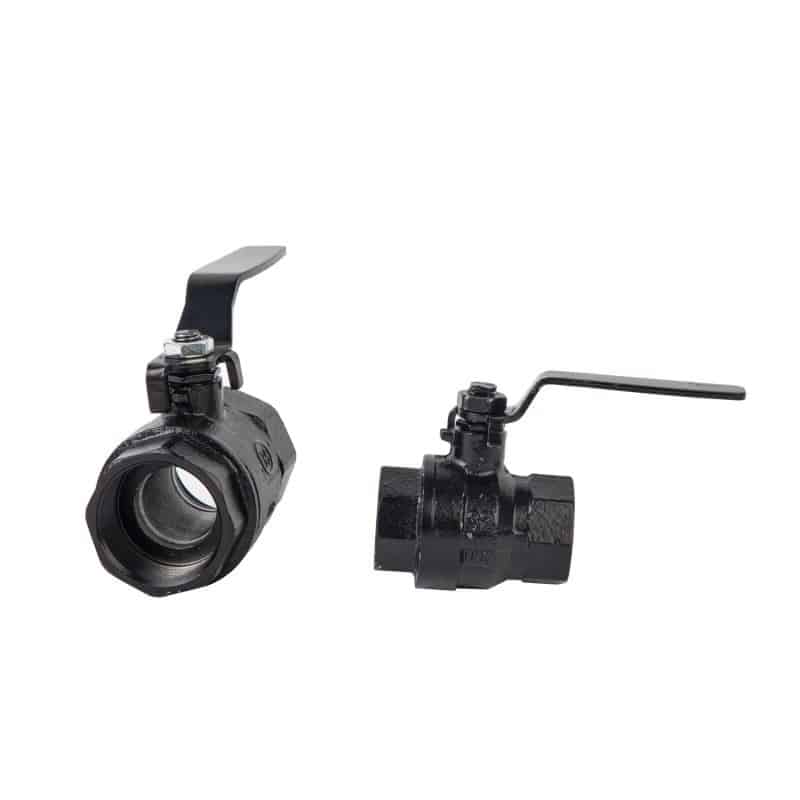
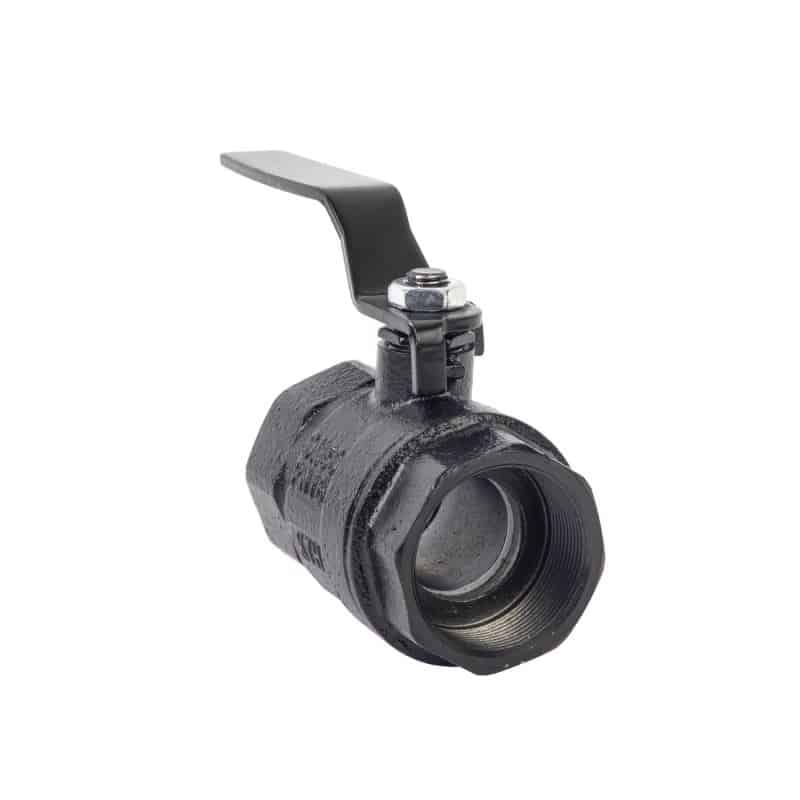

Carbon Steel Ball Valve Inline
JX-3001
Exterior Finish: painting black
Outlet Connection Type: BSP, FNPT
Each Handle type: Lever Heavy-duty handle
Ball Valve Port: Standard port, full port
Seal Material: RPTFE
Material: black painted Steel with Vinyl Grip Stem
Type: Blowout Proof Stem
Material: Carbon Steel ball Valve
Basic Body Material: Carbon Steel
Ball Material: Chrome Plated Carbon Steel
Valve Structure: 2-Piece
Temp. Range: 20 Degrees to 450 Degrees F
Ball Valve Product Group: Manual
WSP Body Style: Inline Seat
Features: Forged Construction
Connection Type: BSP, FNPT x FNPT Max.
Pressure: 1000 psi
Size: 1/2″-4″
A carbon steel ball valve is a valve that controls the flow of liquid or gas using a ball that is rotated to open or close the valve. The ball is usually made of metal, and the seat is often made of PTFE, a durable and chemical-resistant material. Carbon steel ball valves are used in various industries, including oil and gas, chemical processing, and water treatment.
Introduction: What is a carbon steel ball valve?
A carbon steel ball valve is a valve that controls the flow of fluids by using a ball that is rotated to open or close the valve. The ball is usually made of metal, and the seat can be either metal or plastic. The advantage of using a carbon steel ball valve is that it can withstand higher temperatures and pressures than other valves.
The benefits of using a carbon steel ball valve.
Carbon steel ball valves are one of the most widely used industrial applications. They are known for their durability and reliability and can handle various liquids and gases. Carbon steel ball valves are also easy to maintain and repair, making them a cost-effective option for many businesses.
There are many advantages to using carbon steel ball valves. They are durable and can withstand heavy use. They are also easy to repair and maintain, saving businesses money in the long run. Carbon steel ball valves can handle a wide range of liquids and gases, making them versatile for many applications.
If you are looking for a reliable and cost-effective valve for your business, carbon steel ball valves should be at the top of your list.
The different types of carbon steel ball valves.
Ball valves are one of the most widely used types in the industry today. Because they are so versatile, they can be found in various applications, from oil and gas production to water treatment.
There are three main carbon steel ball valves: floating ball valves, trunnion-mounted ball valves, and sleeve-guided ball valves. Each type has its own advantages and disadvantages, making it better suited for certain applications.
Floating ball valves have a free ball to move up and down in the valve’s body. This makes them ideal for use in high-pressure applications where a tight seal is essential. However, because the ball is not fixed in place, these valves can be more difficult to operate than other types of ball valves.
The applications of carbon steel ball valves.
Carbon steel ball valves are used in various applications, including oil and gas production, power generation, and water treatment.
Carbon steel ball valves are durable and rugged, making them ideal for high-pressure and high-temperature applications. They are also corrosion-resistant, making them suitable for corrosive environments.
Carbon steel ball valves are available in a wide range of sizes and pressure ratings to meet the needs of any application. They can be operated manually or automatically, making them versatile and easy to use.
How to maintain a carbon steel ball valve.
Maintaining a carbon steel ball valve is important to keep it working properly. Here are a few tips on how to do so:
1. Keep the valve clean – carbon steel ball valves can become dirty over time and impact their performance. Regular cleaning will help to keep them working properly.
2. Lubricate the valve – this will help to prevent corrosion and keep the valve moving smoothly.
3. Inspect the valve regularly – checking for any wear or damage is important. If you notice any issues, it is best to replace the valve rather than try to repair it.
FAQs
1. Is the Carbon Steel Ball Valve Inline body forged or cast?
Plumberstar Carbon Steel Inline Ball Valve uses a forged‑steel valve body. We make it through forging, not casting. The body material is WCB‑grade carbon steel. It works for medium‑ and high‑pressure industrial pipeline work.
Repeated forging makes the inside structure of the valve body much denser. Forged parts have far fewer defects, such as blowholes and sand holes, compared with cast parts. This valve stands up well to pressure shocks and frequent temperature shifts, so it works for oil‑gas lines, steam lines, and process pipelines that need tough, dependable valve bodies. Cast valve bodies tend to form small hollow spaces inside; they are mainly used for normal low‑pressure water systems and cannot meet the working needs of this inline carbon‑steel ball valve.
2. Can this Carbon Steel Ball Valve Inline be used for low-pressure steam applications?
The Carbon Steel Inline Ball Valve body material can handle low‑pressure steam. Safe running mostly relies on the internal seat material, though. Stock standard units cannot go straight into low‑pressure steam pipelines. They come with PTFE seats from the factory. PTFE does not hold up well to steam heat over long periods. It softens and creeps under low‑pressure saturated steam. Slow internal valve leakage will show up over time. We can swap the seat for heat‑resistant R‑PTFE or graphite sealing parts for steam work. You do not need any changes to the valve body or ball. This upgraded version works for regular low‑pressure steam. Still, do not use it for high‑pressure superheated steam.
3. What is the Carbon Steel Ball Valve Inline’s ball material?

Carbon Steel Inline Ball Valve. Our stock standard balls use a carbon‑steel base material. We add chromium plating to the surface. This surface treatment makes the ball more resistant to wear and erosion. It works for industrial pipelines with oil‑gas and regular process media. You can use it with water, oil products, and compressed air.
You will need a full stainless‑steel ball (304/316) for corrosive working conditions. The original carbon‑steel valve body stays unchanged. This upgraded stainless‑steel ball gives much better corrosion resistance. It will cost more to buy. Once we fit the new ball, our factory runs switching torque tests. We also carry out high‑low pressure sealing tests. These checks confirm that the ball‑seat group keeps proper sealing performance.
4. What type of thread connection is available for the Carbon Steel Ball Valve Inline?
Our Carbon Steel Inline Ball Valve keeps popular threaded versions in stock. They support FNPT American tapered pipe thread, plus BSPP and BSPT British pipe thread. We use existing molds to machine these standard thread sizes right away. Non‑standard special threads need custom cutting tools. Sometimes we even adjust the valve body structure. We must check the thread section strength. This step stops cracks from forming under working pressure. The whole review work takes about 5‑7 working days. This carbon steel ball valve can get other connection types too. We can rework it for flange, butt‑weld (BW), and socket‑weld (SW) ends.
5. Can you provide a material test report of the Carbon Steel Ball Valve Inline?
We offer material test reports for Carbon Steel Inline Ball Valve at no extra cost. The reports list material grades, spectral makeup, and shell hydrostatic test data. They cover the main parts such as the A105 forged steel valve body, ball, and stem. You may use these documents for regular internal audits and general overseas customs clearance. We hand them over along with your bulk shipping papers.
If you need third‑party material test reports, you can ask us to send samples out. We ship pieces to outside official labs chosen by buyers for spectral and mechanical tests. Customers cover all the related testing fees, and this adds another 7‑10 working days to the total lead time. Third‑party test reports only work for the actual samples we send out for testing. Our factory still does spectral spot‑checks and shell pressure tests on every batch of mass‑produced products.
We can rework report layouts to match your own templates. We also provide product dimension drawings, pressure test records, and full customs‑clearance papers. These files support overseas industrial project audits, on‑site inspections, and import clearance work.
