Size;1/2 Inx7/8 Inx3/8 In
A faucet diverter valve, like the one in your bathroom or kitchen, is a plumbing component that allows water to be “redirected” from the bathroom faucet to the showerhead and back again. For instance, when you shower and someone in your household needs to use the sink, the diverter valve ensures that the water is directed to the showerhead, not the faucet.
Moreover, it functions as a control between the kitchen faucet and the faucet sprayer. It permits water to be diverted from one vent to another, like when you switch from filling a pot with water to rinsing dishes with the sprayer.
The diverter valve of your kitchen or bathtub-and-shower faucet is the subtlest component. However, it is susceptible to clogging, and a valve will not function if it accumulates grime or debris.
Low or inconsistent water pressure or an inability to seamlessly transition from spout to spray and back indicate that the faucet diverter valve must also be cleaned. This should be done after the faucet’s aerator has been thoroughly cleaned.
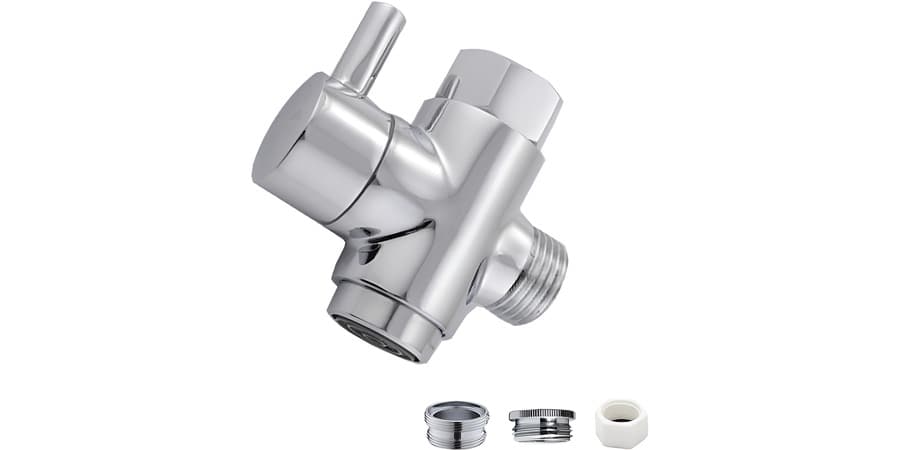
A faucet diverter valve routes water from one direction to another. It can be located at the outlet of a pump or in a section of pipe and toggles between two different piping sets.
This allows water to flow to different outlets, such as fillers and drains, for different water treatments or a looped system. It also serves as a control valve, where the operator can control the flow rate to many outlets or choose to have the flow from one outlet.
The diverter, located within the kitchen faucet, reduces water pressure. When the trigger is squeezed, water is redirected from the faucet spout to the RO/DI (Reverse Osmosis/Deionization) unit or sprayer, restricting the regular water flow. An RO/DI unit is a water purification system that uses a combination of reverse osmosis and deionization to remove impurities from water, making it safe and clean for drinking or other uses.
If the diverter malfunctions, the sprayer may discharge minimal or no water or continuous water flow from the faucet while it operates.
In most kitchen faucets, the diverter is close to the front of the body. In sure faucets, however, it is positioned at the back. If the location of the diverter is unclear, the sink manufacturer provides a helpful schematic diagram of the kitchen sink faucet diverter valve.
The initial step in locating the diverter is
turning off the water supply to the faucet. Turn the faucet handle to the on position to verify that the water will not provide an unplanned bath.
Although some water might still be present in the drainage conduit, its discharge should be gradual. Once the water leaks, you may proceed by disassembling the faucet. Upon reaching this point, consider yourself successful in turning off the faucet.
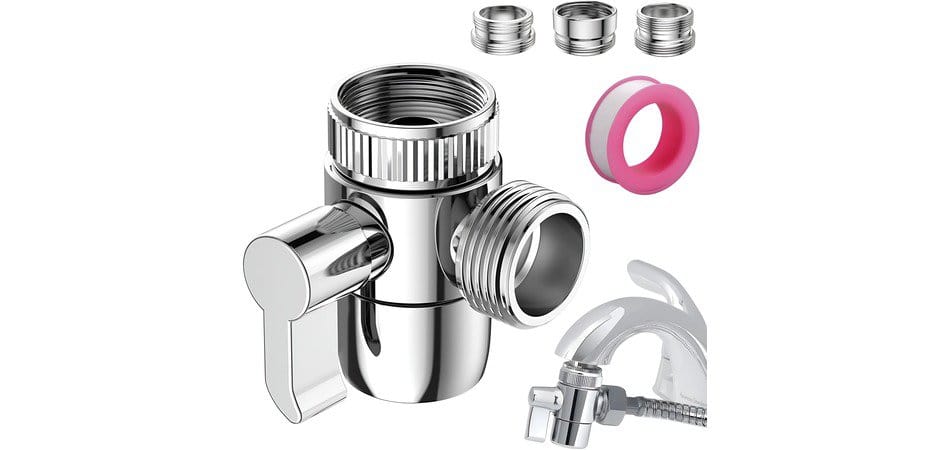
A few steps are necessary to inspect a faucet diverter valve. First, turn off the water supply to the valve. Then, to access the interior of the valve, the nuts that secure the valve cover must be eliminated.
The stem or cartridge should be checked for indications of deterioration or corrosion. If the interior of the valve appears weathered or corroded, it should be replaced immediately. Furthermore, suppose the stem or cartridge of the valve incorporates an O-ring, a small rubber ring that prevents leaks. In that case, inspecting it for signs of deterioration or wear and replacing it as needed is imperative.
Once the valve’s functionality has been checked, the water supply should be reinstated, and the valve itself should be examined to ensure it is in good condition. To accomplish this, rotate the handle from the fully open to the closed position, ensuring that a fraction of the hot water from the showerhead is redirected to the hand shower or bathtub faucet.
Water should alternate between the two fixtures as the handle is rotated if the valve functions effectively. A diverter replacement is required if the valve is malfunctioning in its switching action.

A kitchen faucet diverter offers numerous advantages. Some such examples include:
Utilizing a diverter is no longer necessary to manually cycle the primary faucet to access an additional outlet.
You can easily adjust a soap, moisturizer, or side sprayer in a basin with a diverter valve. This enhanced functionality allows you to use your plumbing system more versatilely.
Installation of most kitchen faucet diverter valves is easy. No extra tools or expertise are required, giving you the confidence to handle it yourself.
A diverter valve that has ceased functioning must be replaced to ensure proper operation. If not replaced, it can lead to water escaping from around the stem of a diverter valve, which can cause water damage to your home. A decrease in water pressure when the valve is opened is another sign that it should be replaced. This can affect the functionality of your plumbing system, making tasks like showering or washing dishes more difficult. Flashy sounds, such as striking or clanging when the valve is closed, are extra indicators.
If you notice any of these signs, replacing the diverter valve as soon as possible is important to avoid further damage to your plumbing system.
Furthermore, replacement may be advised if the diverter valve has exceeded a few years of age or has not been maintained per the manufacturer’s instructions to replace a diverter valve and disconnect the water supply valve and the appliance’s power supply.
After that, unscrew and remove the diverter valve, then its replacement. Ensure that you buy the correct size valve for the appliance if the replacement valve does not fit. Once the new valve has been installed, reconnect the water supply and electricity and conduct a test to ensure it functions properly.
Faucet diverter valves are indispensable components of plumbing systems. They regulate water flow and help various fixtures operate effectively. These valves enhance the efficacy of plumbing systems by providing versatile functionality, such as regulating the direction of water flow and alternating water flow between a bathtub faucet and a showerhead.
To ensure the proper operation of a piping system, users must focus on the maintenance and appropriate selection of diverter valves. By comprehending the importance of these valves and their influence on the system’s operation, individuals can enhance the durability of their plumbing systems and make well-informed decisions.
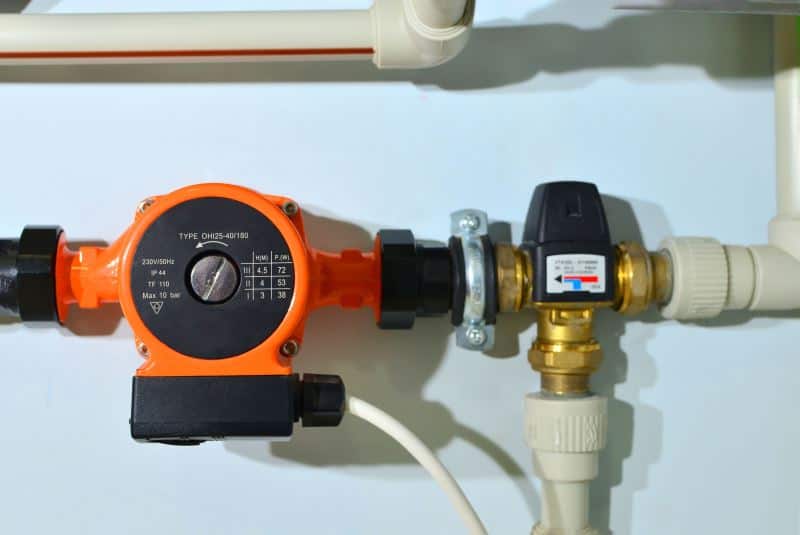
Mixing water valve automatic ensure temperature and water pressure stable. It is suitable for household hot water devices equipped and floor heating, so the 3-way valve meets requirements of temperature range and the water flow
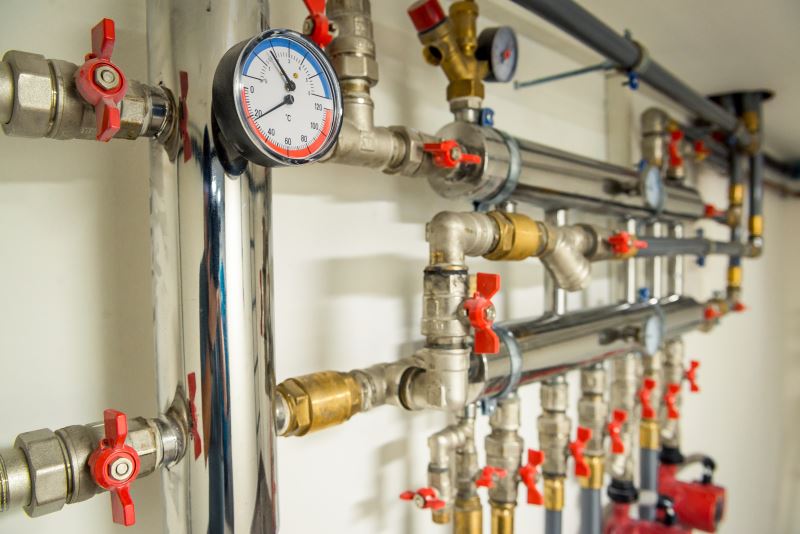
Plumberstar radiant pex manifolds are usual for residential water distribution in a household, and it's top rated in the home building industry. Manifold plumbing systems control hot and cold water that feeds flexible PEX supply lines to individual fixtures.
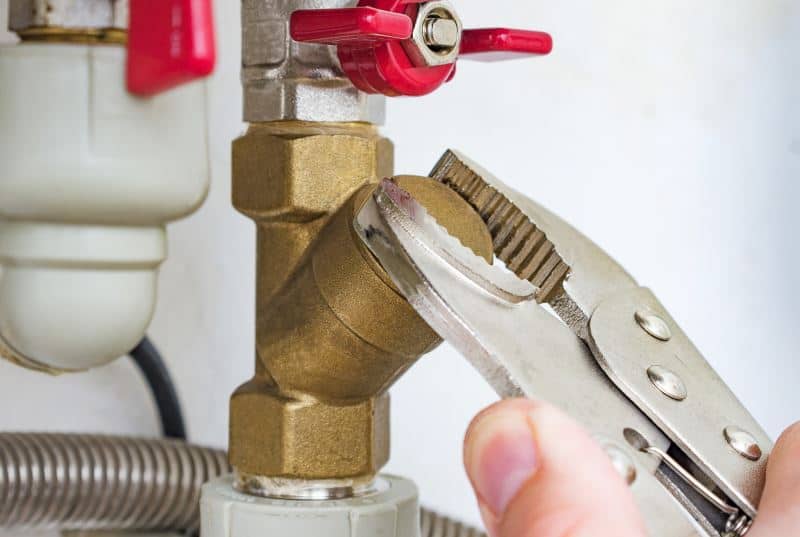
Plumberstar Y filter strainer Keeps Working, and dirty Out Strainer screen catches debris and sediment to reduce maintenance. Protect your water plumbing. Y Type Strainer works in conjunction with your backflow preventer and regulators.
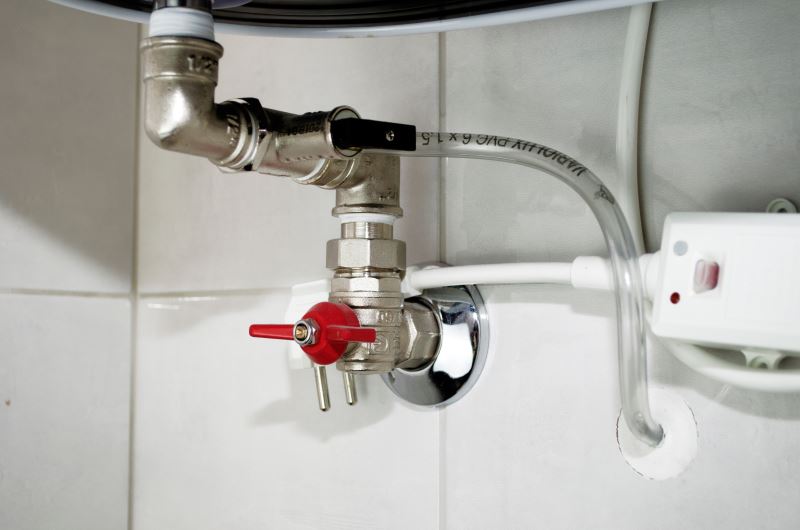
Plumberstar works in residential, irrigation, and commercial application. The relief safety valves are used in various applications, such as water heaters, air compressors, its automatic release of the excess pressure or vacuum from a heating system.
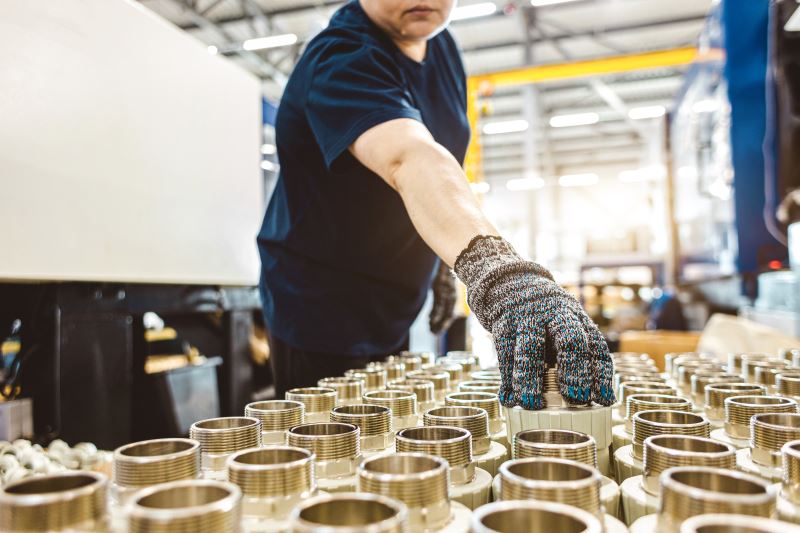

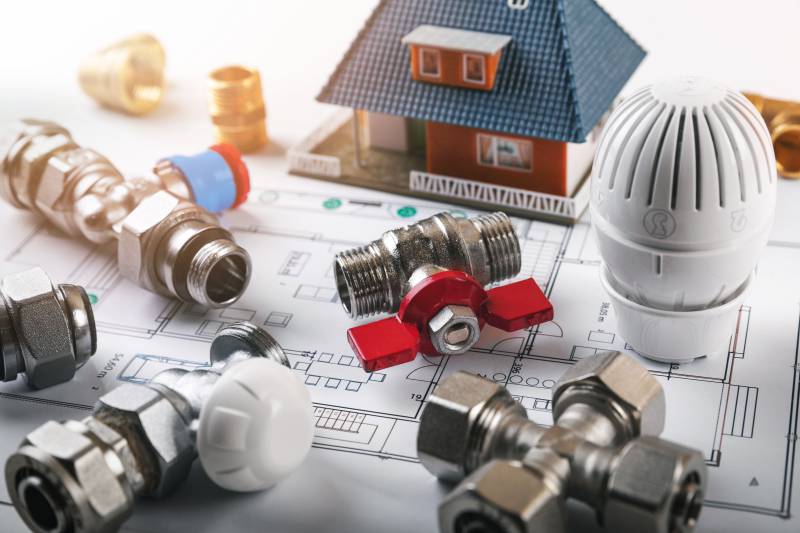
We are free design your valves according to your inquiry of your plumbing system,no extra cost.

We can help you choose valves and heating manifold, and advice in house application
We can provide an installation guide and tutorial about valves and underfloor heating manifold

We help customers to book a container, documents preparation, and clearance, even to warehouse