Water Supply: Fresh water enters your home through a main water line connected to the municipal water supply or a private well. A water meter measures your water usage. The main shut-off valve allows you to control the water supply to your home.
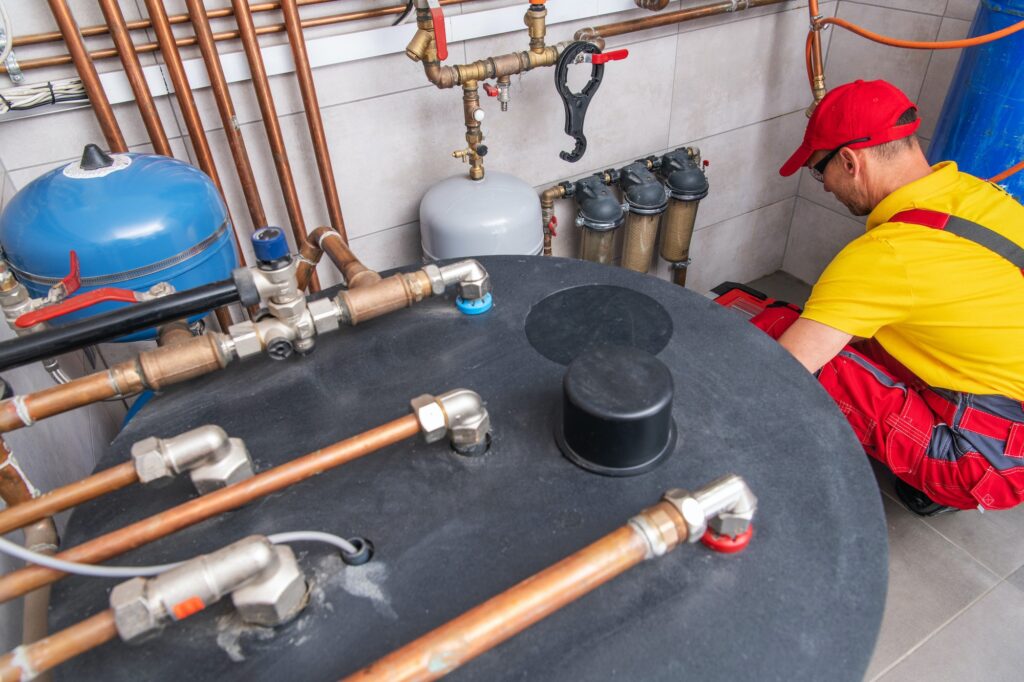
Hot Water System: If you have a hot water system, it is connected to a water heater. The water heater heats the water and distributes it to the hot water fixtures in your home, such as showers, sinks, and appliances.
Fixtures and Appliances: Fixtures such as sinks, toilets, showers, and bathtubs are connected to the plumbing system. Appliances like dishwashers, washing machines, and water heaters also require plumbing connections. These fixtures and appliances have individual shut-off valves for maintenance or repairs.
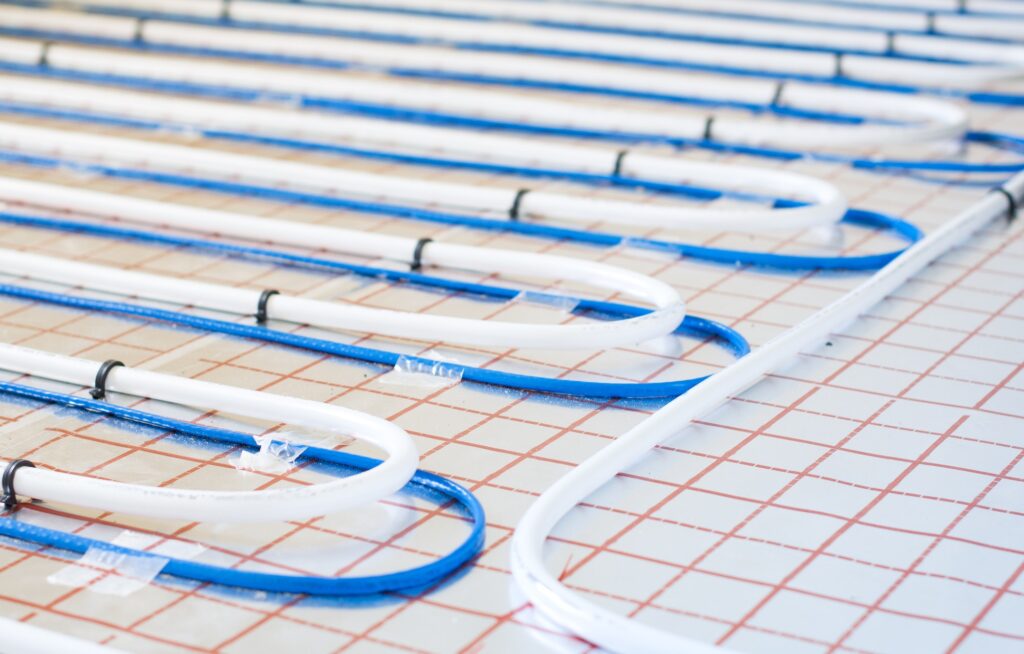
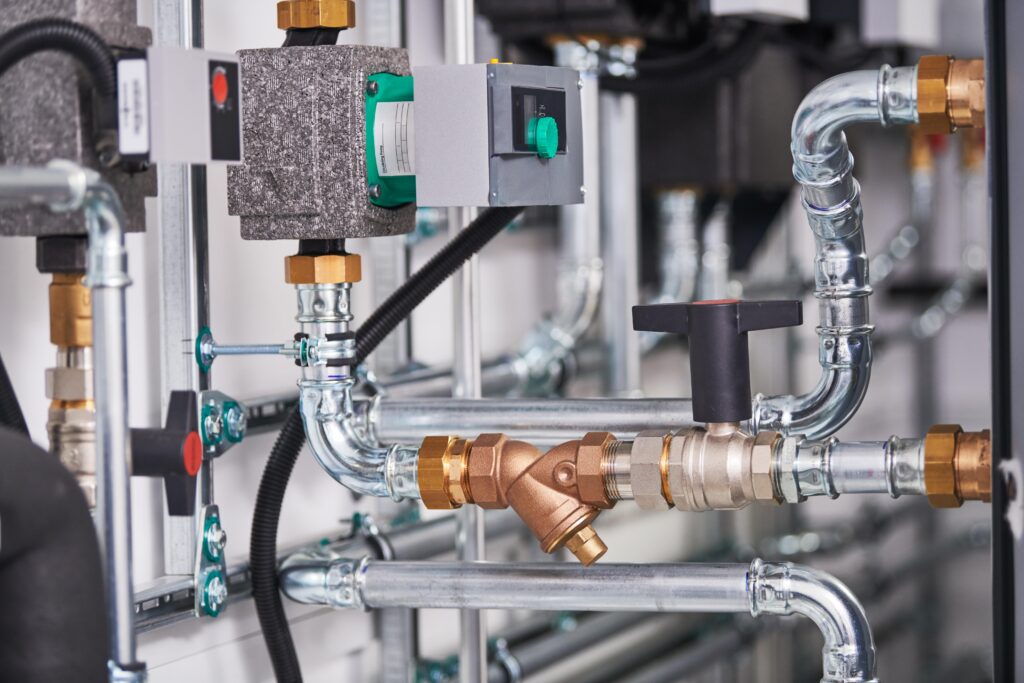
Water Distribution: Water is distributed throughout your home via a network of pipes. Supply pipes deliver hot and cold water to the fixtures. Branch lines connect the main supply lines to individual fixtures, ensuring a steady flow of water.
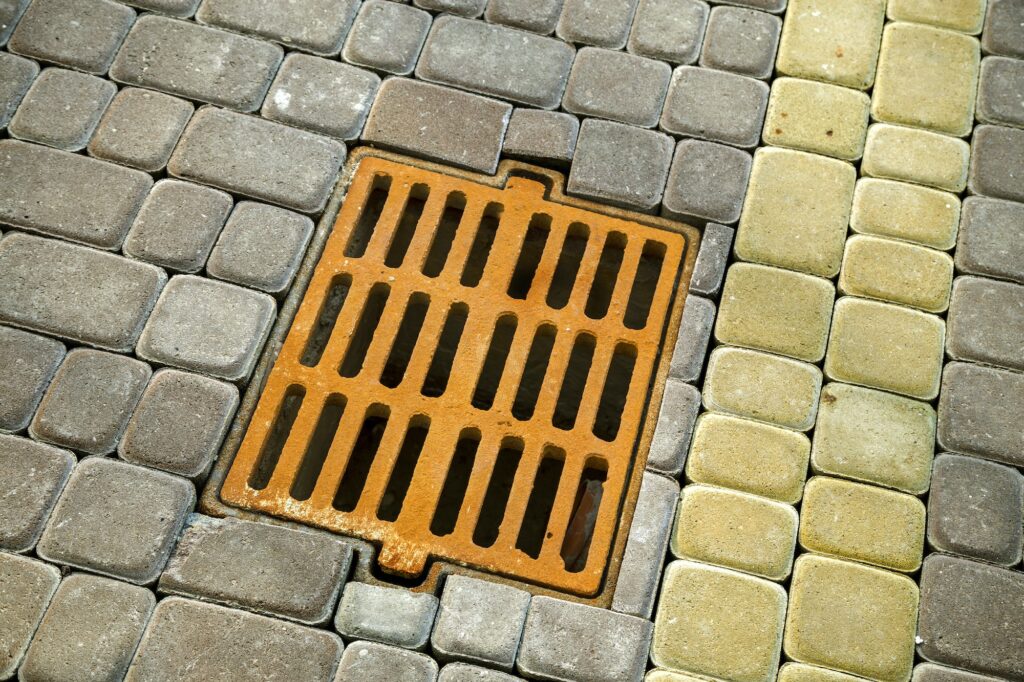
Drainage System: After use, wastewater and sewage flow through drain pipes into the main sewer line or septic system. Gravity and vent pipes help maintain proper drainage and prevent sewer gases from entering your home.
Ventilation: Vent pipes are essential for removing sewer gases and allowing proper drainage. These pipes extend through the roof to provide a venting system that keeps the plumbing system balanced and prevents airlocks.
Water Pressure: Water pressure is regulated by a pressure-reducing valve (PRV) to ensure a consistent water flow throughout your home. Excessive pressure can be harmful to the plumbing system, so the PRV helps maintain a safe and efficient water pressure level.
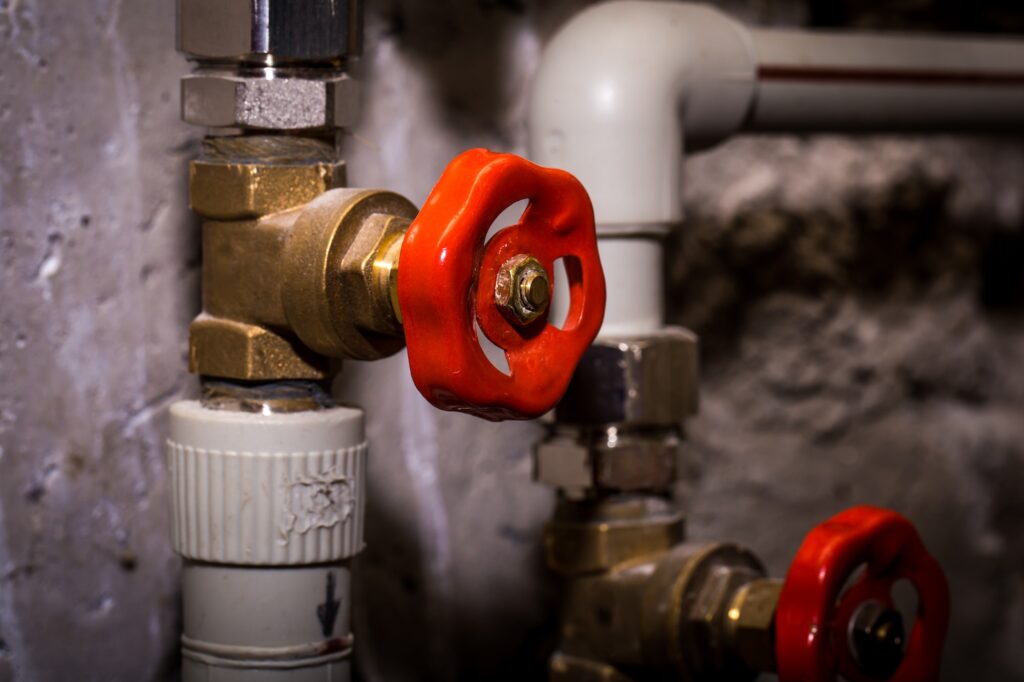
Shut-Off Valves: Each fixture and appliance has its own shut-off valve. These valves allow you to isolate specific areas of your plumbing system for maintenance or repairs without disrupting the water supply to the entire house.