

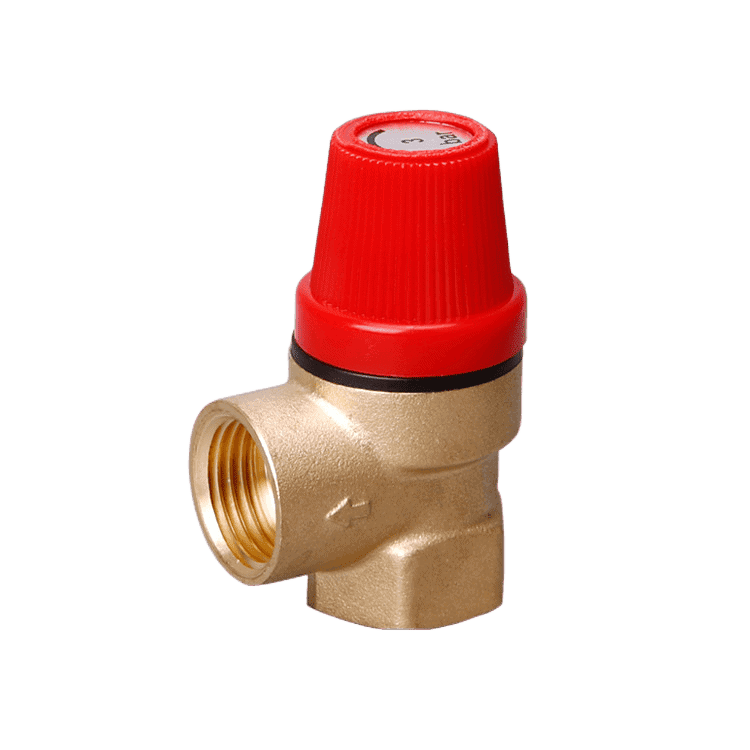
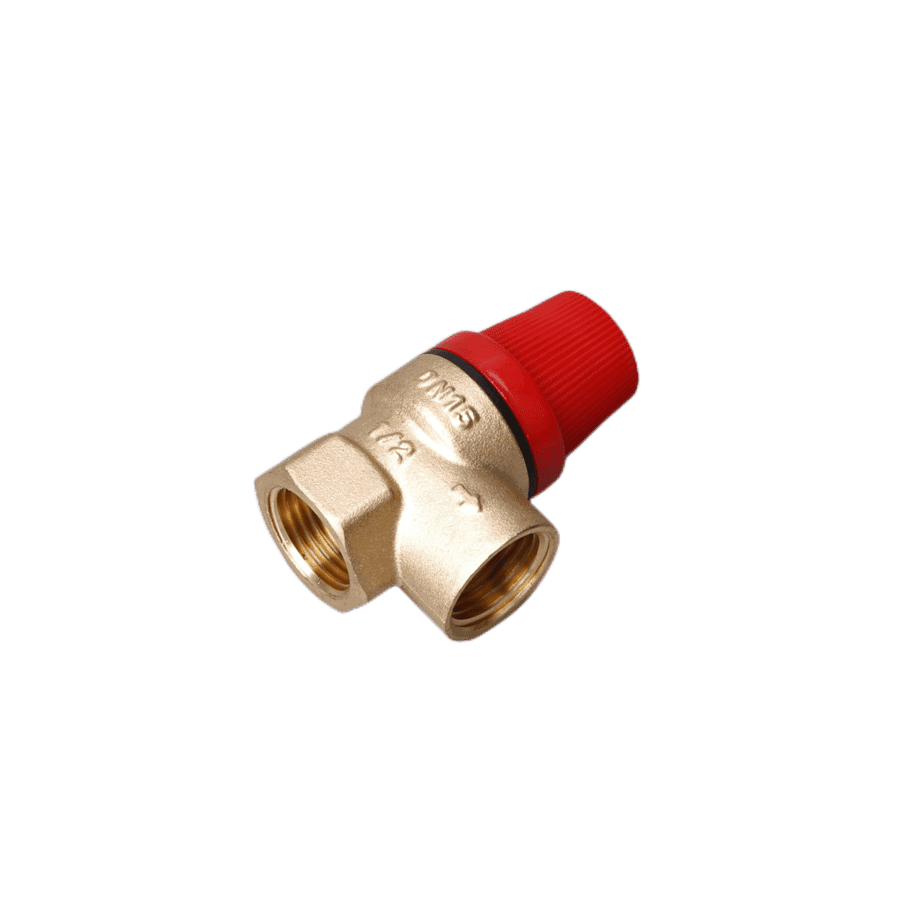
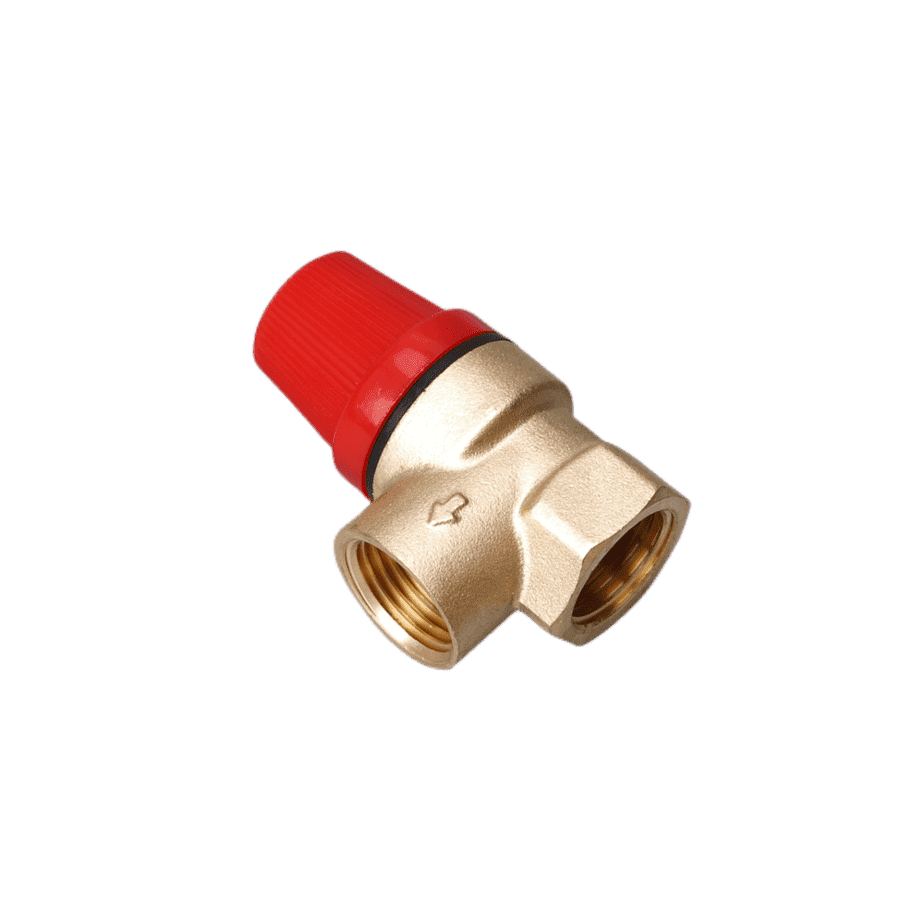
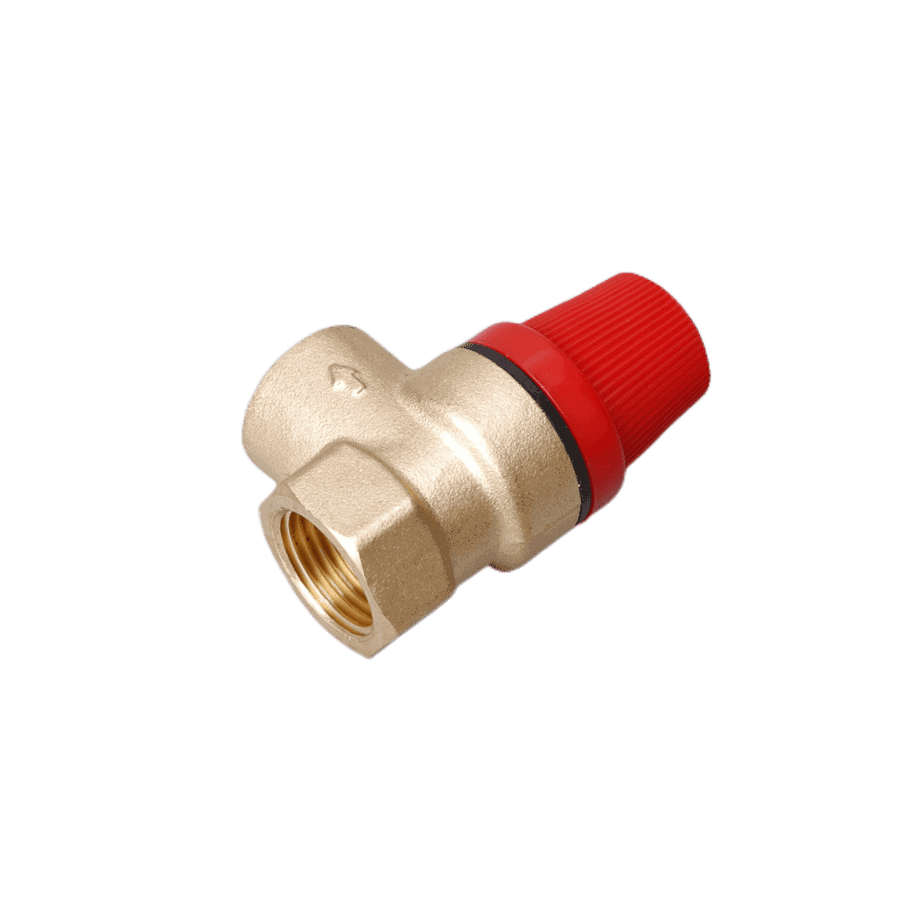
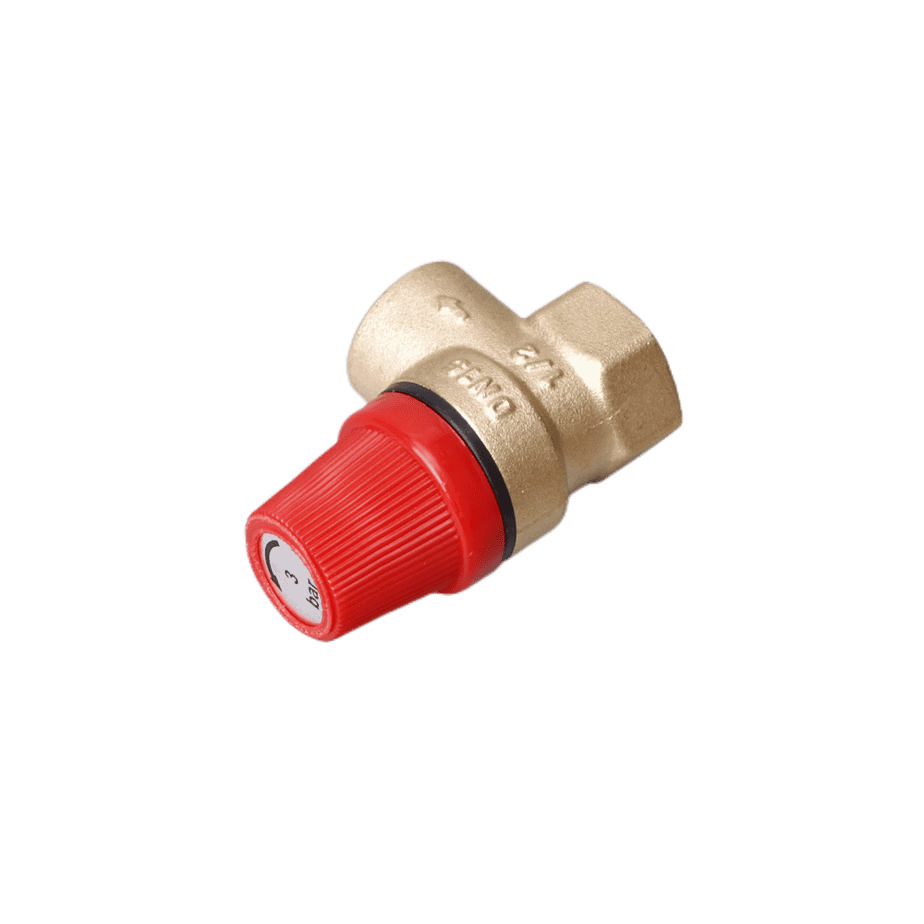

Brass Relief Safety Valve
JX-0902
- Size: 1/2 “
- Construction Material (Plumbing): Brass
- Operating Water Pressure: 1, 3, and 6 bar
- Product Type: Temperature & Pressure Relief Valve
- Temperature Range: -20°C-110 °C
- BSP/NPT connection
- Pressure safety relief valves are typically used to control pressure on boilers in heating systems, on stored hot water cylinders in domestic hot water systems, and generally in water systems.
- When the calibrated pressure is reached, the valve opens and, using discharge to the atmosphere, prevents the pressure of the system from reaching levels that would be dangerous for the boiler and the components in the system itself.
The brass safety relief valve is a piece of equipment found in industrial settings. The valve has two functions: release pressure and protect against over-pressure situations. These valves are designed for steam, water, gas, or other liquids that may expand when removed from the pipe. They can be found on boilers and pressure vessels, such as pipelines, and are often placed high enough above the ground that a rupture won’t cause damage. These valves have many features.
Brass Safety Relief Valve with DN15 NPT female inlet and 1/2″ male outlet. This is a great safety valve for water tanks. It has a 200 PSI pressure rating, making it perfect to work with your tank!
This product is designed to work for water tanks. It has a brass body, which makes it durable and sturdy. The safety relief valve helps prevent damage caused by excessive pressure build-up in the tank during use. It is easy to install and can be used with any water tank.

The Brass Safety Relief Valve is designed for use in water tanks, as it has a 2″ female NPT connection. The valve features a solid brass body and bonnet, which can withstand high temperatures of up to 200°F (93°C). This relief valve also features a 1/2″ male NPT connection that can be used with the discharge hose.
The Brass Safety Relief Valve should be installed on the bottom or side of your water tank. You will need to drill an opening in your tank to install this safety device.
Brass Safety Relief Valve is a type of safety valve that prevents the tank from over-pressurization. The brass safety relief valve has a spring-loaded poppet that opens when the pressure in the tank rises above a predetermined value. It can be installed on water tanks, boilers, and other pressure vessels.
1) Brass Safety Relief Valve is easy to install, without flanges or welding. It can be mounted in any position and does not require the pipework to seal off the rest of the system.
The Brass Safety Relief Valve is a safety device to prevent the over-pressurization of water tanks and piping. The valve closes when the pressure reaches a certain level, preventing damage to the equipment. It also prevents flooding and allows for easy maintenance by opening when needed. This brass relief valve is designed for hot and cold water and fire sprinkler systems. Operating at a temperature range of -40 to 180 degrees F, it can be used in residential or commercial settings.
Brass Safety Valve: An Essential Guide
Safety valves are critical components in various systems, ensuring that pressure within a container or system does not exceed predetermined levels. Among the materials used for manufacturing safety valves, brass stands out for its durability, corrosion resistance, and overall reliability. This guide delves into brass safety valves, discussing their mechanics, benefits, applications, and more.
Understanding the Brass Safety Valve
A brass safety valve is a pressure-relief device primarily designed to release excess pressure from a system, thus preventing potential malfunctions or catastrophic failures.
Mechanics of Operation:
The primary function of a safety valve is straightforward: when the pressure within a system surpasses a predetermined limit, the valve opens automatically, releasing the excess pressure. Once the pressure drops to a safe level, the valve closes. This operation ensures the system remains within safe operating limits.
Why Brass?
Brass, an alloy of copper and zinc, is renowned for its corrosion resistance, making it ideal for systems with moisture or corrosive materials. Its durability and longevity make it a preferred choice for safety valves, especially in systems that demand high reliability.
Key Features and Benefits
The brass safety valve offers several advantages:
Durability:
Brass resists wear and tear, ensuring the valve remains operational over extended periods.
Corrosion Resistance:
Brass is less prone to rusting or corroding, which is essential for systems that come in contact with water or other potentially corrosive materials.
Thermal Conductivity:
Brass has good thermal conductivity, making it suitable for systems with varying temperature conditions.
Cost-Effective:
While brass might seem expensive upfront, its durability and minimal maintenance requirements make it cost-effective in the long run.
Applications of Brass Safety Valves

Brass safety valves are versatile and find usage in various domains:
Domestic Systems:
Water heaters, boilers, and other household appliances that operate under pressure often incorporate brass safety valves to prevent over-pressurization.
Industrial Applications:
Factories, especially those in the chemical, petrochemical, and pharmaceutical sectors, use brass safety valves to safeguard their intricate systems.
Transportation:
Vehicles that operate using pressurized systems, like certain trains or industrial vehicles, may utilize brass safety valves as a safety measure.
Sizes of Brass Safety Valves:
Brass safety valves are available in various sizes to cater to domestic and industrial needs. The size usually refers to the inlet and outlet diameters of the valve.
- Micro Sizes: These typically range from 1/8″ to 1/4″. They’re used in smaller applications like certain household appliances or specific precision instruments.
- Standard Sizes: The more common sizes for domestic and some industrial applications range from 1/2″ up to 2″.
- Industrial Sizes: For larger systems or industrial applications, sizes can go from 2″ up to 6″ or even larger in some specialized cases.
Specifications of Brass Safety Valves:
When choosing a brass safety valve, one should consider various specifications. These could include:
- Pressure Rating: This refers to the maximum pressure the valve is designed to handle before it opens to relieve the excess. It’s usually measured in Pounds per Square Inch (PSI) or bars.
- Temperature Rating: These valves can handle a wide temperature range since brass has good thermal conductivity. The exact range would depend on the specific alloy and design of the valve.
- Flow Coefficient (Cv): This coefficient shows how much fluid can flow through the valve once fully open. A higher Cv means more flow.
- Connection Type: This could be threaded (NPT or BSP), flanged, or a compression type, depending on the application.
- Set Pressure: This is the predetermined pressure at which the valve will start to open.
- Blowdown: The difference between the set pressure and the pressure at which the valve reseats or closes.
- Material Composition: While the primary material is brass, the exact composition, like the percentage of copper and zinc or the addition of other elements, can vary.
- Seal Materials: Depending on the application, the internal seals of the valve might be made of materials like Teflon, Viton, or EPDM, which can handle different chemicals or temperatures.
- Certifications: Depending on the region and application, the valve might need to comply with specific standards or certifications.
Understanding the size and specifications is crucial when selecting a brass safety valve. It ensures the valve functions effectively in its intended application, providing safety measures while meeting operational requirements. Proper sizing and adherence to specifications ensure the longevity and efficient performance of the valve in any given system.
Maintenance and Care
While brass safety valves are known for their robustness, regular maintenance ensures their longevity:
Regular Inspections:
It’s advisable to periodically check the valve for any signs of wear or corrosion. Even though brass resists these issues, no material is entirely immune.
Pressure Tests:
Conducting routine pressure tests ensures the valve operates at its predetermined pressure levels.
Cleaning:
Depending on the system, occasional cleaning might be necessary, especially if the system carries materials that can cause blockages.
Conclusion
Brass safety valves, with their combination of reliability, durability, and practicality, play a pivotal role in ensuring the safety of various systems. By understanding their function and importance, one can make informed decisions regarding installation and maintenance, ensuring systems remain safe and operational for years.
FAQs
1. Can you customize the pressure set of the Brass Safety Relief Valve?

This brass safety relief valve supports custom opening pressure settings. The factory default is 3 bars. We hold standard pressure versions in stock. Those choices are 1.5 bar, 3.0 bar, and 6.0 bar. We can calibrate other set points too. Options include 1.8 bar, 2.5 bar, 4.0 bar, 7.0 bar, 8.0 bar, or 10 bar. These match your actual working conditions.
2. What international standards does this Brass Safety Relief Valve comply with?
We manufacture this brass safety relief valve in accordance with our ISO 9001 factory quality standards. It works in temperatures from -20℃ to 110℃ and can handle up to PN10 pressure. This valve fits European hot water storage tanks and small boiler systems. For North American markets, all parts that touch water use lead-free brass. The lead level stays under 0.25%, which meets the NSF/ANSI 372 lead-free standard. We cut the valve body threads to ISO 228 (BSPP) and ANSI B1.20.1 (NPT) standards. Every finished valve goes through strength water pressure tests, set pressure checks, and leak tests before we ship it. You can choose certifications that fit your target market. We can give you the related test papers for your project review.
3. What is the maximum temperature rating for this Brass Safety Relief Valve?
Our brass safety relief valve comes with EPDM seals as the standard part. This valve can work with liquid temperatures up to 110°C. It fits hot water storage tanks and HVAC systems. If the seal sits under high heat for a very long time, it may age more quickly and lose its shape. This will make the valve seal poorly over time. Please keep your actual working temperature within the product’s rated range. For projects with higher heat or special liquid types, we can check other seal materials such as FKM fluororubber. We will look at what liquid you use, working pressure, and temperature requirements. We create custom solutions only after we confirm the material works well and the product performs as expected.
4. Which ports does the Brass Safety Relief Valve ship from?
We ship our brass safety valves mainly from Ningbo Port. Our factory sits in Yuhuan, Taizhou of Zhejiang Province, and this location puts us near Ningbo Port. We handle FCL and LCL sea shipments first through Ningbo Port. This port offers plenty of sailings bound for Europe, the Middle East, and Southeast Asia. We can finish container loading 3 to 5 days after the normal booking. Shanghai Port works as another option. It fits heavy FCL shipments or project orders where buyers require goods to leave from Shanghai.
We also offer air transport for samples and rush small orders. Air freight departs from Ningbo Lishe International Airport or Shanghai Pudong International Airport. Under EXW trade terms, buyers can use their own freight forwarders to collect goods directly at our factory. You have no limits on the port of departure in this case. If you need shipment from other customs domestic ports, inland delivery charges will be worked out separately.
5. Does this Brass Safety Relief Valve support small trial orders?
Yes, you can place small trial orders for this brass safety pressure relief valve. Our regular DN15, DN20, and DN25 models come with standard opening pressure, BSPP or NPT threads, and EPDM seals. The minimum order for these standard valves is 50 units. If you want custom changes, the minimum order goes up to 200 pieces. Custom products need separate production and pressure calibration, so the delivery time will be longer. If your trial order later becomes regular bulk buying, we can talk about subtracting those related costs from your future payments.
