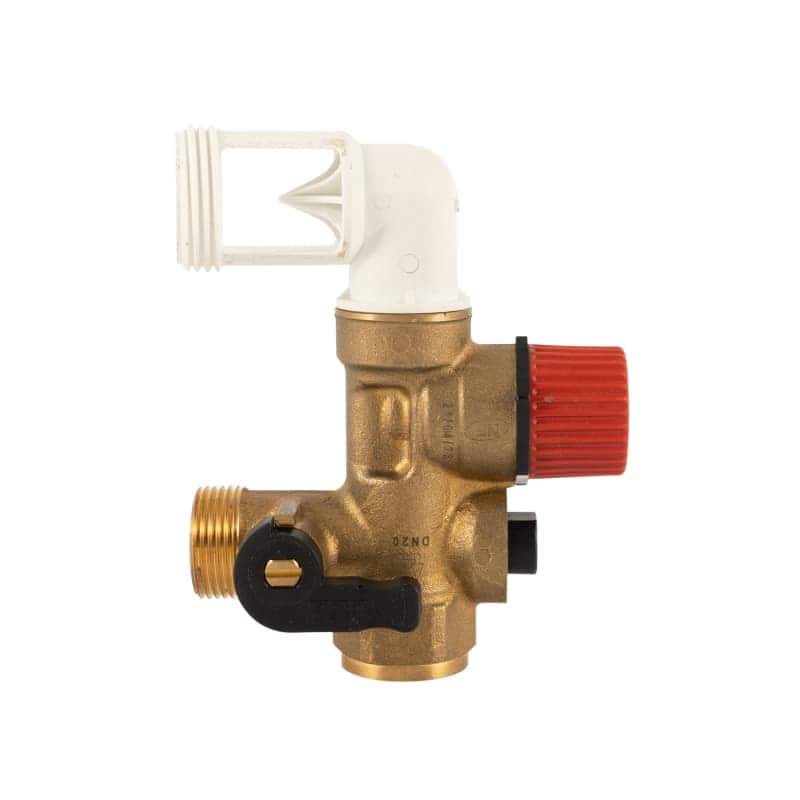
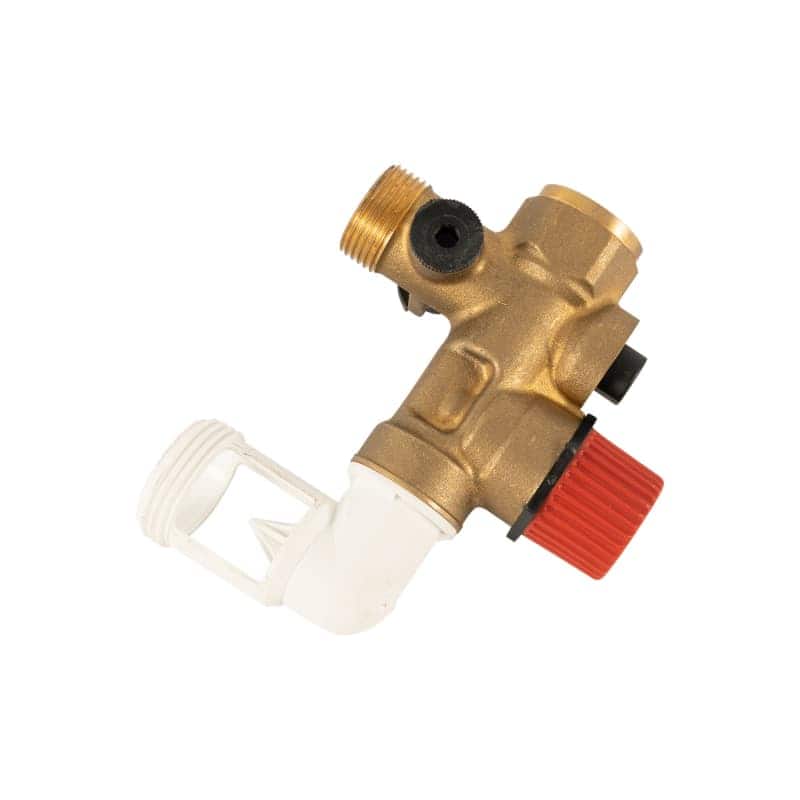
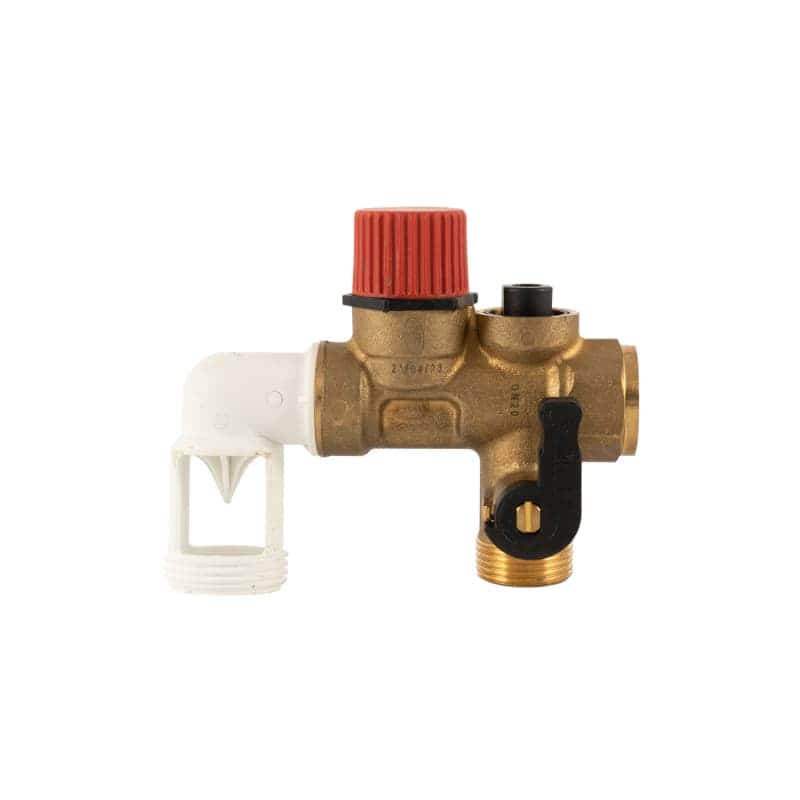
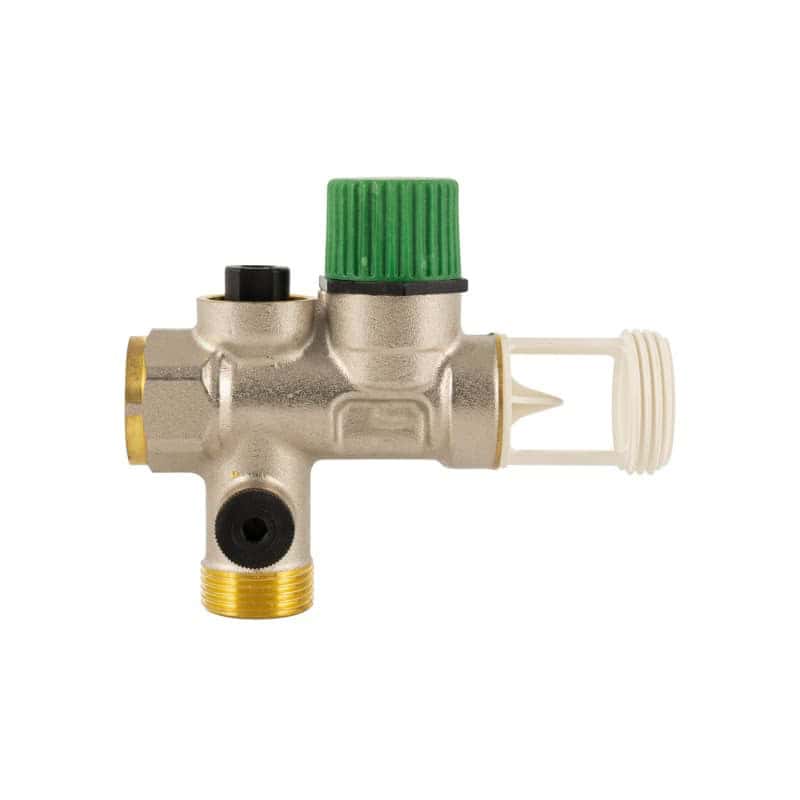
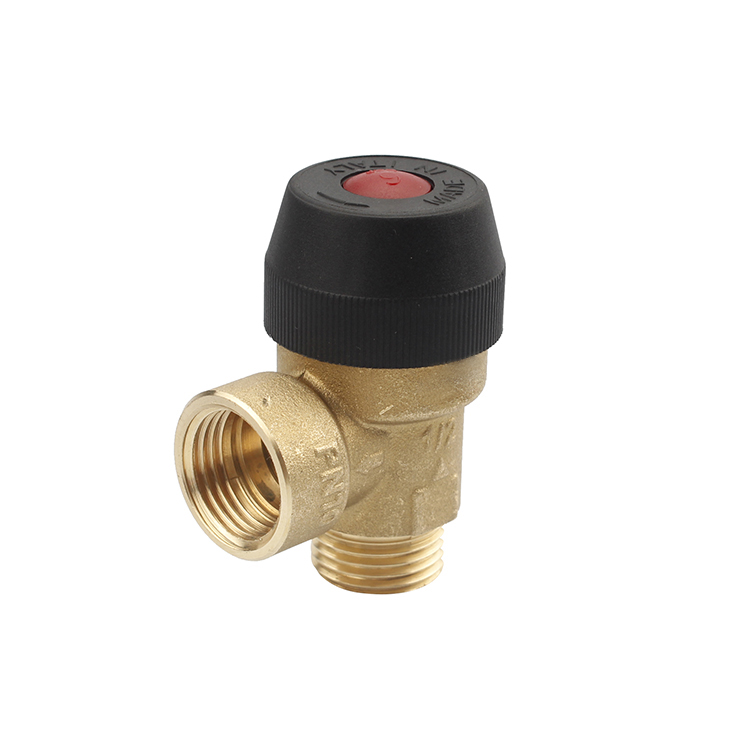
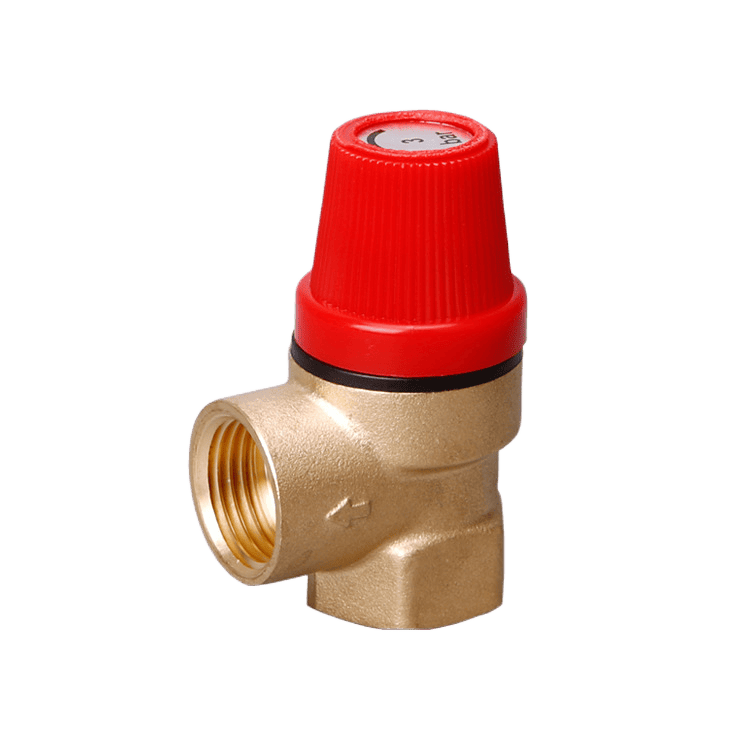
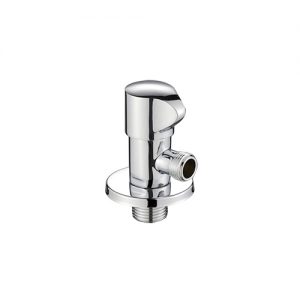
The Safety Group Right Brass Seat MF3/4 has a straight-through design, which makes it easy to install vertically or horizontally. It works with most water heaters, boilers, and similar equipment. Its pressure rating usually meets PN10, so it can handle normal system pressure. It can protect against too much pressure, stop water from flowing backward, and help release air from the pipes. It also helps with draining the system, keeping the hot water system safe and working steadily.
Model No.: JX-0981
Valve Body Material: CW617N, CW511L
Certification: ACS, NF certified
Maximum allowable temperature: 85 ° C
Opening Pressure: 7 bar
Connection Method: 3/4″ internal/external thre
Maximum Pressure Resistance: 10 bar
Maximum Temperature Resistance: 120°C
Connect size; DN20
The safety unit must be installed on the cold water pipe, at the inlet of the accumulator, and in the direction of water circulation
A dielectric insulation fitting is recommended to prevent corrosion in pipes
The Standard Straight Safety Group Valve helps water or other fluids flow easily and keeps the pipes working well. It has a safety part that opens by itself if the pressure gets too high, so the pipes and equipment are not damaged. It also has a valve to turn the water on or off. This valve is used in factories, big air-conditioning systems in buildings, and large water supply projects. It is the core control component that ensures the safe and stable operation of pipeline systems.
Model No.: JX-0991
Stainless steel body
Teflon coating on body surfaces in contact with water prevents limestone deposits on the safety elements of water heaters
Size: 3/4″
Made of CW617N and CW511L brass
Valve structure: Two-way, three-way
Media: Hot/cold water
Pressure-Range of Use: 7bar
Close differential pressure: 0.18~0.22MPa
ACS certificated
Run mode: On or Off
The safety group shall be installed on the cold water supply of the water heater
Water Brass Air Pressure Safety Relief Valve
Suitable for all kinds of pipeline conditions and pressure requirements. It has automatic pressure relief when the preset pressure is exceeded. It closes after pressure recovery to prevent equipment damage due to overpressure and to ensure system safety.
Used to protect water heaters from excessive water temperatures and pressures. The lead-free material meets drinking water safety standards. And provides healthier water quality for home and industrial applications. Ensure consistent performance in hot and cold applications.
Model No.: JX-0927
Material: Corrosion-resistant brass
Size: 1/2″,3/4″male NPT thread
Pressure rating: 150psi
Specification Met NSF/ANSI 61, ASME A112.18.1/CSA B125.1-18
This is a lightweight safety valve with a handwheel. It opens automatically when the system pressure reaches a set maximum, letting water flow out. If a pressure gauge is installed, verify that the internal system reaches the maximum preset limit on the pressure gauge. When the internal pressure of the system returns to below the nominal calibration pressure, the safety valve automatically resets.
Model No.: JX-0935
Materials: CW617N, H58-3, Lead-free brass
Finishing: Sand blasted, Sand blasted, and Nickel plated
Size: 1/2″
Thread connection: BSP, NPT
Working pressure: 10 bar, 2.5 bar, 3 bar, 6 bar, 8 bar
Maximum temperature: 115°C (water or air – Class 2 Liquids)
Compatible fluids: Heat transfer fluid conf. UNI 8065 § 6, Glycol solutions glycol 50%
Vitone in POLYAMIDE PA66-GF30 (Nylon 66) reinforced with glass fibers
Handwheel in POLYAMIDE PA66 (Nylon 66)
Safety valve with handwheel opening “LIGHT” according to European Directive 97/23 CE PED
Safety Relief Angle Valve With Pressure Gauge
Safety relief valves are used to control pressure and keep fluid systems safe. They help manage pressure in many water systems. For example, they regulate pressure in boilers for heating systems, keep the pressure steady in hot water tanks for homes, and control pressure in other general water systems.
Model No.: JX-0904
Brass construction UNE-EN 12165. Stainless steel AISI 302 spring. EPDM joint and membrane.
Finishing: Sand blasted
Size: DN15, DN20
Thread connection: BSP, NPT
Maximum Set Pressure: 10bar
Temperature Range: 5-110 °C
Connection: 1/2 in BSP
Liquid media, such as water, ethylene glycol, or ethylene glycol solutions (up to 50%), that are non-corrosive to the product material can be used as heat carriers.
Must be installed vertically, as close as possible to the heat generator
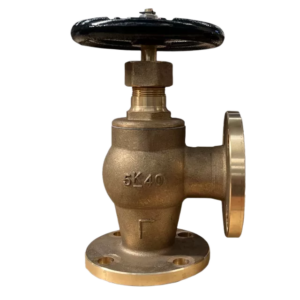
Bronze Safety Valve
Used to relieve overpressure in piping systems containing compressible or incompressible fluids. When the pressure or temperature exceeds an allowable limit, the pressure is relieved by allowing pressurized fluid to flow out of the system from an auxiliary passage. Lever type is usually used for air, water, or steam systems with temperatures above 60°C.
Model No.: JX-0922
Material: Bronze Cast Body
Size: DN15, DN20
Media: No corrosive gases, air, steam
Medium temperature: -45 ℃~185 ℃
Thread connection: BSPT
Max pressure: 10bar(low pressure spring sets avaliable 0.3-2bar)
A safety relief valve is an automatically controlled pressure protection device. It automatically opens and releases pressure through preset pressure. And it can close after pressure recovery to prevent system overpressure damage. It is commonly used in fluid systems such as boilers, pressure vessels, and pipelines. Its core function is to limit the internal pressure of the system so that it does not exceed the preset safety limit.
2. How do I choose the right Safety Relief Valve material?
The safety release valve can be selected based on the characteristics of the medium and the working conditions that require adaptation. Non-corrosive medium can choose brass or carbon steel to reduce costs. A corrosive medium can be chosen to use stainless steel (316/316L) or Hastelloy. In a high-temperature environment (>200℃), choose high-temperature resistant alloy or ceramic seals. In a high-pressure system (PN>25), prioritize high-strength stainless steel or alloy material to avoid material deformation.
3. How do you test your Safety Relief Valve?
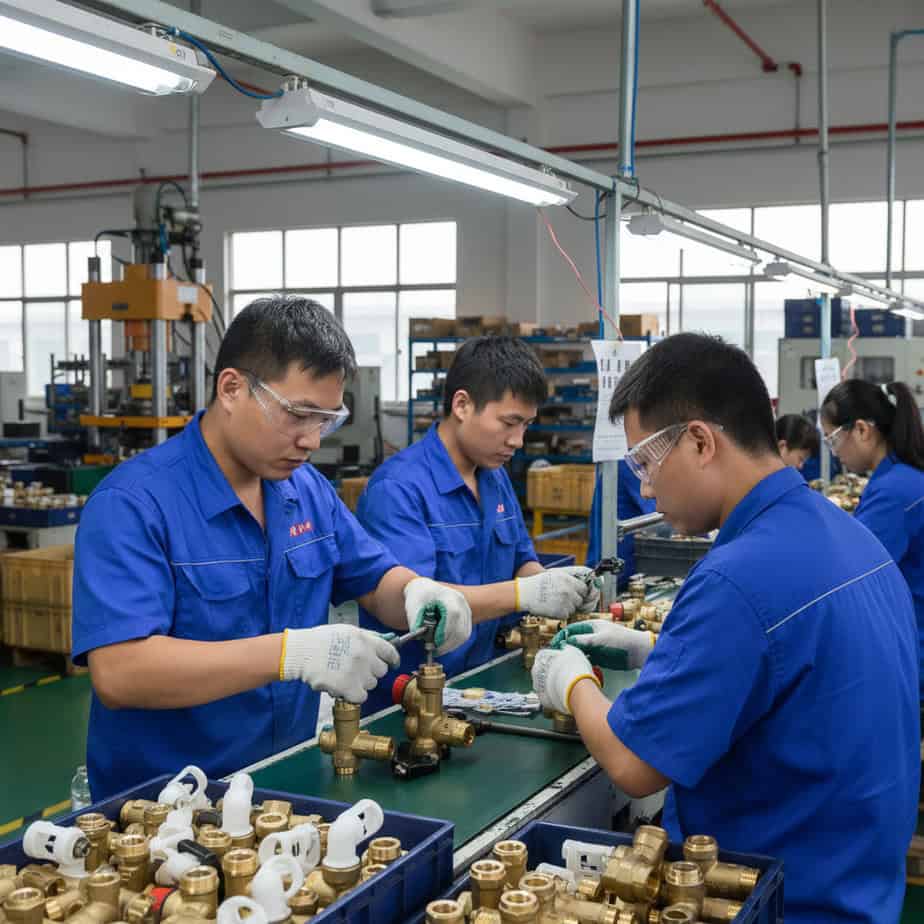
Before delivery, each valve is tested in a normal inspection process. First, a sealing test is done using air or water to check if the valve core and seat seal well. Then, a pressure setting test is carried out by slowly increasing the pressure until the valve opens, to make sure it opens at the correct pressure. After the pressure drops, the closing pressure is also checked. All tests follow API 520 rules. The test results for each valve are recorded, and test reports can be provided to customers.
4. Do you offer OEM/ODM services for safety relief valves?
Yes, we provide OEM/ODM customized service for safety valves. We will produce OEM according to the specifications and quality requirements provided by the customer company. We support both small batch trial orders and mass production. The factory can also optimize the product structure and material selection according to your cost budget. And ensure that customized products comply with international standards such as API, ISO, and market regulations in your region.
5. Can a Safety Relief Valve be installed in any orientation?
Safety valves can not be installed arbitrarily; according to the type of valve, a specific installation direction must be chosen. The most commonly used is vertical installation. Spring safety valves must be installed vertically; inclined or horizontal installation will lead to uneven spring force, affecting the accuracy of the opening pressure and return sealing. The lever weight safety valve, according to the manufacturer’s instructions, is typically installed at an angle, but usually in the vertical direction.
From Maison-Construction.com
6. What are the common failure causes of the safety Relief Valve?
Impurities block the valve passage, preventing the valve from opening or closing correctly. Or installed in the wrong direction. There may also be improper adjustment, manually changing the valve setting pressure, destroying the original balance of the valve. The valves shall be checked regularly as required to ensure the system operates normally.
7. How long does production take for the Safety Group Valve?
For conventional safety valve products, after verification, the normal production cycle takes about 35 days; when new mold development and corresponding sample production are involved, time for mold design, processing, sample trial production, and testing must be reserved. The overall cycle takes 15-20 days; for samples that meet our existing standard specifications, the delivery cycle only takes 7 days.
8. What surface finishes are available for the Safety Group Valve?
When it is in a dry, non-corrosive environment, it can be directly treated with natural color, usually used for brass, stainless steel, etc., at a low cost; when it is in a humid or mildly corrosive environment, it can be improved by zinc plating, nickel plating, etc. Surface hardness and wear resistance
9. What are the payment methods of the Safety Group Valve?
Our factory currently supports T/T (telegraphic transfer), L/C, acceptance draft, and other B2B conventional payment methods; large orders can be negotiated for installment payment (30% in advance +60% before delivery, +10% at the end of the warranty period).
10. Can safety valves be customized?
Factories can provide customized services without affecting product performance and lead times. We support the laser coding company LOGO, with its brand name and exclusive number, on the valve body. Customized models, including setting pressure, applicable medium, and other parameters, can also be printed according to requirements to ensure consistency with order specifications.