A sump pump is a significant piece of a waterproofing framework. The primary capability of a sump pump is to gather and eliminate water that has collected beneath the storm cellar floor before it can enter the storm cellar and cause harm. A check valve is one of the fundamental pieces of the sump siphon that permits it to work. You can easily find these check valves at sanitary ware manufacturers.

Introduction to Sump Pump Check Valves
Because of the basic architecture of residential buildings in China, a sump pump is a must-have in the building. So, the sump pump must be in proper working condition. For proper functionality, check valves must be used in these siphons. One of the significant advantages of a sump siphon check valve is that it can assist with detecting the existence of your sump siphon.
Without a check valve, your siphon must work harder to eliminate a similar water measure. It’s like attempting to push a stone up a slope rather than down. This can cause untimely mileage on your siphon, prompting exorbitant fixes or replacements. That’s why the residential drainage systems have these sump pump check valves as their compulsory component.

A sump siphon check valve is a one-way, flapper/swing-type valve. They are introduced in the release pipe from the sump siphon. The flapper opens by the power of the water when the siphon starts. Then, it closes with gravity on the water, pushing down on the flapper when the siphon stops. Keeping the bowl or unfinished plumbing space liberated from water and preventing reverse is essential. A sump pump check valve is considered a simple siphon administration without cutting any line. The French drain installation also demands a sump pump with check valves to carry groundwater away in the required situations.
Types of Sump Pump Check Valves
The Sump pump Check Valve is a water plumbing control equipment. This is explicitly utilized in a Sump Siphon framework. These valves help ensure that the water siphoned out doesn’t return into the pit.
These are the two main types of check valves used in residential plumbing systems, specifically in sump pumps.
- Swing Check Valves
- Spring-Loaded Check Valves

Let us see the role of both of these types of check valves with their specifications and applications.
Swing Check Valves
These valves are also known as Gravity Check valves. The power from the siphon pushes the valve open, and subsequently, gravity closes the valve as the siphon stops. A wide range of swing checks oblige association type and material inclination.
Due to their high demand, water valve manufacturers pay special attention to their best manufacturing practices. The justification behind the fame is the cost of the valve and its ability to function admirably with a battery reinforcement framework. This quality considers the framework to work at the ideal limit while utilizing battery reinforcement power. One of the cons is that these gravity check valves make a loud noise due to the water flapper.
Some more qualities are listed below.
- Reasonable for both homegrown and business sump siphon applications
- It might be introduced upward or evenly
- Synthetic-safe PVC development
- Simple to turn on/off the handle
- working temperature -10 ℃ ≤ t ≤ 120 ℃.
Plumberstar proudly presents these swing check valves at a very fair cost. This China-based valve factory is one of the leading manufacturers of swing check valves. It also gives a warranty on this product for up to 36 months.
Spring-Loaded Check Valves
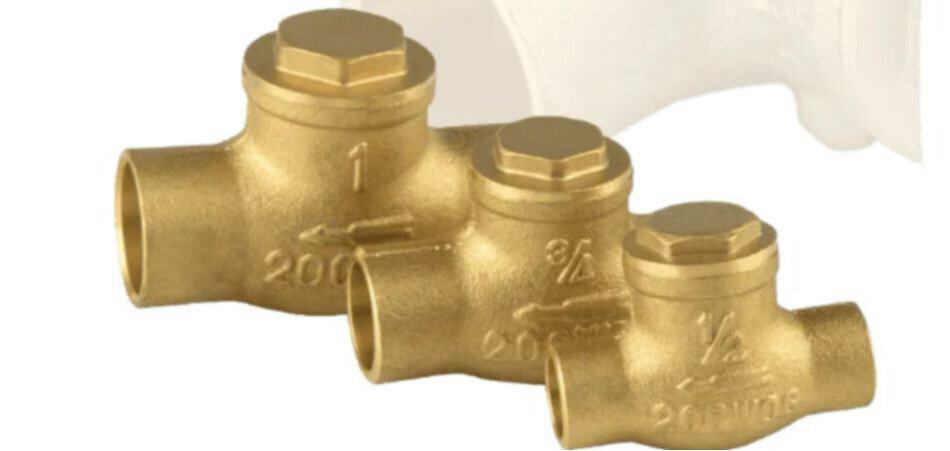
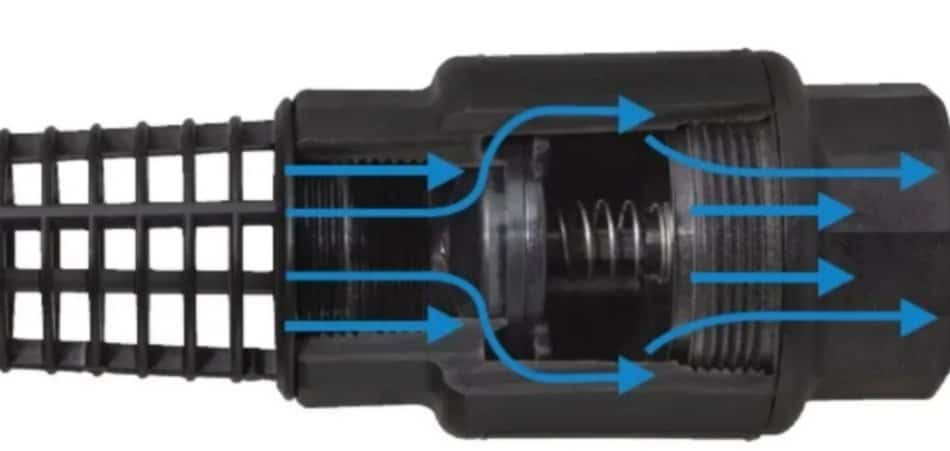
A spring-loaded or Quiet Check Valve works like a swing check with one significant contrast. It has a spring integrated into the flapper, which powers the valve shut gradually. This will kill the boisterous “clunk” frequently heard from standard Swing Check Valves.
The spring applies low power to the flapper against the water moving through the valve. The siphon stops as the water eases back, and the spring delicately shuts the valve against the seat. Many individuals select to introduce these in their framework to address that sound happening. Additionally, the analogy differs from that of the ball check valve. However, due to higher demand, this check valve becomes the priority for the ball valve manufacturer.
The spring-loaded check valves have the qualities listed below:
- Flapper is set up to develop sturdiness and longer life further
- Pressure rated to 400 WOG
- Decreases pounding commotions related to siphon cycling
- Can be introduced in vertical or horizontal positions
- Temperature handling: -10˚C-110˚C
- Brass body with brass and stainless steel 304 materials.
Plumberstar also introduces these valves. You can approach us for the best quotations. For more details on this product, click here!
Applications of Sump Pump Check Valves
Sump pump check valves forestall the discharge of liquids or gases in various modern and business applications. These check valves are appropriate for generally safe applications that require zero discharge. A few typical applications of these check valves, other than a sump pump, include:
- Water and wastewater treatment plants
- Chemical Handling plants
- Oil and gas processing plants
- Air conditioning frameworks
- Siphoning stations
- Power Generation plants
- Marine and seaward applications
- Sprinkler frameworks
- drinking water frameworks that are associated with public water sources
- HVAC Systems
Due to the wide range of system applications, these sump pump check valves are time-favorite nowadays. In the present era, check valves are vital for advanced drainage systems.
What are The Advantages of a Sump Pump Check Valve and a Must-Needed Thing?
A check valve is introduced at the sump siphon release line to forestall the discharge of water into the sump siphon. It is done either by gravity or when one more equal siphon on a similar framework is working. The check valve prevents the water from being released from a setup line.
If you don’t have a Check Valve introduced in your framework, it will work a lot harder to siphon out a similar sum. Introducing one of these valves will decrease the pressure on your siphon. Therefore, it saves energy by reducing the time the siphon needs to operate.
Some major factors for adding sump pump check valves are advantages;
Advantages 1; Pumping Effectiveness
The siphon consequently runs when the water arrives at a specific set level. It drives the overabundance of water out through the valve. Sump siphons, for the most part, draw water from underneath the floor up to a higher level.
Gravity will generally cause the water in the release pipe to flow back into the sump pit when the pump stops. Hence, the segment of water left in the line must stop from streaming once more into the siphon. The outdoor drainage supplies also use sump pump check valves, sometimes according to their requirement.
In more modest sumps, the amount of water held in the power source line may be nearly as much as the sump pump can hold. So, the pump would clear the sump and refill it in an infinite cycle. The check valve forestalls this reverse.
Advantages 2: Extended Life Span of Sump Pump
Without the check valve, the sump siphon is compelled to siphon the same water twice. This is about different siphoning cycles. This results in overheating the pump motors. And untimely burnout as the siphon engine runs. Without these sump pump check valves, the siphon will probably run into standard disappointments. By using check valves, the lifespan of the sump pump is unexpectedly extended.

Advantages 3: Preventing Back Flow
The primary role of check valves in sump siphon activities is to prevent reverse flow from happening. This guarantees that the water is siphoned out totally. It keeps it from streaming once more into the framework, which can cause flooding and water damage. Furthermore, check valves help maintain a steady strain at the power source of the sump siphon, allowing it to pump out the water.
Key Considerations to Select a Sump Pump Check Valve
Here are some accompanying key pointers that will help you while picking a check valve for the sump pumps:
Material and Structure
Sump pump check valves should be suitable with water and withstand heavy loads and high water pressure. In this way, a sturdy valve is essential when picking solid materials for the valve. Plastic is simpler to introduce. However, metal valves are more solid. Additionally, metals like brass and copper are inclined to consumption, while plastic is erosion-safe.
It is essential to inspect the valve’s design. A few valves offer more sturdiness than others and can endure higher water pressures. You can check our website, Plumberstar, for details about the materials and designs of these check valves. So choose wisely for the best results.
Fitting Size of Sump Pump Check Valve
The size of the check valve should also be considered. It ought to be viable with the sump siphon and measured per its specifications. This will guarantee that it can deal with the strain and stream pace of the water being siphoned out. Many check valve manufacturers provide basic guidelines on the size of check valves.

What Happens to Sump Pumps Without Check Valves
Several things could occur if you don’t have a check valve. First, you may encounter what’s classified as “short cycling.” This is the point at which the sump pump turns on and off more frequently than it should. In addition to the fact that this is irritating, it can make your siphon break down quickly. As a result, the life span of the sump pump is cut in half. So you’ll need to install the check valves.
Another issue that could emerge is an overpowered sump pump. Without a check valve, water can flow back into the sump pit after being siphoned out. This implies that your sump pump should work harder and longer, possibly prompting burnout or disappointment.
Final Thoughts
Check valves are a significant part of sump siphon frameworks. They help to forestall discharge and keep up with tension at the power source of the sump siphon. And diminish mileage on the actual framework. While choosing a check valve, it is critical to consider variables like material, size, and similarity with the sump siphon. Additionally, timely cleaning is crucial to ensure the valve operates correctly. If there are any indications of breakdown or disappointment, it is vital to look for professional help immediately.