“Washing machine Valve” has been added to your cart. View cart
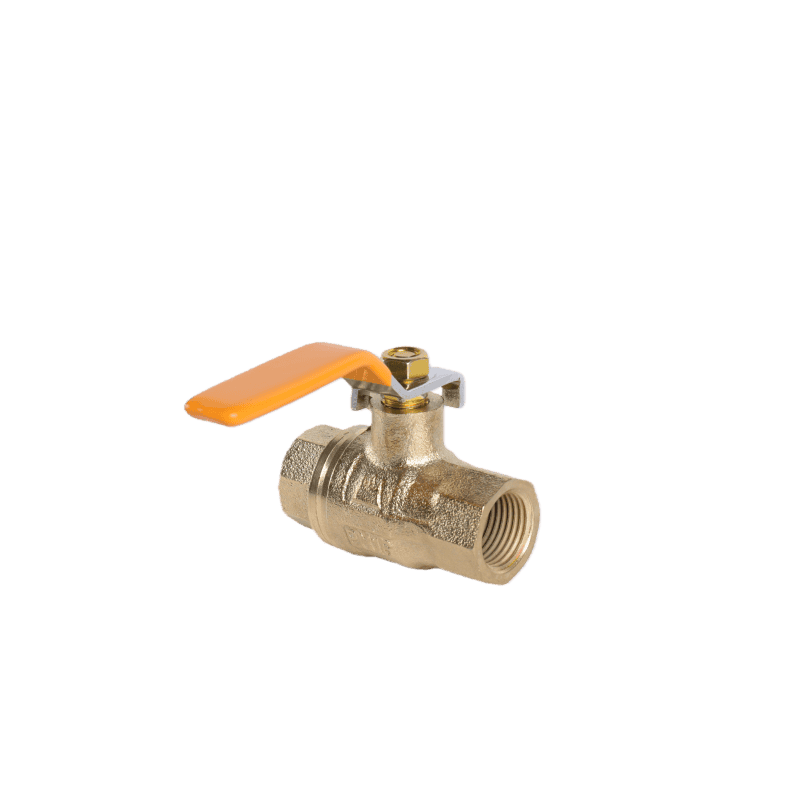
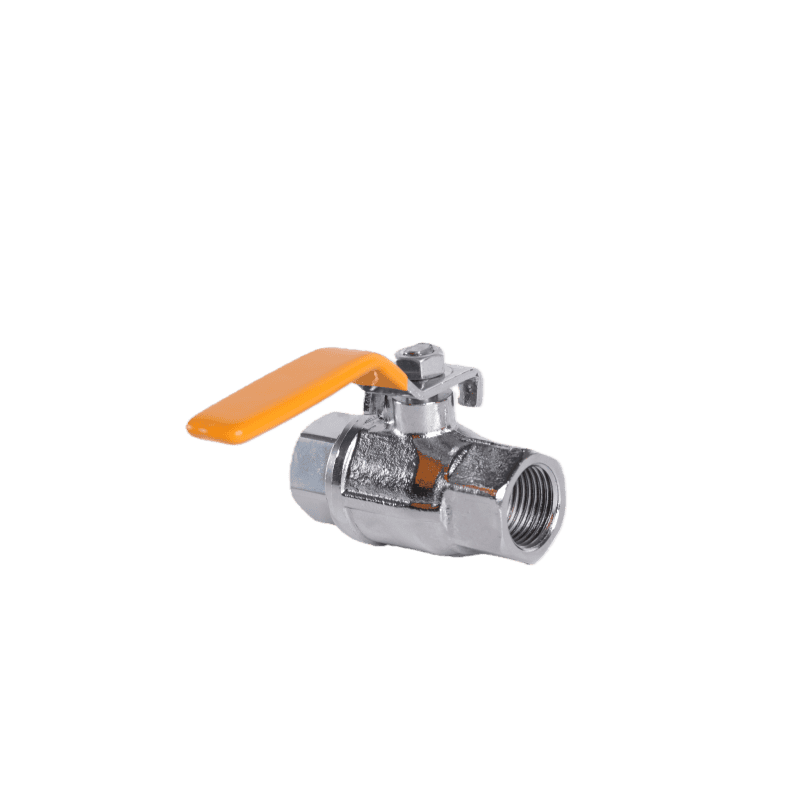
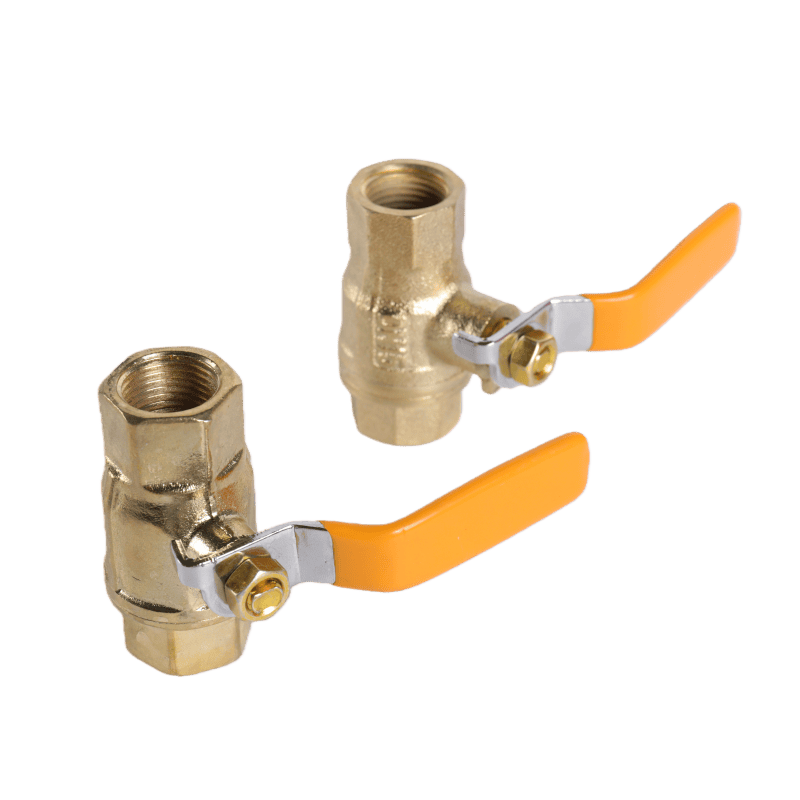
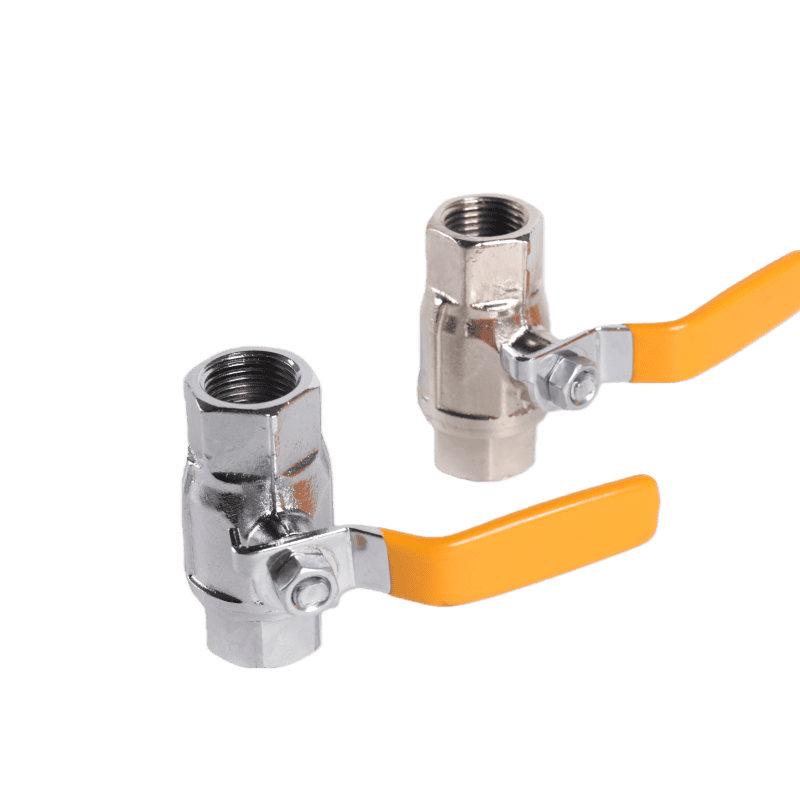
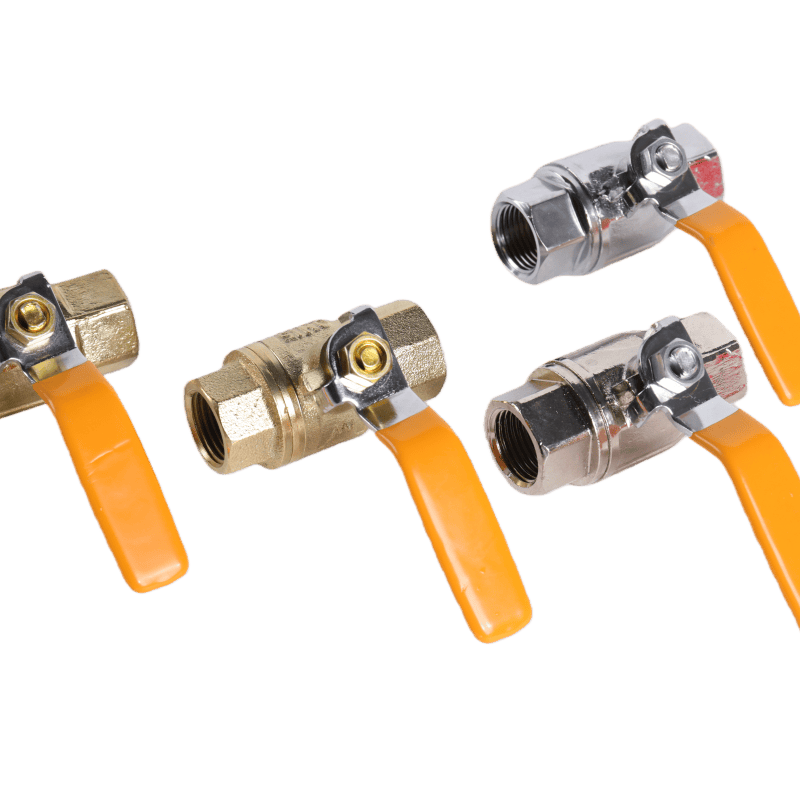
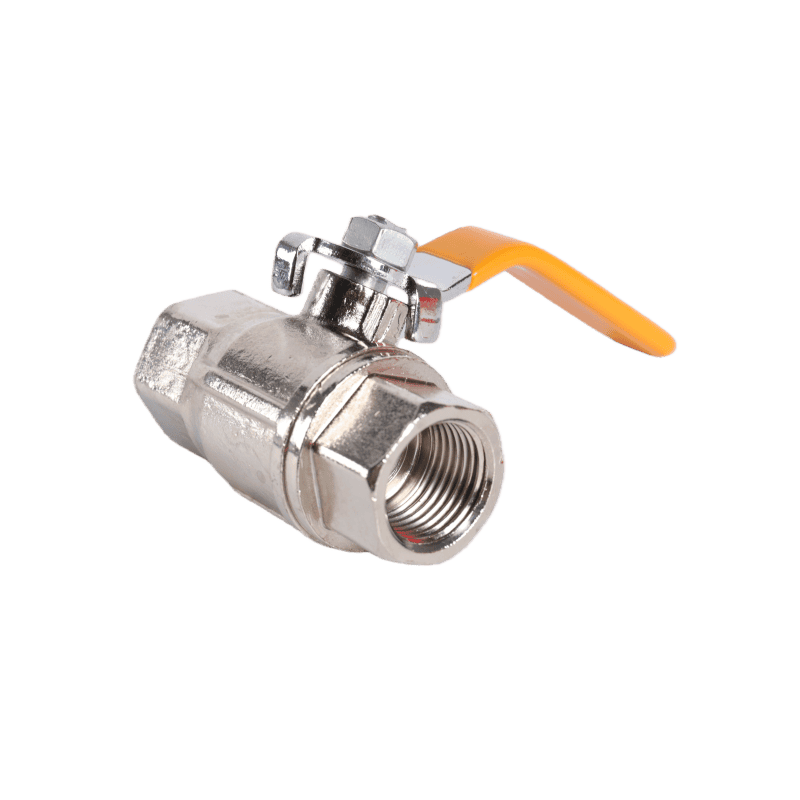
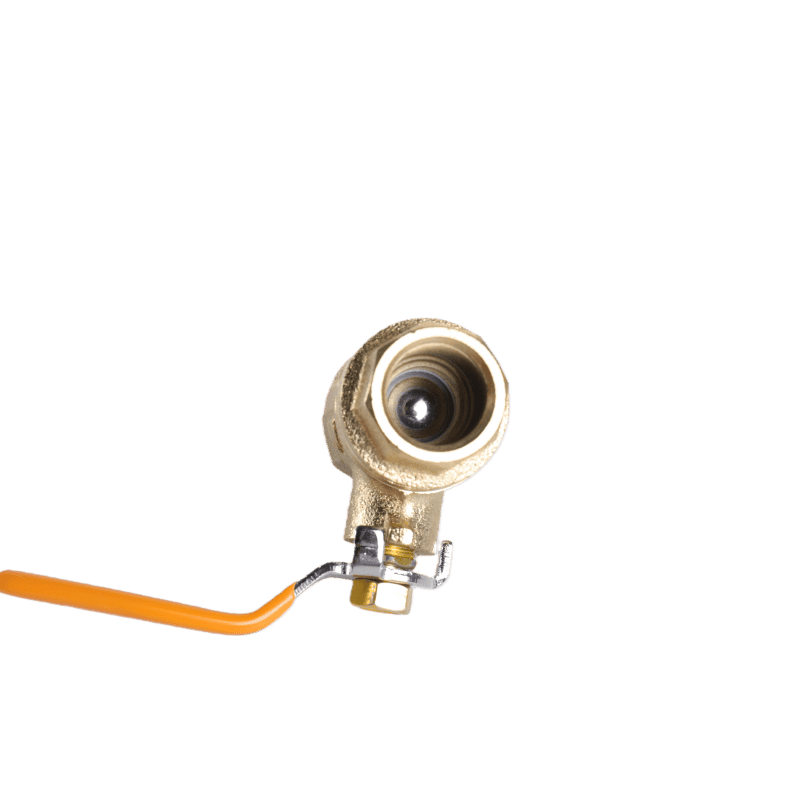
Two-Piece Steel Ball Valve
Parameters of Two-Piece Steel Ball Valve
The Two-Piece Steel Ball Valve features low opening and closing torque for effortless operation, enabling rapid shut-off and on-demand flow activation of media in pipelines. It delivers superior sealing performance to prevent medium leakage effectively. In addition, the stem-to-body connection is engineered with a blowout-proof design, which enhances operational safety in industrial environments. This valve is ideal for on-off control of media under medium and high-pressure working conditions.
Model No.: JX-10057
Size: 1/2 “-2”
Solder end connections comply with ANSI/ASME B16.18
The 3-Way Threaded Zone Valve is a control accessory designed for diverting, combining fluid flows, or switching medium directions in fluid piping systems. Featuring a threaded connection structure, it delivers superior sealing performance and is compatible with most standard pipe diameters for seamless piping connections. Suitable for a wide range of media, including water, oil, and gas, it can be customized with integrated manual or electric control modules to enable precise remote or on-site flow regulation as well as on-off control.
Model No.: JX-0305
Size: 1″, 1/2″, 3/4″
Material: CW617N
Finish: Sand blasted
Thread connection: BSP, NPT
Medium temperature: 2 ℃ -95 ℃
Driving model: Electric/Manual with position indicator
Pressure: PN16
Torque:12 Nm
Internally threaded
Direct-coupled universal bonnet
Manual override with hex wrench
Flow Capacity (Cv): 4.1
3 Way Stainless Steel Motorized Ball Valve
3 Way Stainless Steel Motorized Ball Valve L-port design, suitable for a variety of voltage inputs, but also often equipped with manual operation function, is to achieve the flow of fluid in the pipeline, confluence and flow switching, can achieve 90° commutation between two channels, electric actuator support remote control and automatic operation, can improve the operation efficiency and control accuracy of various fluid systems.
Model No.: JX-0304
Size: 1″, 1/2″, 3/4″, 3/8″
Valve body material: SS304, SS316
Connection: threaded connection (BSPP, NPT)
Action time: 15s
Drive Power: 220VAC, 24V,AC/DC
Medium temperature: 2 ℃ -95 ℃
Body pressure: PN20
Nominal diameter:12 (mm)
Seal Material: FKM&PTFE
Working medium: Water, air, other media
Nominal pressure: 1.0MPa
Full copper and stainless steel gears are used
PEX Gas Cut-Off Valve
The PEX Gas Cut-Off Valve is compatible with push-to-connect or crimp connection methods for PEX pipes, providing an effective barrier against gas leakage. Boasting low opening and closing torque, it enables rapid shut-off and on-demand activation of gas supply lines. It can also be customized with a tamper-proof locking mechanism and visual open/close indicators to enhance the safety and controllability of pipeline operations.
Model No.: JX-10071
Size: 1/2″
Full bore
With an aluminum butterfly handle
Ball material: Brass, CW617N, CW614N
Brass seat material: PTFE
Steam: Brass
Include an NBR “O”-ring
Working pressure: 290psi
Working temperature: -10-110℃
Low turning torque
Finishing: Original brass
Forged brass body
OD tube: 8mm
Suitable for Gases (Air / LPG)
EN331 Standard
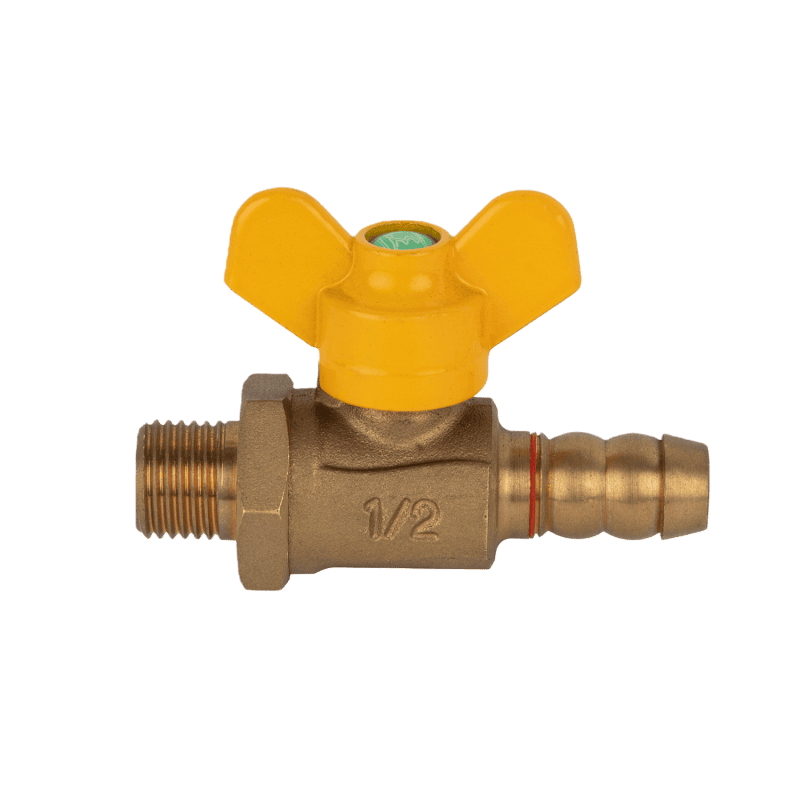
Brass Ball Valves Butterfly Handle M/F
Brass Ball Valves, Butterfly Handle M/F, are manual quick controls for the fluid in the pipeline. Turn the butterfly handle 90 degrees to complete the valve’s full open or full closed operation, saving labor and making them suitable for small installation spaces. It is widely used in residential water supply and drainage, HVAC, small agricultural irrigation, and small industrial and commercial non-corrosive fluid pipeline.
Model No: JX-0404
Size: 1/2″-3/4″
Material: C37700, CW602N, CW617N, CW510L
Finishing: Sand blasted, Sand blasted, and Nickel plated
Handle: Aluminum butterfly handle with green color
Brass stem with natural finish
Brass ball polished with chrom-plated finishing
Lifetime: 150000 times On-Off
Temperature: -10˚C-110˚C
Thread connection: BSP, NPT
Working pressure: PN25, PN40
Media: Water, Seawater
Standard: ISO9001, EN
Motorized Electric Brass Globe Valve
Motorized Electric Brass Globe Valve is equipped with an electric actuator. It adopts a lifting disc structure inside. An electric actuator can support remote control, automatic adjustment, and some models are equipped with a manual emergency operation function. It can adjust fluid flow step by step or linearly. The electric control mode can be connected to the automatic control system.
Working medium: water, oil, non-corrosive and non-flammable gas
Nominal pressure: 1.6MPa
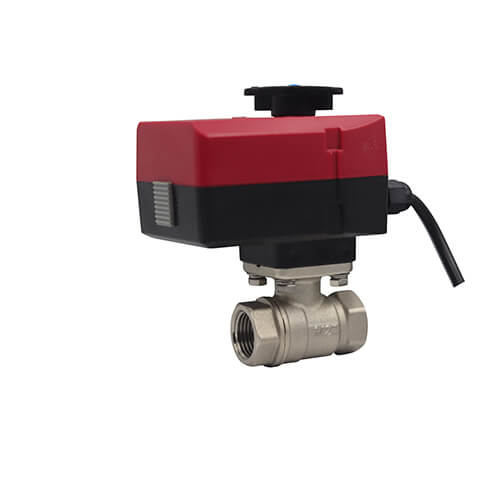
Electric Actuator Brass Ball Motorized Valve
Electric Actuator Brass Ball Motorized Valve can access various control signals, support remote control and automatic linkage, automatic on-off control and simple flow regulation of the fluid in the pipeline, not only can the electric actuator accurately drive the spool to complete the rapid opening and closing of the valve, to achieve timely opening and closing of the pipeline medium, but also can adjust the spool angle according to the control signal to adapt to different flow requirements.
Model No.: JX-0312
Size: 1″, 1/2″, 3/4″
Material: CW617N
Finising: Sand blasted, Nickel plated
Thread connection: BSP, NPT
Action time: 15s
Medium temperature: 15 ℃ -95 ℃
Voltage: 220VAC, 24V AC/DC
Power: 60W
Cable Length: 300mm / 11.8in
Working Time: 25-30 seconds
Torque: 12 Nm
Medium: Water, Air, etc.
Closing Differential Pressure: ≤ 0.6MPa
Nominal Pressure: PN16-PN20
Standard: ISO228, ISO 5211
Shell material: ABS
FAQs of Two-Piece Ball Valve
1. What is the difference between 1-piece, 2-piece, and 3-pieceball valves?
The 1-piece ball valve body has an integral structure with no obvious detachable parts. It features a compact structure, low cost, and convenient installation. However, it needs to be completely removed for disassembly and maintenance, and is suitable for small-diameter and low-pressure pipelines.
The 2-piece ball valve consists of a valve body and two parts of the valve cover, which are connected by threads or flanges, ensuring structural stability and facilitating certain maintenance convenience. The valve cover can be removed separately to replace internal seals and other accessories. It is suitable for multiple medium and low-pressure fluid scenarios. It is a commonly used type for civil and small commercial use.
The 3-piece ball valve body is composed of three parts: the left valve body, the right valve body, and the middle valve seat, which are connected by bolts. It is not necessary to dismantle the connection between the whole valve and pipeline during disassembly and maintenance. It can be directly opened to access the middle part, allowing for the replacement of core parts, such as the valve core and valve seat. It has high structural strength and good maintainability. It is suitable for industrial scenes with large diameters, high pressure, and frequent maintenance, but the manufacturing cost is relatively high.
The sealing principle of the two-piece ball valve is primarily achieved through the close fit of the valve seat and the valve core. The valve seat is usually made of PTFE and other materials with good elasticity. When assembling, it maintains a specific preload with the ball to form an initial seal. When there is medium pressure in the pipeline, the pressure will push the valve seat to compact the ball further. The higher the pressure, the better the sealing effect, i.e.” pressure self-tightening seal”; At the same time, the valve stem is sealed by packing or O-ring sealing structure to prevent medium from leaking from the gap between the valve stem and the valve body, and the reliable interception and leakage prevention of pipeline fluid are realized through the surface seal between the valve core and the valve seat and the auxiliary seal at the valve stem.
3. What is the most significant advantage of two-piece ball valves than other types of valves?
Compared to gate valves, globe valves, butterfly valves, and other types of valves, the primary advantage of two-piece ball valves lies in both their structural simplicity and practical adaptability.
The valve body design, assembled from two parts, is more convenient for local maintenance than a one-piece ball valve, and the cost is lower. Additionally, the structure is more compact than that of a three-piece ball valve. At the same time, the 90-degree rotating spool (ball) structure of the ball valve core makes it more labor-saving than the stop valve. The opening and closing efficiency is faster than the gate valve, and the flow resistance is far less than the former two. It is suitable for a variety of medium and low-pressure fluid media. In addition, brass and other mainstream valve body materials have with elastic seat sealing structure, so that its sealing performance is better than most butterfly valves, coupled with convenient installation, a wide range of application scenarios, become a balance of cost, performance and maintenance needs of cost-effective choice, covering civil to small industrial multi-dimensional pipeline control needs.
4. What is the resistance loss of a two-piece ball valve under fully open and fully closed conditions?
The two-piece ball valve is fully open in its state because the valve core flow hole and the valve body flow channel are essentially straight, resulting in very small fluid resistance and a resistance loss that can usually be controlled within the range of 0.01- 0.1 MPa.
In the fully closed state, the valve core completely blocks the flow passage. At this time, the resistance loss is infinite in theory, and the fluid cannot pass through. Only when the valve sealing performance is slightly defective may there be a minimal amount of medium leakage; however, the resistance loss corresponding to the leakage has no practical engineering significance. The core is “complete closure” as the judgment standard.
5. Does the two-piece ball valve for gas meet API standards?
Whether the two-piece ball valve for gas meets the API standard needs to be determined in combination with specific application scenarios and product configurations. The core specifications related to gas valves in the API standard system include API 6D (pipeline valve standard), API 598 (valve inspection and test standard), and API 607/6FA (fire resistance test standard). For civil and small commercial low pressure gas pipeline conventional two-piece ball valve, usually need to meet the CJ/T 180 and other special standards, if the customer has no clear requirements, may not be mandatory to match API all items index; but for petrochemical, long-distance gas transmission and other industrial high pressure scenarios, our factory can provide customized products that meet API 6D design and manufacturing standards and pass API 598 pressure test.
6. What are the applicable scenarios for different spool structures of two-piece ball valves?
The common spool structure of a two-piece ball valve is a floating ball and a fixed ball, and its application scenarios are differentiated due to differences in structural characteristics.
Floating ball valve core without fixed shaft, ball by medium pressure and valve seat compression positioning, simple structure, low cost, sealing performance with medium pressure rise better, suitable for DN50 small diameter, medium and low pressure (usually PN≤16MPa) water, gas, light oil and other clean fluid pipelines, such as civil water supply and drainage, household gas connection and other scenarios;
Fixed ball valve core is fixed on the valve body through the upper and lower shafts, the ball force is uniform and difficult to offset, can withstand higher pressure and larger diameter, stronger anti-scour performance, suitable for industrial pipelines with large diameter DN50 and above, high pressure (PN>16MPa) or medium containing a small amount of particles, such as petrochemical, HVAC engineering and other scenes requiring high stability and durability of the valve core.
7. How long is the warranty period for two-piece steel ball valves?
Two-piece steel ball valve custom models or products that reach a specific pressure level can be guaranteed for a period of 2 years. Other models that meet CE, ISO, and other high standards, as well as those used for special conditions or products with long-term cooperation orders in large quantities, may have a warranty period of up to 3 years. High-end models with special actuators even come with a 5-year special actuator warranty. The specific duration will usually be further defined in the trade contract in conjunction with the customer’s needs.
8. Are your two-piece ball valves manufactured in your factory?
Yes, the body and bonnet are manufactured in our own factory. Our manufacturer also produces Stem and PTFE(Teflon). But the Level handle/butterfly handle and ball are sourced from outside partners.
9. Are all valves 100% leakage-tested?
Yes, all the valves must undergo leakage testing with air and then be submerged in water, including the ball valve, the thermostatic mixing valve, the pressure-reducing valve, and other plumbing valves and pipe fittings.
10. What pressure testing standards do you follow for the 2-piece ball valve?
It’s normally performed with an 8-bar air pressure test in water, and it’s kept for 20 seconds without bubbles, then it can be approved. If there is a high-pressure requirement, then we will test different options for you.