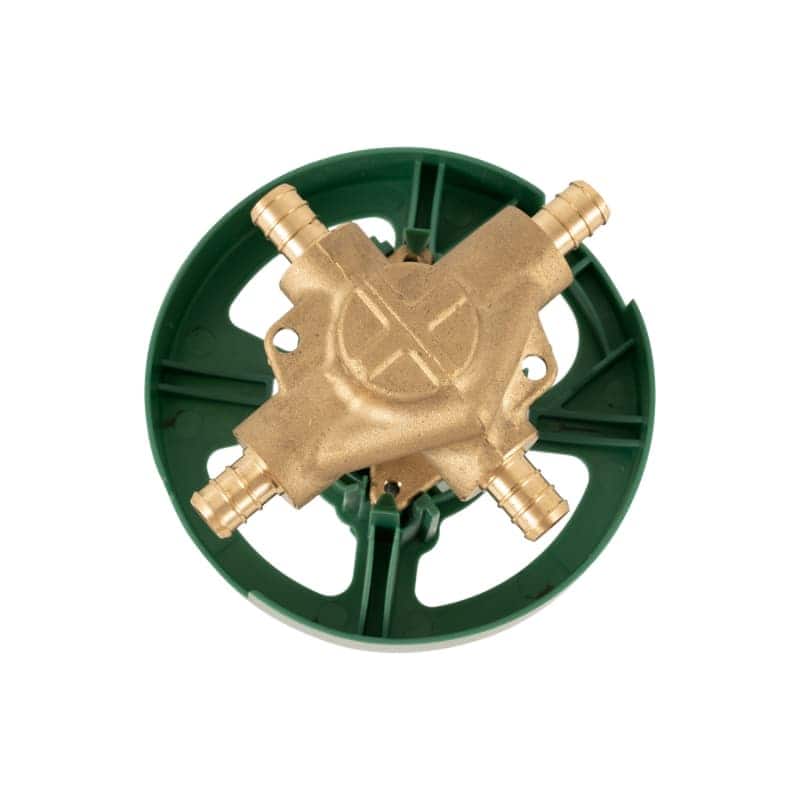
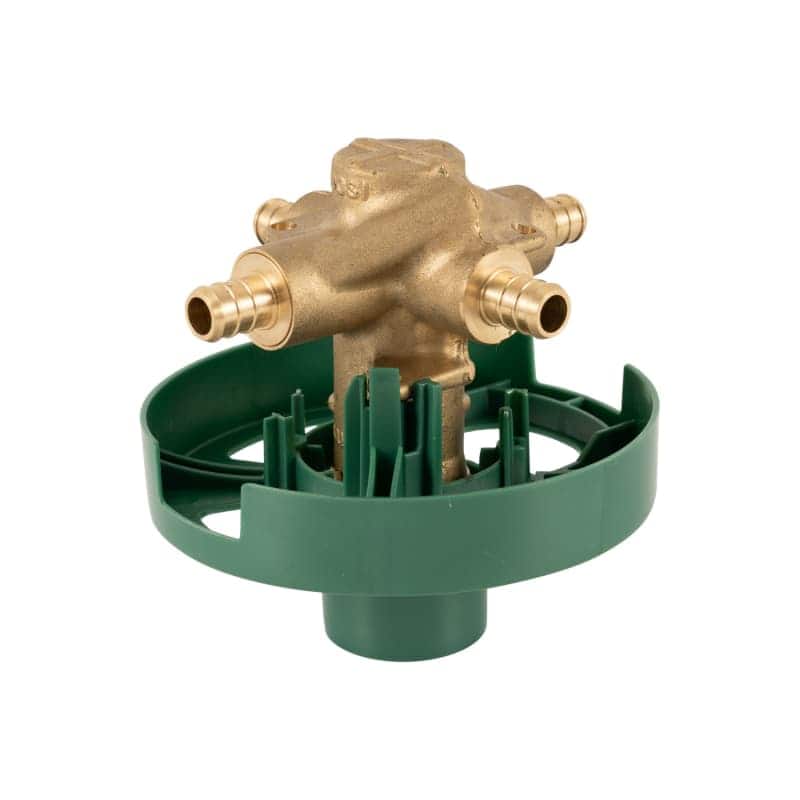
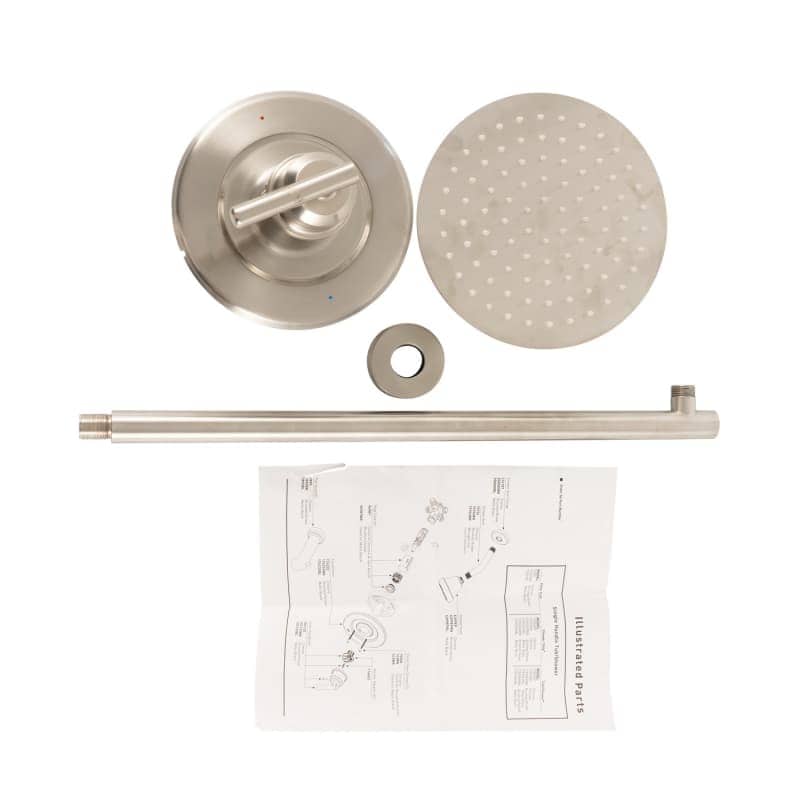
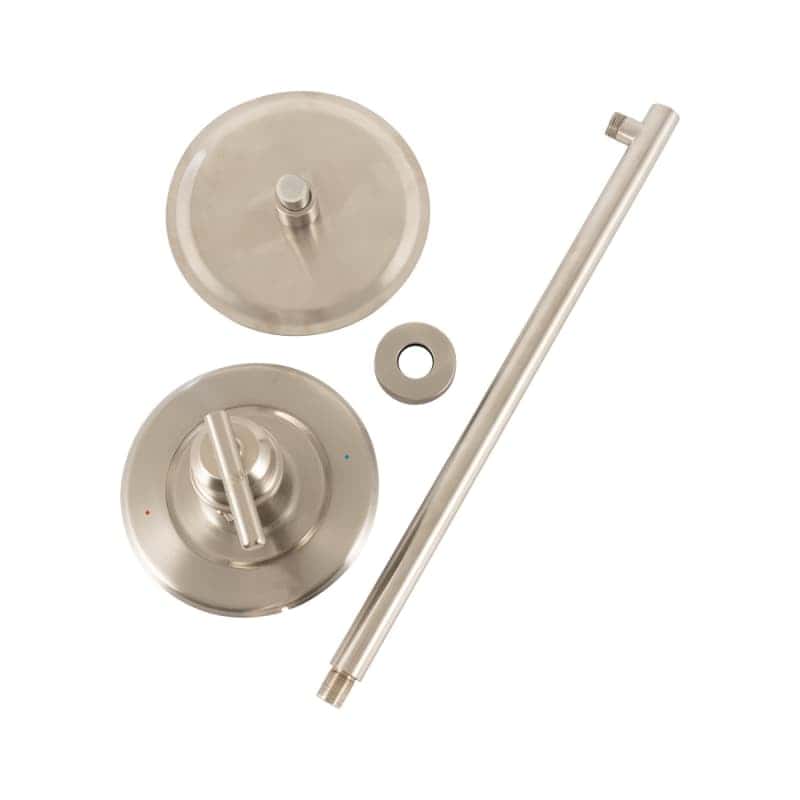
Shower Pressure Balanced Valve Set

Parameters of Shower Pressure Balanced Valve Set

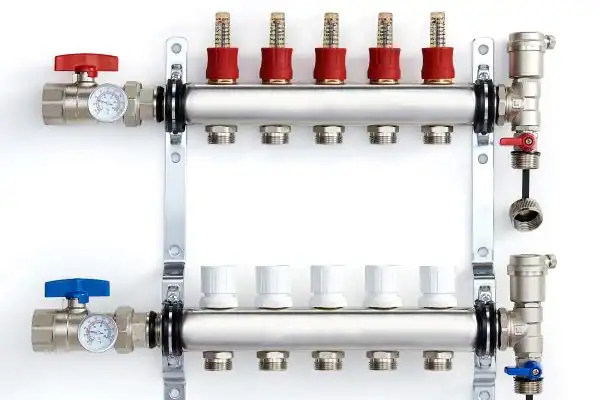
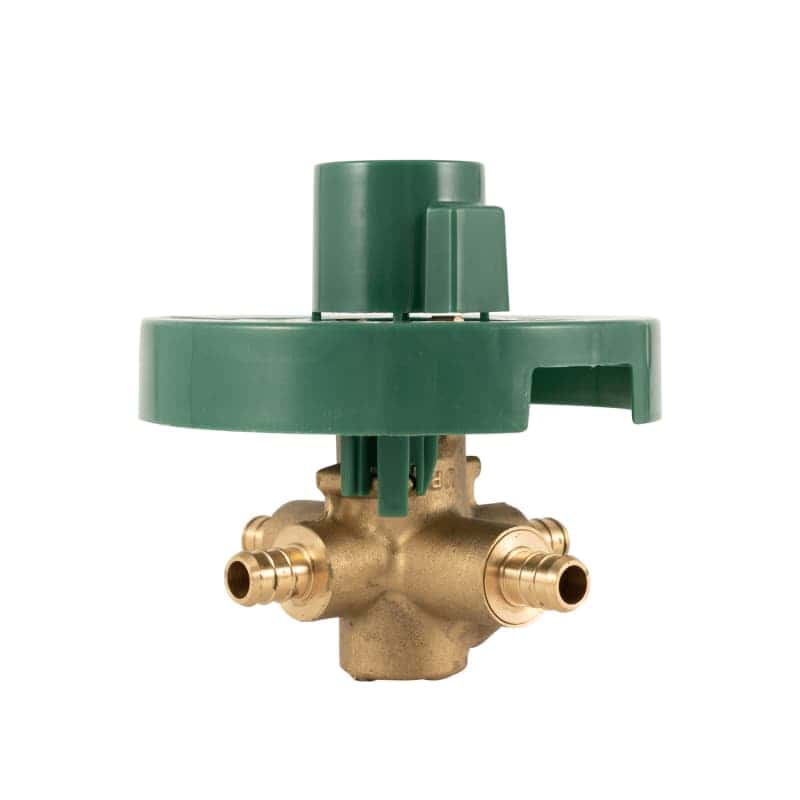
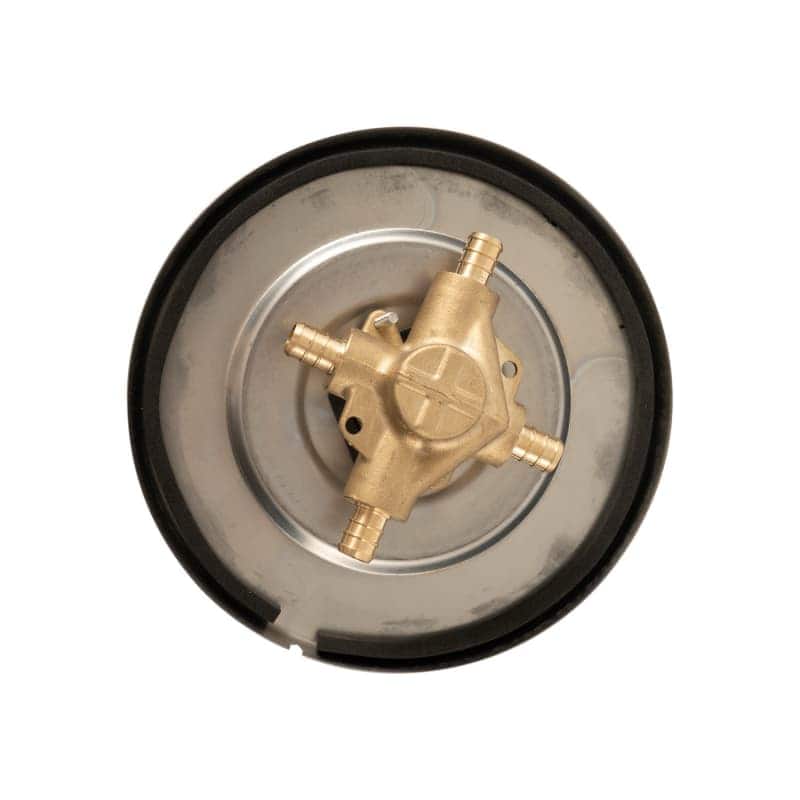
A pressure balance valve is the core component of a shower or bathtub water supply system. It can cope with various pressure fluctuations that may occur in the hot water supply line and the cold water supply line. It is similar to the water pressure drop caused by the simultaneous opening of other faucets during peak water consumption periods. The pressure difference changes between hot and cold water sources. It dynamically balances the pressure ratio of cold and hot water supplies in real-time. And outputs a comfortable water flow with almost constant temperature.

  • Model No.: JX-0990
  • Material: Removable plastic housing, brass shower valve body
  • Shower rod and head are with stainless steel 304.
  • Cover plate; SS304
  • Connection type: IPS/Cold Expansion 1/2 PEX
  • No of ports: Four-way
  • Outlet connection type: Presse
  • Inlet/Outlet connection type: PEX
  • Valve meets ASSE performance requirements
  • Adjustable temperature limit stops
  • Compatible with the M-Pact system and supports kits, allowing for easy faucet upgrades in the future without changing the plumbing
  • Unused ports can be capped off (for “shower only” or “tub only” installations)

Additional information

Description

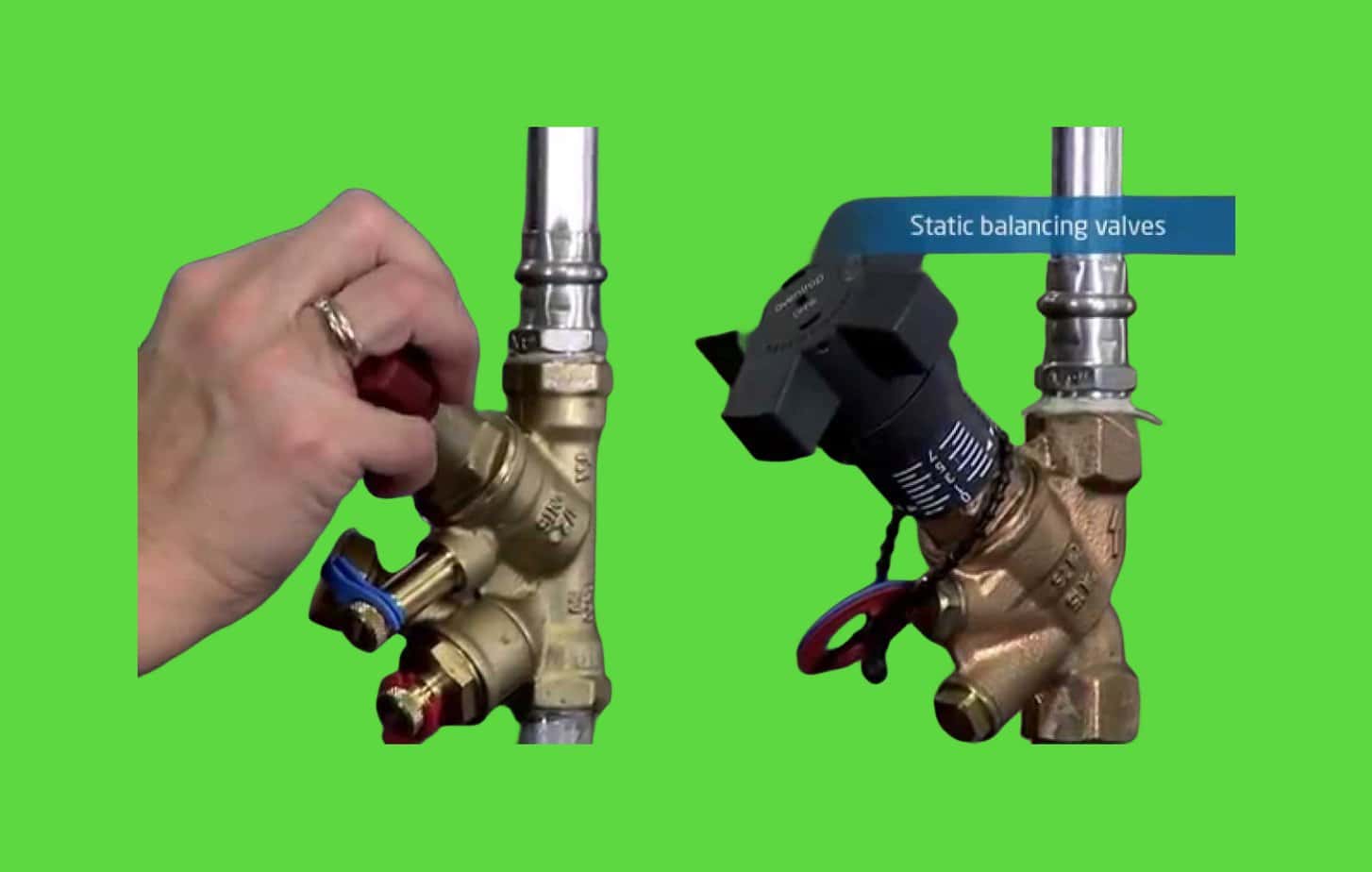
double regulating balance flow meter valve Static Digital Lock Balance Valve

The static digital lock balance valve is a special control valve made to keep hydraulic systems balanced. It has a built-in digital lock and is designed to maintain a stable hydraulic condition. This valve is made with a direct flow body, which improves the path of water inside and gives the valve smooth, equal-percentage flow.

  • Model No.: JX-0942
  • Material: Brass
  • Size: 1/2″, 3/4″, 1″
  • Normal pressure: PN≤ 1.6MPa
  • Power: Manual
  • Thread Standard: ISO228
  • Working medium: Water, Ethylene glycol mixture
  • Working temperature: -20℃≤T≤120℃
  • Testing port connection end: 1/4″ female thread
  •  It is a static hydraulic working condition balance valve
 

Inspector Test And Drain Valve

This is a special valve that combines a two-lever ball valve, an observation window, and a stop valve in one unit. It is often used in pipelines for checking and maintenance. It can test whether a water flow alarm works properly and can also drain water from the main pipe. It can handle sewage, relieve pressure, and perform other extra functions.

  • Model No.: JX-0954
  • Material: Brass ASTM C85710, Teflon Seats, Acrylic Sight Glass
  • Available in 1″, 1-1/4″ and 2″ sizes in both NPT and BSPT
  • Working pressure: 175PSI
  • Media: Water
  • Media Temperature: Normal
  • Power Supply: Manual
  • Construction: Ball
  • Product certification: FM, UL,cUPC
  • The test and drain valve complies with NFPA 13 sprinkler systems
 

Water Pressure Reducing Valve With Gauge

PRV is a device used to control and reduce water flow or pressure in a system. Its main job is to lower pressure that is too high, which makes the system safer and easier to operate and manage. PRVs help protect pipes and equipment from damage caused by excessive pressure. PRV devices of this type are commonly found in practical applications in piping systems, HVAC, and various types of fluid conveying and control equipment associated with industrial processes.

  • Model No.: JX-0907
  • Material: Nickel Plated Brass, Plastic
  • Stainless steel pressure gauge adopts an oil-filled type, with a scale display, and a pressure range of 0-10 bar
  • Specification: 1/2″, 3/4″
  • Pressure Gauge Connection: 1/4″ BSP
  • Media: Water
  • Channel: Tee Type
  • Nominal Pressure: Low Pressure
  • Maximum Inlet Working Pressure: 16 bar
  • Outlet pressure: 1~6bar
  • Maximum Operating Temperature: 65°C
  • Standard: EN331
Brass flowmeter balance valves Visual Flowmeter Balancing Valve

The balance valve has a clear sight glass or flow indicator, so you can see the water or fluid flow and check the flow in real time. It can also stop the flow, adjust it, and keep the system balanced. This valve is mainly used in heating and cooling systems, water supply and drainage, industrial fluid transport, and similar systems. The flow in each pipe can be adjusted to match the needs of each branch or device, making sure the whole system works properly and evenly.

  • Model No.: JX-0944
  • Materials: CW617N, H58-3, Lead-free brass
  • Valve housing and cover: Brass P-CuZn40PB2
  • Size: G3/4″*Rp1/2″
  • Finishing: Original, Sand blasted
  • Thread connection: BSP, NPT
  • temperature range of 0-110°C
  • Media: non-corrosive fluid
  • Working pressure: Max to 10 Bar
  • Measurement range: 2-8 (L/min)
  • Equipped with a manually operated ball valve to control the flow rate
 

Manual Brass Balancing Valve

A Manual Brass Balancing Valve is a valve used in industrial systems to control flow and pressure by hand, usually by adjusting the valve disc. Its main job is to balance the flow and pressure in each branch of the system. Manually adjusting the valve opening accurately, so as to avoid abnormal operation of the equipment caused by excessive or too small local flow.

  • Model No.: JX-0948
  • Material of parts in contact with water: valve body, axis, cone, etc.: H58-3
  • Sealing rings: EPDM
  • Specification: 1/2-1″
  • Kvs: 10.0 m³/h
  • Channel: Tee Type
  • Standard: EN331
  • The valve is equipped with a drain valve and a measuring needle
  • Maximum working pressure: 16 bar
  • Maximum valve differential pressure: 1.5 bar (150 kPa)
  • Operating temperature: -20~ 120°C
  • When the temperature ranges from 80 °C to 120 °C, insulation covers are offered as accessories
pressure reducing valve


Boiler Safety Valve

A boiler safety valve is a safety protection device installed on boiler equipment. It has automatic pressure sensing and rapid pressure relief functions. The internal steam pressure exceeds the preset safety value due to abnormal combustion, improper operation, or system failure during boiler operation. The valve will automatically open and quickly release excess steam. It automatically closes after reducing the pressure in the boiler to a safe range.

  • Model No.: JX-0953
  • Material: CW617N  brass
  • Finishing: Sand blasted and nickel-plated
  • Size: 3/4″
  • Thread connection: BSP, NPT
  • Working pressure: 16 bar
  • Pipe thread: ISO228
  • Max working environment temperature: 120°C
  • Working medium: Water, steam, glycol solutions (up to 50%)
  • Pressure setting of the safety valve (bar): 3

FAQs of Balanced Valve

1. What are the main types of balance valves produced?

Our factory makes three main types of balance valves: manual balance valves, automatic balance valves, and visual flowmeter balance valves. Manual balance valves are used in small and medium heating or water systems. Automatic balance valves can handle changes in water pressure and are good for big buildings like supermarkets or offices. Visual flowmeter balance valves can show the water flow and are often used in factories like medicine or electronics plants.

2. What is the difference between balance valves and ordinary control valves?

The difference is that the function focus is different- an ordinary control valve is more focused on “flow regulation”, while the balance valve focuses on “system hydraulic balance” as the core, with a dual role of flow regulation and pressure stability, and distribution of the branch flow, to avoid local overcurrent/underflow. Industrial systems prefer balancing valves.

3. Do you provide export-related documents of Balanced Valves for customers?

Our factory can provide all export documents and help with third-party inspections. This includes commercial invoices, packing lists, bills of lading, certificates of origin (CO), certification reports like UL or CE, and other documents customers need. Regular documents are free. Special certificates, like FORM A, cost extra based on the actual processing fee. We can also help customers work with customs agents to make sure the shipment clears customs smoothly.

4. What standards does the pressure rating and sealing performance of the balance valve meet?

The pressure rating and sealing of a balance valve must follow several national and international standards. The pressure rating usually follows GB/T 12224 (China), EN 1092 (Europe), and ASME B16.34 (USA). The valve can work safely under different pipeline pressures. The sealing must meet GB/T 13927, passing tests like shell pressure tests and seal checks. For international use, it also follows API 598 and ISO 5208 to make sure there is no leakage under rated pressure. Some balance valves for drinking water also need sealing parts that meet NSF/ANSI 61 and other drinking water safety standards to fit different uses.

5. Is there a balancing valve solution for high temperature steam systems?

There’s a solution. For high temperature steam systems up to 350℃, equipped with high temperature sealing parts (graphite packing +Inconel alloy shaft) and optimized body heat dissipation structure to ensure stable operation at high pressure of 16 bar. It has been applied to steam thermodynamic systems in food processing and printing and dyeing plants.

6. What does the warranty coverage of the balancing valve include?

The warranty scope includes: ① unqualified materials (such as cracking of valve body, material inconsistent with inspection report);② manufacturing defects (such as seal leakage, adjustment failure);③ accessory failure (such as pressure gauge damage, automatic valve sensor failure). Man-made damage is not covered by the warranty. For example, violent operation during installation leads to deformation of the valve body or use beyond the operating range (such as cryogenic valves for high temperature systems), etc.

shower pressure balanced valve set

7. What risks are there if the rated value of the balancing valve exceeds the maximum pressure difference?

There is a risk that the accuracy of valve adjustment will decrease, resulting in unstable flow control, rapid wear of the seat and seal, and a shortened service life. In extreme cases, the valve may jam or fail. When we also have certain solutions, such as the selection of a high-pressure balance valve (such as the PN25 model) to replace the original model, or installing a pressure relief valve in front of the balance valve, the pressure difference will be controlled in a safe range.

8. How about wear resistance of valve shaft, valve seat and other vulnerable parts?

Hardened shaft (surface hardness HRC 50 or above), seat made of wear-resistant alloy material, which can withstand more than 100,000 times of adjustment operation under normal conditions without obvious wear. We provide spare parts such as valve shaft, valve seat, and seal ring from stock. The spare parts price is 5% to 15% of the finished product price.

9. What is the return process for the balancing valve?

If the product does not match the system due to a factory selection error, it can be returned unconditionally, and we shall bear the freight. However, if the issue is caused by incorrect parameters provided by the customer, it must be reported within 7 days after receiving the goods. The product can be returned without installation and damage, and the customer shall bear the return freight and a 10% restocking fee. Return process: submit application → our review → send back products → inspection confirmation → refund/replacement.

10. How long is the service life of the balance valve?

Under normal conditions, the service life of a brass balance valve is 8-10 years, and that of a stainless steel balance valve is 12-15 years. The more corrosive the fluid medium, the shorter the life. The long-term approach to the highest temperature will accelerate the aging of seals, and the frequent adjustment of manual valves will increase the wear of the valve shaft.

Recommend to Read

Get quote Now

Free Sample with OEM