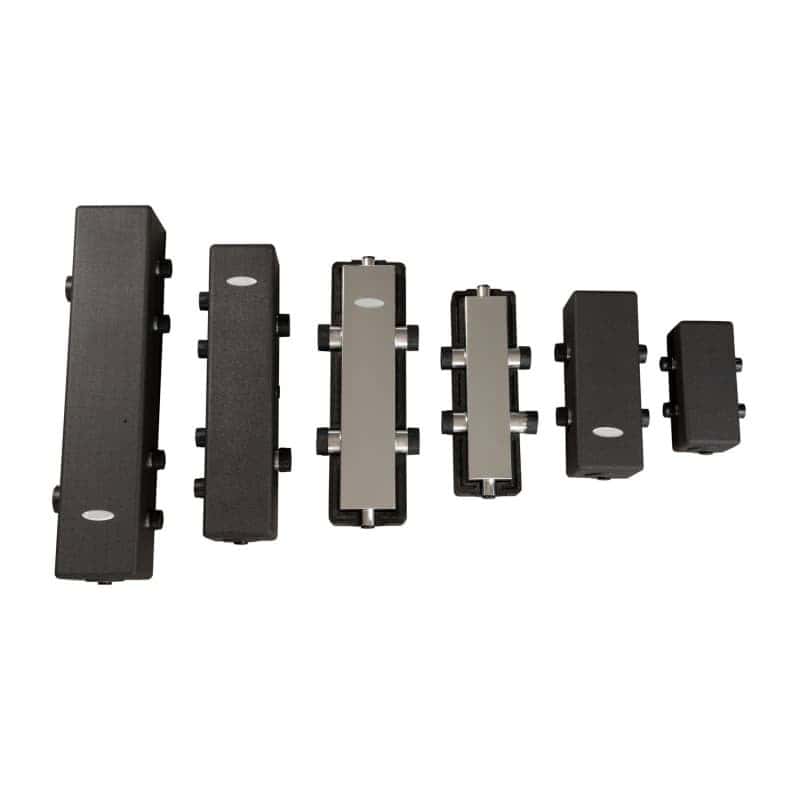
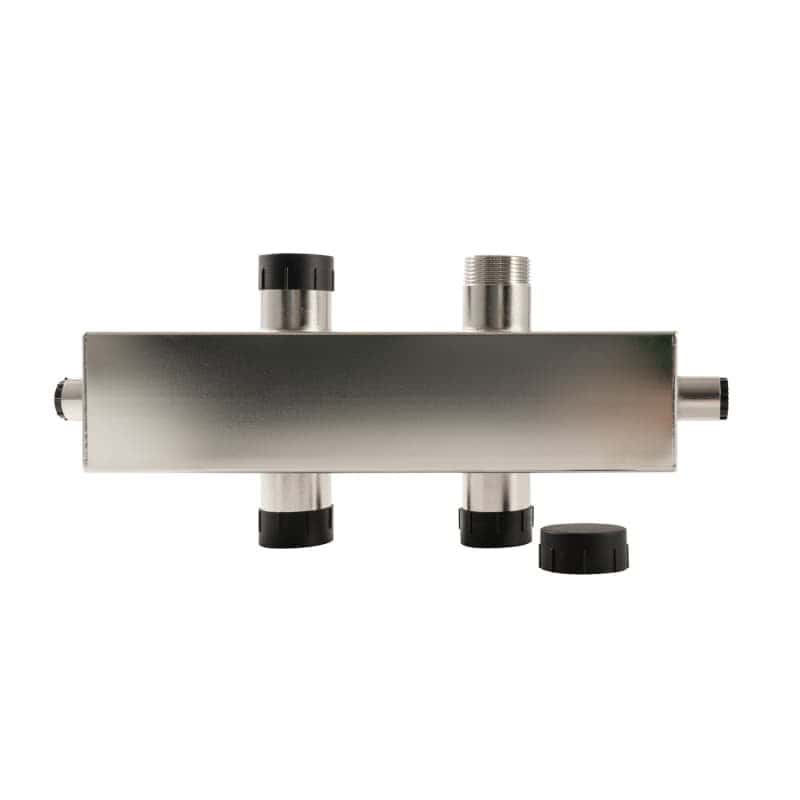
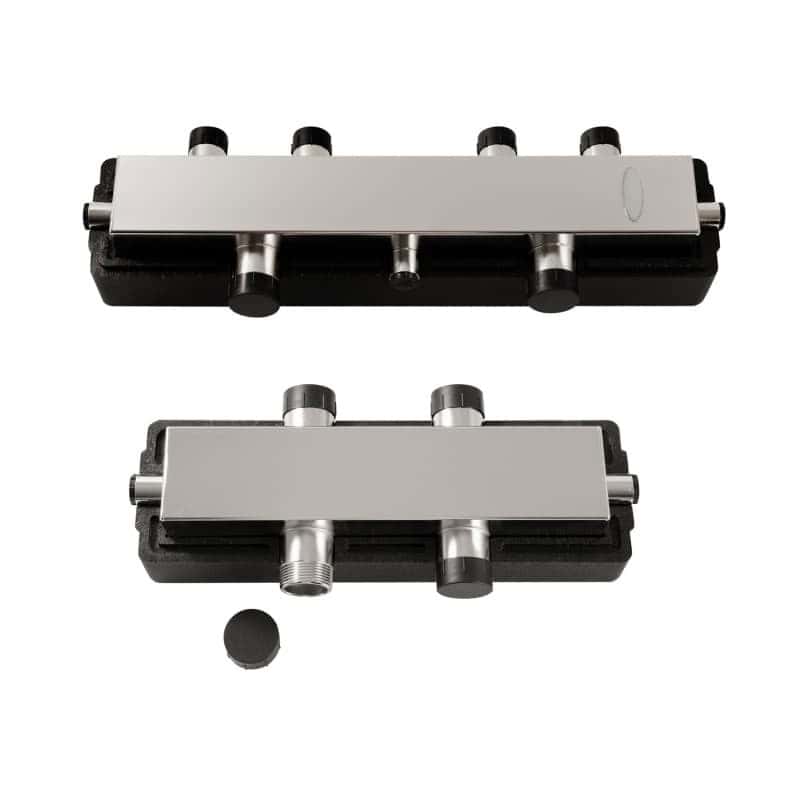
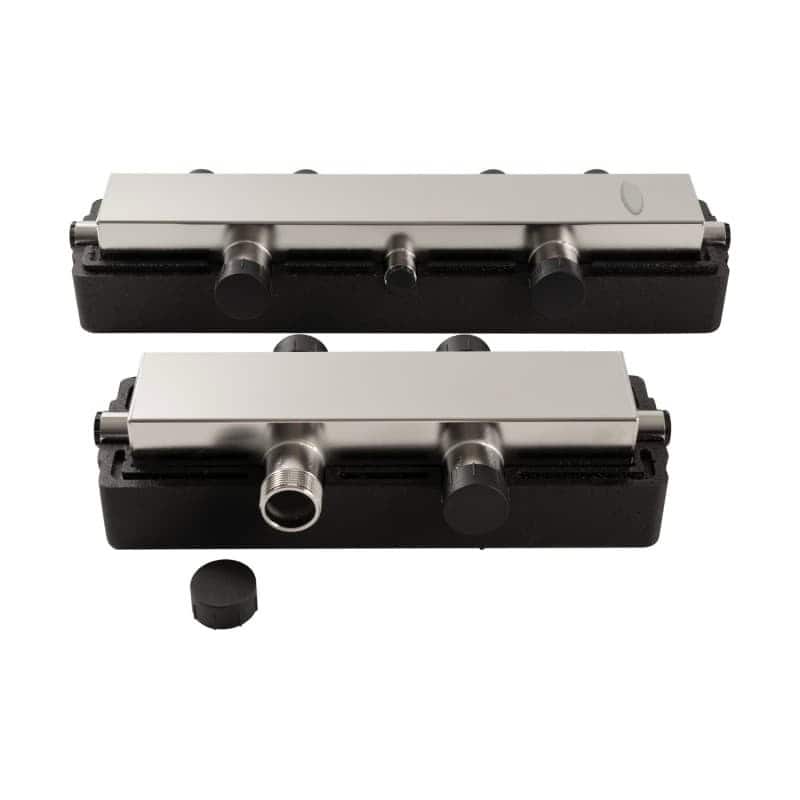
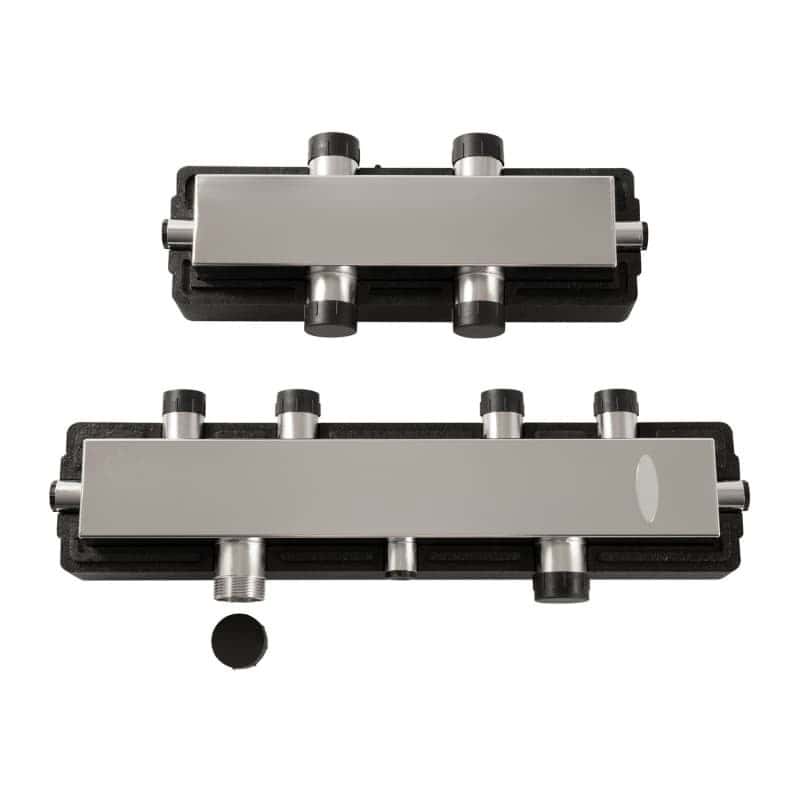
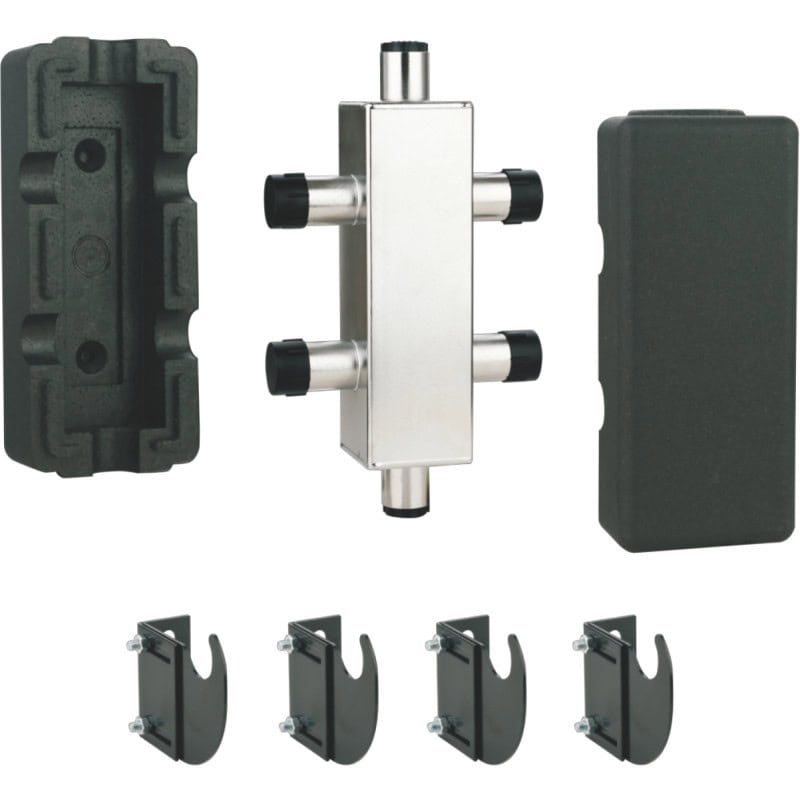
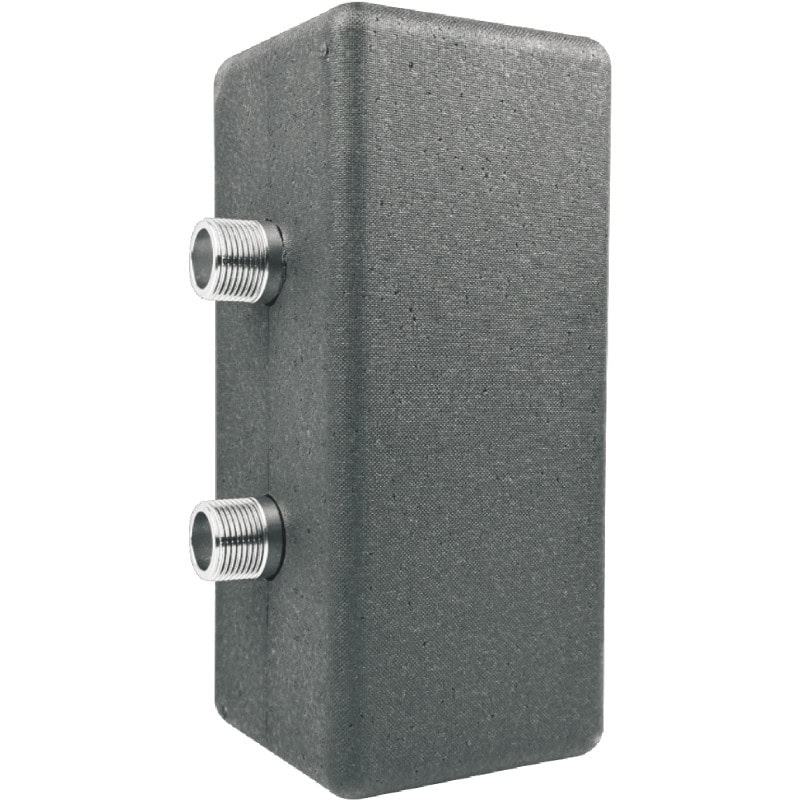
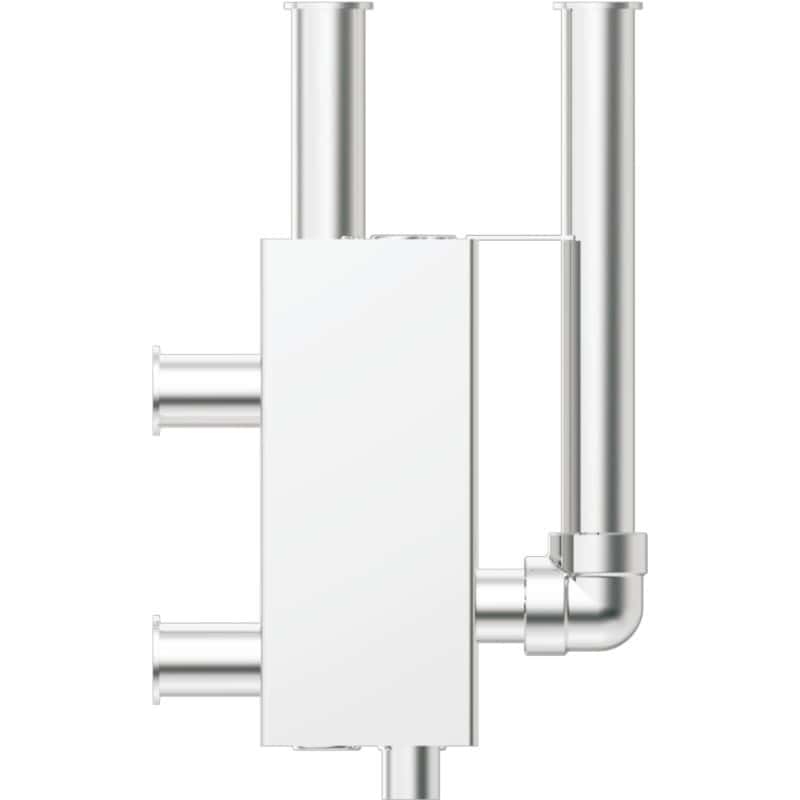
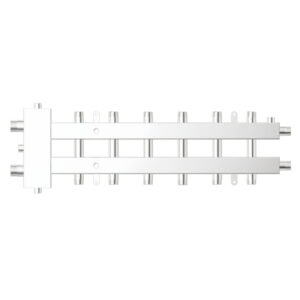
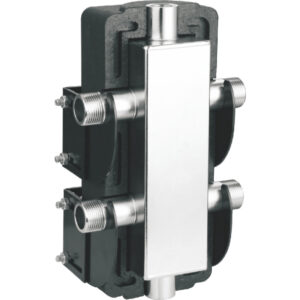
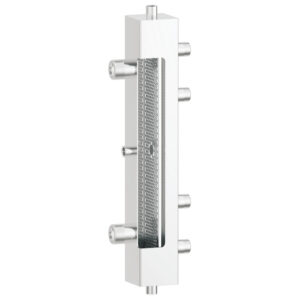
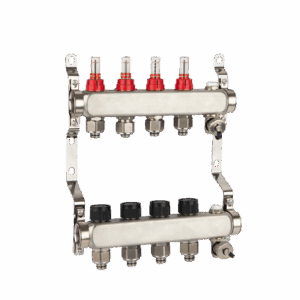
This multi-branch floor heating water distributor is made with a 304 stainless steel main chamber and a plastic fixing bracket. It offers a flexible solution for wet floor heating systems. Standard external threads are located on both ends of the main body. On the side, there are 2 or 4 internal thread branch ports for heating loops. Each branch port is supplied with a sealing plug. This allows accurate control of hot water flow to each floor heating coil, so rooms can be adjusted separately. The unit is commonly used in small houses and apartments. It replaces traditional single-size water dividers and offers better adaptability and flexibility in system design.
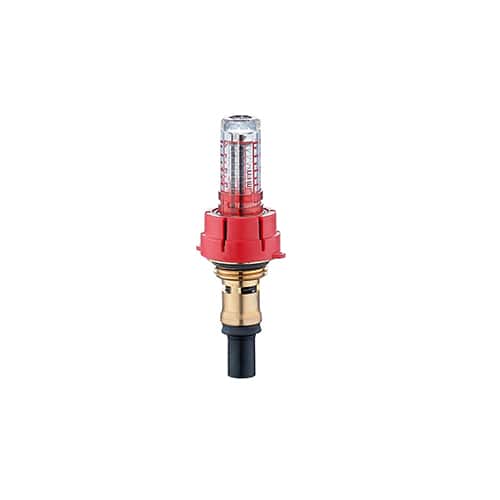
The brass heating manifold flow meter uses a solid brass body with a clear flow window. It is designed to monitor branch flow in underfloor heating and heating manifold systems. The connection port is built into the bottom of the window, so it fits directly into the manifold branch pipe. Installation is simple and secure. Inside the transparent window, a red float moves up and down as water flows. Changes in flow are easily visible at a glance, making branch flow adjustments more direct and intuitive.
Model No.: JX-0923
Size: 1/2″
Material: Brass+EMS plastic
Function: Water separation
Flow range: 0.5-5L/Min
Max working temperature: 95ºC
Pressure of valve core: ≤ 1.6MPa
Pressure of flow meter: ≤ 1.0MPa
Accuracy of reading: +/- 10%
Scale range: 5-0.5L/min
Application: Underfloor Heating System Accessories
With a 2-year warranty
Manifold for Underfloor Water Heating
The underfloor water heating manifold is made of stainless steel with an integrated pipe design. It works as the main distribution unit in the heating system. The side branch ports connect each underfloor heating loop. Each loop runs independently for stable flow control. The main pipeline is located on the top or the side. It handles water supply and return, air release, and sewage discharge, supporting the normal operation of the whole system.
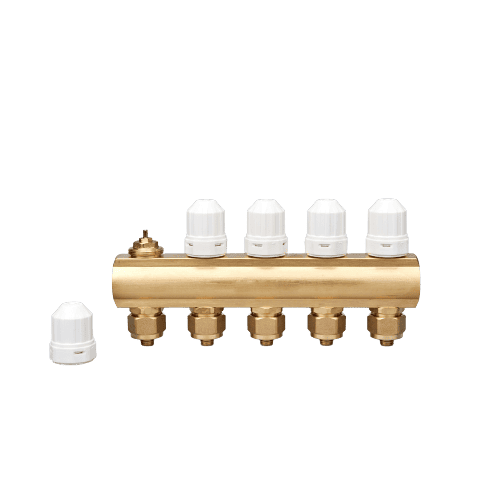
Brass Manifold 2-13 Ways of Wet Underfloor Heating System
This 2-13-way brass water distributor is designed for wet underfloor heating systems. It uses a solid brass body that handles heat well and resists corrosion. It is usually installed in HVAC mechanical rooms. The unit works as the central connection point. It links the main supply and return pipes from boilers or heat pumps to the underfloor heating loops of each room.
Model No.: JX-0707
Loops: 2-13 loops, customized
Material: Brass, CW617N
Type: Adjusting Manifolds
Cap: Plastic cap
Working temperature: -20-110˚C
Working pressure: 10bar
Connection: BSP
Threaded: G1 meets the standard of ISO 2008
Exterior Finish Brass
Application: Heating
Fitting System Compatibility: PEX Compression, PEX-AL-PEX Compression
Standard: EN331、ISO228
Gate Valve With Pex Press Union
This gate valve is designed for PEX piping systems. It features a brass body with PEX crimp ends for stable and long-term use. Both ends are made for standard PEX crimp connections. A red handle is mounted on the top and connects to the valve core. Turning the handle opens or closes the flow in a smooth and direct way. The valve is widely used in residential PEX water lines and HVAC piping systems. It provides reliable control of fluid flow in daily operation.
Model No.: JX-0817
Size: 1/2″-2″
Material: CW602N, Lead-free brass
Finishing: Sand-blasted
Connection: Press
power: Manual
Working temperature: -10-110℃
Working pressure: 10 bar
Seal Material: PTFE
Handle: Handwheel with rubber-covered
Media: Gas, Oil, Water
With a 3-year warranty
Heated Towel Rail Radiator Fitting
This fitting is designed for electric towel rack radiators. It is used to fix the unit in place and connect it to water pipes or power lines. Its main role is to provide strong wall support. The fitting holds the towel rack firmly and prevents it from coming loose due to its own weight or outside force. It also helps create safe connections. Water lines remain leak-tight, and electrical links stay secure. This makes the fitting suitable for both hot water towel rack systems and electric heating towel rack radiators.
Model No.: 0837
Size: 1/2″, 3/4”, 1”
Material: Brass, CW614N, CW617N
Finishing: Chrome-plated, polishing
Max Working Pressure: 85℃
Max Working Temperature: 8bar
Standard: EN215
Medium: Water
Seal rings and gaskets: EPDM
Application: Used for Heated Towel Rail
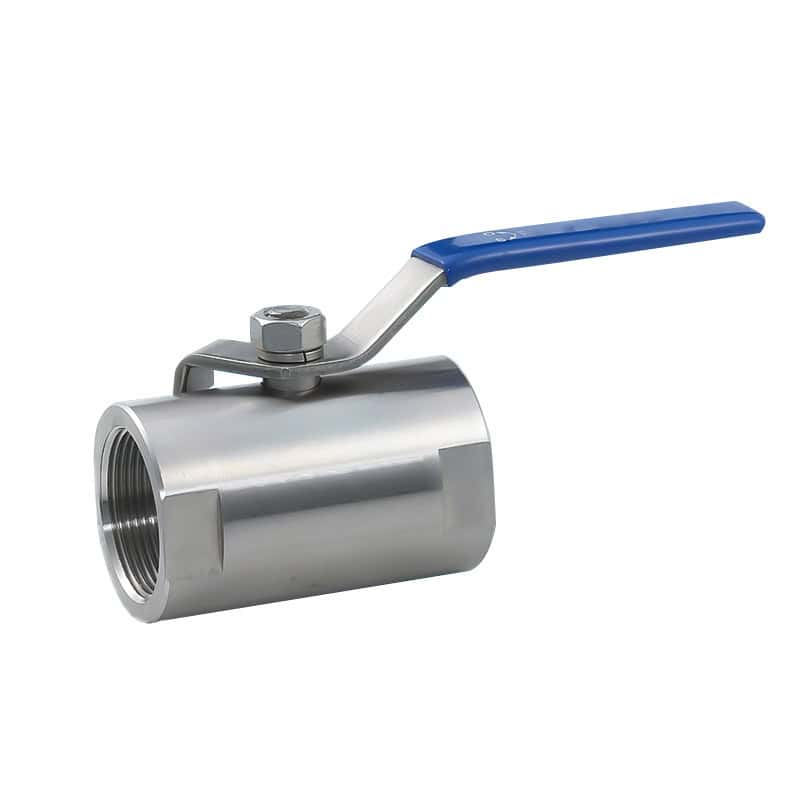
Stainless Steel Cantonese Style Ball Valve
This wide ball valve is made from stainless steel with an integrated cast body. The ball, seat, and stem are built as a complete unit. It can be used with different types of media, such as water, oil, gas, and corrosive liquids. The valve is used to shut off flow, direct the medium, or control flow within the pipeline.
Material: 304 stainless steel
Size: 1/2″-2″
Finishing: Sand-blasted
Connection: Female
1-piece ball valve
Full port
Ball/stem material: steel
Channel: Straight Through Type
Nominal pressure: 1.6-6.4 MPa
Temperature range: -20-200℃
Medium: Water, Oil, Gas
2-year warranty
FAQs of Mixing Tank Manifold
1. What is the function of the Mixing Tank Manifold?
The Plumberstar mixing tank manifold combines fluid control technology with real industrial process needs, supporting the full mixing workflow.
The system supports controlled mixing of 2 to 12 different media, including liquids and gases. A V-shaped valve core works with flow sensors to control the mixing ratio. Adjustment accuracy reaches ±1%.
Mixing ratios can be set in advance and saved. This reduces manual errors and helps keep results consistent in processes such as chemical reactions and food ingredient mixing.
2. What is the flow regulation accuracy of the Mixing Tank Manifold?
Flow regulation accuracy reaches ±1%. This is achieved through a combination of a precision-forged valve body and an inlet valve core.
The valve core uses a V-shaped opening design and works with a graduated adjustment handle, or an electric actuator if needed. This allows precise control of flow on each branch.
On some high-end models, flow sensor feedback is added to form closed-loop control. With this setup, Plumberstar’s flow accuracy meets international advanced standards.
3. What is the production flow of the mixing tank manifold?
From GalcoTV
Raw Material Selection & Incoming Quality Control (IQC)
Core raw materials include 304 / 316L stainless steel plates (thickness ≥ 2.0 mm), precision-cast stainless steel fittings, and PTFE sealing components. At the same time, plate flatness and thread accuracy of fittings are sampled and inspected. Any materials failing to meet specifications are rejected and returned immediately, eliminating potential quality risks at the source.
Precision Machining of Core Components
Tank Body Fabrication: Stainless steel plates are cut to specified dimensions using CNC plate shearing equipment. The tank body is formed through hydraulic spinning or bending, followed by seamless welding to ensure: No sand holes, No weld leakage, High structural integrity
Joint & Branch Processing
All joints are finished using CNC lathes, with thread tolerances strictly controlled in accordance with BSPP / NPT standards. The coaxiality error of branch interfaces is controlled within ≤0.05 mm. The branch distribution plate of the water separator is laser-cut, ensuring: Uniform bore diameter for each branch, Accurate and balanced flow distribution
Surface Corrosion Protection & Refinement
We do passivation treatment for 304 stainless steel products based on customer requirements. We can optionally apply anti-corrosion coating for 316L stainless steel products. This boosts corrosion resistance. The salt spray test performance can reach ≥480 hours. We do electrolytic polishing on the tank interior. This makes the inner surface roughness Ra ≤0.8 μm.
4. What customization needs does the mixing tank manifold support?
As a professional manufacturer, Plumberstar offers full customization services. We cover all key aspects: structure, material, sealing, and appearance.
Structural customization: We support custom pipe diameters, branch counts, and branch angles. We can also match all kinds of interface types based on your system needs. This makes sure the tank fits your on-site piping system perfectly.
Material customization: Choose between 304 or 316L stainless steel.
Sealing customization: We offer sealing solutions like fluororubber (FKM) or polytetrafluoroethylene (PTFE).
Appearance and logo customization. The tank surface can be spray-painted with anti-corrosion paint in your required color, like industrial gray, blue, and more. We also support laser engraving on the tank: your brand logo, product model, rated pressure, temperature parameter, and other info are all available. This boosts product recognition and your professional brand image.
For more details on customization or any other technical needs, feel free to contact us.
5. What are the payment terms and trade terms of the mixing tank manifold?
Plumberstar supports two common cooperation options.
The first is T/T wire transfer. A 30% advance payment is used to start production, and the remaining 70% is paid before shipment. Before delivery, finished product photos or videos are provided for inspection. Once the balance is confirmed and received, the factory arranges shipment within 48 hours.
The second option is an L/C at sight. Sight letters of credit issued by major international banks are accepted. All L/C terms are discussed and confirmed before the contract is signed. Production is arranged after the L/C is received, which helps protect funds for both sides.
6. Can the packaging of the mixing tank manifold be customized?
Plumberstar mixing tank manifolds support full packaging customization for different use cases and transport conditions.
Basic protective packaging
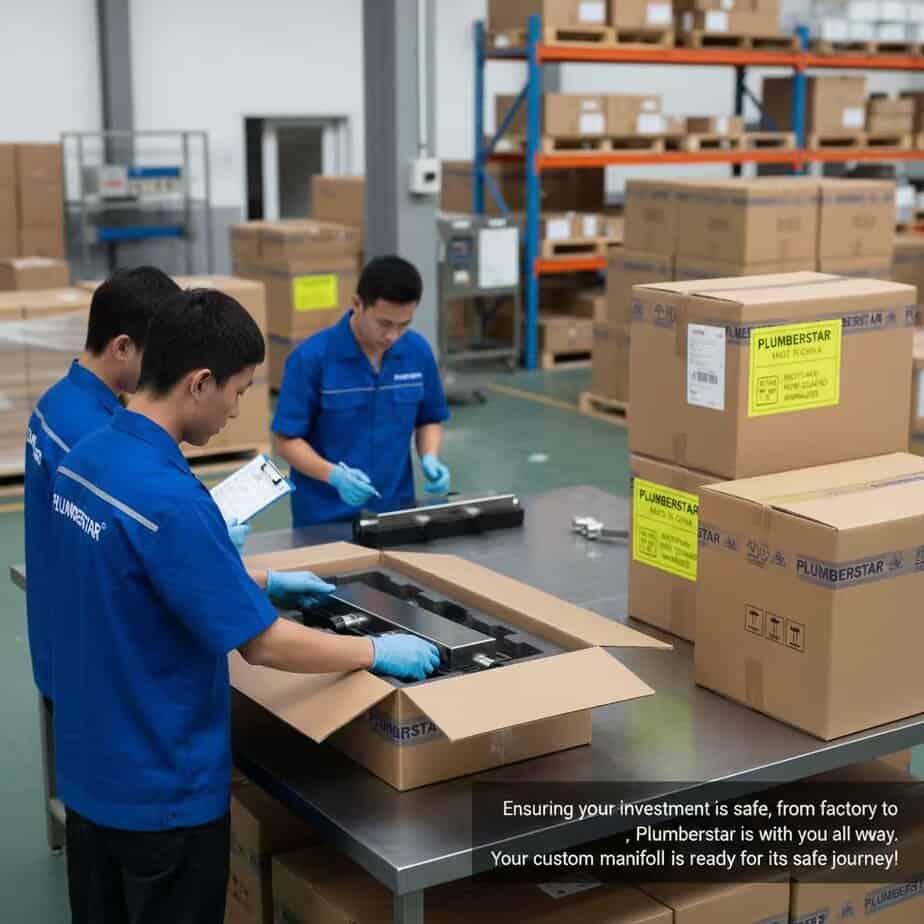
Each unit is packed in an individual PE sealed bag. This helps prevent surface scratches and valve body damage during transport.
A five-layer corrugated carton is used. Carton size can be adjusted to match the product dimensions.
Export reinforced packaging
For sea freight and long-distance transport, custom plywood crates are available. These meet ISTA transport standards and export quarantine requirements.
Inside the wooden box, bubble film and cushioning cotton provide double-layer protection. Corners are reinforced to reduce impact damage. With this setup, transport damage rates are kept below 0.1%.
Fumigation marks, moisture warnings, and rain marks can be printed on the crates to meet customs requirements at global ports.
Branded custom packaging
Packaging design can include the customer’s logo, product model, pressure and temperature ratings, and company slogan. Color printing is supported, along with custom color schemes such as industrial gray or brand-specific colors, which helps improve brand recognition.
For higher-end needs, upgraded materials like matte-coated cartons or textured cardboard can be selected. Blister packaging or color gift boxes are also available for retail or display use.
7. How to track the production progress of mixing tank mainfold batch orders?
Within three working days after the contract is signed, a clear production schedule is provided. Each key step is listed with its planned time.
During production, progress is updated twice a week. This includes workshop photos or videos, so the status is easy to check. For important milestones, a dedicated contact person will give timely notice.
Remote video inspection is supported for quality checks. After shipment, full logistics tracking information is shared. The Plumberstar foreign trade team follows the order from start to finish to make sure delivery stays on schedule.
8. How do you ensure consistency for mixing tank manifold large batch orders?
For large-volume orders, Plumberstar uses a fixed-source raw material system with full batch traceability. Long-term supply agreements are in place with selected suppliers for key materials such as 304 and 316 stainless steel sheets, brass ingots, and PTFE seals. Because of this, all materials used in the same order batch come from the same source.
Before materials are put into storage, they are fully tested. Spectrometers, salt spray testers, and other professional equipment are used to check composition and corrosion resistance. Only materials that meet all order requirements, with 100% compliance, are approved for production.
9. How is the mixing tank manifold production capacity?
Plumberstar works with core raw material suppliers under long-term agreements. These cover 304 and 316 stainless steel, brass ingots, seals, and other key items. Fixed supply volumes are secured in advance.
At the same time, a safety stock of 45 to 60 days is always kept for major materials. This helps avoid production stoppages caused by supply shortages.