

|
| Combined Stem Cutter Assembly Check Air Valve This valve is for heating and water pipe use. It has a cutter inside. The cutter helps deal with small dirt or broken parts in the pipe. The valve also keeps water from going back and lets air out when air builds up. This helps water move in the right direction. It also helps protect pipes and other parts. With this valve in the system, water flows better, problems happen less often, and the system is easier to run and maintain over time.
|
|
| Brass Check Valve With Plastic Filter This brass check valve is used in water pipe systems. It has a plastic filter inside at the inlet side. The valve body is made of brass and is used for normal water pressure. Water flows in one direction only. It does not go back. The plastic filter helps stop dirt, rust, sand, and small particles in the water. This helps keep the pipe cleaner and reduces trouble during daily use of the system.
|
|
| Brass Swing Type One-way Check Valve This brass swing-type check valve is used in water pipe systems. It works by water pressure only. When water flows forward, the disc inside swings open. When the flow stops or tries to go back, the disc swings closed. Water can only move in one direction. This helps stop backflow in the system. It also helps avoid pump problems, damage to equipment, and pressure issues. With this valve installed, the system runs more stably during daily use.
|
|
| Plastic Basket Pedal Spring Check Valve This plastic basket pedal spring check valve is used in drainage and low-pressure wastewater systems. It is common in civil buildings and light industrial use. The valve is opened and closed by a pedal from the outside. Inside, there is a basket filter. The filter helps catch solid waste and debris in the water. A spring helps the valve return after use. This helps stop sewage from flowing back, reduces blockage, and keeps the pipe system cleaner during daily operation.
|
|
| Pedal Check Valve With Strainer This pedal check valve comes with a filter screen at the inlet. The valve is opened and closed by stepping on the pedal from the outside. After release, it returns by itself. It is mainly used in low-pressure systems such as civil drainage, kitchen and toilet sewage lines, and light industrial wastewater pipes. The filter screen helps catch hair, food waste, and other solid particles in the sewage. This helps reduce blockage and keeps the drainage system working normally during daily use.
|
|
| Foot Valve With Backflow Prevention A foot valve is installed in the pump suction pipe at the bottom. Water runs in one direction. Pump opening and closing will cause changes in water pressure; the valve will automatically open and close, which helps to avoid dry operation of the pump. There’s a filter at the entrance. This filter filters out sand and small debris. This valve is used in water supply, irrigation, and similar pumping systems.
|


1. How does the mixing tank for the heating system work?
From HEAT EXCHANGE AND TRANSFER, INC.
2. What is the difference between a heating mixing tank and an ordinary mixing tank?
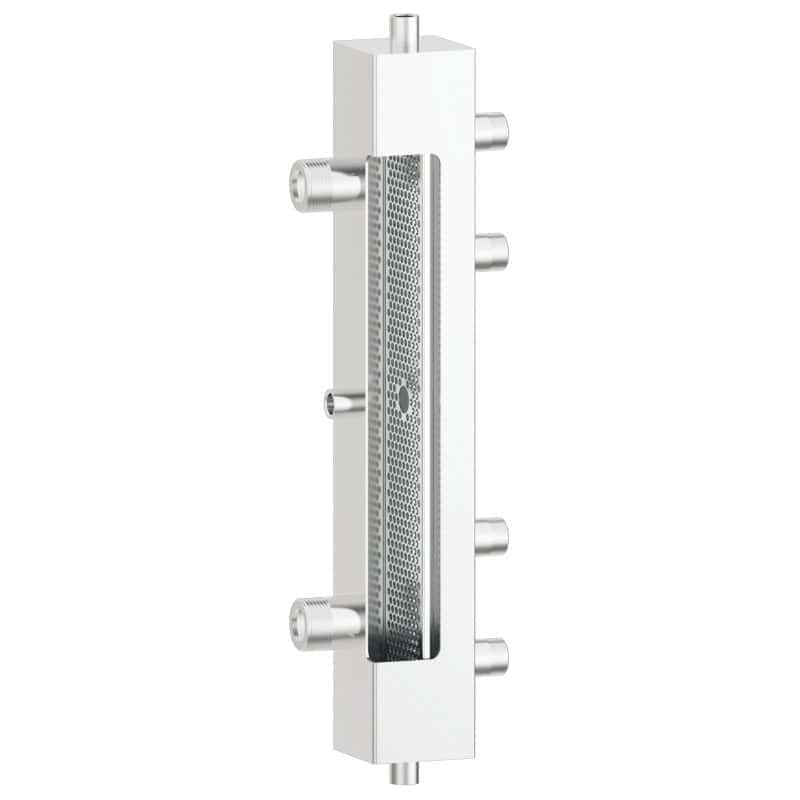
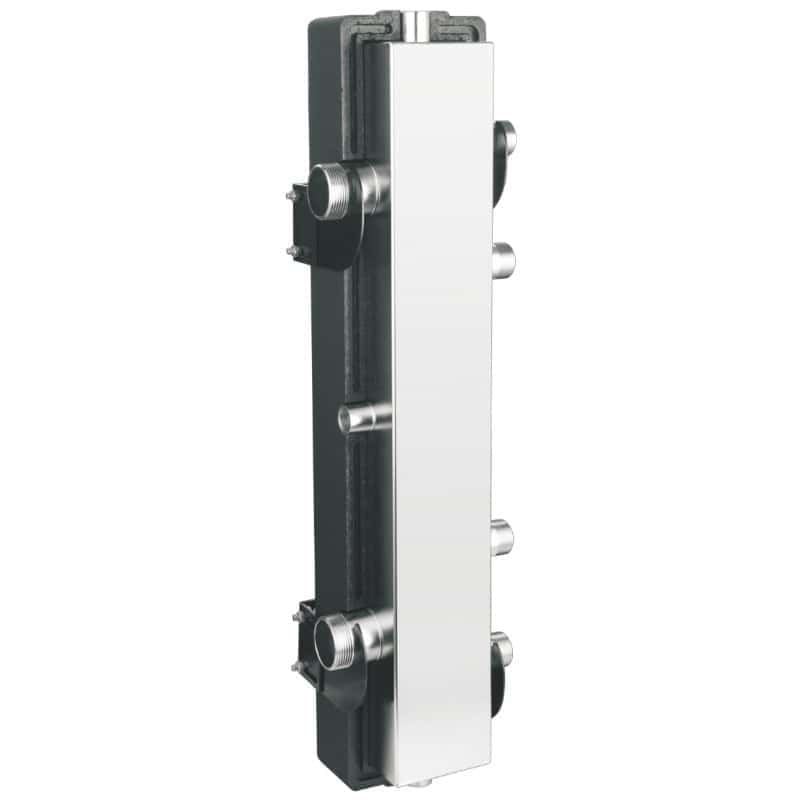
The Heating Mixing Tank is a key component made just for heating systems. In any heating system, steady water temperature directly affects how efficiently the system runs and how comfortable it is to use.
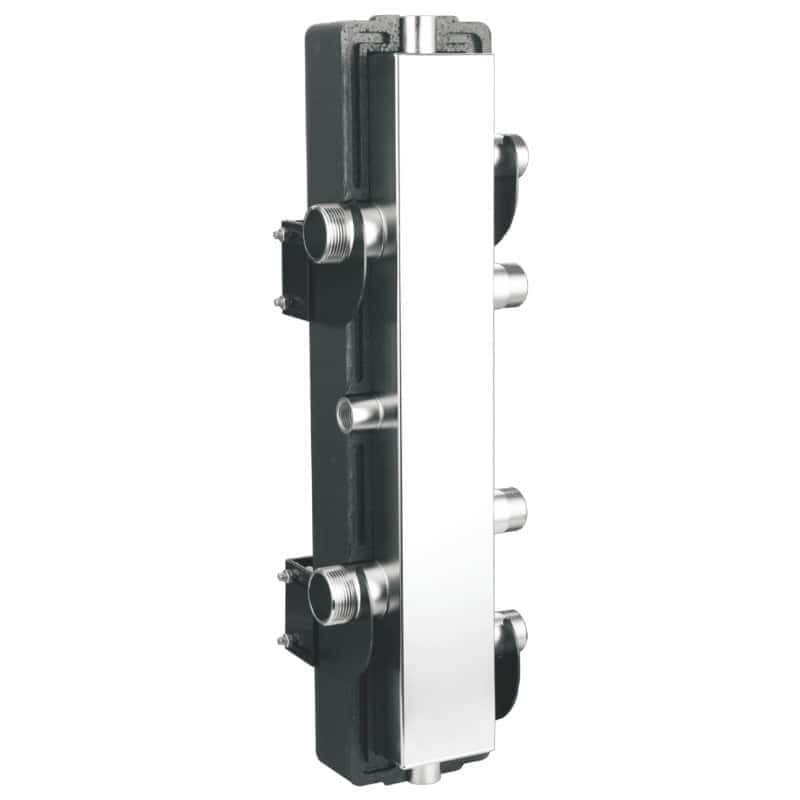
The Heating Mixing Tank fully blends the high-temperature hot water from the boiler with the low-temperature return water in the system loop. It then sends water with a much more stable temperature back into the heating system. The insulation layer on the outside of the tank cuts down heat loss effectively, lowering the system’s overall heat consumption.
The General Mixing Tank is designed for an entirely different purpose. Its focus is on mixing efficiency and stirring effect—not on controlling water temperature, managing heat, or balancing the system’s hydraulics.
3. Are mixing tanks pressure tested before shipment?
Every Plumberstar Mixing Tank goes through a 100% full-pressure test before leaving the factory. This makes sure the product runs stably for the long haul under real working conditions.
We use clean water as the test medium. The test pressure is 1.5 times the tank’s rated working pressure, and we hold it for at least 30 minutes. During the test, our quality inspectors check the tank’s welds, flange connections, water inlets and outlets, manholes, and all sealed parts in real time.
The whole pressure test process is fully recorded. The records include test pressure, pressure holding time, test results, inspectors, inspection date, and other key details, and a formal pressure test report is made. Each report is paired one-to-one with the product number and archived forever. You can request the pressure test report for any batch or individual product as needed—it’s an important basis for equipment acceptance and later operation and maintenance.
4. Can large mixing tank orders support batch delivery?
We offer split shipment solutions for bulk orders. At the order confirmation stage, the total ordered volume, quantity for each partial shipment, and agreed delivery dates will be defined according to your requirements and incorporated into our formal production schedule. For long-term project orders, our factory develops raw material procurement plans ahead of time. We allocate core raw materials based on total order demand and stage material preparation following production progress, to sustain uninterrupted manufacturing for each batch.
We carry out strict quality checks on every batch after production finishes. Pressure-bearing products, such as valves and hydraulic separators, all go through full hydraulic leak testing. Every single unit is inspected before shipment. We prepare matching batch inspection reports, packing lists, and traceability files for each delivery. If you want third-party inspection, we can arrange full checks or sample testing for each shipment, following your project requirements.
All production records, test results, and shipping documents are stored separately. We keep these files for at least 24 months. If you need to change delivery schedules, please inform us no later than 5 working days ahead. Our team will coordinate adjustments. We consider ongoing production workload, raw material stock, and order priority.

5. Can the inlet and outlet directions of the mixing tank be customized?
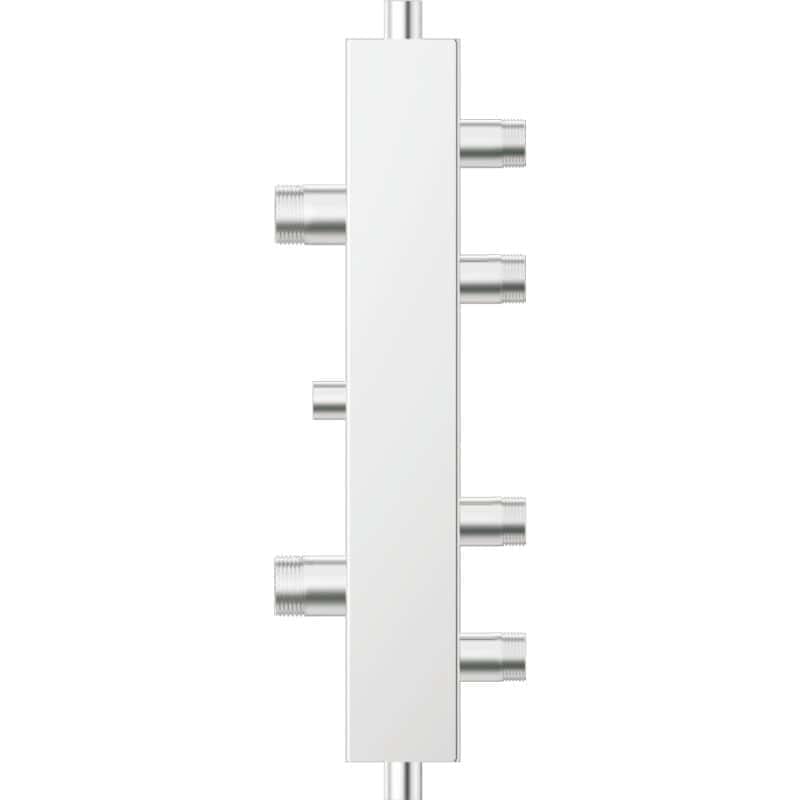
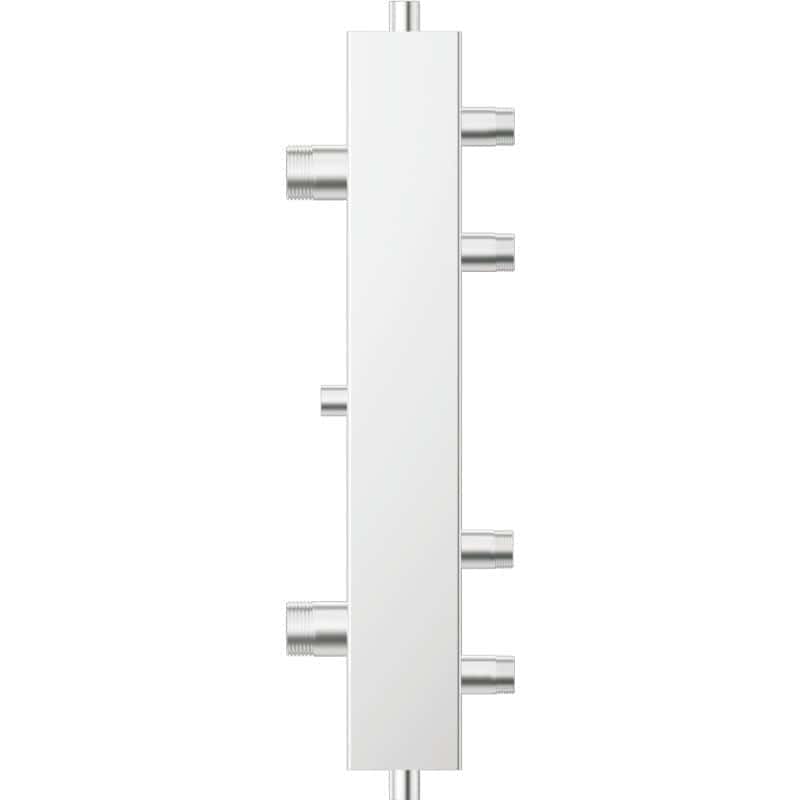
Plumberstar is a factory that makes custom valves. We can easily change where the heating mixing tank’s water in and out ports sit to fit your project. It works well with different pipe setups and installation spots on-site. To make the tank fit your system correctly, you need to send us clear system drawings when you place your order, or just clearly show where the inlets and outlets go and their sizes. We can set these ports any way you want, on the same side, opposite sides, or straight up and down.
These adjustments are simple to make. We just change the tank’s opening positions or use custom pipe fittings. The tank’s internal mixing structure and performance parameters stay the same, with no impact on product performance at all. And we don’t charge any extra design fees for this inlet and outlet direction customization.
6. Why should distributors choose Plumberstar mixing tank solutions?
Factory Direct Pricing: No middleman markups—we offer exclusive factory prices directly to distributors. Our pricing system is fully transparent, with ample profit margins built in for your channel. We also support tiered pricing for bulk orders. Compared to other distributed products on the market with the same specs and quality, our prices have a clear competitive edge, helping you close terminal deals more easily.
Free Marketing Materials & OEM Branding Support: We provide a full set of marketing materials for free, including product brochures, technical manuals, spec sheets, and on-site installation diagrams. We also support OEM branding services for distributors—such as tank engraving and custom packaging—to help you build your own exclusive branded products, boost channel recognition, and end-customer trust.
Professional Technical Support Team, Easier Technical Sales: We have a dedicated professional technical support team to provide you with product selection guidance, technical Q&A, and installation scheme design support. When your end customers have complex working conditions or custom needs, our factory technicians can communicate with them directly. We’ll help you complete technical explanations and scheme confirmation, raising your negotiation success rate and lowering the barrier for technical sales.


