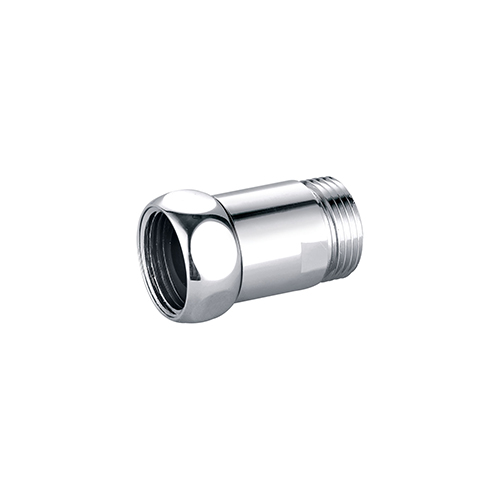
Long Brass Compression Coupling

Parameters of Long Brass Compression Coupling

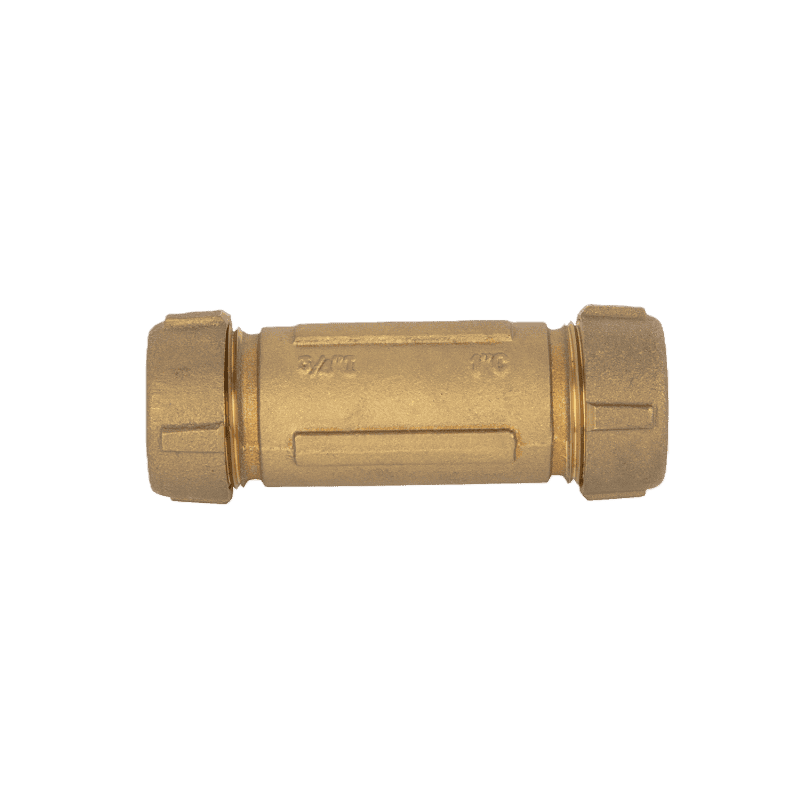
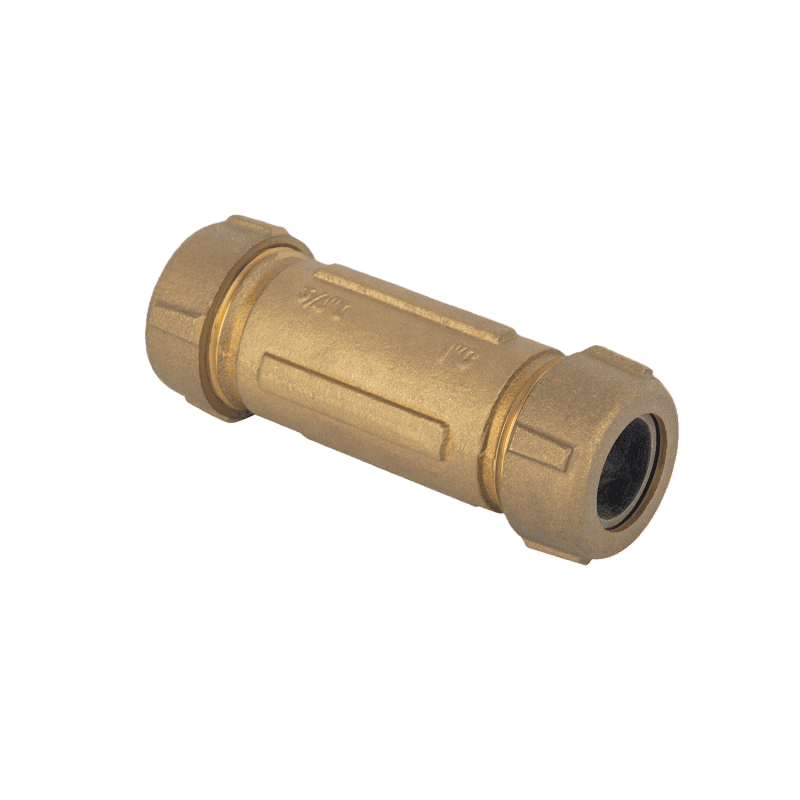
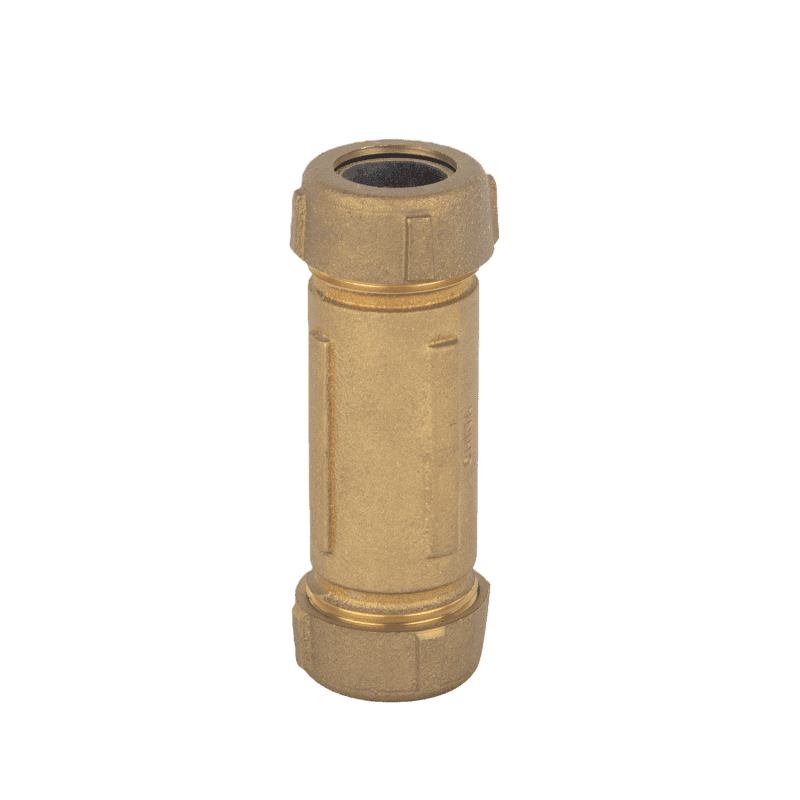
The long brass compression-type pipe joint has an elongated design. It uses a compression connection. A nut and compression sleeve lock the pipe and joint tightly together. It is suitable for copper, steel, stainless steel, and other materials of the pipeline system, to achieve a straight line connection, extension, or maintenance of the pipeline connection. This joint can align pipes in complex spaces without welding or threading.

  • Model No: JX-10079
  • Material: Heavy Duty DZR Lead Free forged Brass Construction
  • Gasket: EPDM
  • Size: 1″x 1-1/4″, 1-1/4″x 1-1/2″, 1-1/2″, 3/8″x 1/2″, 3/4″x 1″
  • CTS or IPS connections
  • Pressure: 125 PSI
  • Standard: UPC&CSA
  • Temperature: 180°F
  • less than one quarter of a percent (.25%)of lead by weight
  • Connector Type: Coupling Straight
  • Thread Size: 1/2″-2″ inch FNPT
  • Types: Long type and Short type.

Additional information

Description

Straight-Through Female Joint

The straight-through female thread joint has female threads on one or both ends. Inside, the pipe path is straight, so the pipes connect without turning. It is a basic pipe connector used in factories and homes. It is used to make pipes longer, connect pipes to equipment, join branch pipes, and quickly connect or replace pipes during repair work.

  • Model No.: JX-0815
  • Material: CW602N, CW617N, CW614N
  • Finishing: Polishing and chrome-plated
  • Size: 1/2″, 3/4″
  • Temperature: -10˚C-120˚C
  • Thread connection: BSP, NPT
  • Salt Spray Test approved
  • Temperatures range from -65 to 250 °F
  • Two straight heads are provided, female and male
  • Suitable for a towel dryer
  • Working pressure: up to 10 bar
 

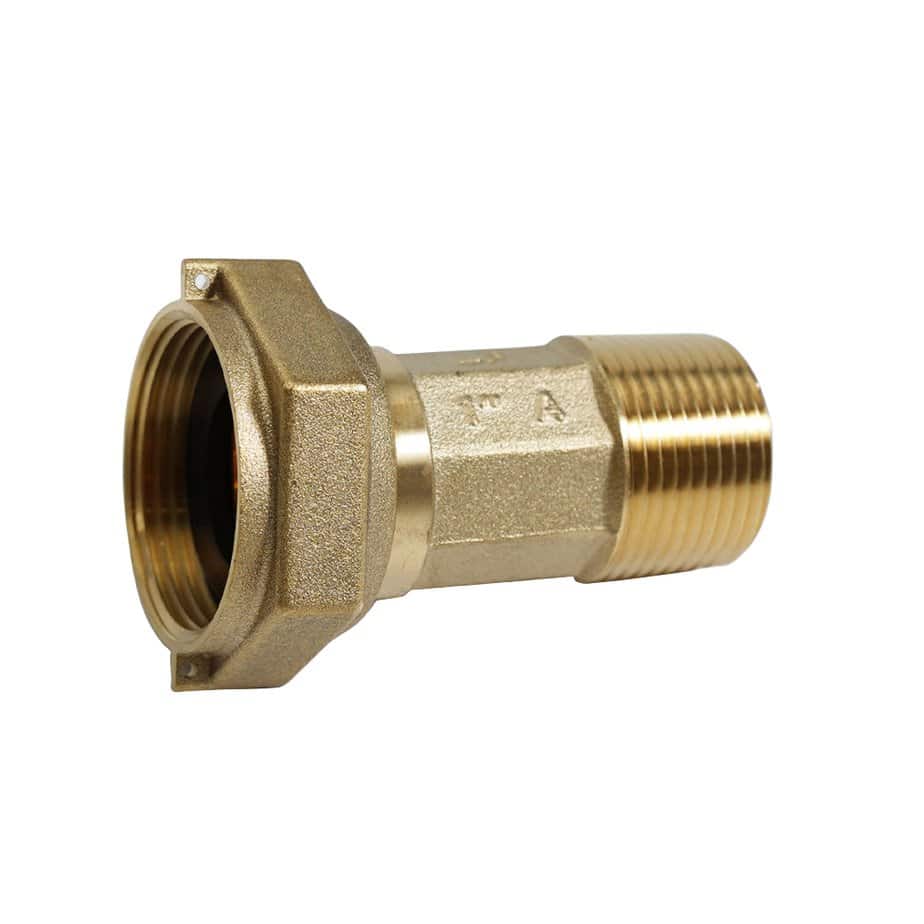
Water Meter Coupling

The water meter connector is a special part used to connect a water meter and pipes. It uses threads or a compression connection. It fits different water meter sizes and pipe sizes. Its job is to connect the water meter to the inlet and outlet pipes and keep the connection sealed. At the same time, it is easy to install and remove, which makes future checking, repair, or replacement of the water meter simple.

  • Model No.: JX-0870
  • Material: Lead-free brass
  • Finishing: Sand blasted
  • Size: 1″, 1/2″, 3/4″
  • Temperature: -10˚C-120˚C
  • Thread connection: NPT
  • Contains less than 0.25%
  • End Style: Female Hose Thread x MNPT
  • Standard: SDWA, NSF-61G, ANSI B2.1
  • Pressure: 125 PSI
  • Includes rubber meter gasket
 

Brass Sleeve Coupler

The brass sleeve coupling has a hollow sleeve as the main body. It connects two straight shafts using a key, set screw, or tight fit. It is used in machines, fluid equipment, meters, water supply and drainage systems, and industrial machines. Its job is to send power between shafts, help fix small alignment errors, and keep the equipment running straight and stable.

  • Model No.: JX-0810
  • Material: C37700, CW602N, CW617N
  • Finishing: Sand blasted
  • Contains less than 0.25% lead
  • Temperature: -10˚C-120˚C
  • Thread connection: BSP, NPT
  • Size: 1/2″-2″ and custom
  • Suitable for hull applications below the waterline
  • Thread length 80 mm
  • Max Thru Hull Thickness: 1-1/4″,1-1/2″, and 2″
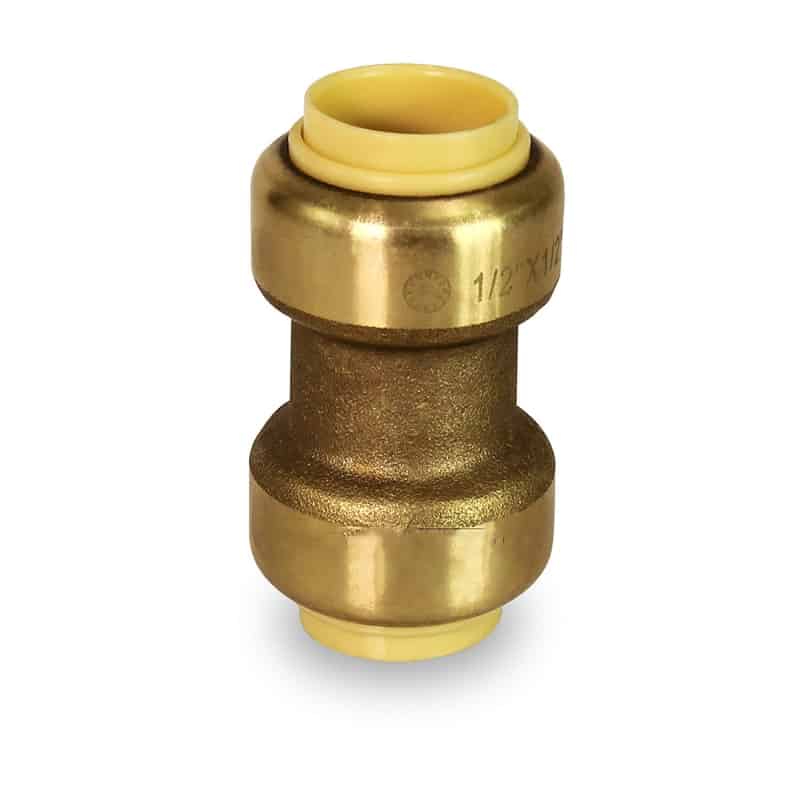
1/2 bronze gate valve Lead-Free Push-Fit Coupling

Lead-Free Push-Fit Couplings are used where water safety is very important, such as home drinking water systems, bathrooms, and water purifiers. They use a quick-plug design. You just push the pipe into the joint, and the inside claws and seals hold it tight by themselves. They work with PE, PPR, and copper pipes. People often use them for home pipe repairs, small upgrades, temporary water lines, and fast emergency fixes.

  • Model No.: JX-0842
  • Material: DZR forged Brass and LF Brass
  • Finishing: Original, Sand blasted
  • Size: 1/2″, 3/4″, 1″
  • Thread connection: NPT
  • Working pressure: 200PSI
  • Sealed with EPDM NBR O-rings
  • Max temperature: 200°F
  • All components are chloramine resistant
  • Connects PEX, CPVC, or COPPER pipe in any combination
  • Meets ASME B1.20.1, ASSE 1061, AWWA C800, ANSI/NSF-14/G
 

Push Fit Male Coupling

Lead-Free Push-Fit Couplings are used where water safety is very important, such as home drinking water systems, bathrooms, and water purifiers. They use a quick-plug design. You just push the pipe into the joint, and the inside claws and seals hold it tight by themselves. They work with PE, PPR, and copper pipes. People often use them for home pipe repairs, small upgrades, temporary water lines, and fast emergency fixes.

  • Model No.: JX-0843
  • Material: Brass, Lead-free brass
  • Finishing: Original, Sand blasted
  • Size: 1/2″, 3/4″, 1″, 1-1/4″
  • Thread connection: NPT
  • Working pressure: 200PSI
  • Any combination of copper, CPVC, or PEX pipes can be connected
  • Maximum temperature: 200°F
  • Standard: ANSI-61/NSF, ASSE 1061, cUPC
  • Medium: Water
  • Application: Quick Connect Fittings
  • Compatible with 3/4 inch and 1-inch pipes
brass elbow fitting


Push-In 90 Degree Elbow Coupling

The core of the Push-In 90 Degree Elbow Coupling is a quick-connect structure. It does not require welding, hot melting, or additional tools. Simply insert the pipes of the corresponding specifications into the ports at both ends of the joint, and the internal claws and sealing rings will automatically lock and seal. It can realize a 90-degree turn connection of the pipeline. Some models are equipped with a disassembly ring, and the pipeline can be separated by lightly pressing.

  • Model No.: JX-0845
  • Material: Lead-free DZR brass
  • Size: 1/2″x1/2″, 1″x 3/4″, 3/8″ x 3/8″
  • Fits copper tubing, CTS CPVC, and PEX
  • Style: Quick-connect fitting
  • Finish: Sandblasted
  • Max working temperature: 90℃
  • Working pressure: 200psi
  • 90-degree elbow fitting
  • Standard: ASME, ASSE
  • Medium: water
  • Installation: Push in

FAQs of Coupling

1. What is the primary function of coupling in the valve system?

Coupling is a mechanical component connecting two shafts. Its core function is to transmit torque, compensate for shaft installation deviation, buffer vibration, protect the valve and driving equipment, and ensure stable and reliable valve opening and closing action.

2. What is the difference between “rigid” and “flexible” coupling?

A rigid coupling has a simple design and can transfer strong torque, making it good for precise valve shaft alignment. A flexible coupling has elastic parts that can correct misalignment, reduce vibrations, and work well for motor-driven systems. When the pipeline vibrates, flexible couplings are usually the best choice for valve systems.

3. What parameters do I need to provide when customizing the coupling?

Customers need to provide four main details:

  1. Type, shaft diameter, and keyway size of the shaft to connect.

  2. Valve working torque, valve model, or the driving power—we can also give suggestions.

  3. Working environment, like temperature, type of fluid, vibration, or corrosion.

  4. Installation space, including limits on length and diameter.

Our engineers will use these details to choose and calculate the right coupling, making sure it fits and works properly.

4. What is the significance of the “compensation amount” parameter of the coupling?

Compensation means how much the coupling shaft can safely move or shift.

For example, if the pipeline settles or the support bracket moves during valve installation, the shafts may not line up perfectly. In that case, it is recommended to select a flexible coupling with a compensation amount ≥0.3mm to avoid clamping or damage caused by a rigid connection.

5. What materials are mainly used for plumberstar couplings?

Primarily composed of brass, carbon steel, and stainless steel materials. Brass has medium corrosion resistance and good conductivity, making it suitable for HVAC and low-pressure gas valves. Carbon steel is low-cost, high-strength, suitable for ordinary water, air, and other non-corrosive conditions. Stainless steel acid and alkali resistance, seawater corrosion resistance, suitable for chemical engineering, marine engineering, and food-grade valves.

6. What is the degree of protection of the coupling?

The normal protection level of the product is IP54, which means it keeps out dust and resists water splashes. If the area has heavy rain or spray, you can choose IP65 products. This is done by adding a sealed end cap and a waterproof ring at the connection point. If the place has dust or oil, you can add a special protective cover to make the product last longer.

7. Is it challenging to install the coupling?

Low installation difficulty, conventional models do not require special tools, and ordinary technicians can operate them. Installation steps are simple: ① Clean the end faces of the two shafts to ensure no oil stains and impurities;② Insert the coupling into the two shafts respectively, align the keyway, and fix the set screws;③ Check the concentricity;④ Lock the connecting bolts. Installation instructions with schematics are provided, and video instructions are available for complex models.

8. What problems can occur if the coaxiality deviation of the two shafts of the coupling is too large?

Excessive deviation will lead to increased vibration and noise of the coupling. Long-term use will wear down the bearing, shorten its lifespan, and may cause shaft fracture in severe cases. The radial height can be adjusted by increasing or decreasing the valve support spacer or by moving the actuator position to change the axial alignment. If the deviation is large, a flexible coupling with a larger compensation amount can be selected.

9. Does Plumberstar support OEM/ODM cooperation for the coupling?

We support OEM and ODM cooperation. For OEM, we can print customer logos and make custom packaging. For ODM, our engineers can take your ideas, design, and develop the coupling, make prototypes, and produce in batches. We provide a full service from design to delivery. A confidentiality agreement is signed first to protect your ideas and rights.

10. What standards are used for coupling packaging?

Plumberstar is packaged individually in PE bags with foam cushioning. Multiple products are packed into corrugated boxes filled with bubble wrap. The entire structure is reinforced with plywood pallets and wrapped with stretch film to prevent moisture loss and enhance resistance. Conform to sea and air packaging standards. Each shipment passed the drop test.

Recommend to Read

Get quote Now

Free Sample with OEM