
How to Fix the Gate Valve Leakage?

Gate valves are control valves that stop fluid flow entirely or let it run freely through a pipeline. A gate valve has a valve body, a gate, a seat, a stem, a gasket, and a wheel for turning the valve on and off. When the gate and seat work together, they stop fluid flow. A leaky gate valve can disrupt any system’s efficiency, performance, and environmental compliance. The impact of a leaky gate valve relies on the kind of leakage.
Difference Between Ball Valve and Gate Valve

Individuals mainly use ball and gate valves as flow control valves. These valves are critical in a lot of industry and business settings. You can find them in pumps. Some valves start and stop the flow of liquid. To prevent leaks and accidental releases, one must correctly keep them. Many valves exist, but the ball and gate valves are the most popular. The function of both valves is the same.
Their structures, on the other hand, are vastly different. That’s why you need to know the difference between the ball valve and the gate valve.
Brass Vs. Bronze Ball Valves
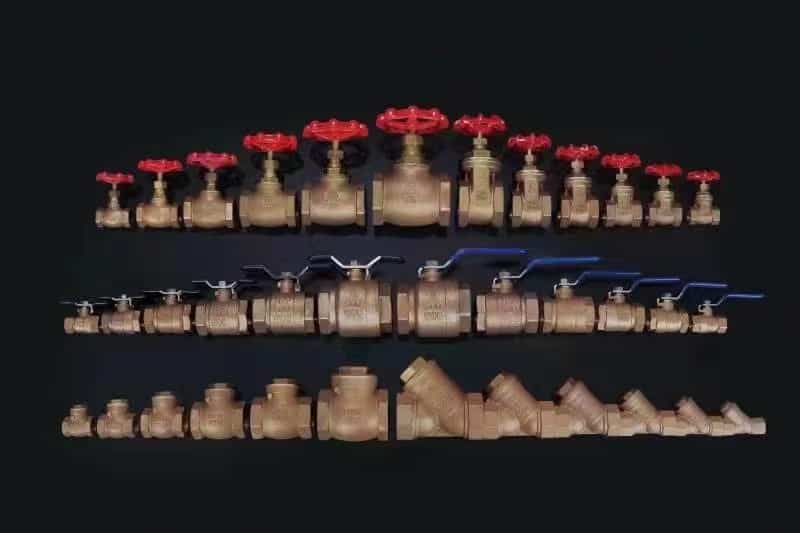
You have reached the correct location. We’ll be comparing brass and bronze ball valves in this matchup. We’ll also explore the significance of a brass ball valve manufacturer in making good-quality products.
Brass or Bronze: That is a typical question when looking for plumbing or industrial valves. Copper makes Brass valves, and bronze valves are made mostly of copper. Their unique qualities and traits make them good for various uses.
What is a Differential Pressure Manometer? A Comprehensive Guide on Different Types of Manometers.

Manometers are devices that record pressure and its changes within a system. These devices are essential in industries that deal with the force of fluids. They provide users with a quantitative measure of pressure. It can be significant to control various reactions and processes going on. Differential pressure manometers are one such efficient type of manometers. Here are the different types of manometers and their differences.
Top 11 Brass Fitting Manufacturers in the USA
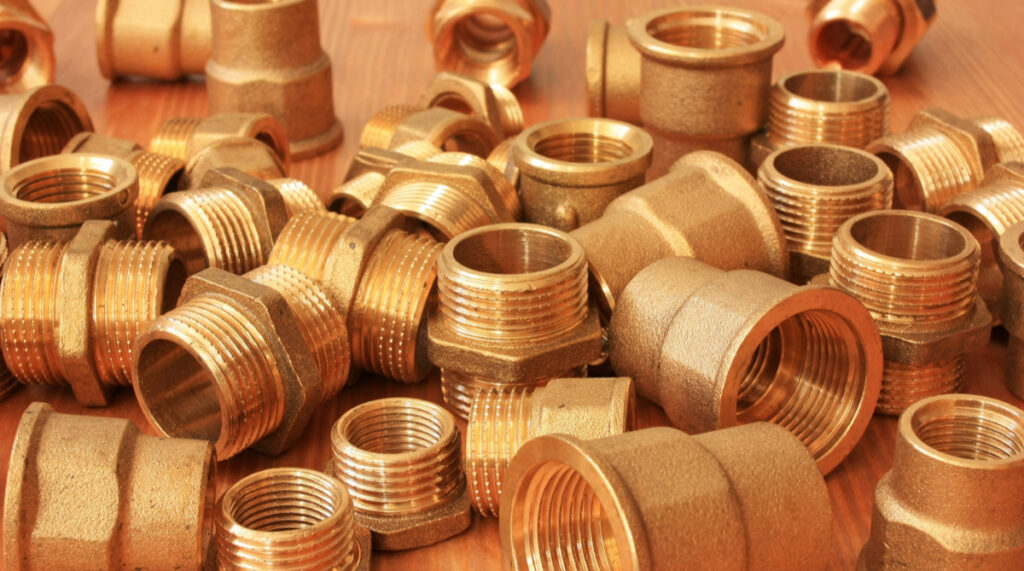
Brass fittings are significant in plumbing, and one cannot do away with them. Brass, being a resilient metal, gives extra properties to the functionality of fittings. They are more familiar with handling water due to their corrosion-resistant properties. Brass fittings are excellent for connecting metal pipelines due to their easy-to-solder nature.
Wafer vs. Lug-Style Butterfly Valves.

Wafer and lug-style are famous and efficient types of butterfly valves. Butterfly valves often apply in pipelines and are quarter-turn in operation. They are excellent for regulating industrial flow, whether solid, gas, or liquid.
Why are 2-way and 3-way Valves Necessary?

2-way and 3-way valves often have “A,” “B,” and “AB” markings on their intake and output ports. Different systems use these valves. You can use them for basic on/off tasks. You can also use them for more intricate tasks involving pumps and variable frequency drives (VFDs).
Globe Valves vs. Ball Valves

What type of valve is the finest for your application? How does one choose between various valve arrangements when there are many to consider? We’ll examine two common choices: globe valve vs ball valve.
They differ primarily in the way they close. Ball valves have gates (balls) that close across the flow, while globe valves use a plug (stem). But we can apply operating handle in both. Globe valves are better at controlling flow, whereas ball valves are better for on/off control with little pressure loss.
Isolation Valve Vs. Gate Valve: What is the Difference

An isolation valve is designed to distinguish one part of your drainage system from the rest so that water can’t flow through it. It is mainly used when you need to fix a plumbing problem but don’t want to turn off the water to the rest of your house. When you turn off the isolation valve, the water supply to the isolated part stops. This helps repairs be done without stopping the water supply to the rest of the house. Most of the time, isolation valves are used when a plumbing problem is only in one area, like a sink in the bathroom or kitchen.