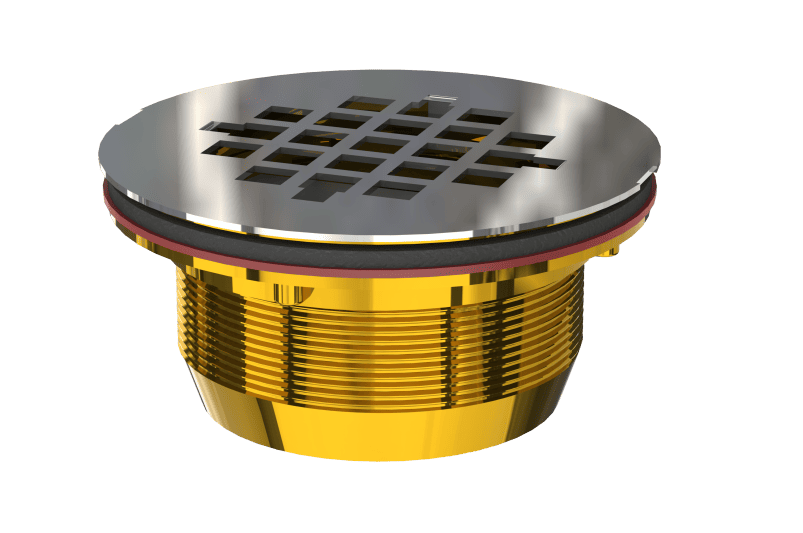
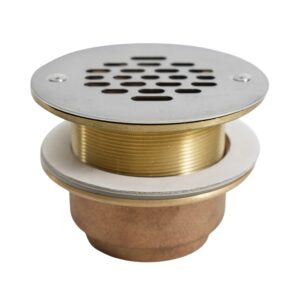
Floor trap
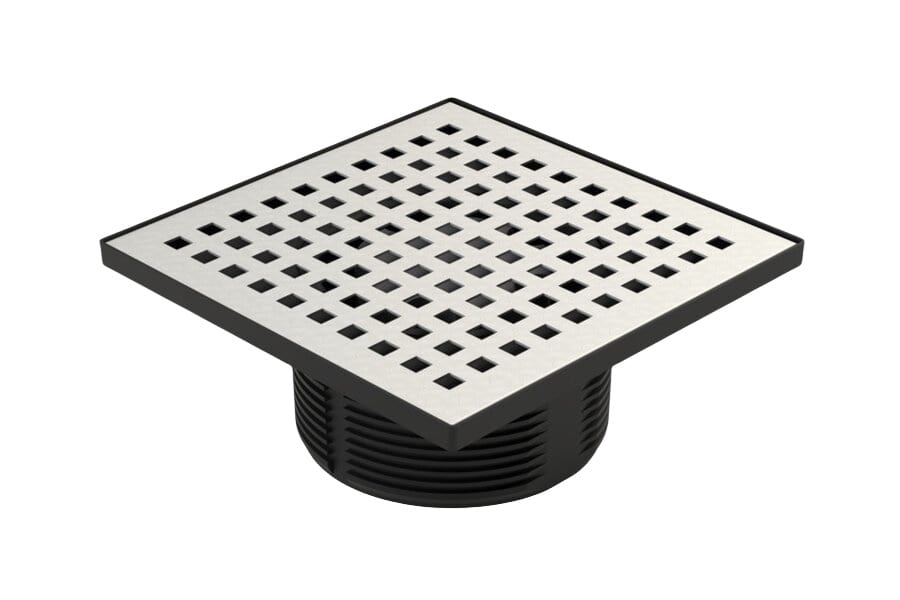
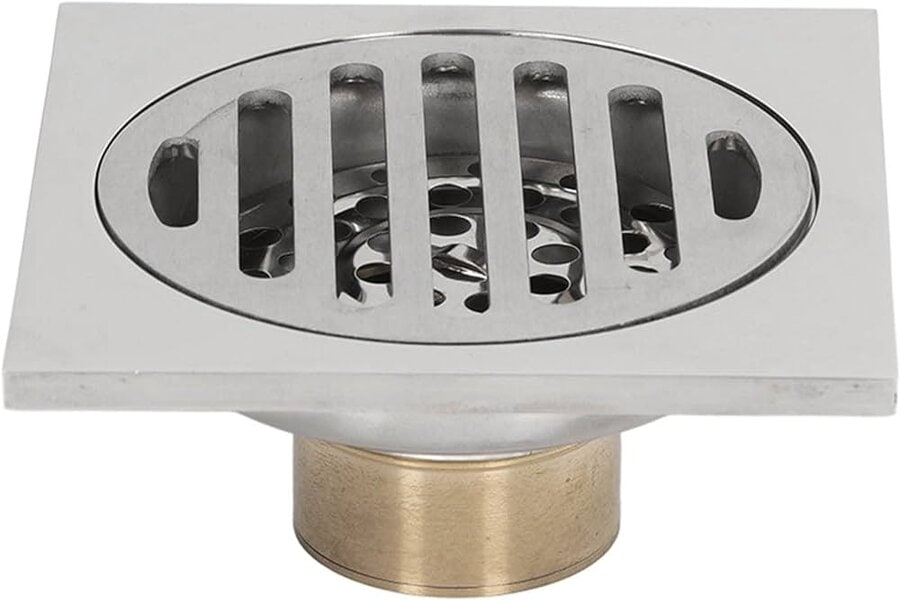
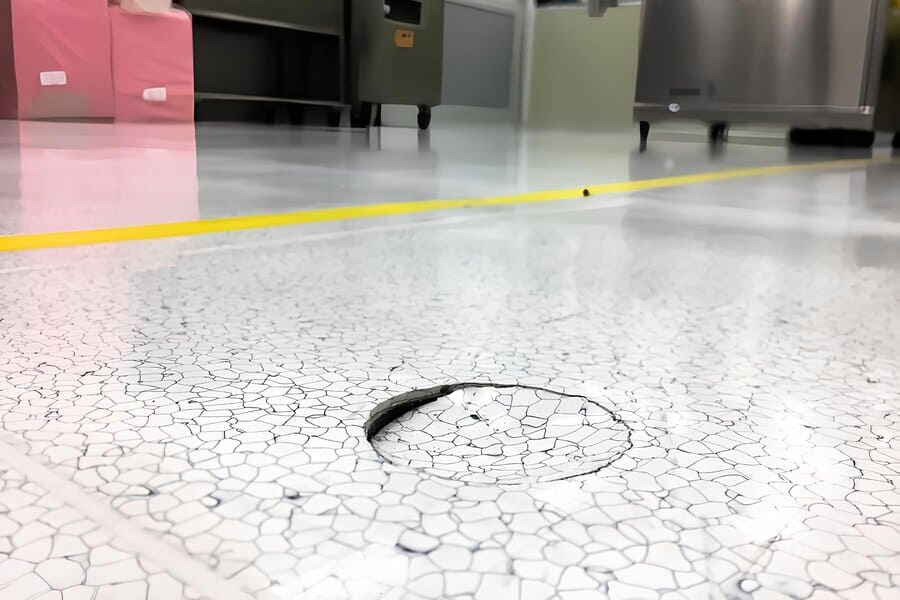
A floor trap, called a gully trap, is an underground mechanism designed to distinguish and keep solid particles or waste substances in the effluent. Impeding the passage of these obstructions into the wastewater system averts pipeline blockages. Floor traps are constructed from materials such as PVC, stainless steel, or cast iron to withstand the pressure and weight of foot traffic.
Although these devices come in many sizes and designs, P-traps and bottle traps are the most prevalent. The P-trap derives its nomenclature from its morphology, resembling the “P.” A curved segment of the device retains a minute quantity of water, thereby establishing an impenetrable barrier to impede the re-egress of wastewater vapors into the living or working environments. Bottle traps, which have a more compact design, are employed in areas with limited space.
Floor drain
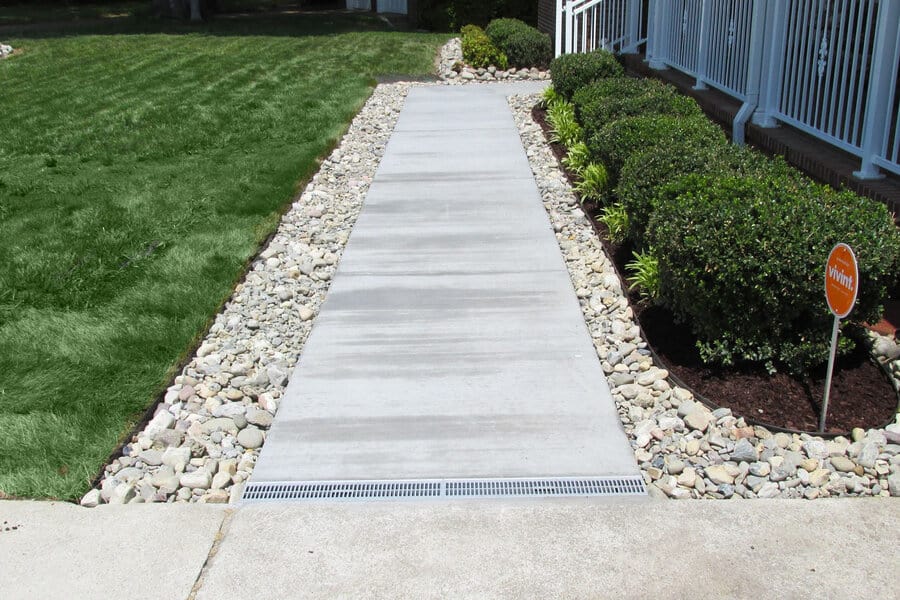
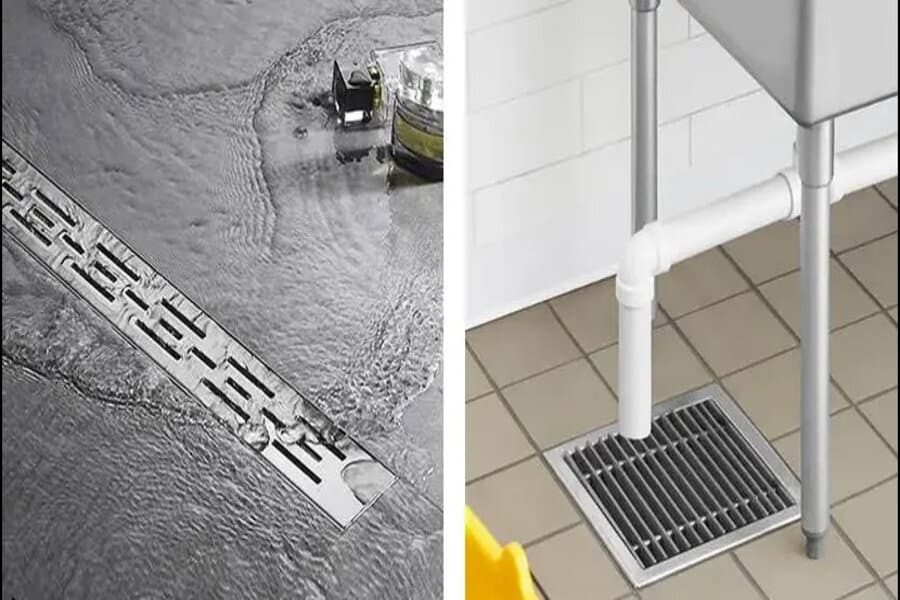
Floor drains are intended to remove water and other liquid substances from the floor surface instead of floor traps. Typical installations include restrooms, kitchens, laundry rooms, cellars, and other areas susceptible to water accumulation. Wastewater is directed to the sewer or septic system via floor drains connected to the plumbing mechanism.
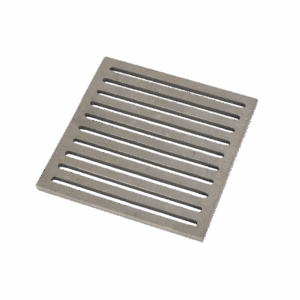
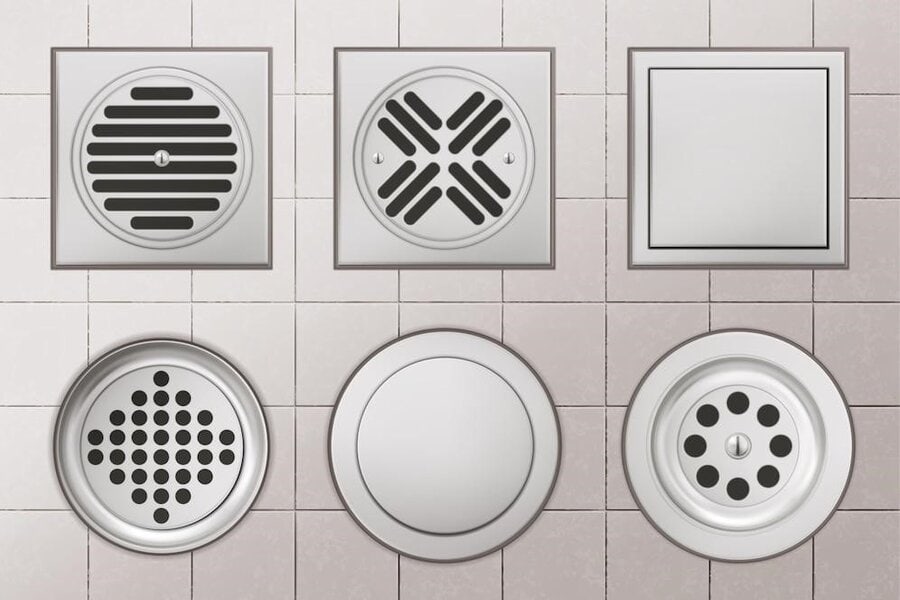
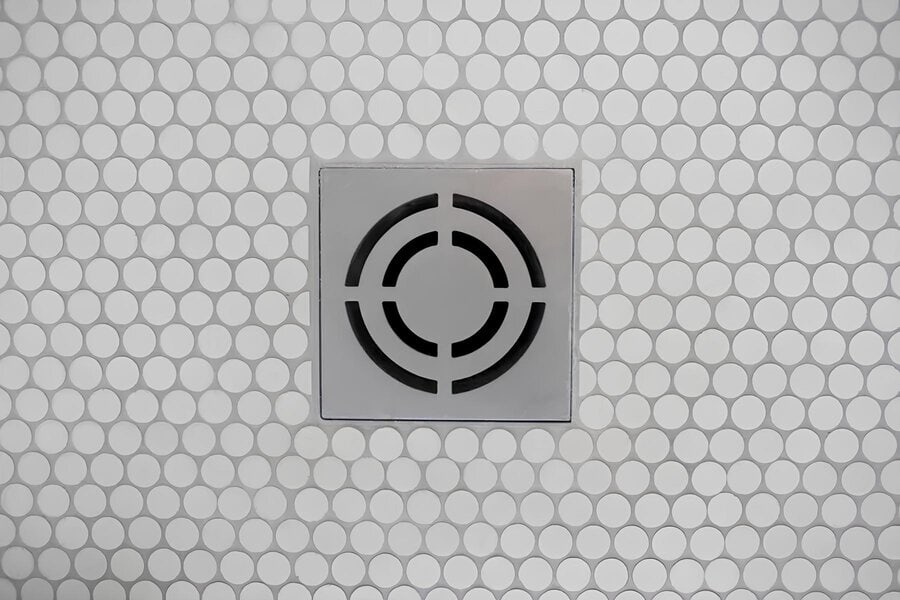
To enable water flow while impeding the entry of larger objects into the drainage system, floor drains comprise a grate or continuous cover with the floor surface. They feature a trap primer, a small apparatus designed to periodically augment the trap seal with water. This action causes the trap seal to dry and obstruct the sewer vapors’ exits.
Differences in Functionality
Solid debris trapping and prevention from entering the wastewater system is the primary function of a floor trap. A floor drain is designed to discharge liquid substances while preventing water accumulation on the floor’s surface. Although both are essential components in the management of piping systems, they operate on a dissimilar level.
Drain Vs. Trap
The purpose of each is the fundamental differentiation between a floor trap and a floor drain. The principal function of a floor trap is to ensnare solid refuse, thereby preventing its ingress into the wastewater system, where it could cause obstructions. So, a floor drain is designed to evacuate liquid substances, thereby averting water buildup and upholding a clean and dry atmosphere.
Accumulation of Water Vs. Preventing Blockages
The effect that each component has on keeping adequate drainage is a more significant distinction. The primary function of a floor trap is to avert obstructions caused by solid sediments, food particles, hair, or other objects that may tumble into the sewer by accident. Capturing these substances is a barrier, permitting only liquids to transit.