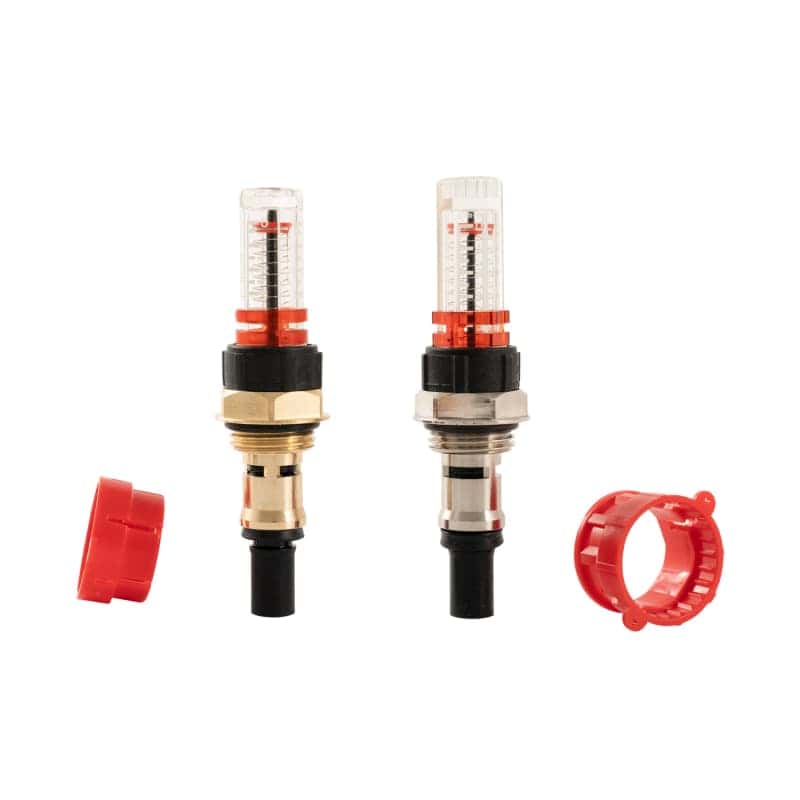
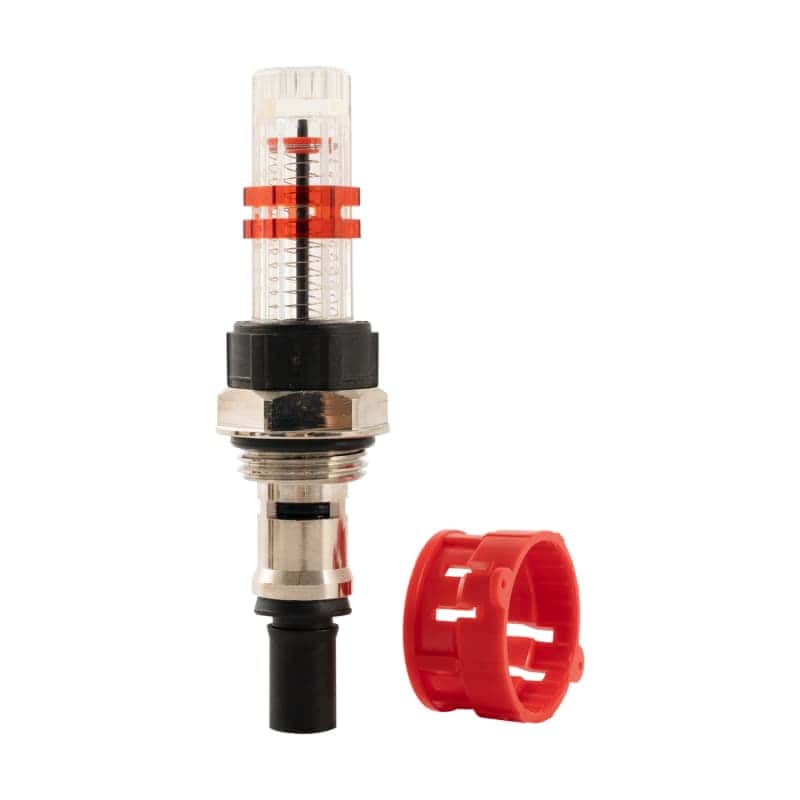
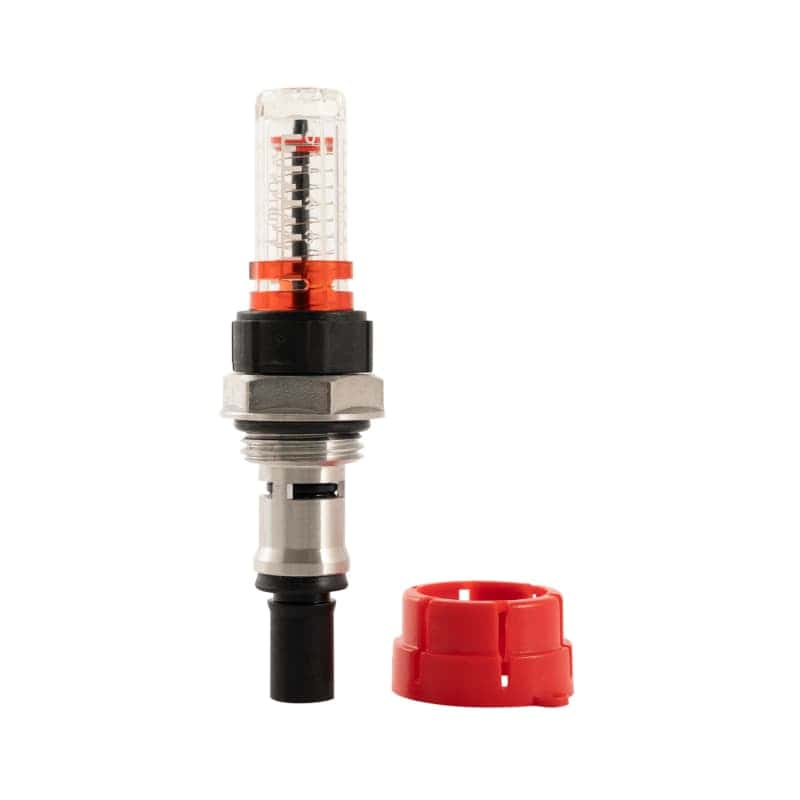
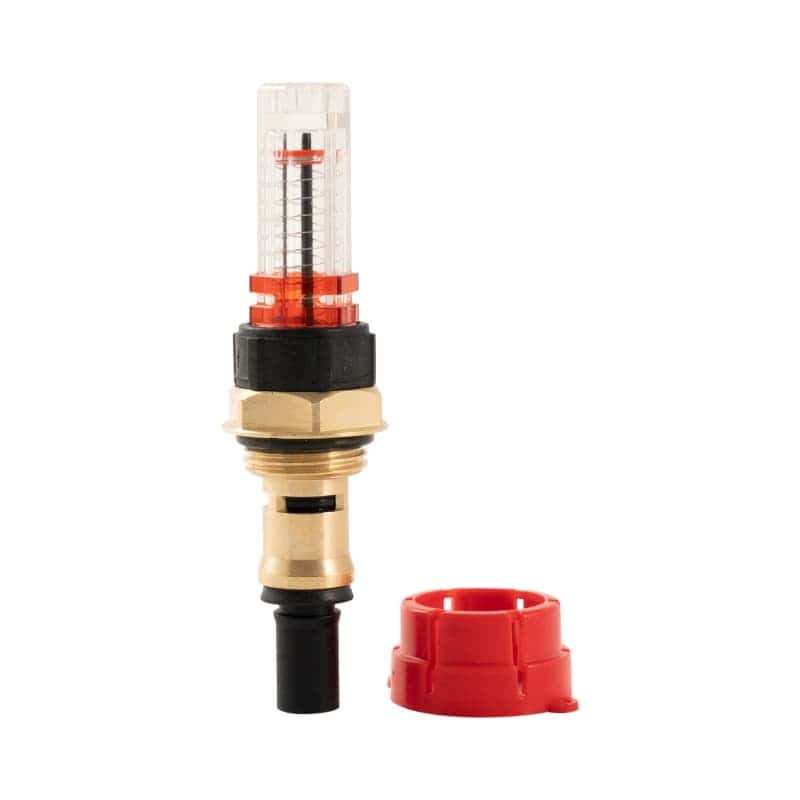
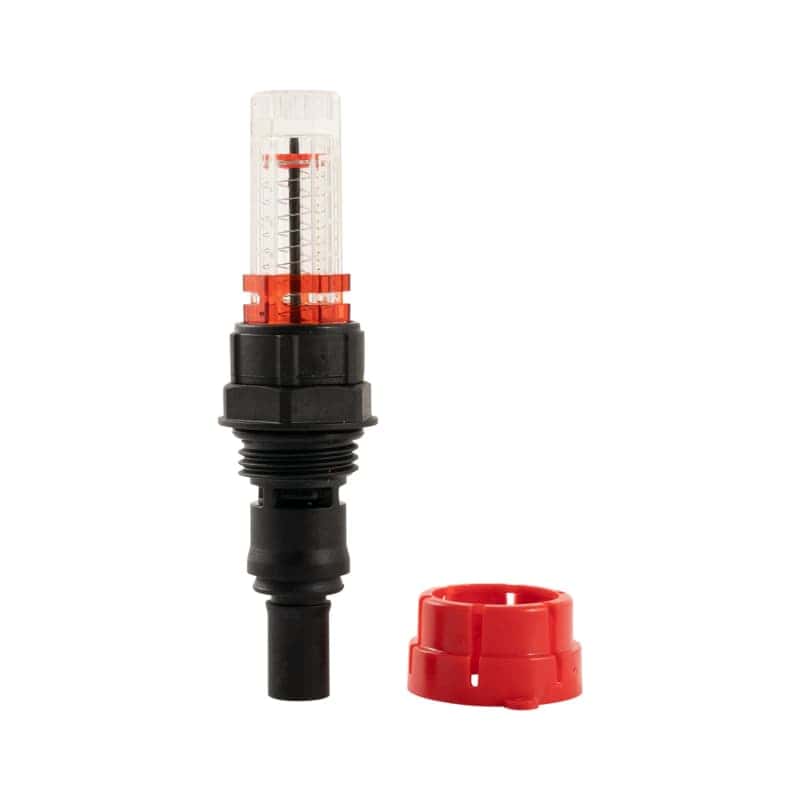
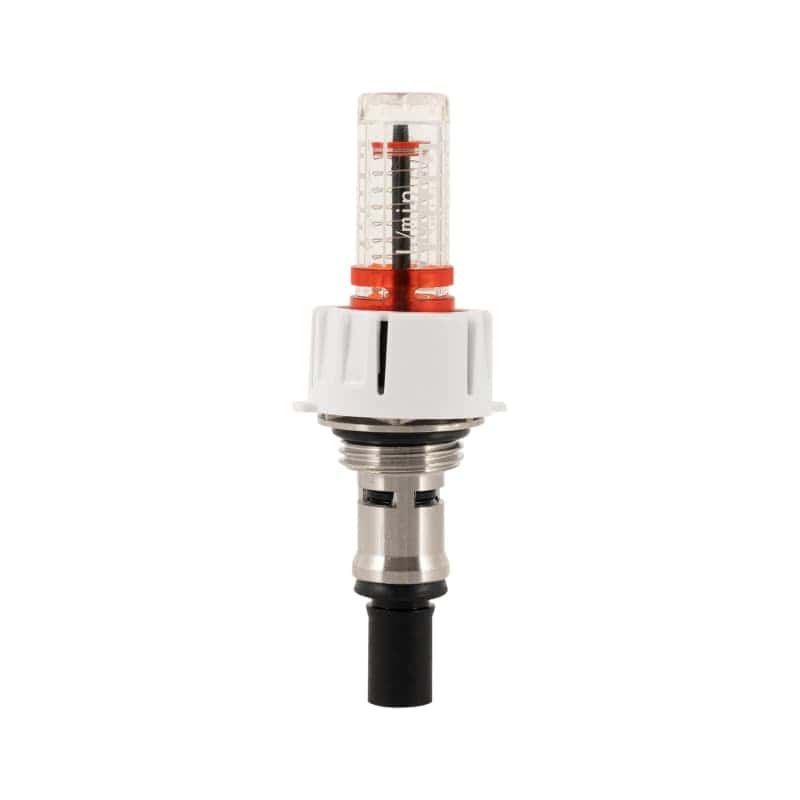
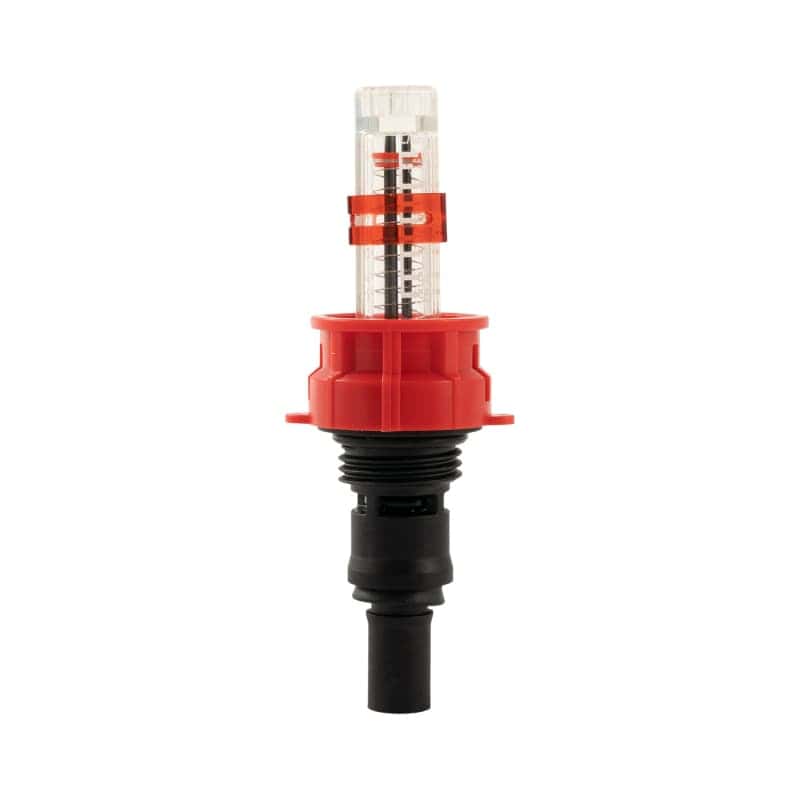
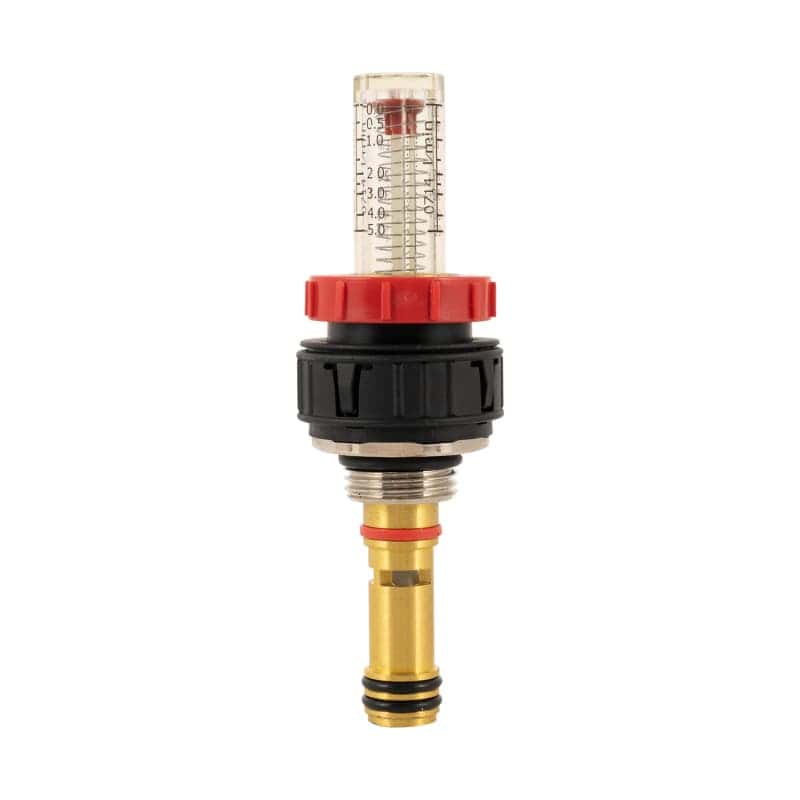
Underfloor Heating Manifold Flow Meter

Parameters of Underfloor Heating Manifold Flow Meter

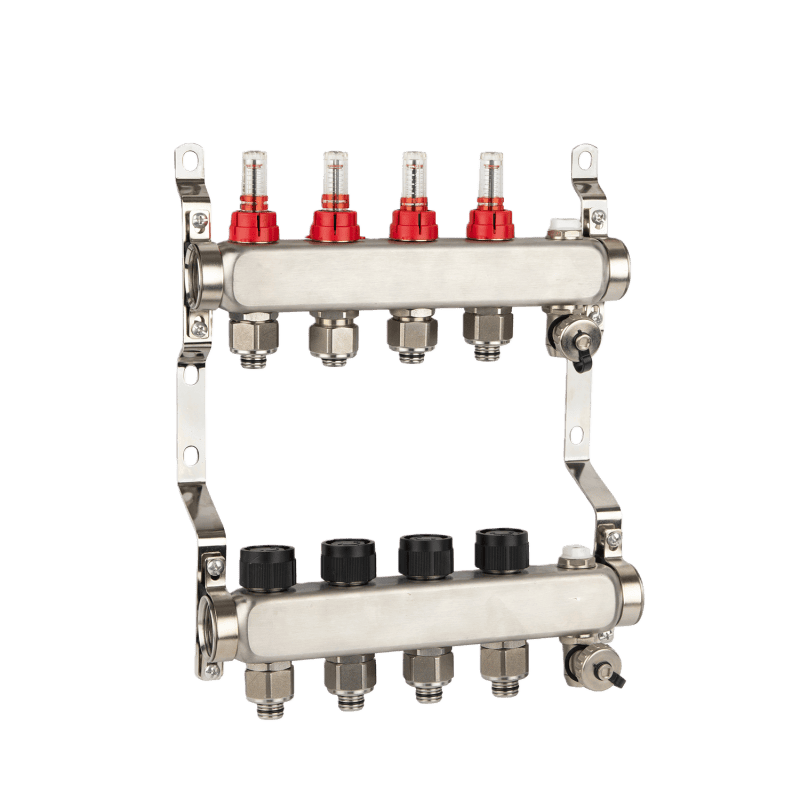
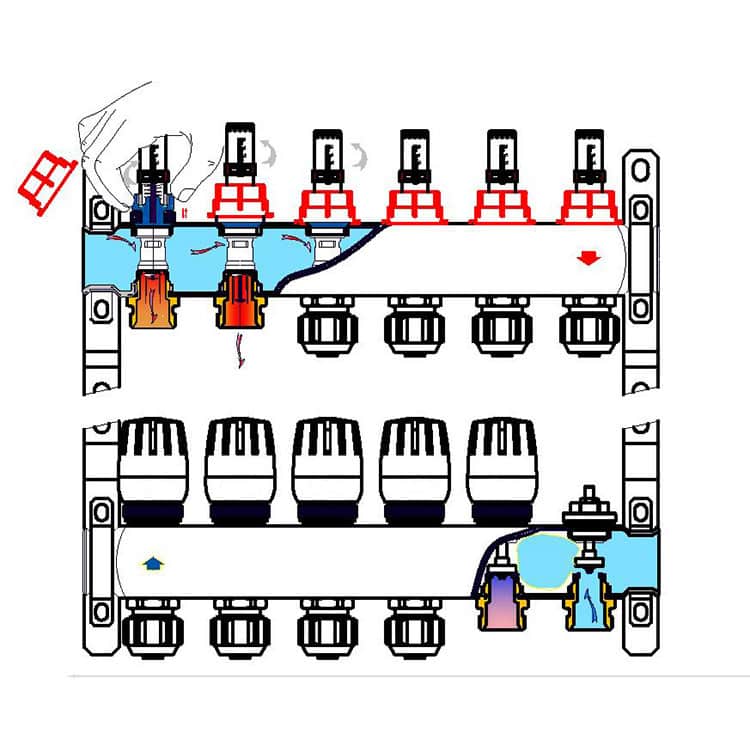
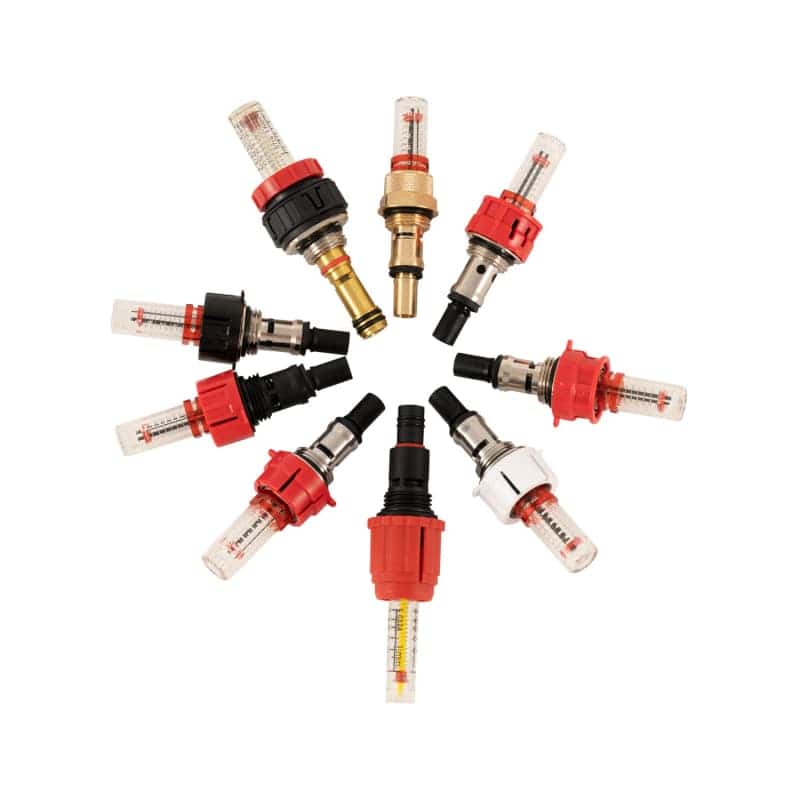
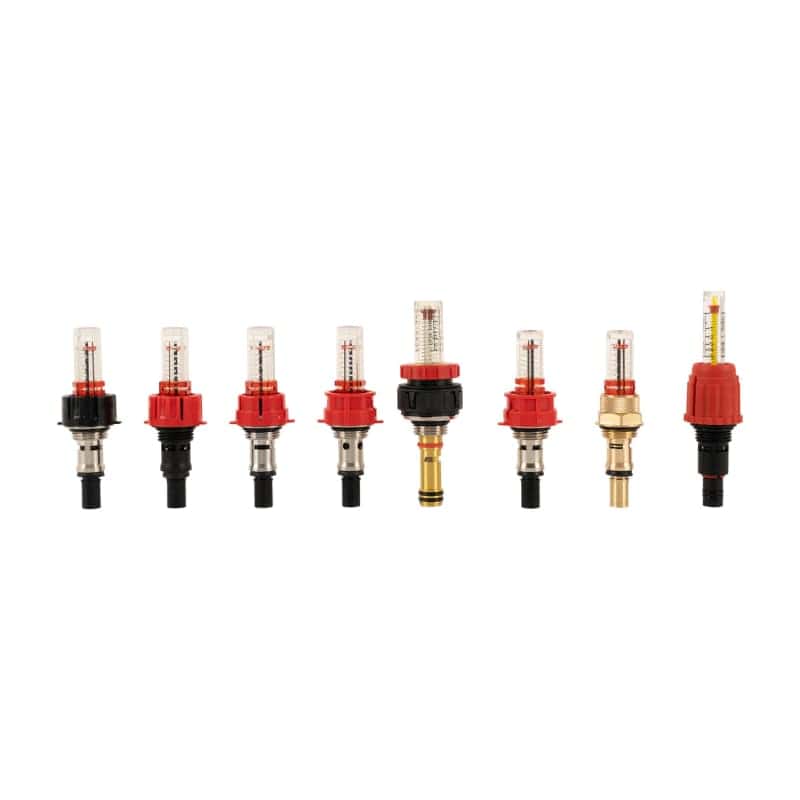
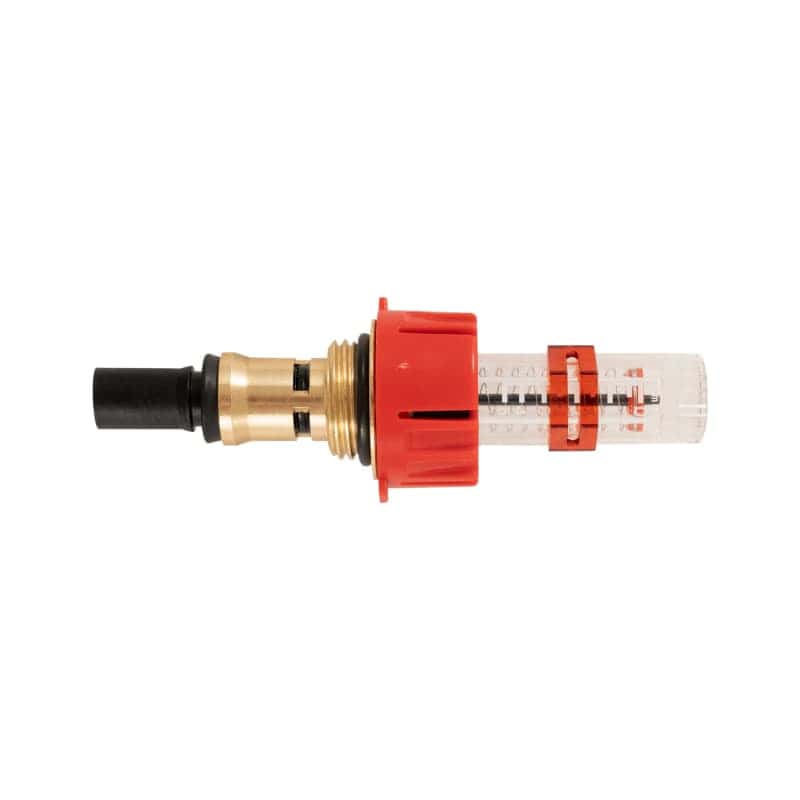
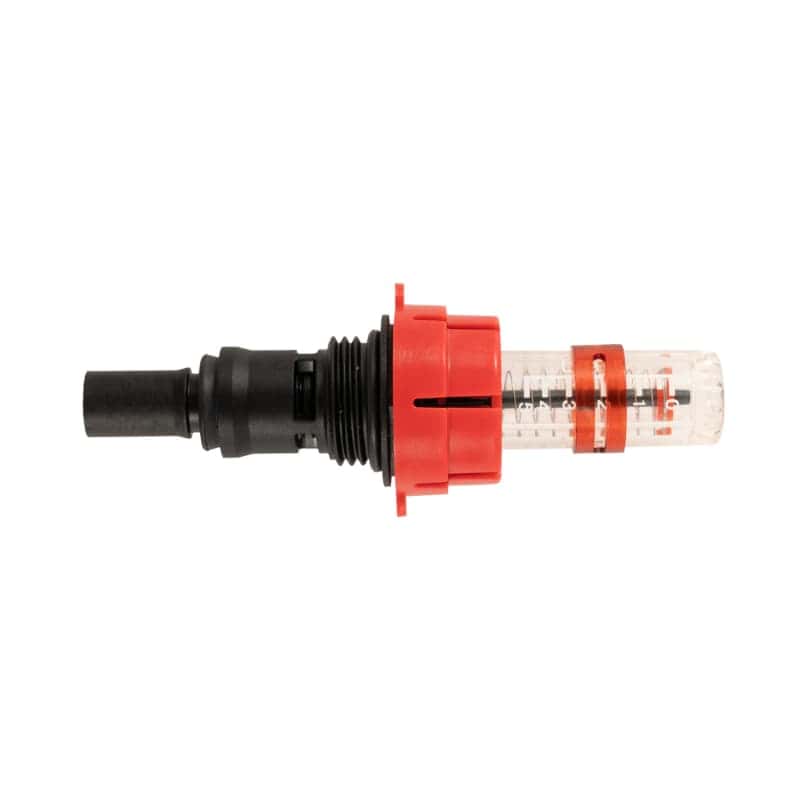
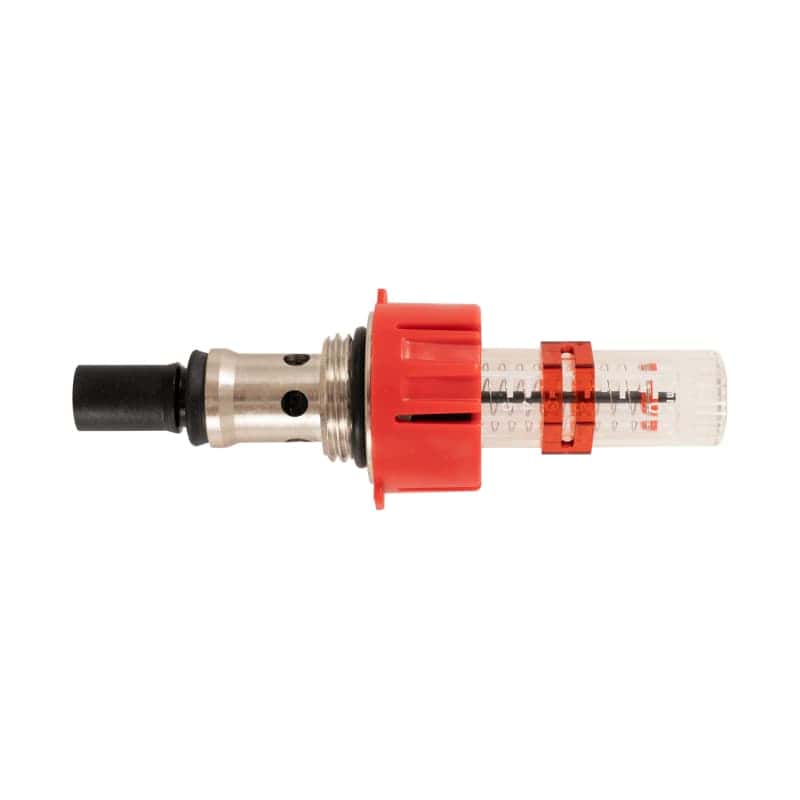
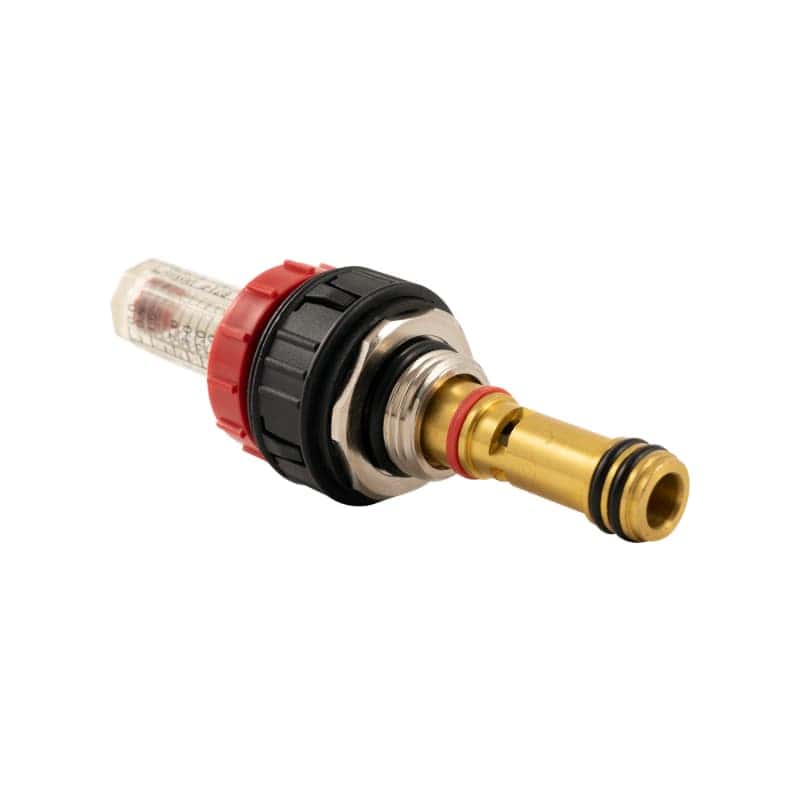
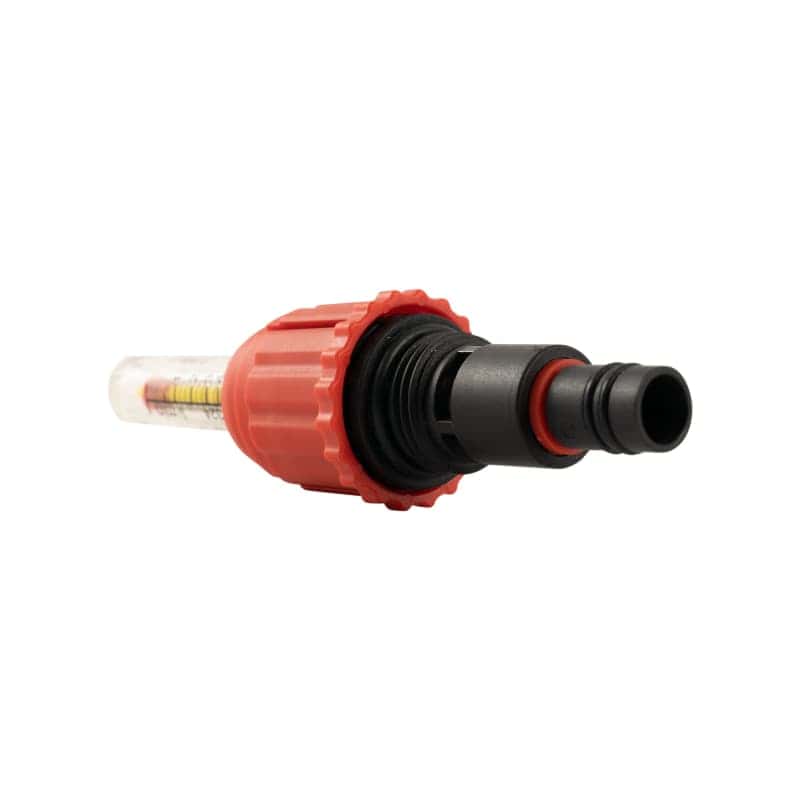
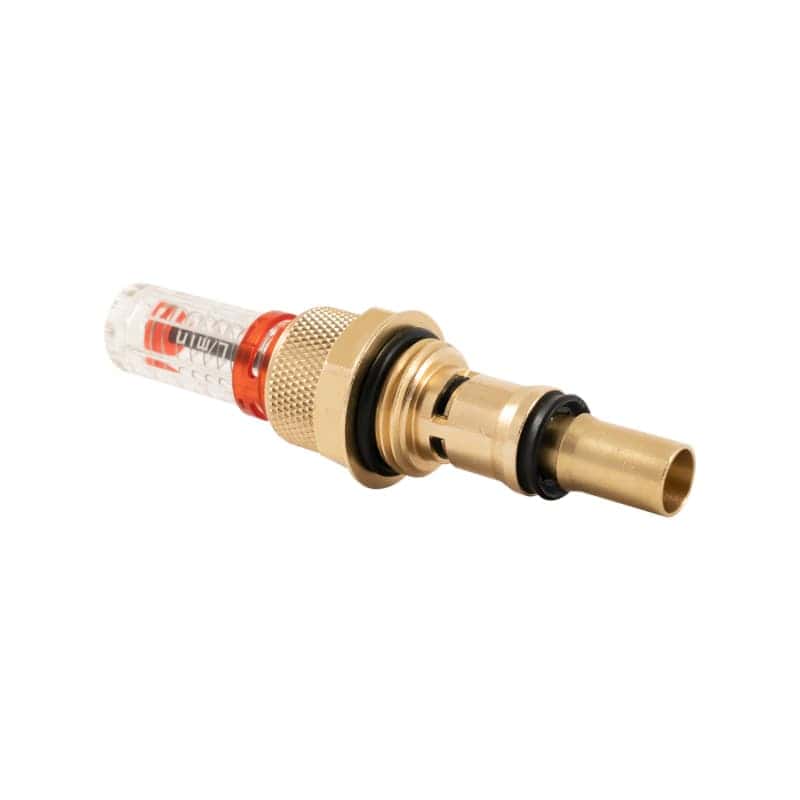
The Underfloor Heating Manifold Flow Meter is a device installed in the water separator or collector of a floor heating system. It measures how much hot water flows in each loop in real time. During installation and setup, it helps adjust the flow in each loop so that all rooms have even heat. During normal use, it can show if the flow is abnormal, giving useful data to help find and fix problems.

  • Model No.: JX-0959
  • Material: Nickel-plated brass and brass finish
  • Plastic; EMS raw materials. Imported from EU original
  • Size: 1/2″ and 3/8″
  • Transparent glass material: PA66+30% glass fibre
  • 36 months warranty
  • The flow meter features a removable sight glass
  • Working Temperature: 0-95°
  • Standard: IATF 16949, ISO 3451-4, ISO 15512, ISO 1133, ISO 307
  • Media: Water
  • Working pressure: 1-6bar
  • Accuracy of measurement: ±10%
  • Length; Customize
  • Connection configuration: Male thread/BSP/NPT
  • Moisture Content: 0.02%
  • MVR at 275°C 5 kg: 19 ml/10min
  • Relative Viscosity 0.5% in m-cresol at 20 °C: 1.55
  • Ash content: 50.6%

Additional information

Description

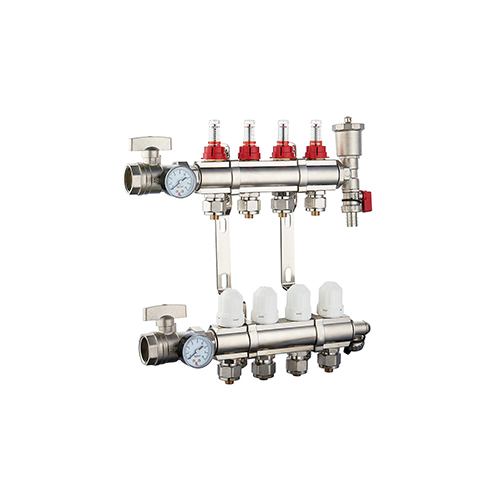
Brass Underfloor Heating Manifold With Ball Valve

The integrated ball valve enables fast on-off control of each branch circuit. It is used to collect and shunt the hot water delivered by a boiler or a heat pump in a radiant floor heating system. By adjusting the opening degree of each branch ball valve with flow control. The flow is accurately distributed to each floor heating circuit pipeline, ensuring that the indoor temperature in different areas meets the design requirements.

  • Model No.: JX-0701
  • Materials: Stainless steel
  • Size: 1″
  • Temperature: -10˚C-110˚C
  • Thread connection: BSP, NPT
  • Working pressure: 16 bar
  • Loops: 2-way-12-way
  • Stainless steel body pipe with natural and other brass parts is nickel-plated
  • Flowmeter; Imported plastic raw materials.
  • Connection thread: 3/4″&1/2″ loop
  • Compatible with any type of PEX tubing – no special adapters needed
  • Fields of application: water, heating system
  • Working pressure: PN≤1.2 MPa
  • Meet BS EN 1264-4 standards
 

Stainless Steel Distribution Manifold

The stainless steel distribution manifold can work with different fluids and in complex conditions. It is used in heating, water supply, and industrial fluid systems to split or combine the main flow of fluid. It sends the right amount to each branch pipe and makes it easy to control and adjust the flow. And facilitate individual control, flow regulation, and maintenance of each branch.

  • Model No.: JX-10073
  • Material: 304 stainless steel
  • Diameter: 1″
  • Connection: 1/2″ and 3/4″
  • Operating temperature: 0℃≤t≤90℃
  • Max pressure: 10 bar
  • Usage: Underfloor Heating Controls System
  • Style: 2-12 loop
  • Working medium: water
  • Surface treatment: drawbench
  • Connection End: Thread or compression joint
  • A sealing ring is added between the ball valve of the water separator and the main pipe of the water separator, and the anaerobic rubber sealing connection is used for double protection
 

distribution manifold 10023h

Heating Distributor

The Heating Distributor is the core fluid distribution and control device in the heating system. It adapts to the hot water medium and working environment of the heating system. It is used to collect the hot water from the boiler, heat pump, and other heat source equipment and distribute it evenly to each heating branch indoors. At the same time, it can accurately control the hot water flow of each branch through the matching valve or flow regulator.

  • Model No.: JX-10023
  • Material: 304 stainless steel/ A103
  • Heat Source Connection: 3/4″ (f/m)
  • Consumer Connection: 1″ (f/m)
  • Working pressure: 6 bar
  • Maximum working pressure: 8 bar
  • The use of a separator header protects the pump from the negative effects of heat consumption
  • Maximum working temperature: 110℃
  • Center Distance: 90 mm
  • Heating System Type: Closed
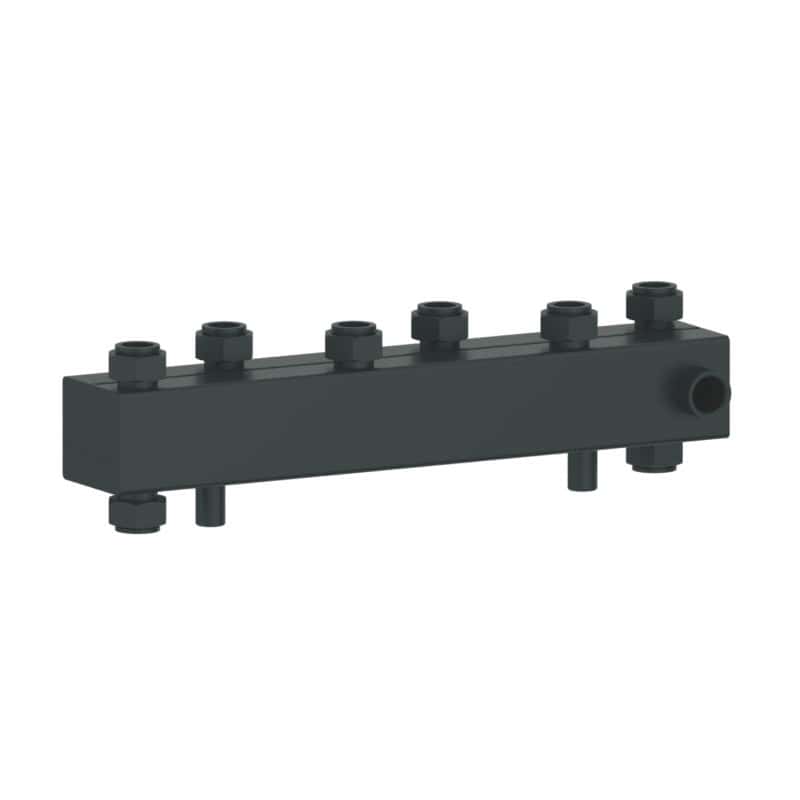
Steel Boiler Manifold

Garden Hose 2-Way Splitter is a garden water supply accessory installed at the outdoor faucet or faucet interface. Its function is to divide a single inlet into two independent outlets. Each outlet is typically equipped with an independent switch to control the water flow separately. It is primarily used to meet the multi-channel water supply needs of gardens, courtyards, and other outdoor areas.

  • Model No.: JX-10022
  • Material: steel
  • Maximum working pressure: 6 bar
  • Medium temperature range: 5–110 °C
  • Main centre distance: 125 mm
  • Maximum recommended flow rate: 9 m³/h
  • Main connection: G 2″ A (ISO 228-1) M.
  • Outlet connection: G 1 1/2″ (ISO 228-1) F
  • Captive nut
  • Available in two finish options: natural (uncoated) or black powder coating
  • Working medium: water, glycol solution, or glycerol solution
 

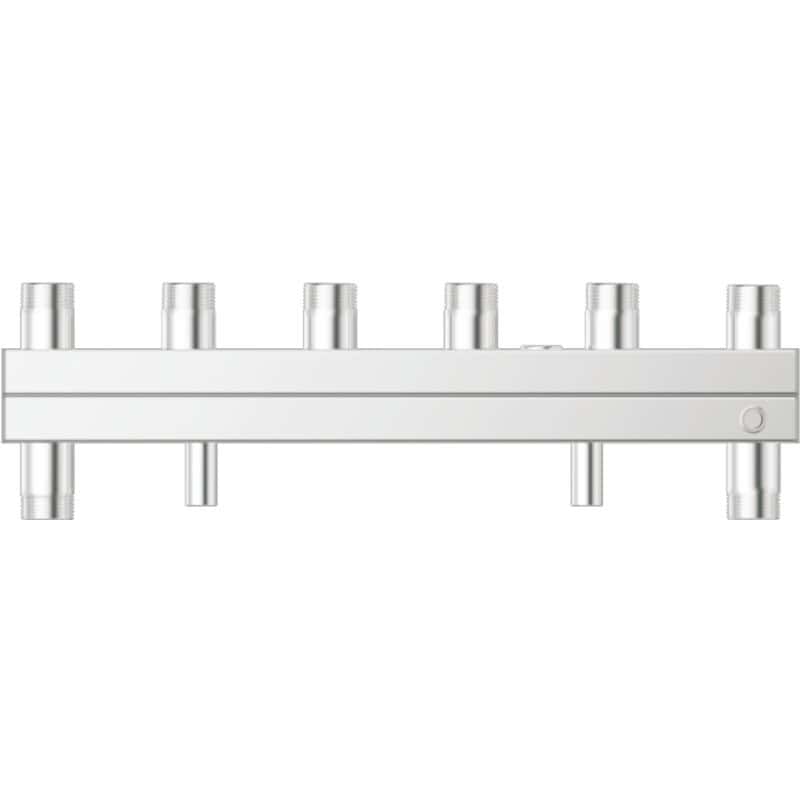
Hydraulic Balance Manifold

The Hydraulic Balance Manifold is a core regulating device specially designed for a fluid system. It is usually composed of the main pipe body, multi-branch interface, flow balance valve, and monitoring component. Stainless steel or brass is mostly selected to adapt to the working environment of the heating and water supply system. Its core function is to realize the hydraulic balance of each branch in the system and solve the problem of excessive or too small flow in some areas caused by uneven fluid distribution.

  • Model No.: JX-10014
  • Material: Stainless Steel
  • Circuit Connection 1″ Male Thread
  • Drain Valve Connection 1/2″ Female Thread
  • Installation Type: Vertical Installation
  • Power: 70 kW
  • Working Pressure: 6 bar
  • Maximum Flow Rate: 3 m³/h
  • Working Temperature: 110 ℃
  • Circuit Outlet Direction: Sideways
  • Interaxial distance: 125 mm
  • Number of profiles: 3


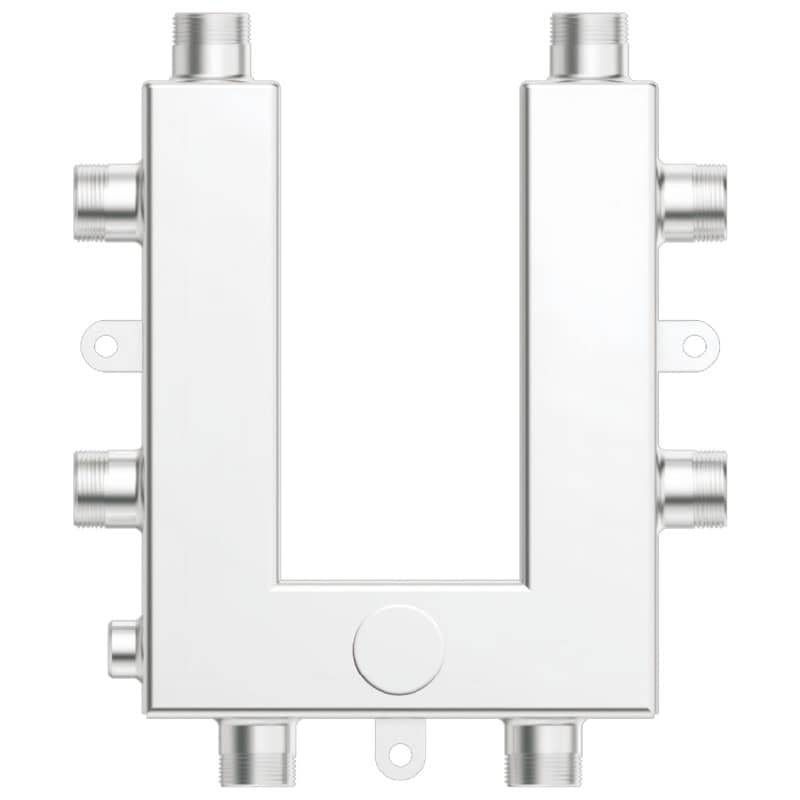
Annular Hydraulic Distributor

An Annular Hydraulic Distributor is a fluid distribution and regulation device with an annular structure design. The annular structure can realize a 360° uniform flow distribution of fluid, and adapt to complex pipeline layouts. It sends water or other fluids from the main pipe to each branch quickly and evenly in heating, water supply, and industrial systems. The flow and pressure of each branch can be controlled accurately using matching adjustment parts.

  • Model No.: JX-10010
  • Material: Stainless Steel
  • Inlet/Outlet Diameter: 1 inch
  • Extra connector: 1/2 inch female thread
  • Power: 50 kW
  • Number of Circuits: 3
  • Max Working Temperature: 110℃
  • Max Working Pressure: 6 bar
  • Inter-circuit Spacing: 125mm
  • Installation method: on the wall
  • Total Weight (Net Weight): 4.3 kg

FAQs of Manifold Flow Meter

1. What is a Manifold Flow Meter?

It is a flow monitoring device made for sub-water systems and is installed in each branch of floor heating, heating, or similar systems. It measures the flow of water or other fluids in real time. Its main job is to keep the system balanced and show the flow clearly. Common types include float-type and impeller-type flow meters.

2. What is the difference between a manifold flow meter and an ordinary pipeline flow meter?

A manifold flow meter is small and fits the short pipes of a manifold. Its connections match small pipe sizes, like 1/2″ or 3/4″. It shows the flow with a simple float or pointer, so it is easy to read and does not need a complicated setup. A normal pipeline flow meter is bigger, made for large pipes, and used in precise industrial work. It needs more space and careful installation.

3. What is the accuracy of the flow meters produced by the factory?

Float-type flow meters usually have an accuracy of ±5%, which is enough for heating or floor heating systems. Impeller-type meters are more accurate at ±2%, and electromagnetic meters are very precise at ±1%. All flow meters are calibrated at the factory. Customers can also ask for third-party testing and get accuracy test reports if needed.

From Kai Hong Manifold

4. How to measure the flow rate according to the number of loops of the manifold?

Choosing a flow meter depends on the flow of one circuit, not the total number of circuits. First, find the total flow of the system. Then, divide it by the number of circuits to get the flow for each circuit. Match a flow meter that fits this flow. It is best if the single-circuit flow is 30%–80% of the meter’s range, which makes the measurement more accurate. More circuits mean smaller flow per circuit, so the meter range is smaller and the accuracy is higher.

5. Which type of manifold flowmeter should be preferred for large flow conditions?

For large flows (5 m³/h or more), it is best to use an impeller-type or electromagnetic flow meter. Impeller-type meters with a 1.5″ connection can measure 0.5–8 m³/h, have a simple design, and cost moderately. Electromagnetic meters work well for very large flows of 10 m³/h or more, measure very accurately, do not cause pressure loss, and can connect to a PLC system. They are ideal for industrial use or big building heating systems.

6. Is there a requirement for the installation direction of a manifold flowmeter?

Float-type flowmeter should be installed vertically (fluid flows from bottom to top) to ensure that the float can rise and fall freely, and the installation inclination angle does not exceed 5°; impeller type can be installed horizontally or vertically (fluid from bottom to top when installed vertically); electromagnetic installation direction is not limited, but it is necessary to ensure that the measuring tube is filled with fluid to avoid empty pipe affecting measurement; all types should be kept away from strong magnetic fields and vibration sources.

7. What are the readings of the flowmeter?

There are three main types of flow meters:

① Mechanical float display, the most common type, shows the flow by the float moving inside a transparent tube. And you can read the value directly in m³/h without needing power.

② Pointer display, where an impeller moves a pointer on a scale, giving higher accuracy than float types.

③ Digital display, a smart model with an LCD screen that shows real-time flow and total flow. It can switch units (m³/h or L/min), works on battery or external power, and some models can send data wirelessly.

8. How to avoid damage to the connector threads of the manifold?

Before taking the manifold apart, first close the main valve and the valve of the loop you will work on. Then open the exhaust valve to let out the pressure and make sure the pipe has no pressure inside. This helps avoid accidents like tools slipping because of fluid. Use the right pipe wrench or tongs, and wrap the jaws with a soft cloth so the metal tools do not directly touch and damage the pipes.

9. Can the flow meter provide rework services?

To allow the flowmeter to be reworked for a different range, two things must be true:

First, the flowmeter has not been installed or used, so it has no damage or worn threads; Second, the new range must fit within the adjustable limits for that model. For example, a flowmeter with a 1/2″ interface can be changed within 0.05–1.5 m³/h. If the desired range is higher, the core part must be replaced.

10. Is there any length requirement for the front and rear straight pipe sections during installation?

The floating ball type has no strict requirements for the straight pipe section. It is recommended to reserve ≥ 50mm straight pipe section before and after installation point to avoid flow field disorder caused by direct connection of elbow; impeller type is recommended to reserve ≥ 100mm straight pipe section before and after; electromagnetic type is recommended to reserve ≥5 times pipe diameter at the front and ≥3 times pipe diameter at the back to ensure measurement accuracy.

Recommend to Read

Get quote Now

Free Sample with OEM