“Nickel Plated Brass Manifold For Water System” has been added to your cart. View cart
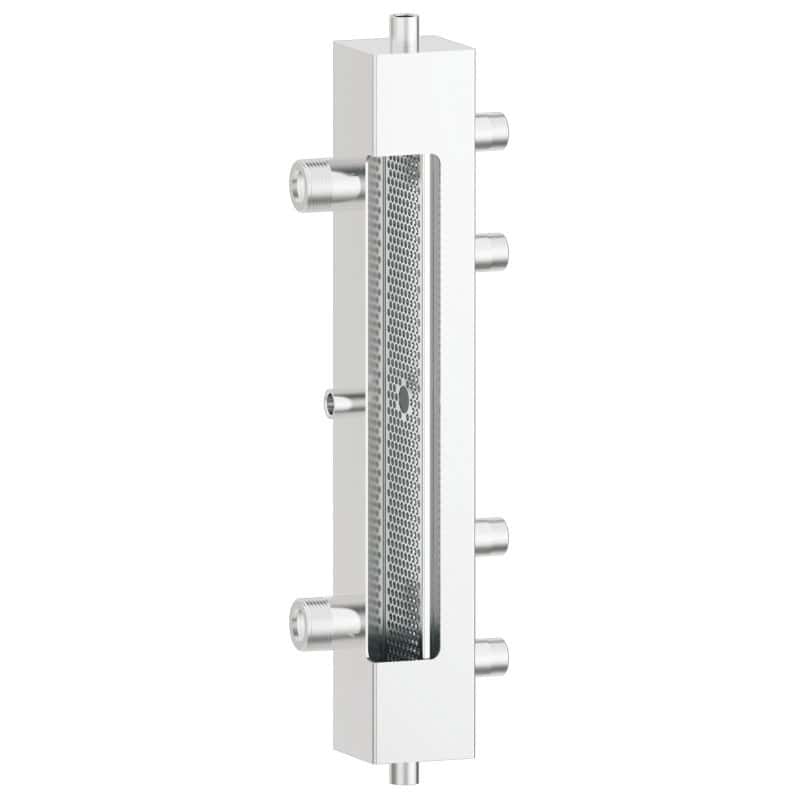
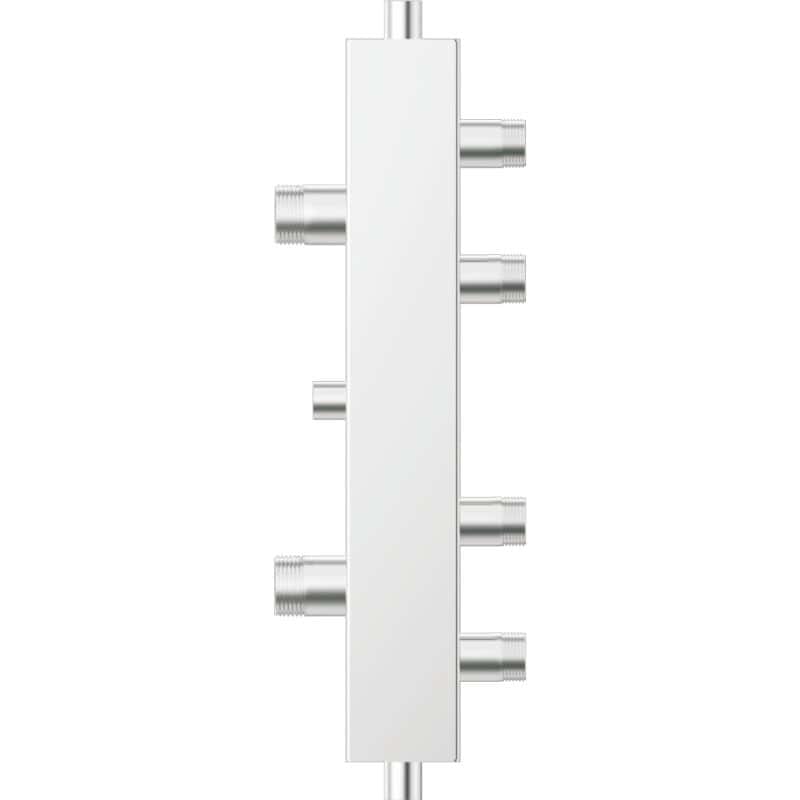
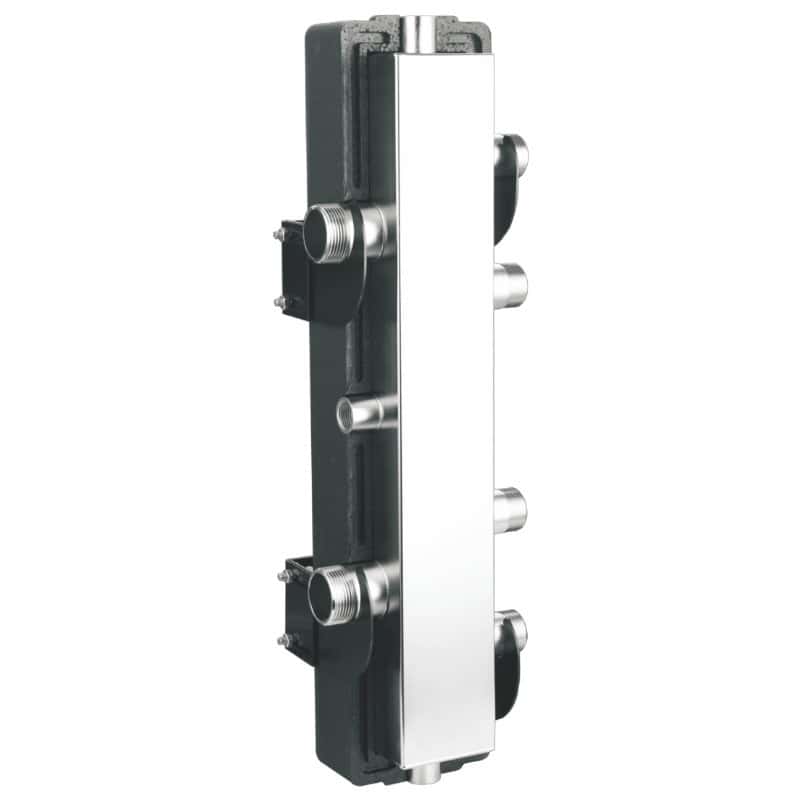
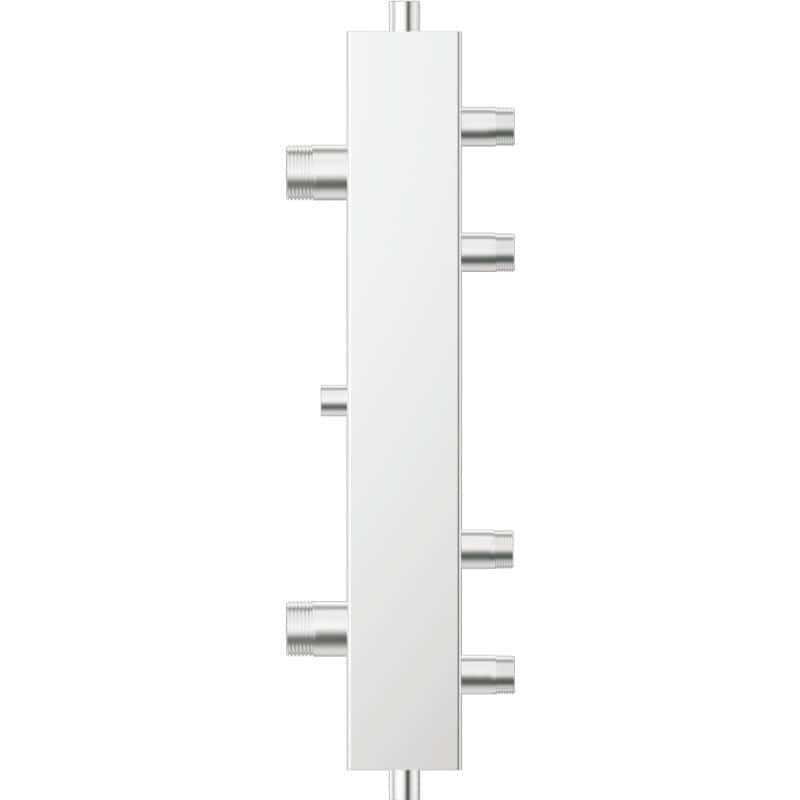
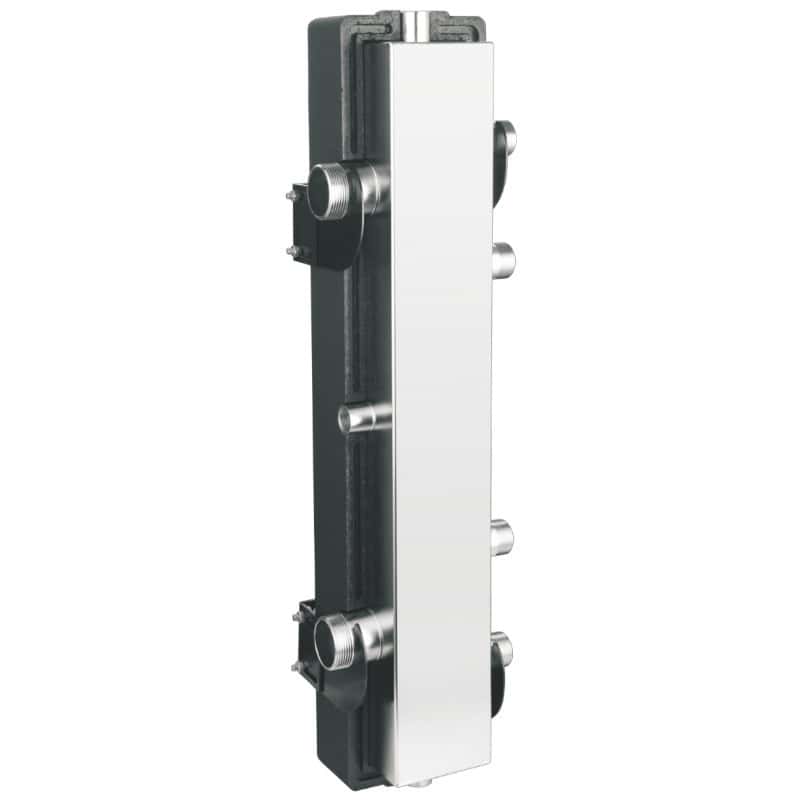
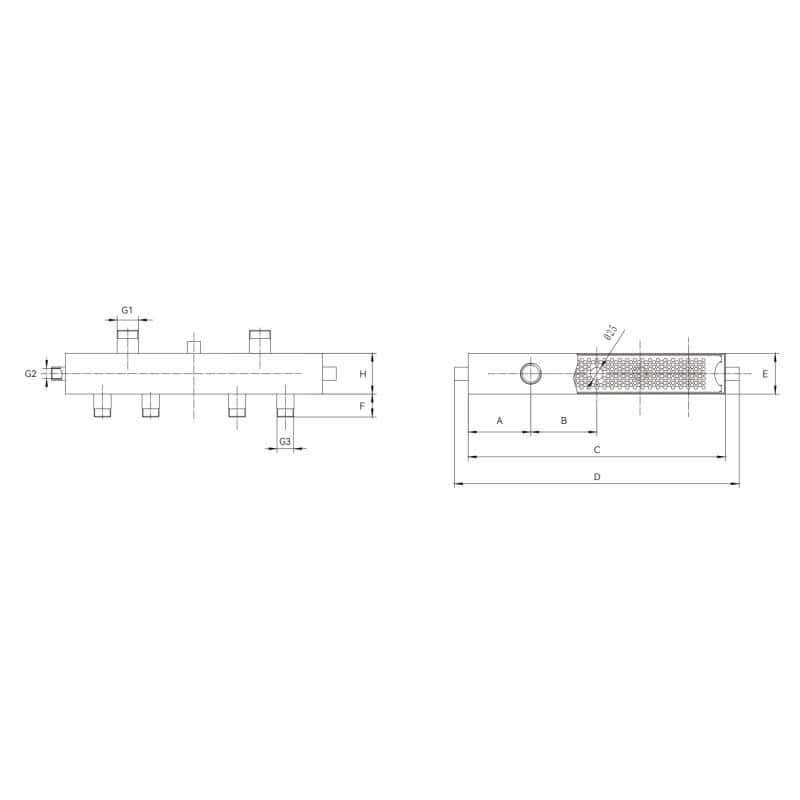
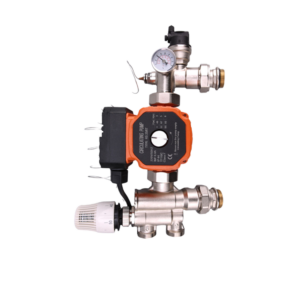
Mixing Tank For Heating System
Parameters of Mixing Tank For Heating System
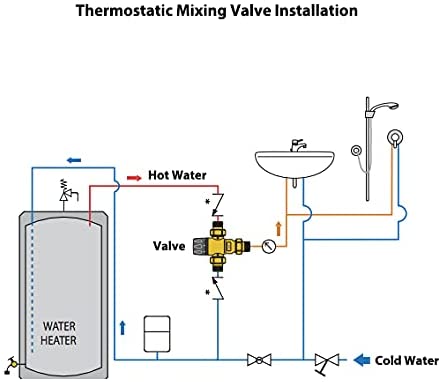
The mixing tank of the heating system mixes hot water with cooler water. The mixing process takes place before the water enters the heating system. Excessively fast inflow of hot water may damage pipes and other components, and the mixing tank can prevent this problem. It also helps the system reduce energy consumption. The use of the mixing tank makes the water temperature more stable, the heat distribution more uniform, and the heating system runs more smoothly.
Model No.: JX-10001
Size: 1-1/2″, 1-1/4″,Custom
Material: Stainless steel 304/Iron
Nominal Pressure: ≤ 8Bar
Working Temperature: -10℃~110℃
Applicable Medium: Cold and hot water
Rated power: 80kw, 100kw
Insulation material: EPP
Built-in stainless steel separator
EPP insulation can save up to 300 watts
Suitable for civilian (cabin) or industrial (boiler room) scenarios
Stainless steel 304 offers a service life of 50 years
Built-in separator can remove air and impurities in the heat medium and prolong the service life of boiler and pump
This valve is for heating and water pipe use. It has a cutter inside. The cutter helps deal with small dirt or broken parts in the pipe. The valve also keeps water from going back and lets air out when air builds up. This helps water move in the right direction. It also helps protect pipes and other parts. With this valve in the system, water flows better, problems happen less often, and the system is easier to run and maintain over time.
Model No.: JX-0877
Size: 1/2″, 3/4″
Material: Lead-free brass,CW510L, bronze
Finishing: Sand-blasted
Working temperature: -10-110˚C
Spare Type: Compressor Kit
Medium: Air
Connection: NPT
Cast Brass Pipe Clamp
Application: Regulated Air Systems
2-year warranty
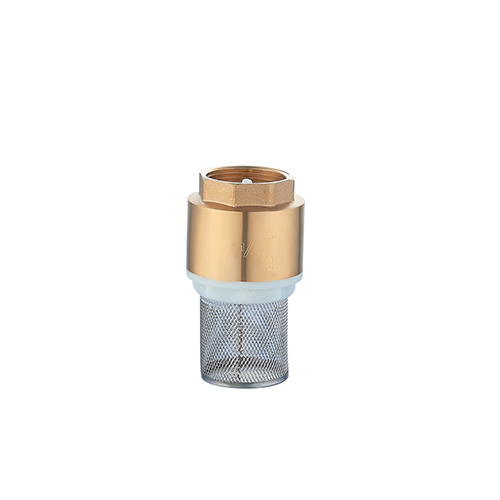
Brass Check Valve With Plastic Filter
This brass check valve is used in water pipe systems. It has a plastic filter inside at the inlet side. The valve body is made of brass and is used for normal water pressure. Water flows in one direction only. It does not go back. The plastic filter helps stop dirt, rust, sand, and small particles in the water. This helps keep the pipe cleaner and reduces trouble during daily use of the system.
Model No.: JX-0606
Size: 1/2″, 3/4″
Material: CW602N, LF brass, CW617N
Working pressure: 1.6MPa
Medium: Water
Equipped with brass inline springs
With a plastic mesh filter
Working temperature: -15-115°C
Connection: BSP/NPT
Finishing: Sand blasted
Gasket material: NBR
Stainless steel 304 spring
Standard: CE
Brass Swing Type One-way Check Valve
This brass swing-type check valve is used in water pipe systems. It works by water pressure only. When water flows forward, the disc inside swings open. When the flow stops or tries to go back, the disc swings closed. Water can only move in one direction. This helps stop backflow in the system. It also helps avoid pump problems, damage to equipment, and pressure issues. With this valve installed, the system runs more stably during daily use.
This plastic basket pedal spring check valve is used in drainage and low-pressure wastewater systems. It is common in civil buildings and light industrial use. The valve is opened and closed by a pedal from the outside. Inside, there is a basket filter. The filter helps catch solid waste and debris in the water. A spring helps the valve return after use. This helps stop sewage from flowing back, reduces blockage, and keeps the pipe system cleaner during daily operation.
Model No.: JX-0601
Size: 3/4″-2″
1″ IPS connection
Material: Bronze, Lead-free brass, C46500
Finising: Sand blasted
Temperature: -15˚C-115˚C
Thread connection: BSP, NPT
Working pressure: 400WOG
Spring: Stainless steel
Core stem: Brass insert
Made from die casting
US Standard
Pedal Check Valve With Strainer
This pedal check valve comes with a filter screen at the inlet. The valve is opened and closed by stepping on the pedal from the outside. After release, it returns by itself. It is mainly used in low-pressure systems such as civil drainage, kitchen and toilet sewage lines, and light industrial wastewater pipes. The filter screen helps catch hair, food waste, and other solid particles in the sewage. This helps reduce blockage and keeps the drainage system working normally during daily use.
The 1-inch check valve for the well pump is made of a copper vertical spring check valve and stainless steel filter screen
BSPF thread
15 mesh stainless steel screen
Nitrile rubber seal
Temperatures from-20 ° C to 100°C
Ideal for drinking water applications
Foot Valve With Backflow Prevention
A foot valve is installed in the pump suction pipe at the bottom. Water runs in one direction. Pump opening and closing will cause changes in water pressure; the valve will automatically open and close, which helps to avoid dry operation of the pump. There’s a filter at the entrance. This filter filters out sand and small debris. This valve is used in water supply, irrigation, and similar pumping systems.
Model No.: JX-0615
Size: 1″, 1/2″, 3/4″
Material: Brass, C37700, Lead-free brass, CW510L
Finising: Sand blasted
Temperature: -15˚C-115˚C
Thread connection: BSP, NPT
Working pressure: 200PSI
Heavy-duty foot valves feature a lead-free brass body and spool, stainless steel strainer, and fasteners
Inlet connection type: National Pipe Tapered
Outlet connection type: NPT Thread
FAQs of Mixing Tank
1. How does the Mixing Tank for the Heating System work?
The mixing tank works by bringing hot water from the boiler together with cooler return water from the heating system. Inside the tank, the water flows and mixes through its internal mixing structure or simple stirring action. This helps keep the outlet water close to the set temperature, instead of sending water that is too hot directly into the system.
At the same time, the tank provides extra volume for the system, which helps smooth out water flow and pressure changes. This reduces the frequency of starts and stops of the boiler and other heat source equipment. As a result, the heating terminals receive more stable water temperature, energy use is improved, and the system components last longer in daily operation.
From HEAT EXCHANGE AND TRANSFER, INC.
2. What is the difference between a heating mixing tank and an ordinary mixing tank?
The main difference is really in how the tank is used. A heating mixing tank is made for heating systems, where keeping the water temperature steady matters a lot.
In daily operation, it mixes hot water from the boiler with cooler return water before returning it to the system. The mixing inside the tank is simple and practical, and the outer insulation helps reduce heat loss. The tank also provides the system with extra space, which helps maintain a more stable water flow and pressure, and prevents the boiler from starting and stopping too frequently.
A regular mixing tank is different. It is usually used in chemical or food processing to mix materials. It focuses on mixing results, not on temperature control or system balance. As a result, it is not suitable for heating systems or long-term hot water use.
3. What is the service life commitment of the mixing tank?
The Plumberstar heating mixing tank is made mainly from 304 stainless steel and other materials that can handle heat and resist corrosion. It features a solid sealing design and includes an insulation layer to help minimize heat loss during use.
When the tank is installed correctly and used in a normal way, with basic maintenance, it can work reliably for more than 15 years in a heating system. Important components, including the internal mixing parts and seals, are covered by a 5-year warranty. This makes the tank suitable for heating systems that need stable and long-term operation.
4. What accessories are included in the FOB quotation for mixing tanks?
The FOB price includes a drain valve, an air vent, mounting brackets, flanges, sealing gaskets, an insulation box, and basic fittings. If the tank has a stirring function, the mixing blades and small drive parts are also included.
The price also includes export packing, simple instructions, and inspection documents. Transport to the port and export customs work are included. Sea insurance and import customs clearance at the destination are not included and are paid by the buyer.
5. Can large Mixing Tank orders support batch delivery?
Plumberstar supports split delivery for large orders of heating mixing tanks. The delivery plan can be discussed when the order is placed. This includes the number of tanks shipped each time and the corresponding delivery dates, based on the project schedule and available storage space.
We prepare production, conduct quality checks, and handle export work according to the agreed-upon plan. Each shipment is dealt with separately. There is no additional charge for split delivery, and all shipping documents are provided for each batch to facilitate easier order management.
6. Can the inlet and outlet directions of the mixing tank be adjusted?
The heating mixing tank can be designed with various inlet and outlet directions to accommodate the site’s piping layout and installation requirements. The connections can be arranged on the same side, on opposite sides, or in a vertical up-and-down layout, depending on the system’s design.
These adjustments are done by changing the tank openings or using custom pipe connections. The internal mixing structure and performance of the tank remain the same. No extra design fee is charged for this type of adjustment. To ensure a proper fit, customers must provide clear drawings or size details for the inlet and outlet positions when placing their order.
7. How does the charge for maintenance of mixing tanks beyond the warranty period work?
For mixing tanks that are out of warranty, Plumberstar uses a clear, item-based charging method. The total cost typically comprises three components: service labor, replacement parts, and any additional special costs that may be required.
The service fee varies depending on the type of maintenance required. For on-site service, the cost is based on location and the difficulty of the work. If urgent service or remote support is needed, extra fees such as emergency service or travel support may apply. For overseas service, the customer covers the travel costs for the engineer.
Replacement parts are charged based on actual usage. Common parts like drain valves and seals follow standard pricing. Core parts, such as mixing blades or drive components, are priced by model, and a parts list is provided in advance for confirmation.
Special additional costs, primarily third-party expenses, include the need to dismantle nearby facilities during maintenance. All costs are explained and confirmed before work begins to avoid any confusion later on.
8. How do you reduce procurement risks of the mixing tank for overseas buyers?
We help overseas buyers lower purchasing risk in a few simple and practical ways: these cover product documents, quality checks, shipping, and after-sales service.
First, we provide the necessary certificates and documents for the mixing tanks. This helps buyers make sure the products meet local rules and safety standards.
Second, buyers can check samples before production and follow the production process through photos, videos, or third-party inspections. This makes the product quality easier to see and understand.
Third, we work with trusted logistics partners to arrange international shipping. The steps from the factory to the port are clearly agreed in advance. Shipping insurance is arranged to reduce the risk of loss or damage.
Finally, we support overseas customers with after-sales service through local partners and remote technical help. During the warranty period, parts replacement and basic service are provided as agreed in the order.
9. Can mixing tanks be customized for low-noise operation?
We can customize low-noise solutions for mixing tanks with stirring functions. The purpose is to reduce operating noise by improving the tank structure, main components, and the stirring process practically.
Based on the tank design, thicker panels can be used on the tank body, and sound-absorbing and shock-reducing materials are added inside the tank. This helps lower the noise caused by materials hitting the tank wall during stirring.
For the drive system, standard motors can be replaced with low-noise variable-speed motors. These are matched with quieter bearings and flexible couplings to reduce mechanical noise during operation.
For the stirring process, the blade shape and running speed are adjusted to allow smoother and slower mixing. This reduces turbulence noise from the material. If needed, additional sound covers or mufflers can be installed to meet the noise limits required by noise-sensitive sites.