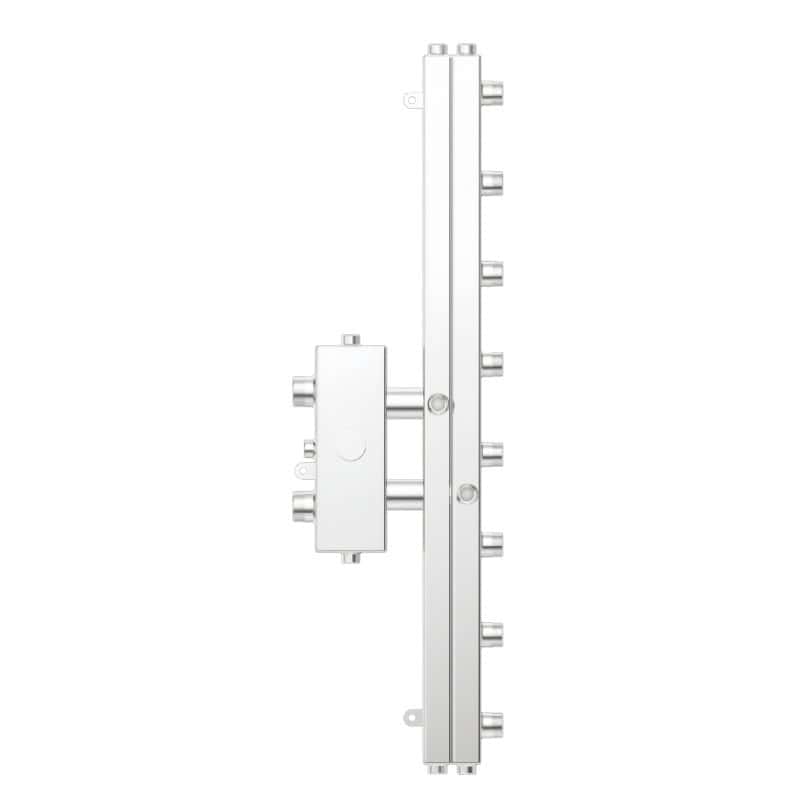
Hydraulic Vertical Separator

Parameters of Hydraulic Vertical Separator

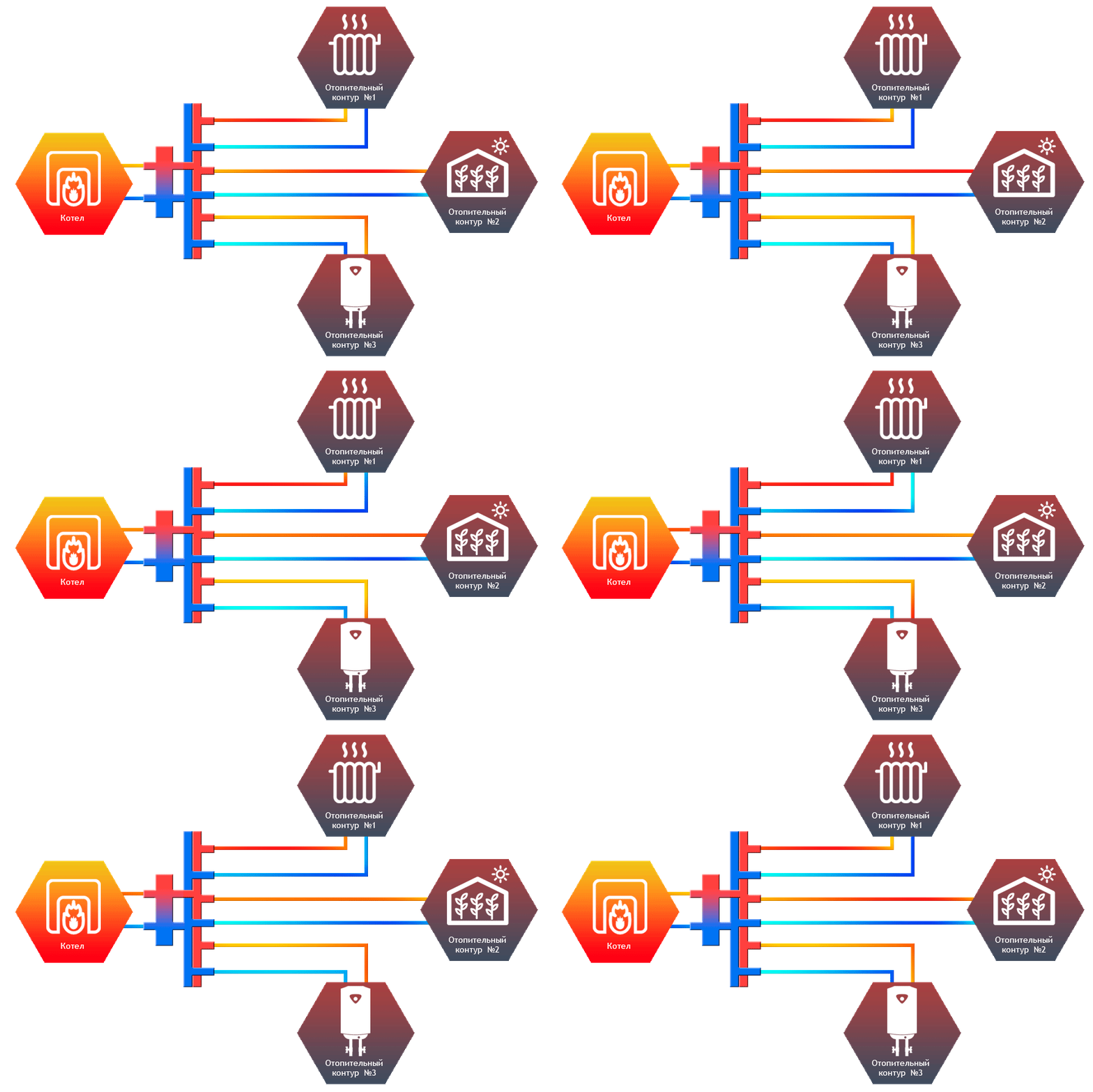
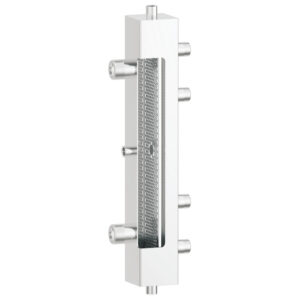
The Hydraulic Vertical Separator for heating systems is an impurity and gas-liquid separation device specially designed for heating water circulation systems. It adopts a vertical compact structure. It is suitable for the high-temperature water medium working conditions of heating systems. The device has built-in multi-layer separation components. The dual functions of gravity sedimentation and filter screen interception. It can efficiently separate solid impurities such as rust and sediment in the circulating water. At the same time, it integrates an exhaust structure, which can automatically discharge the trapped air in the system.

  • Model No.: JX-10014
  • Material: Stainless Steel 304
  • Circuit Connection 1″ Male Thread
  • Drain Valve Connection 1/2″ Female Thread
  • Installation Type: Vertical Installation
  • Power: 70 kW
  • Working Pressure: 6 bar
  • Maximum Flow Rate: 3 m³/h
  • Working Temperature: 110 ℃
  • Circuit Outlet Direction: Sideways
  • Interaxial distance: 125 mm
  • Number of profiles: 3
  • Support ODM/OEM
  • Free sample

Additional information

Description

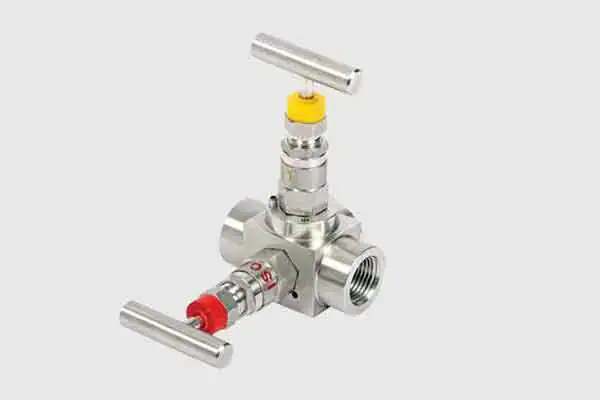
Globe Angle valve Bronze Globe Angle Valve

The Bronze Globe Angle Valve is suitable for various medium working conditions, such as seawater, freshwater, and hot water. It also adopts a 90° right-angle flow channel design. The rising stem can precisely control the flow rate and on-off of the pipeline medium. Its main applications are in systems such as industrial water supply and drainage, and building heating. It serves as a regulating and shut-off component for pipeline media, especially suitable for working conditions with limited space and requirements for corrosion resistance.

  • Model No.: JX-0216
  • Size: 1/4″-3″
  • Material: C37700, C83600, C87600
  • Handle: Iron
  • Cartridge: Brass, C83600
  • Bonne: Brass/Bronze
  • Stem: Dezincification-Resistant Brass
  • Disc: Bronze
  • Gland Packing: Aramid Fibers Graphite
  • Finising: Sand blasted
  • Medium: Water, Gas, Oil
  • Connection: NPT
  • Working pressure: PN16
  • Working Temperature: -10℃~120℃
 

Angle Radiator Valve

The angle structure design of the Angle Radiator Valve can flexibly adapt to narrow spaces such as corners and pipeline bends. Pipeline connection can be completed without additional elbows. The valve stem adopts a lifting or rotating opening and closing structure. Its main purpose is to be installed at the water inlet or return port of the radiator. It serves as a component for opening, closing, and flow regulation in the heating system. It can manually control the on-off of a single group of radiators.

  • Model No.: JX-0655
  • Size: 1/2″, 3/4″
  • Material: CW617N
  • Processing: Forging, CNC Machining
  • Connection: BSP, NPT
  • Max working pressure: 10MPa
  • Max working temperature: -20-120℃
  • Standard: CE
  • Finishing: Polished and chrome plated
  • With a 12-month warranty
  • Transport Package: Carton
 

Manual Forged Brass Radiator Control Valve

Manual Radiator Angle Valve

The manual radiator angle valve adopts a rotary manual opening and closing structure. It can adjust the flow of hot water into the radiator as needed. Customizable models are equipped with scale marks, allowing for intuitive control of the adjustment range. It is mainly installed at the water inlet or return port of the radiator. As a manual control component in the heating system, it can realize the on-off and flow adjustment of a single group of radiators.

  • Model No.: JX-0650
  • Size: 1/2″X1/2″
  • Material: CW617N
  • Handle: ABS handle
  • Working temperature: 0-90℃
  • Connection: NPT, BSP
  • Finishing: Nickel blasted
  • Transport Package: Inner box
  • Plastic head
  • Medium: Water
  • Maximum working pressure:10 bar
  • Product Diameter: 10 mm
Raised Head Brass Cleanout Plug

The raised head design of the Raised Head Brass Cleanout Plug facilitates tightening or disassembly operations using tools such as wrenches. It is suitable for various medium working conditions, including tap water, hot water, and sewage. It is mainly installed at the cleanout or inspection port of drainage pipes and heating pipelines. It functions to block the pipeline and prevent medium leakage.

  • Model No.: JX-0882
  • Size: 1-1/2″, 2″, 3″, 4″, 5″, 6″
  • Material: Brass, C37700
  • Thread connection: NPT
  • Plug Drive Style: Raised Square
  • Maximum Operating Pressure:10 psi
  • Female threaded
  • Use with slip joint pliers
  • Raised head allows for easy tightening
  • Caps off pipe to help prevent sewer gas from entering
  • Meets Southern Plumbing Codes requiring raised square head
 

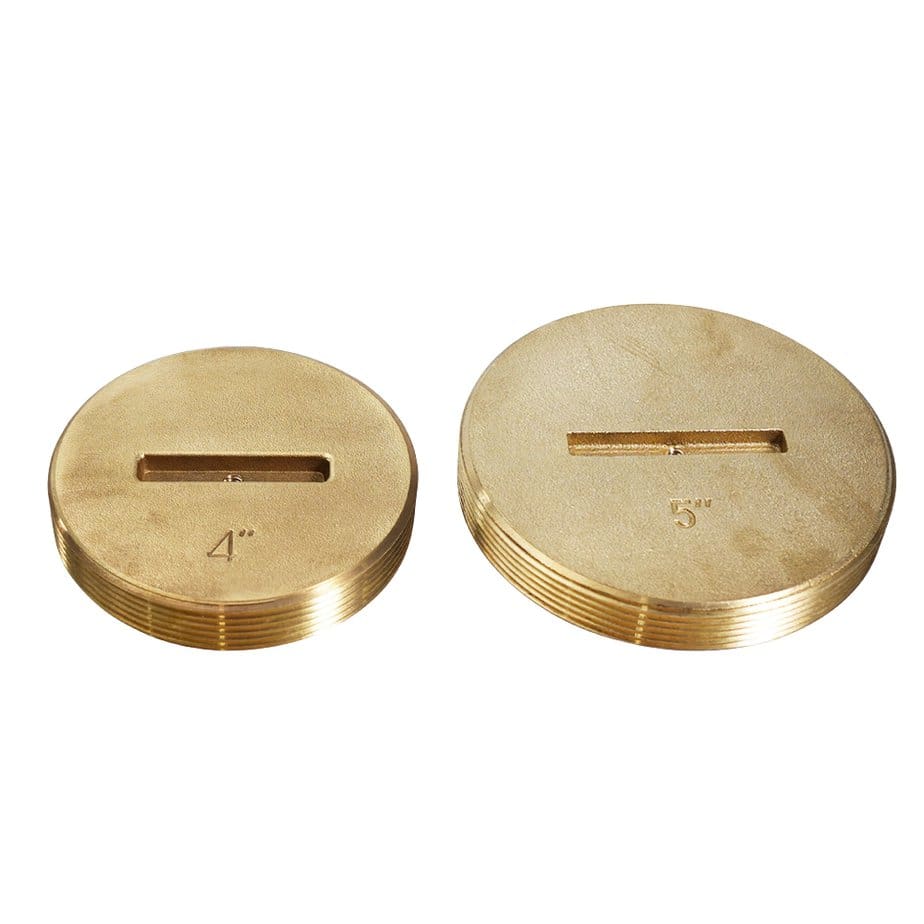
Slotted Brass Cleanout Plug

The top of the Slotted Brass Cleanout Plug features a flat-head or cross-head slot design. It can be directly tightened or removed using common tools such as a screwdriver. The sealing structure is tight, and after plugging, it can effectively prevent pipeline leakage. It is commonly used at the cleanout or inspection port of water supply and drainage, as well as heating pipelines. In daily conditions, it plays the role of plugging the pipeline to prevent medium leakage. When the pipeline needs to be unclogged of impurities or undergo pipeline maintenance, the plug can be quickly removed to carry out the work.

  • Model No.: JX-0881
  • Size: 1-1/2″, 2″, 3″, 4″, 5″, 6″
  • Material: Brass, C37700
  • Finishing: Original, Sand blasted
  • Thread connection: NPT
  • Connection: Male
  • The plug has machine threads for easy installation and maintenance with a screw-on connection using a plug wrench
  • Features a 1/4 inch screw-on tap (not through the plug)
  • Used to cover cleanout drains
  • Machine threaded for a tight fit and countersunk for a clean finish

Brass Forged Plug Valve With Square Head

Brass Forged Plug Valve With Square Head is a pipeline on-off valve made of integrally forged brass. The top of the valve stem is designed with a square structure. It can be used with tools such as wrenches and sockets. The plug-type valve core has excellent sealing performance. It is mainly used in pipeline systems such as building water supply and drainage, industrial fluid transportation, and gas supply. As a manually operated on-off control component, it is more suitable for scenarios with high requirements for sealing and pressure resistance.

  • Port Size: 1/2″-1″
  • Material: Brass, CW617N
  • Media: Water
  • Test Pressure Body : 200 Psig (Hyd.)
  • Test Pressure Seat (Plug) : 100 Psig (Hyd.)
  • Standard: BS EN 12266 Part-1
  • Technics: Forged
  • Thread: NPT, BSP
  • Type: Plug Cock
  • Application: Water , Oil
  • Connection: Female

FAQs of Hydraulic Vertical Separator

1. What are the key differences between a vertical separator and a horizontal one?

1. Installation floor space: The floor space occupied by a vertical separator is smaller than that of a horizontal separator. It can save the used space.

2. Separation efficiency of air and impurities: Vertical separators have higher separation efficiency. In vertical separators, gravity can play an auxiliary role. Lighter bubbles will rise to the top and be discharged. Heavier impurities will fall to the bottom and be discharged. In horizontal separators, the water flow velocity can sometimes carry air and smaller particles along with it. This may reduce the separation efficiency.

3. Pipeline configuration: The installation direction will affect the pipeline layout. Vertical separators are suitable for systems where the water supply pipe and return pipe are laid vertically. Horizontal separators are more suitable for systems with long horizontal pipelines.

4. Internal design: Compared with vertical separators of the same flow rate, horizontal separators usually require more complex internal baffles or a larger diameter. The vertical design uses the height of the equipment for separation. This is a more efficient use of the equipment’s volume.

2. Can the connection method of the Hydraulic Vertical Separator be customized?

Of course! The connection method of the threads can be customized according to your needs. The following threads are available for selection:

  1. Common Standard Pipe Threads: There are NPT and BSP, which are applicable to American and British standard tapered pipe threads, respectively. BSP is also divided into BSPT and BSPP. The former is a tapered pipe thread, used for sealed connections. The latter is a cylindrical pipe thread (parallel thread), which usually requires a gasket or sealing ring to achieve sealing.
  2. Metric Threads: They comply with the ISO 261/724 standard. The unit is millimeters. For example, M20x1.5. They are often used for small valves, instrument connectors, or customization of specific European mechanical equipment.
  3. Other customizable features: The two ends of the valve body can be customized to be internal threads or external threads, respectively. It also supports customization of union, compression, or flared connection methods.

3. What is the MOQ for a fully customized hydraulic separator?

Regarding the minimum order quantity for custom Hydraulic Vertical Separators, we can support a minimum order of 500 units. This means you can first use a smaller order to verify whether the product is suitable for this market without bearing huge inventory pressure. When it is verified to be suitable for this market, you can continue to place additional orders, which saves on inventory costs and time costs.

hydraulic vertical separator

4. What is the lead time for repeat orders of the Hydraulic Vertical Separator?

For repeat orders of products like hydraulic vertical separators, our standard mass production delivery cycle is approximately 30 days.

During this 30-day process, we will confirm the specifications for the production of the Hydraulic Vertical Separator, purchase raw materials, and package the product after production is completed. Moreover, quality inspection will run through the entire process. Our stable 30-day delivery cycle can assist you in efficient inventory planning, ensuring that your business can continuously and stably supply the market.

It should be noted that if your order involves a completely new design that requires opening new molds, the delivery time will be approximately 45 days.

5. How to trace the quality of raw materials for the Hydraulic Vertical Separator?

We have our own set of procedures to trace and ensure the quality of raw materials for Hydraulic Vertical Separators:

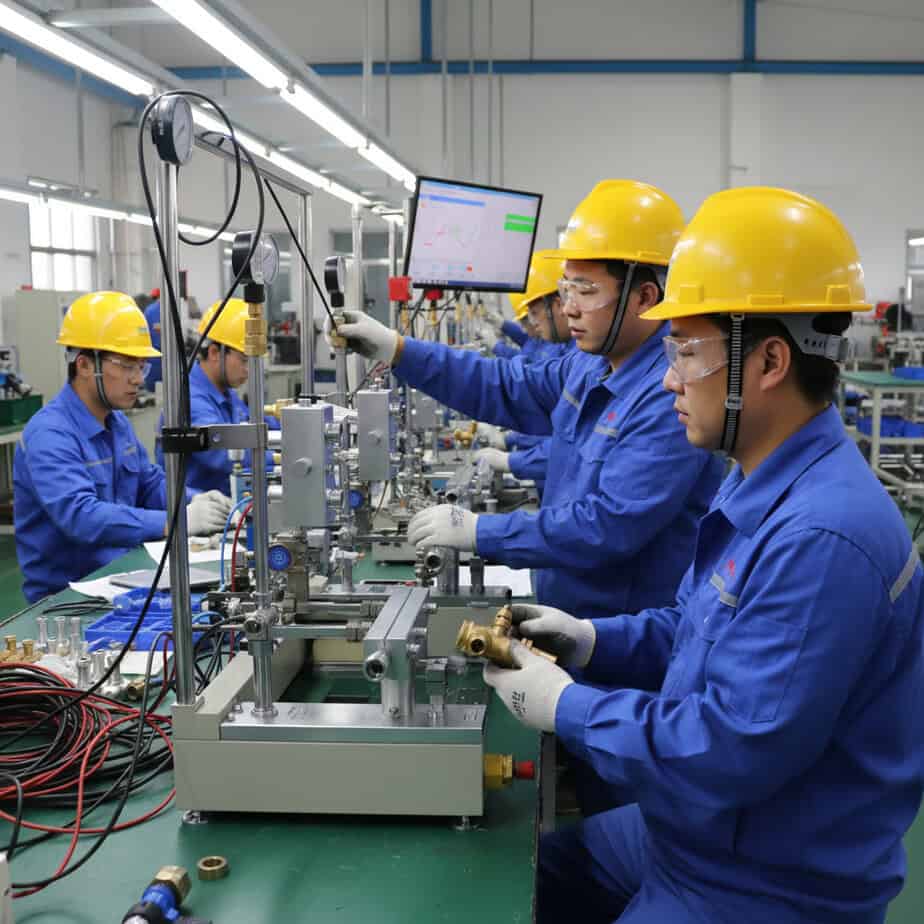
1. Incoming inspection and reporting: We have a dedicated laboratory. All purchased raw materials will be inspected, and a report will be issued. This ensures that every batch of brass or stainless steel we use meets the standards.

2. Material analysis: Our quality inspection team will conduct material analysis on raw materials. Verify the chemical composition and physical properties of the materials. This prevents unqualified materials from entering the production line from the source.

3. Systematic inspection records: We have a team of 9 quality inspection/quality assurance experts. They will inspect all incoming materials and spare parts. The inspection results will be recorded in the “Inspection Report”. The quality process of each link can be traced.

6. Should the Hydraulic Vertical Separator undergo accelerated life cycle testing?

We ensure that the hydraulic vertical separator has excellent durability and a long service life through a series of rigorous tests. Our goal is to ensure that the Hydraulic Vertical Separator is durable and has excellent performance.

1. Pressure resistance and tightness testing: We conduct Hydraulic tests and Pneumatic tests on the products. And we ensure 100% pass the leak-proof test.

2. Mechanical performance testing: We will conduct Mechanical tests to verify the structural strength and fatigue resistance of the products.

3. Corrosion resistance testing: In our laboratory, we are equipped with a Salt Spray testing machine. This is an accelerated test that simulates harsh environments. It is used to evaluate the corrosion resistance of brass or stainless steel materials, thereby ensuring that the products can work stably for a long time under various water quality conditions without causing secondary pollution.

hydraulic vertical separator

7. What is your factory’s production capacity for hydraulic separators per month? 

The overall shipment capacity of our factory is to transport products in 20 containers per month. Although this quantity includes all 582 types of valves and pipe fittings we produce, it demonstrates our strong production scale and ability to handle large-volume orders. We have:

  • Advanced equipment: We have 120 automated CNC robotic machine tools.
  • Sufficient factory space: Our factory covers an area of 25,000 square meters.
  • An experienced team: We have more than 115 experienced workers.

Our factory can not only meet your large-volume demand for hydraulic separators, but also maintain a production cycle of about 30 days while ensuring quality. You can rest assured that Plumberstar is fully capable of being your stable and reliable large-volume supplier.

Recommend to Read

Get quote Now

Free Sample with OEM