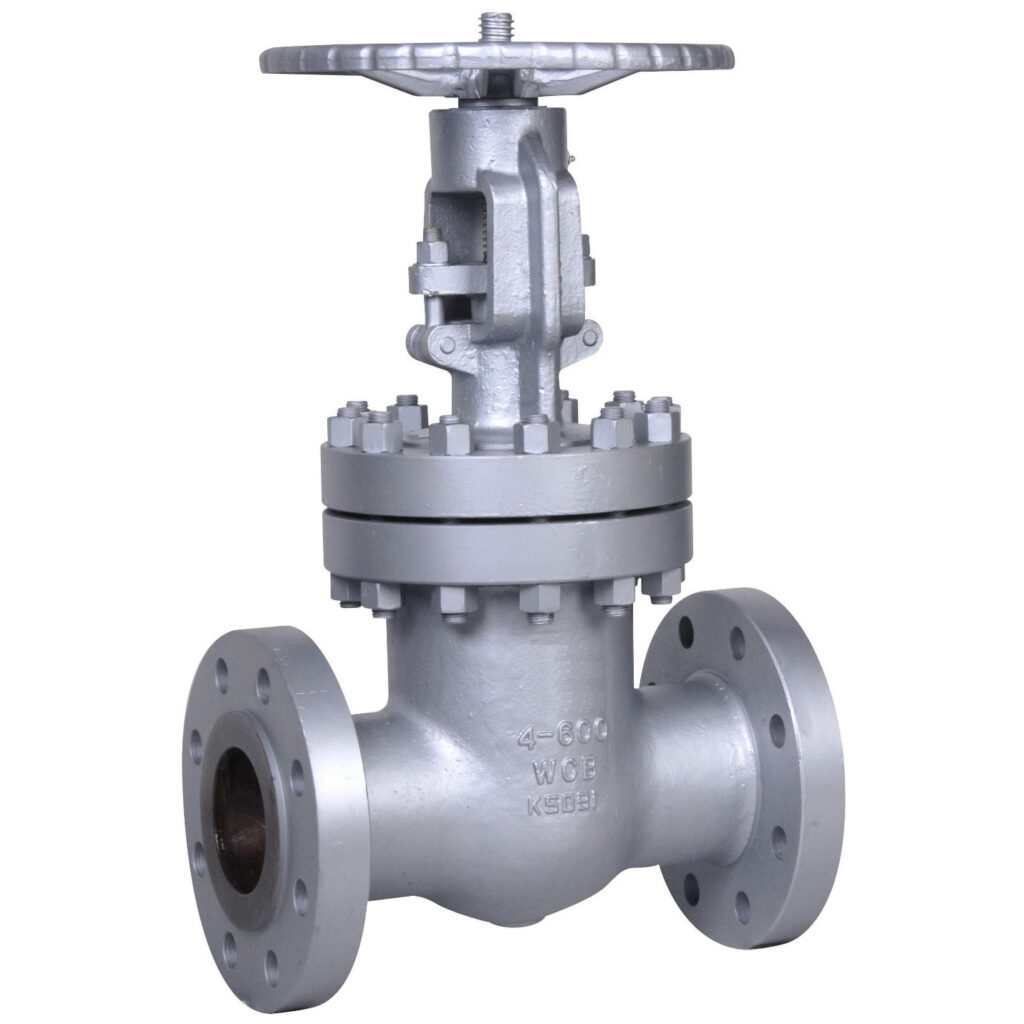
Gate valves are versatile products that are applicable in multiple industries. Their efficiency makes them a high-performing product. However, sometimes the components of gate valves exhibit abnormalities. One of the most devastating cons is leakage. Gate valves leak from different locations due to many reasons. Here are the most common gate valve leakages, their causes, and solutions.
5 Types of Gate Valve Leakage: Causes and Solutions.
The causes of gate valve leakage vary depending on the damaged part. The causes of leakage can be either internal or external. External leakages are the ones that cause liquids to spill out into the atmosphere. Internal leaks refer to the release of fluids within the piping system. Hence, the solution to leakages differs depending on the cause. Here is a comprehensive guide on the 5 types of gate valve leakages, their causes, and solutions.
1. Failure in Shut-Off Mechanism
2. Leakage Between Valve and Actuator
3. Leakage from Stem
4. Leakage from Seat and Seal
5. Leakage on Closing
1. Failure in Shut-Off Mechanism:
Gate valves should be completely shut off when undergoing maintenance or repair. It may need to shut off in other conditions to restrict media flow. But in some cases, the gate valve fails to shut off entirely. Instead, the media leaks from the valve even if you have closed it completely. The handle or lever cannot lock to its maximum extent. The exertion of physical force on these components damages the gate valve more.
Causes of External Leakage:
The most common cause of gate valve leakage is the accumulation of debris or clogs. After frequent use or long periods, the waste accumulates in the valve’s inner body. They affect the sealing properties and fail the shut-off mechanism. These wastes sometimes contain iron deposits that adhere to the valve body, creating an irregular structure. It causes the valve to seize when the buildup hinders the operation of a gate valve. It results in jamming and failure to close.
- Faulty Seals: Seals are responsible for preventing leaks. Seal malfunction is one of the most common causes of gate valve leakage. Seal failure may occur due to the development of cracks or brittleness. This condition leads to gaps through which fluids can escape.
- Improper Installation: If the gate valve is installed improperly, it can cause leakage. Wrong practice can leave gaps or misalign the valve position. Another concern can be poor bolt tightening or dislocation of valve components. All these situations result in fluid escaping due to leakages.
- Damage to Valve Body: Physical damage to the valve body can compromise the seal’s integrity. It is also a cause of gate valve leakage.
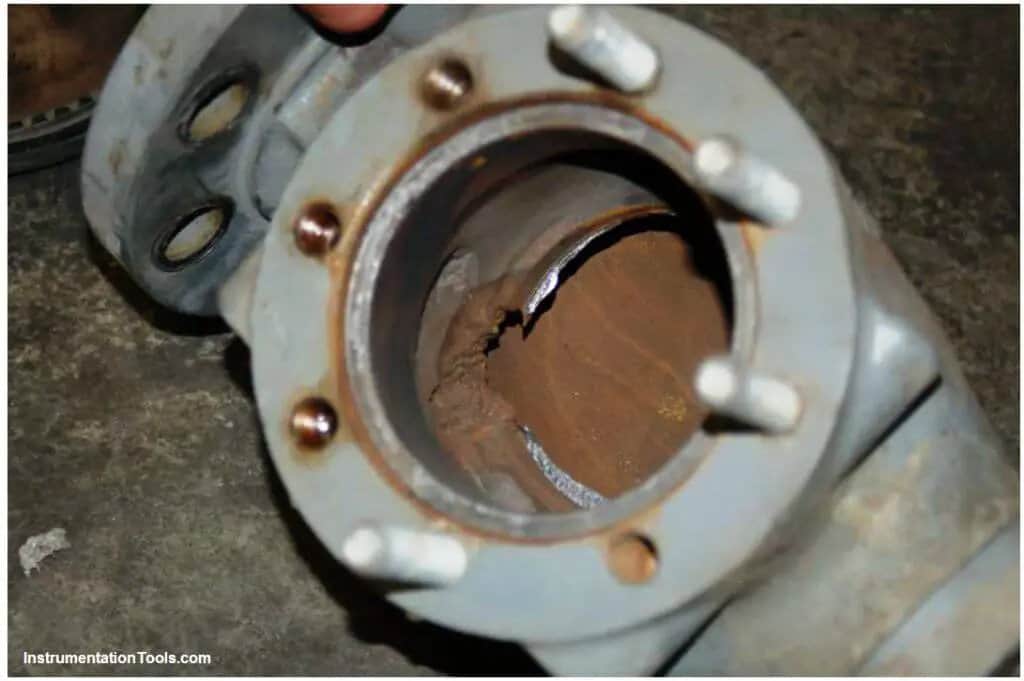
- Sealing Surface Irregularities: Sometimes, the sealing surface gets damaged due to external irregularities. It can be scratches or dents, which cause leakages from seals.
Solutions to Fix Leakage:
The best solution to gate valve leakages caused by waste deposits is to unclog it. You can flush the internal structure to remove the clog. Start by carefully opening the valve and washing plenty of water from the main supply. Repeat the opening and closing of the valve to check for problems. If the handle is difficult to move, you can loosen the nut above the valve body to allow it to move freely. If the situation is the opposite, tighten the nut.
If the shut-off failure is due to prolonged usage, consider replacing the gate valve for improved results. Cleaning can also be a good solution, but if the surface of the valve is cracking and the seat is wearing out, it is better to opt for valve replacement.
- Seal Replacement: The most effective solution for gate valve leakage is to replace faulty seats. The new seals should be able to endure the operating conditions and media. After selecting a quality seal for replacement, install it correctly for the best sealing effect.
- Proper Installation: This includes the appropriate alignment of the valve body and flanges. When installing a gate valve, position the flanges and body correctly with respect to the system. Tightening the bolts to a reasonable extent will lessen the threat of leakage.
- Repair of Damaged Components: In the event of a damaged body or other components, repair them. If body parts have visible cracks or wear, it is recommended that they be repaired as soon as possible.
- Surface Restoration: Leakages can be treated via machining due to seal surface irregularity. This process addresses the issues and enhances the sealing. It can often be a good solution for gate valve leakage.
2. Leakage Between Valve and Actuator:
The actuator is responsible for changing the flow condition of the valve by sending signals to the system. A gate valve actuator can be electronic, which requires electric signals and operates via an electronic motor. It can be pneumatic, which uses compressed air for its control. Another option is a hydraulic actuator, which requires hydraulic fluid to operate. The most common one is a manual actuator, which a person controls to open, close, or regulate.
These actuators receive a control signal from the control system and react according to the demand. They behave as an operational control system for the valve. But the most common problem they face is the leakage between the valve and actuator. It degrades the valve’s performance due to inefficiency.

Causes of Leakage:
The inappropriate stem length is the primary cause of leakage between the actuator and the valve. If the stem length does not match the valve dimension, a gap will result between the spool and the seat. As a result, they fail to connect, leaving an opening for closure, which causes leakage.
Another similar cause is the short length of the stem in the air-closing valve. It also creates a gap between the gate valve core and the backseat. The opening fails to connect these two parts, which causes inefficiency in closure and leads to leaks.
Fixing the Leakage:
One acceptable way to fix gate valve leakage between the valve and the actuator is to clean dust and waste from the stem nuts. If the gate valve is installed outdoors, it is essential to cover the valve stem for safety. When closing the valve, use sufficient force, but ensure it does not exceed the limit, as exceeding this can lead to failure.
Another solution is to keep the moving parts lubricated. If the problem is due to length differences, you can switch to the exact measurement of stem length. Consider fixing or straightening the stem nut to eliminate leaks.
3. Leakages from Stem:
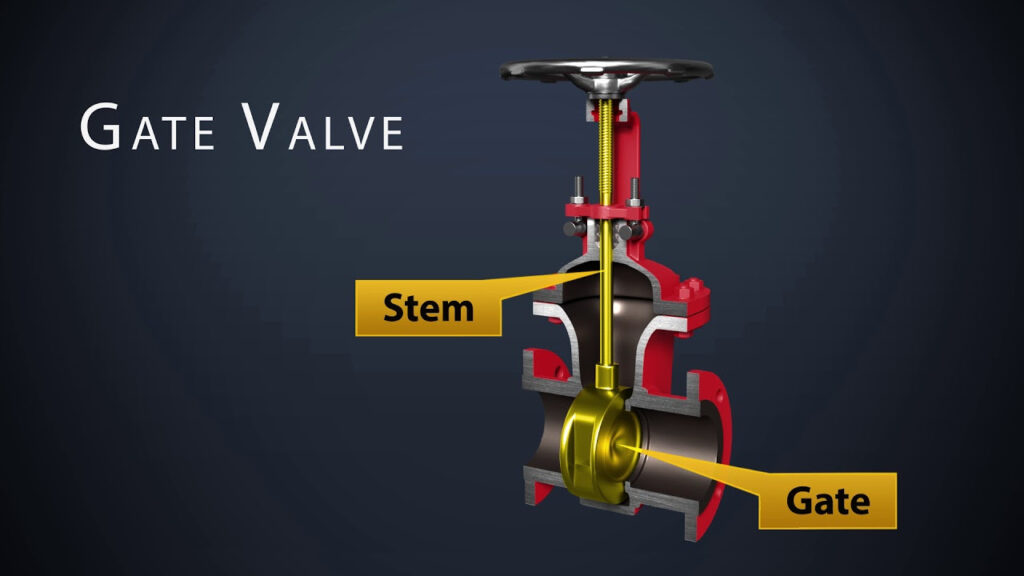
The stem is a primary part of the gate valve that continues to the bonnet and carries out valve operation. Stem leakages include fluid escaping from along the stem. Stem leakage can occur when the stem packing or seal fails to provide an effective seal. This is a common issue during gate valve installation and maintenance, and it needs to be addressed promptly, as it can be damaging.
Causes of Stem Leakage:
Corrosion is one of the primary causes of gate valve leakage at the stem. Abrasive media can cause the stem to be prone to decay. Wear problems are also associated with the exact cause. They can decline valve performance. If these conditions persist for an extended period, they can cause the stem to leak.
The weakness of valve components causes the gate to get stuck while opening and closing. Applying pressure to the handwheel or lever causes the gate or wedge to break due to excessive pressure. This scenario results in the valve’s failure.
Fixing the Leakage:
To fix the gate valve leakages at the stem, tighten the packing nut with a quarter-turn wrench. To do so, block the water supply to the valve for repair. Take the handle out from the stem with the help of the right tool and loosen the packaging nut. The odds are that the problem may be because of a worn-out washer. If so, remove the old washer and insert a new one in its place.
Now, place the packaging nut and tighten it with moderate force. Reinstall the handle to the stem and turn on the water supply to the valve. Most probably, the leakage would have stopped. If not, try tightening the nut a little more, and it should be fixed.
4. Leakage from Seat and Seal:
Seat and seal are the most crucial components that maintain the system’s integrity by providing leak-free performance. These parts are in direct contact with the flowing media. Although their job is very delicate, their faces are damaged due to their exposure to fluids. These fluids may be corrosive or contain chemical contents. It degrades the seat and seal quality and may break or crack at points. Due to the long time span, their sealing capacity may be lessened. Both conditions cause gate valve leakages from the seat and seal.

Causes of Leakage:
Waste deposits are a top cause of seat or seal failure. They start to pile up at the base of the valve, causing a dislocation of the seat and seal. This also affects the other gate valve parts, causing them to leak from multiple locations.
If the temperature of the sealing cavity rises from the set level, it may cause burnout to the seat and sealing surface. This condition can also occur when there is a low level of flushing fluid. Pressure drops to the chamber, and damaged O-rings can cause poor sealing.
Fixing the Leakage:
The most effective solution to prevent seat and seal leakage is to remove the accumulated dirt from the valve. You can tighten the nut from near the gland to avoid leakage problems. This will block waste from interacting with the inner parts. Another solution is to unscrew the valve and replace the washer or the thread for reliable sealing.

- Seat Resurfacing: If the sealing surfaces get worn, resurfacing the seat is necessary. Machining is a vital solution for gate valve leakage in such conditions.
- Cleaning and Flushing: Removing debris from the gate and seat surfaces is crucial. We can prevent seat leakage by regularly cleaning the area around the seat to remove waste and debris.
- Gate Realignment: In cases where gate warping is the cause of seat leakage, the gate needs to be realigned. Proper alignment between the gate and seat is necessary for a tight seal.
5. Body Cavity Leakage:
Gate valves are commonly used to control the main water supply in homes and offices. They control the water supply to the whole area with a keen focus on durability. Yet, these valves can be prone to leakages in outdoor conditions and large flow control applications. The washer, which uplifts sealing, becomes hardened and cracky over time. It can cause the gate valve to leak even in the closed position. It is one of the worst forms of gate valve leakage as it has the highest potential for damage.

Causes of Body Cavity Leakage:
When closing the valve, applying high mechanical stress to the actuator or handle can cause physical damage to the internal components. The valve’s sealing mechanism may seize up and leak even after it is closed.
Media with waste content can be a significant cause of gate valve leakage in the closed position. These tiny bits of waste accumulate into a mass and often settle at the sealing surface. It can cause the mechanical inability of the gate valve to close correctly, and thus, the fluid continues to leak even after the valve is closed.
Fixing the Leakage:
If the gate valve leaks with high media content, you may need to replace the problematic parts. After blocking its media supply, you can open the valve and check for the damaged details. Consult an expert if you are unable to understand or address the leakages.
You can fix moderate or small leakages by drilling a hole near the gate on the valve body. Push the entrance towards the floating ball and insert a metal screw in the hole. It will solve the leakage problem.
Temperature Limits for Gate Valve Materials:
Here are the top materials for gate valves, along with their corresponding temperature limits, to prevent leakage and valve decay.
Iron is a resilient gate valve material that performs well if the temperature limit exceeds 450°F.
Brass is a popular gate valve material that exhibits excellent properties when the temperature does not exceed 450°F.
Stell steel is a sturdy material suitable for valves to perform in high-temperature and high-pressure conditions.
Stainless steel gate valves should be installed for corrosive media in low-temperature conditions.
How do you prevent gate valve leakage before it arises?
Here are the measures to avoid gate valve leakages even before they arise.
- Proper Valve Selection:
Proper valve selection requires paying attention to certain factors. When choosing one, understand the handling media and the corrosion resistance of the gate valve. An efficient sealing mechanism is essential to prevent future leakages.
- Maintenance and Inspection:
You can do a thorough inspection check on gate valves after regular intervals. The maintenance includes examining components and repairing any damage. Addressing gate valve leakage issues at an early stage can prevent future leakages.
- Correct Installation:
Ensure you install the gate valve according to the manufacturer’s guidelines. The body and flanges should be aligned appropriately. The nuts and bolts should be held tightly to reduce the chances of leaks.
- Optimal Stem Packing:
Pay attention to stem packing selection and installation. Use high-quality stem packing materials that match the fluid nature of the stem. Use the proper compression, but avoid overpressure as it can damage the component.
- Fluid Control and Filtration:
Fluid control measurements can clear the debris from the gate. The most effective solution for capturing solid waste is to install filters before the gate valve location. It will prevent solids from entering the mainstream. It is a significant solution for gate valve leakage.
- Adequate Closure Force:
Apply enough closure force to the gate during valve operation. The proper actuator changes prevent leakages due to the lack of closure force.
- Corrosion Prevention:
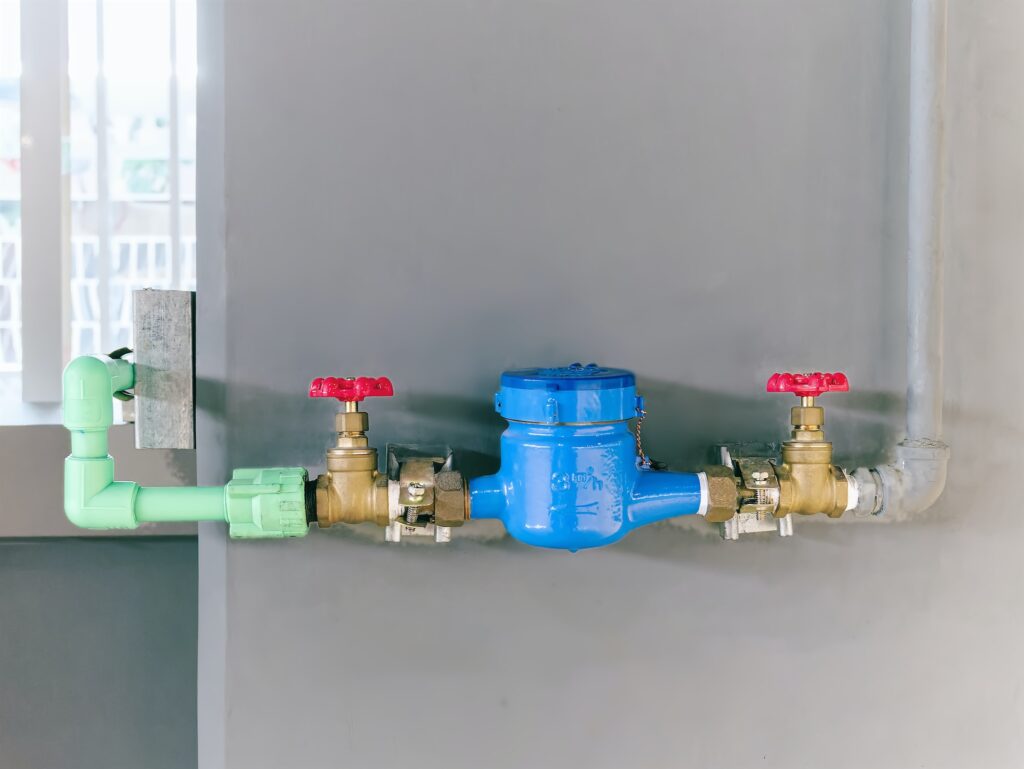
Use corrosion prevention measures, such as selecting valves with corrosion-resistant materials. Corrosion can compromise the sealing surfaces, leading to leaks.
- Training and Awareness:
Train personnel involved in operating and maintaining gate valves. This includes educating them about proper valve handling and maintenance procedures. It will highlight the importance of inspections in identifying potential leaks early on.
FAQs on Gate Valve Leakage:
Q: What is gate valve leakage?
A: Gate valve leakage occurs when the fluid leaks through the valve when it should stay closed.
Q: Why does gate valve leakage happen?
A: Gate valve leakage may occur for a variety of reasons. Common causes of leakage are seal degradation, improper installation, corrosion, or erosion. Another reason can be high fluid pressure and external force.
Q: What does improper installation have to do with gate valve leakage?
A: If a gate valve is not installed well, gaps can let fluid escape. Proper installation can help prevent leaks by filling the gaps.
Q: Can corrosion cause gate valve leakage?
A: Yes, corrosion can cause gate valve leakage. Gate valve parts can be damaged when exposed to corrosive media.
Q: How does high fluid pressure contribute to gate valve leakage?
A: If the fluid pressure is too high for the valve’s capacity, it can overpower the sealing mechanisms. High pressure can also damage the valve, resulting in leakage. It is essential to keep the fluid power as instructed by the manufacturer.
Q: Can mechanical damage cause gate valve leakage?
A: Yes, mechanical damage to gate valves can lead to leakage. Foreign pressure or mechanical stress can badly affect the sealing capacity.
Q: Why is it essential to fix gate valve leakage?
A: Valve leakage can cause environmental concerns and damage surrounding equipment. Therefore, it would be best to fix the leakage to avoid such problems.
Q: What should I do if I notice gate valve leakage?
A: If you notice gate valve leakage, it’s essential to report it to a responsible adult or supervisor. It may be contacting maintenance personnel or valve experts for replacements. Follow the instructions on the five types of gate valve leakages, their causes, and solutions.
Conclusion:
Gate valve leakages can lead to severe consequences. It’s best to adopt proactive measures. If the leaks increase, identify the type and location of the leak. You must purchase a gate valve from a trusted gate valve manufacturer. A good product is resistant to potential leakages early on.
If leakages occur, identify them based on the above 5 types of gate valve leakages. You can then solve every kind of leakage by following the above instructions. The personnel handling the gate valve should be aware of the causes of leakage and be able to identify and rectify them.