Floor drains are essential plumbing fixtures. They drain liquids from our homes, including the water we use. Proper drainage is impossible without floor drains, which connect with central sewer systems and eliminate wastewater.
What is a Floor Drain?
A floor drain is a plumbing fixture we install on the floor to remove water that flows around it. Plumbers recommend putting floor drains at the lowest point of the floor so that all the unnecessary fluid flows across it. With the help of gravity, standing water drains through the holes in It.
When cementing floors, we place drains before their construction. The user should place the floor drain at the right site for perfect functioning. Toilets, shower areas, and rooms are the locations where the positioning of floor drains is essential to note.
Types of Floor Drains:
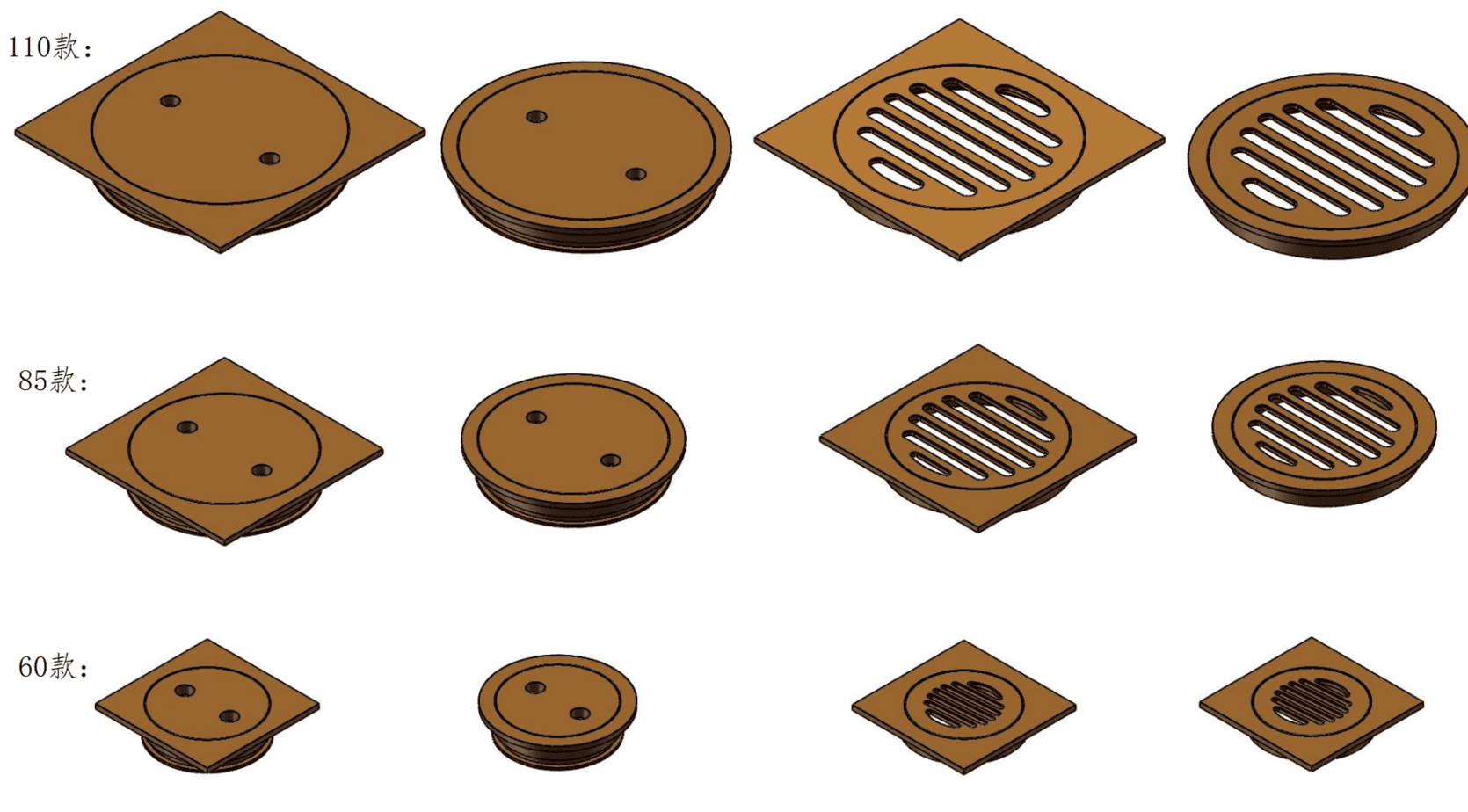
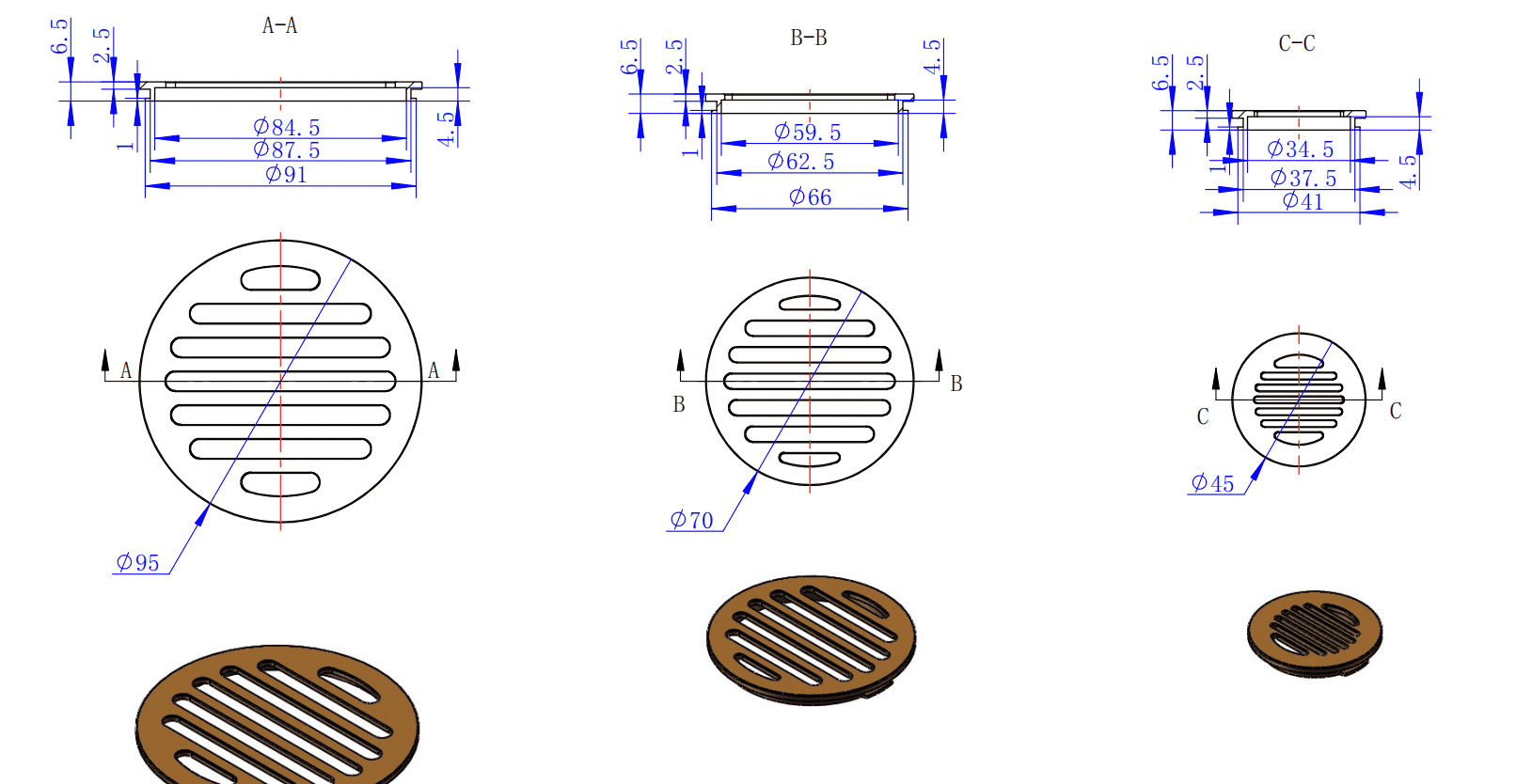
Typically, depending on the shape, floor drains have four types.
- Baseboard Drains: Baseboard drains have excellent properties for covering high drainage. We install them mostly in places like basements and old houses. They work well to drain flooded water. Baseboard drains have an internal connection with a pipe, and the drain leaves the room through a pipe.
Baseboard drains are economical. They do not cost much and are easy to afford. One of the pros of baseboard drains is that they do not need to tear up the floor. We can install them at places where standing water has to be evacuated.
Baseboard drains can be a good solution for short-term operation. Yet, they have cons for long-term use. Water drains through these only when it is spread all across the floor. It might not be good enough to remove water in the beginning.
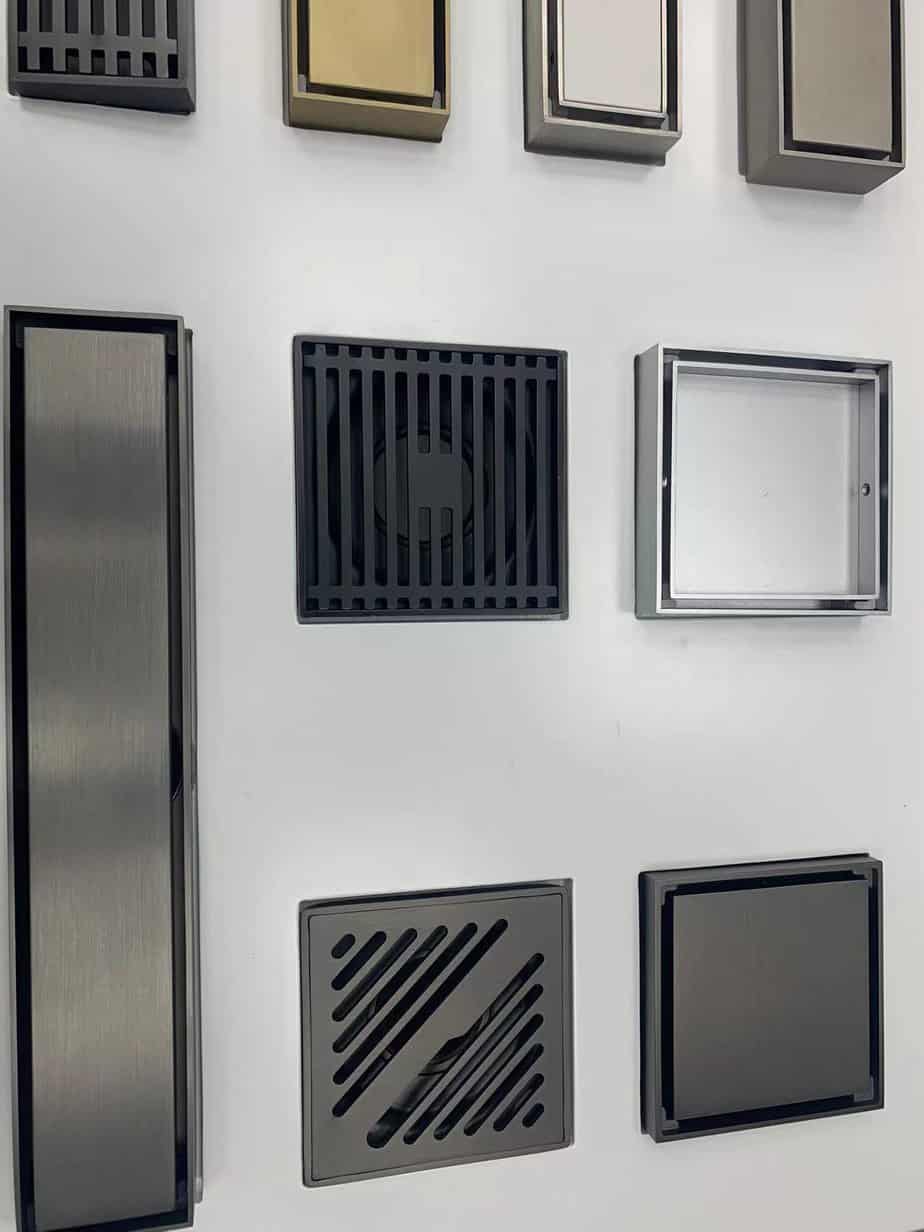
- Box Drains: Box drains are the simplest type of drain we use. They come in two shapes: round or square. Before draining water into the pipes, hold it over a box. A few floor drains of this type come with a basket to hold the waste.
Box drains are often floor-based, but they are also present in showers. Showers can have a circular or square-shaped box drain water handling. They may get blocked due to solid waste and need more frequent cleaning.
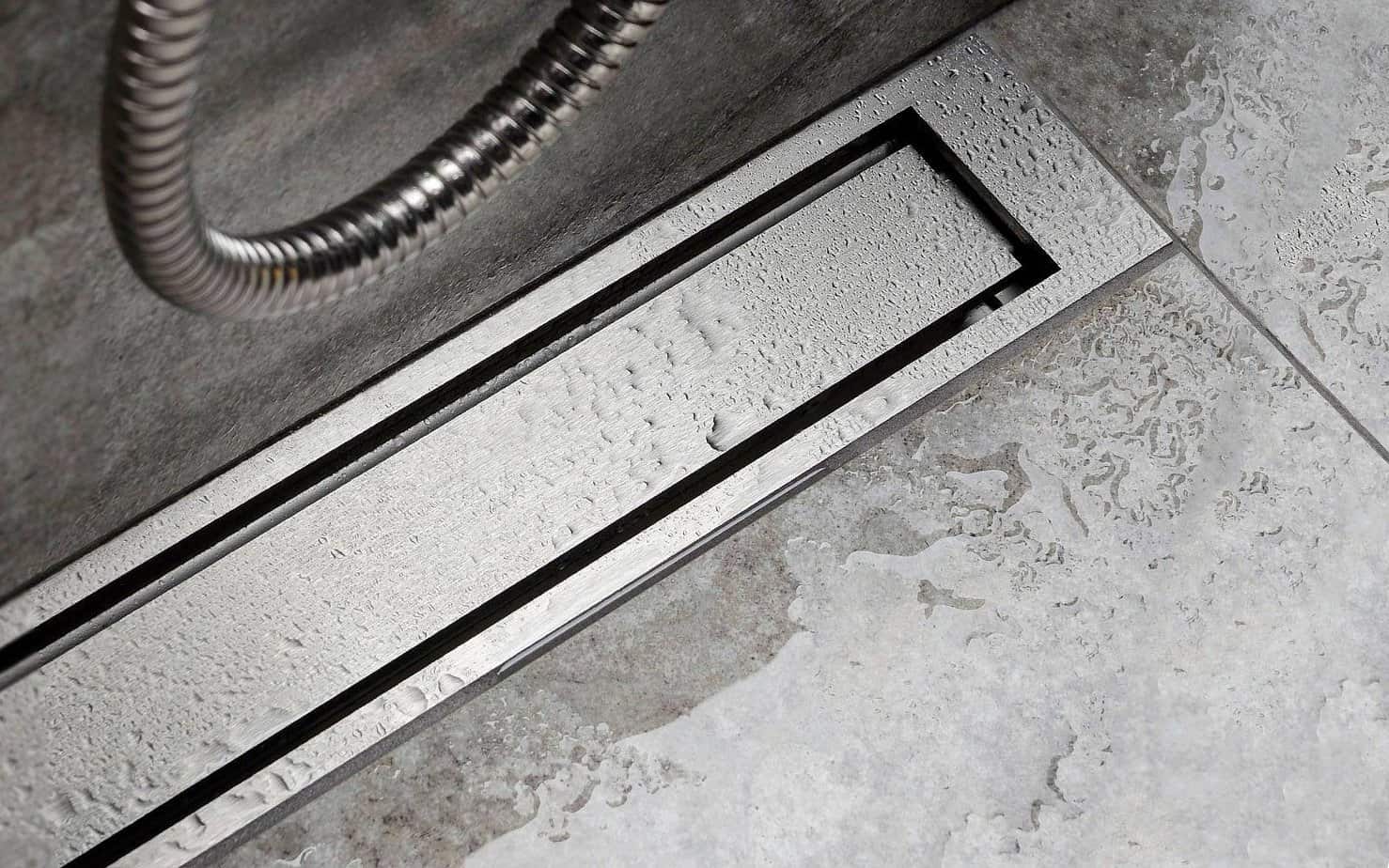
| Specifications. Product: Stainless Steel Square Box Drain. Material: Stainless Steel. Shape: Round head. Connection: Male type. Standard: ANSI, DIN, JIS, GB. Applications: Bathroom Toilet cover, Floor drain, Backflow preventer drainage. |
- Interior Parameter Drains: As the name indicates, this is an interior drain. It has a drain cut into the floor around the space perimeter from where water needs to be removed. They usually block water leakage with the help of a foundation wall around the area boundary.
This floor drain, also known as the French Drain, efficiently drains water from rooms or buildings and can even prevent walls from moisture attacks. The interior floor drain runs throughout the house with the walls. It carries drainage to the sewer pipe or sump pump, where it leaves the house.
These drains contain piping. If the drain is installed during the building construction, we can slope the floor to the perimeters. In the case of a concrete or cement floor, it has to be cut from the edge, which can create a lot of trouble.
- Foundation Drains: Foundation drains lie under the foundations of newly built houses. They are not visible as they fit underground. They are pipes that absorb water from under the walls. On the other hand, foundation drains link with sewer pipes that take waste for disposal. They can be either wastewater drains or groundwater drains.
How To Perform The Pressure Test Method On Different Brass Valves?
Floor Drain Connections:
Floor drains collect wastewater from houses or buildings. This waste needs proper disposal. For this purpose, we connect drains to either of two types of pipelines: a Wastewater drain system or a Groundwater drain system.
- Groundwater Drain System: Groundwater drain systems do not require piping or venting. They take the water from homes and dispose of it in the soil at the back of your house. It, thus, moves water away simultaneously, keeping the soil’s water content in balance.
Pros:
- The groundwater drainage system nourishes the soil by releasing water into it. It prevents soil from drying out.
- Houses would not require much if we installed more economical drains.
Cons:
- Roots of trees in the backyard can damage the PVC pipes in the house.
- THIS drain works well if the soil has low or moderate water content. In higher levels, the water may not get proper drainage, and the results can be damaging.
- The pipeline buried in the soil can get damaged within the low-temperature regions. They result in clogging of the drainage system. It can get worse if tree roots collide with the underground pipings.
- Wastewater Drain System: The usual drain system is common in use. They take wastewater from homes and empty it into the main sewer pipeline. Yet, this method can result in a foul smell in the house from sewage. We can treat this problem using a preventer or a P-curve in floor drains. It can prevent water from passing a horrible smell.
We can prevent the smell by another method. These drains contain a vent pipe that takes all the odor from bathrooms and the interior towards the roof or housetop. This way, no inconvenience occurs.
Water evaporating in drain pipes can also cause a smell. For this purpose, some wastewater drains come with a water trap. The trap simply adds water from the waterline to a pipeline that treats the scent. Such an apparatus is called a trap primer.
Pros:
- Unlike groundwater drain systems, the pipelines are not affected by the high water level in the soil. The pipelines work well under such conditions, and water quickly drains to the sewage line.
- This type of drainage system saves your garden from soil erosion. It ensures no water leakage occurs in the ground and takes water through pipelines. Thus, it saves your garden for plantation.
- Water flowing without proper control can be life-threatening because it can come into contact with electricity poles directly. It also ensures that no excess water flows through the wall bases that can damage the property.
- All the waste, including human waste, leaves the house and drains into the municipal sewage pipes. This way, waste is eliminated through the pipelines without mixing both types of waste material.

Cons:
- Wastewater drain systems can be more expensive. They require installing large pipelines from your home to where they connect with the sewage line. The groundwater drainage option is a bit more affordable in such cases.
- As with municipal sewage pipelines, Heavy water flow or rains can create a backflow. This backflow can send sewage to household pipelines, which can be problematic sometimes.
- Such drain systems require regular maintenance. They get clogged up with debris that needs evacuation over time. It is necessary to have drains working.
Why Should We Install Floor Drains?
Floor drains are a must for water removal. Without them, water removal is impossible. They provide a systematic arrangement of pipes to drain the water. Sometimes, basements are neglected when floor drains are installed. Here are a few valid reasons to install floor drains in basements.
- We often use basements for laundry purposes. We keep washing machines there, so we must install floor drains for wastewater removal.
- Basement floor drains aim to evacuate liquid waste only. It is wrong to treat these drains with solid waste material. Such drains keep working through regular maintenance. No solid junk should be allowed through it.
- The basement serves as the home’s foundation. If excessive water keeps flowing or standing in the basement, it can create trouble. This problem can lead to damage to walls and the home foundation. A floor drain can save the day in the long run. It removes standing water and prevents one from getting in trouble.
- Though the basement floor needs regular Maintenance and can sometimes be tiring, it is an excellent choice for obvious reasons we cannot deny. It is perfect for making arrangements before severe issues due to draining water.
Conclusion:
Floor drains are necessary for every home, from bathrooms to basements; we need them everywhere. All industries and laundry rooms cannot function without a floor drain. Choosing a good-quality drain that lasts and does not wear out is essential.
Before choosing a drain, you should know about your floor type and the connection where it has to drain. A little more care can save you from getting backflow and foul odor.