A brass pressure-reducing valve is a valve that reduces the external high pressure of water to a lower pressure. They fix the primary water line next to the shut-off valve. The water moves via the valve; it passes via the diaphragm linked to the spring. Yet, it lowers the pressure of water up to the desired limit. However, the water moves from this valve via the other end.
Once the PRV is set, the pressure remains constant despite changes in the supply pressure and system load variations. A brass pressure-reducing valve holds the pressure in the home at a suitable steady level.
Why is Brass Pressure Reducing Valve So Important? Why do we need it?

This valve keeps your pipe and plumbing fitting from bursting due to the high water pressure. Water pressure can put stress on your lines. Yet, this high pressure causes damage or breaks the plumbing fitting, leading to seepage. This pressure-reducing valve saves water. Yet, the less pressure it provides, the lower the water flow load and the safer the environment.
It also aids in keeping the energy consumed by high-pressure water flow. Water flow with low pressure requires low power for the load. Ultimately, it helps increase pressure safety in plumbing maintenance. Yet, it lowers the problems with your plumbing system due to the water’s high pressure.
Extends the Lifespan of your appliances and fixtures: All plumbing related to devices and fixture building handles water pressure between 50-80 psi. Yet, your main water line pumps water to your home at 150 psi.
This diversity means a high tension level is set on your plumbing framework. Ultimately, it leads to frequent repair and costly replacement of some parts. Your appliances and fixtures have a longer lifespan if you maintain proper water pressure.
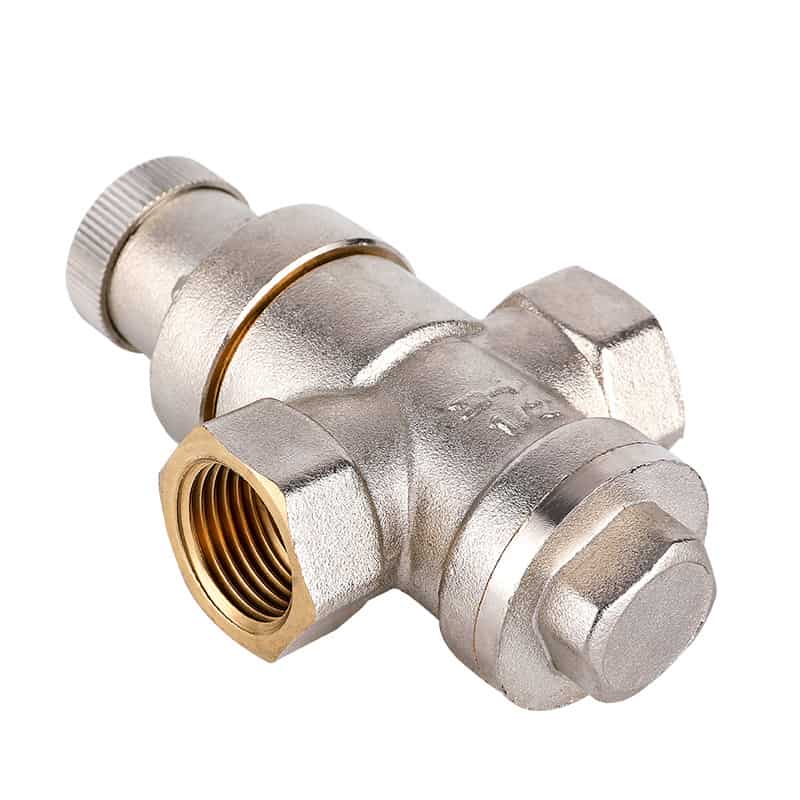
What are the types of Brass Pressure Reducing Valves?
Here are the main types of this valve;
· Internally piloted piston operated
· Externally piloted piston-operated
1) Direct Acting
The most common type of pressure-reducing valve is direct-acting. It works with either convoluted bellows or a flat diaphragm. Yet, it is self-maintained. It does not require any outer detecting lines downstream to work.
This kind of PRV is the most economical of the three valve types. It is designed for low to moderate-streams.
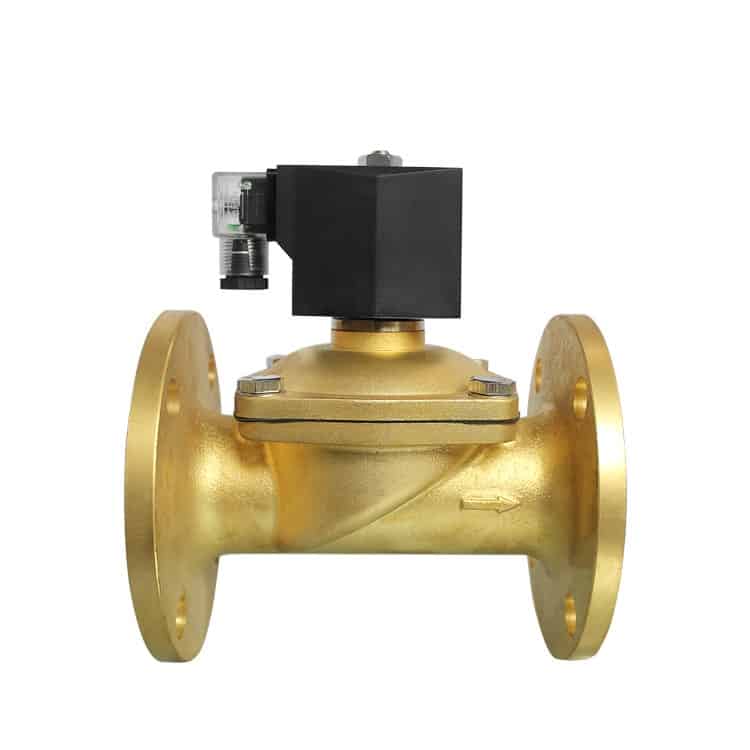
2) Internally Piloted Piston Operated
This pressure-reducing valve has a pilot and a primary valve in one unit. The pilot valve has been built similarly to that direct-acting valve. The release from the pilot valve acts on the piston’s top, opening the primary valve. This build uses inner pressure to open a sizeable primary valve that could otherwise open directly.
Finally, there is a large capacity per line size. Yet, this kind of PRV has greater accuracy than direct acting. In direct-acting valves, the pressure is detected internally. Yet, it removes the need for outer detecting lines.

3) Externally Piloted Piston Operated
Externally directed. In this kind, a twofold diaphragm supplants the piston operated by the internally piloted plan. This extended diaphragm area can open a tremendous primary valve. It permits a more central limit for each line size than the inside piloted valve. Yet, the diaphragm is more tender to pressure changes.
However, that implies an accuracy of +/—1%. This excellent accuracy is because of the area outside the valve of the detecting line, where there is less turbulence. This valve also offers the adaptability to operate various kinds of pilot valves.
How do Brass Pressure Reducing Valves Work?
A PRV valve takes a high inner pressure and decreases it to a lower external pressure. It ensures this below both non-flow and flow conditions. This kind of control is called drop-tight. It applies the balance diaphragm and spring to keep the downstream pressure. This tight drop feature is one of the essential standards for any PRV. Yet, it stops the pressure from creeping.
Creeping occurs when the increase in downstream pressure occurs below no-stream conditions. A valve that permits this creep cannot be called the drop-tight or true PRV. It will eventually enable the pressure to creep up to equal the upstream pressure. Yet, this will cause the main issues and necessarily deny the point of applying the PRV in the first place.
The diaphragm separates all the water link elements and the pressure from the main water supply from the control spring and other link mechanisms. The body protects itself from waste materials by applying a filter. In case of no flow conditions, the downstream pressure puts back pressure on the diaphragm and valve seats. This pressure rotates and overcomes the spring pressure.
The seat will move up, forcing it to lock against the diaphragm. Therefore, it will not permit the downstream pressure to be higher. In an underflow condition, the back pressure against the seat decreases. Yet, this causes the seat to open. Water will flow through this valve.
From Fabio Malgorani
How to Size a Pressure-Reducing Valve?
The size of a pressure-reducing valve depends on two things. The first is flow rates, and the other is application. The applications state the kind of valve that is used, whether it is a domestic, industrial, or commercial installation. Flow rate is an essential aspect for measuring the size of a pressure-reducing valve. Incorrect measurement of the size of the valve creates various issues.
Yet, if you oversize the valve seat, it may open for a lower flow rate. Although this is suitable over time, it results in wire drawing through the valve seat. A wire drawing occurs when the seat position and valve seat work closely to shut off the valve. This means the water flows away in the seat material, which remains.
It is done when the valve is closed tightly to the shut-off position. This permits a small stream and pressure to creep through the valve. To measure the size of the flow rate, you need to work out how many outlets are required and what the total maximum flow rate for these will be. Here is the table to ascertain which size valve is needed.
Size Guide for Pressure Reducing Valve
| Commercial building | Residential building | |
| Size DN | Max flow rate | Max flow rate |
| 15 | 0.5 | 0.5 |
| 20 | 0.9 | 0.8 |
| 25 | 1.5 | 1.3 |
| 32 | 2.4 | 2 |
| 40 | 3.8 | 2.3 |
| 50 | 5.9 | 3.6 |
| 65 | 9.7 | 6.5 |
| 80 | 15.3 | 9 |
| 100 | 23.3 | 12.5 |
| 125 | 34.7 | 17.5 |
| 150 | 52.8 | 25 |
| 200 | 92 | 40 |
For prominent commercial uses, various-sized keys apply. For instance, the flow rate is sometimes lower than at others. Applying the different, smaller-sized PRVS in parallel is more beneficial. Yet, you can also use one smaller valve as a bypass. Thus, the flow rate is less than regular, permitting water to move past the valve. It will not affect either wire drawing or making sound through the valve.
Main Components of a Pressure-Reducing Valve

The pressure-reducing valve involves various parts that help with proper function. Here are the main parts
- Valve body
- Pilot regulator
- Large control filter
1) Valve body
It has the inner V port throttling plug, which offers a stable and accurate response to pressure and flow regulation. This response lowers vibration and sound. The V port throttling plug also enables the valve to work near zero without hunting.
2) Pilot Regulator
It handles the stream of water in the control chamber. It’s called the brain of the valve. The needle with this regulator assists in keeping the constant pressure.
3) Large Control Filter
The third part of PRV is a significant control filter. The valve operates error-free and requires minor maintenance. Yet it is essential to filter the water by moving the pilot regulator. The filter induces the reliability of the control valve system and reduces the frequency of faulty work and maintenance upkeep.

How High Water Pressure Can Affect Your Plumbing
Pipe leaks
Uniform high water pressure eventually breaks down pipe joints. Minor hole releases could slip through the cracks.
High pressure causes a water hammer. It happens when quick water stops by something like a spigot, switching off. When pressure is higher, the water hammer’s impact is boosted. With a PRV, the water hammer can be better controlled.
Water heaters
Water heater breaks and blasts are normal circumstances. This is caused by higher-than-needed water pressure. Water expands as it warms up. Most water radiators have an “extension tank” intended to offload this expansion.
In high-pressure homes, your hot water tank might have a lot of water because the pressure creates more water than is needed. When the water rises due to getting hot, it has no place to flow. This causes breaks, and the tank explodes.

Washing machines, dishwashers, and other water-utilizing machines
Assume your search in the consumer manuals of most water-utilizing machines. In that case, they are designed to take water pressure no higher than 80 psi. Higher pressure will put devices under consistent pressure and break them down more quickly. The worst situation is that the water strain can break the hose of an appliance. Yet, it becomes isolated, which will cause holes and overflows—destroying your floors.
Lavatories
Lavatories and other pipe installations are planned to deal with a strain of around 80 psi. High water pressure can break down the flushing tool of the latrine tank. Yet, it can move a concise latrine flapper spill into an excessive water waster. Yet, as more water rushes into the tank faster, it loads and tops off.
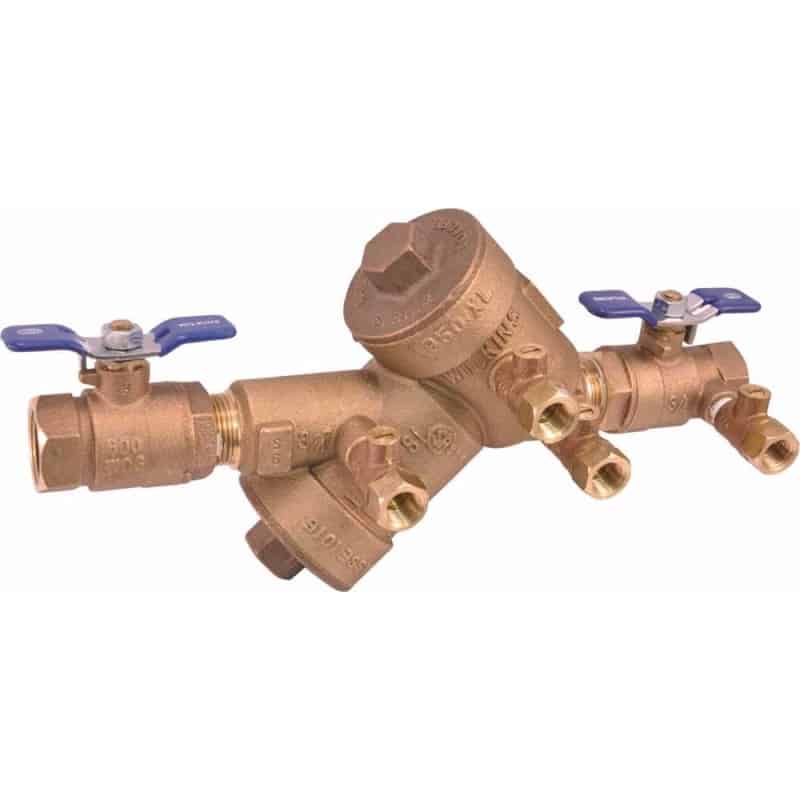
Some Applications of a Pressure-Reducing Valve
Steam Services
The most pressure-reducing valves are used in steam applications, which include turbines, steam engines, and steam supply.
Water Services:
Brass PRV has various applications in industrial and domestic water supply services. It is also used in fire protection frameworks. In standard, the direct-acting PRV suggests these services. Yet, in a high-pressure demand situation, keeping system pressure becomes very difficult. It applies to pipelines that efficiently maintain the pressure downstream to a suitable level.
Air or gas services:
Both pilot-operated and direct-acting apply to gas and air services. It applies in
- power tools
- air system
- pneumatic control system.
- And the control valve for the industrial distribution and storage systems.
The choice of the kind of PRV for these amenities depends on the correctness of control needs.
Significant advantages of pressure-reducing valves
Here are the critical benefits of a pressure-reducing valve.
- Low cost with easy design
- No outer energy source
- Easy to maintain and high reliability
- Separate the measuring parts or feedback controller are not needed.

FAQs about the pressure-reducing valve
How do I know if U have a PRV?
If you understand where your water shut-off valve is situated, you can look for the PRV. It has a bell-like shape and is usually within a few feet of the shut-off valve.
Are the pressure reducing valve and pressure relief valve the same?
No, both are different and do not apply to the same purpose. The PRV must be used to maintain or reduce the pressure on the system. It decreases the system’s pressure more than its maximum pressure. The pressure relief valve restrains the maximum pressure in a hydraulic system.
Final Words:
Standard water pressure is the code for maintaining plumbing in your home. If you leave it unchecked, high-pressure water will affect everything in contact with your plumbing system. So, it is vital to install a pressure-reducing valve in your home. Maintaining your home’s water pressure with the help of a PVR helps. Your one-time purchase of the valve can save a lot of energy you will spend repairing the device that comes in contact.