A drain cleanout is integral to our waste disposal and plumbing system. Every homeowner should know the position of the drain cleanout. The homeowners should also ensure that their renters know about it.
The drain cleanout permits access to your main sewer line. Yet, it presents your home’s inner, outer, front, or back yard. It is also called the main home trap when situated inside the house or the sewer cleanout when it is set outside the home. The majority of cleanouts go unobserved until there is an issue. They seem like capped pipes sticking up a few inches above the ground.
A plumber applies a plumbing pipe-detecting camera to determine if there is a blockage in your house’s drainage. This may be vital if they are having an issue clearing the clog or if you have problems with your primary sewer drain. First, the plumber identifies the kind of blockage and its position. After that, he chooses a suitable-sized blade to cut through it.

Why do you need a cleanout?
When an obstruction develops in a sewage line, tree roots, inadequate venting, and problems with the septic system can also be accounted for. Compacted waste material is the cause of these obstructions. Most compressed trash can be handled by a sewer drill, often a motorized device. But unlike a toilet or drill, you cannot put it into the sewage system via a lavatory or fitting drain. It’s vast and might break the pipe or the ceramic. That’s why sewage cleanouts are necessary.
There are often many cleanouts on the main waste line, which joins the home’s sewage to the municipal sewer or septic tank. One or two are buried beneath the ground along the line, whereas the other is usually outside the home. Cleanouts are rarely seen in the yard when sewer systems are buried below the frost line. In cold environments, you might find at least one cleanout in the crawl space or basement where it’s kept from frost.
Cleanouts are placed to provide accessibility to every part of the sewer line. An auger is inserted into the fitting’s sweep to reach an obstruction below the cleanout. When a clog is discovered above one cleanout, you must get it from a different cleanout since the drill cannot proceed. This is why the waste system contains many cleanout fittings.
How to Find the Drain Cleanout?
The drain cleanout is a tiny pipe concealed above the surface. Unfortunately, locating it can be challenging. Several houses have many cleanouts, and in a few rare situations, the cleanout might even be within the home, complicating things further. If you follow these instructions, you should quickly locate the cleanout.
Search Next to Your Base
Installing a drainage cleanout close to a road often proves difficult, or the homeowner chooses to build many sewer cleanouts. Drain cleanouts are close to the property when you have a sewage system. The capping will be between the sidewalk and the water system. The location where your apartment’s drain line enters the earth through the base is only three feet below.
Check the Sidewalk
The intersection of your primary and the municipal sewer line is marked. Look for the letter “S” printed or stamped along the sidewalk and curb. If you locate this line, it should be simple to visualize a straight line leading from the mark to your home, where the lateral might occur. In rare situations, you can even be privileged enough to come across a cleanout close to where you were seeking.

Move Foliage, lawn decoration, and other hurdles
The sewer cleanout can be covered or concealed if it is still inaccessible. Drain pipe clusters in complete or incomplete baths might serve as a clue. The drain cleanout is near the house, along a septic or main sewer line.
Increase the search area as needed. Begin moving any lawn ornaments blocking the yard beyond the lavatories. Remember that the cleanout may be hidden by plants or in a lawn. To make the task accessible, you might need to trim the yard because excessive grass can also be a concern.
The sewer cleanout may be buried in the yard in certain cases. For instance, you must identify where the drainage line enters the house. Use a long screwdriver to probe approximately an inch into the earth in search of the pipe’s top. Even with a reasonable, informed opinion, this procedure is trial and error. So, consider employing a pro to find the sewer cleanout.
Determine the Drainage Line’s Direction.
The septic system will have the drain cleanout near the house. It is located in line with a septic tank. Walk back from the tank to the home. Find the plastic pipe sticking up from the garden or lawn.
Similarly, a municipal wastewater system’s sewer cleanout will be near the house. If you discover the drain cleanout pipe, walking across the garden would help. The central drain line is inaccessible, even though it should be in line with the city’s sewer system.
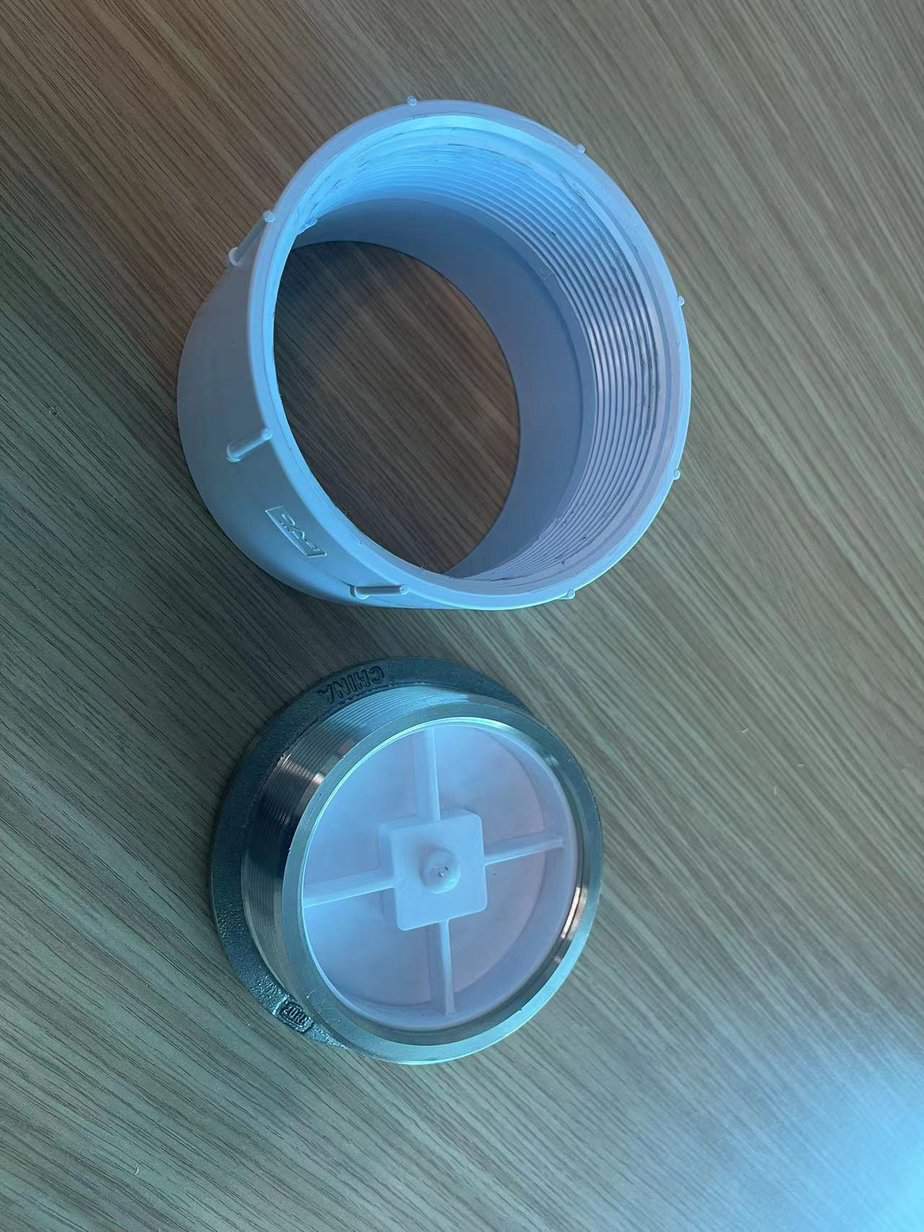
The black or white pipe has a fitted plug with a square nut. Yet, this may be marked with the letters S, C.O., or cleanout. However, a metal lid or a plastic cap will be placed over this plug. With this aim, find any objects that cover house 6, 4, or 3-inch pipes.
Look for a Y or T-shaped pip fitting within a plug or cap.
When the drain cleanout is installed inside the home, it is found on the main sewage line. It fixes before the main line links the base of your house. The drain cleanout will be in a Y or T-shaped pipe fitting. Yet, it has a threaded cap or plugs with a square nut. It may also have a plastic cap that covers this nut. Yet, the drain is only sometimes installed on the primary line. Some houses may have substitute access areas to the sewage system. So, you need to search for a white or black pipe with a square nut and threaded plug.
From TAPP PLUMBING
What If We Do Not Have a Drain Cleanout?
Backups can be cleared without drain cleanouts, though this can be more challenging. The plumber can access the sewage pipe from the rooftop or the lavatory, but both of these choices are less effective than doing a cleanup.
Option 1: Remove the Toilet

If you do not have any cleanouts, you might have to remove the toilet. This raises workers’ wages and increases the potential for toilet breakage. The professional can then clear the blockage using a drain machine. The blockage may be more complex to remove because of the tiny pipes below the lavatory.
They can be less effective at clearing a mess. You do not even realize what caused the obstruction. You can be dealing with outages or continuing issues. Are your tree’s roots spreading, or were little toys flushed? Plumbers can only offer warranties if cleanouts are used to solve the drain issue.
Option 2: Remove the Clog from your Rooftop

The sewer line cannot be accessed through the pipe, but it can be accessed from the rooftop. However, the camera and drain devices cannot remove the backlog as they cannot access the primary drain pipe. Additionally, climbing onto the roof may be dangerous for plumbers, particularly in the winter and in adverse weather.
How Much Does It Cost to Install a New Drain Cleanout?
Regardless of PVC or galvanized installations, adding a more convenient drainage cleanout to an older drainage system is a good idea. The highest cost is saved for those who need extensive retrofitting and digging.
How does the location’s climate affect it?
The cleanout can be situated in various locations according to climate variability. In colder regions, standard residences often have sewer cleanouts within the building. Homes with concrete foundations in cooler areas might have an exterior drain cleanout. Yet, the cleanout may be in a bath, carport, or kitchenette. If your house has a concrete base, you may be required to look inside and outside. External drain cleanouts are seen in the gardens of homes in hot climates.
Advantages of using a drain cleanout
A sewer cleanout is necessary for some regions, but is only sometimes required. Having a cleanout performed on your house has several advantages. Here are a few examples:
Repairs are Faster & Cheaper
A professional must remove your lavatory or ascend to your top to clear your sewer lines. Due to a sewage cleanout, they will have simple access to your sewer lateral. Your cost will be cheaper because you’ll save money and time.
Minimal Prices of Maintenance
This cleanout gives you immediate accessibility to your homeowner’s sewage main. A plumber can check each tap separately to ensure there are no obstructions.
Can I see the water in the sewer cleanout?
If you notice any sewage or water around the exterior of that cap, you certainly have a clogged drain. A clogged sewage drain is also indicated if you remove the lid and find surface water within the drain cleanout.
How Do I Open a Cleanout in a Sewer?
Finding your sewer cleanouts is simple, but opening them might be challenging. A threaded plastic cap with a molded nut in the middle is fitted on PVC cleanouts. Grab the middle nut and turn it clockwise, or “lefty-loosey,” with a pipe wrench or slip-joint pliers to release the cap. Try spray lubricant or WD-40 and wait a few minutes before starting again if the lid is difficult to remove.
Caution
After using the lubricant, avoid applying heat. Spray lubricant has a high ignition risk.
Size of Cleanout and Clearance Distance

How to Unclog a Main Sewer Line?
- Finding the area of your main drain cleanout is the initial step.
- Loosen the drain pipe cap (Cleanout Pipe)
- Remove the drain cap and let the buildup drain. Step aside swiftly once the drain cap has been removed.
- Place the snake inside the pipe.
- Use the tool until the blockage disappears.
- Clear out.
Check out our products.