
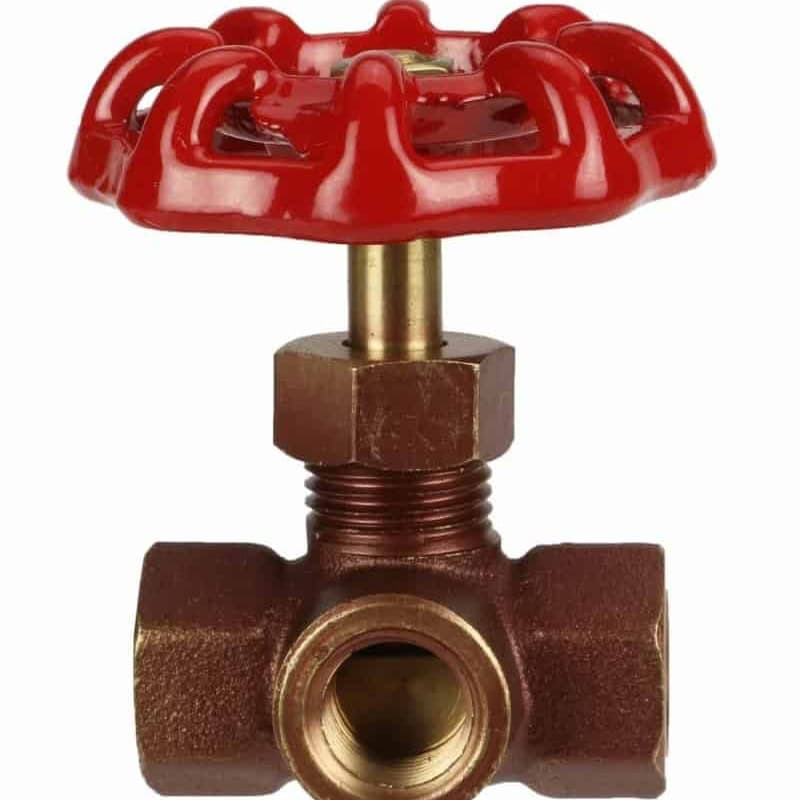
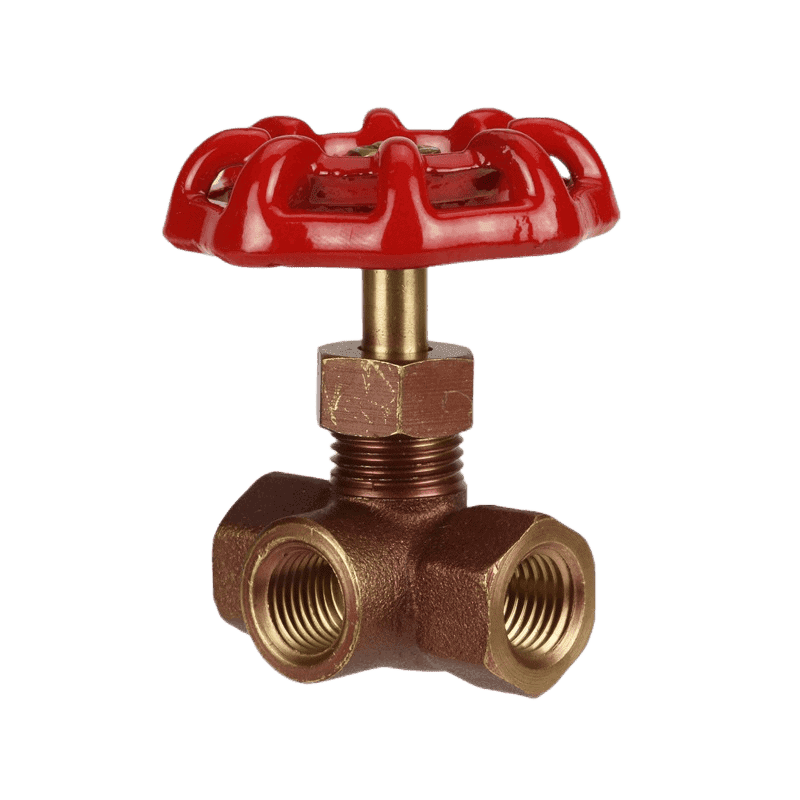
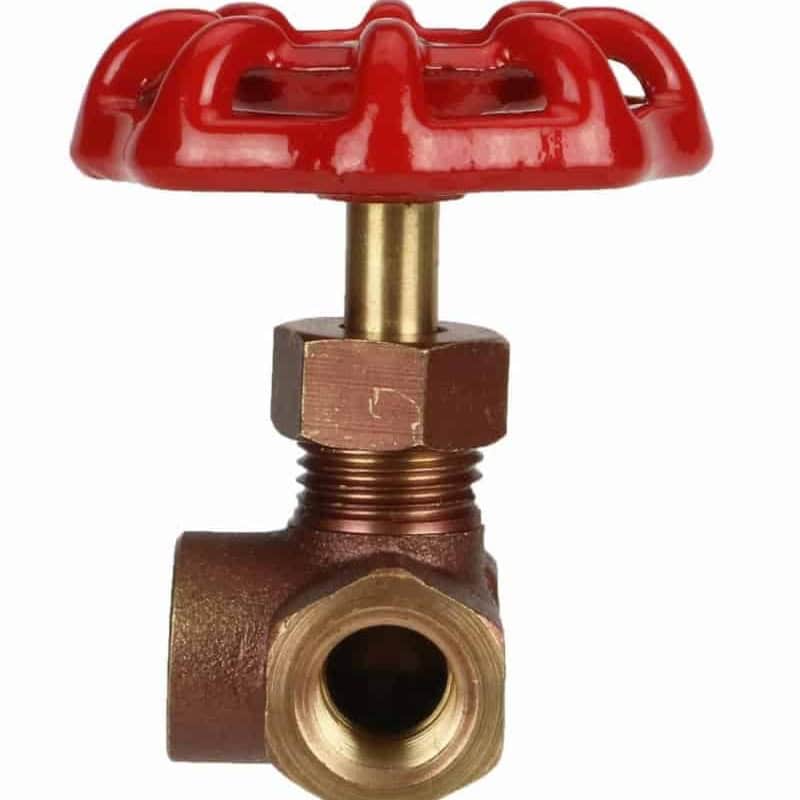
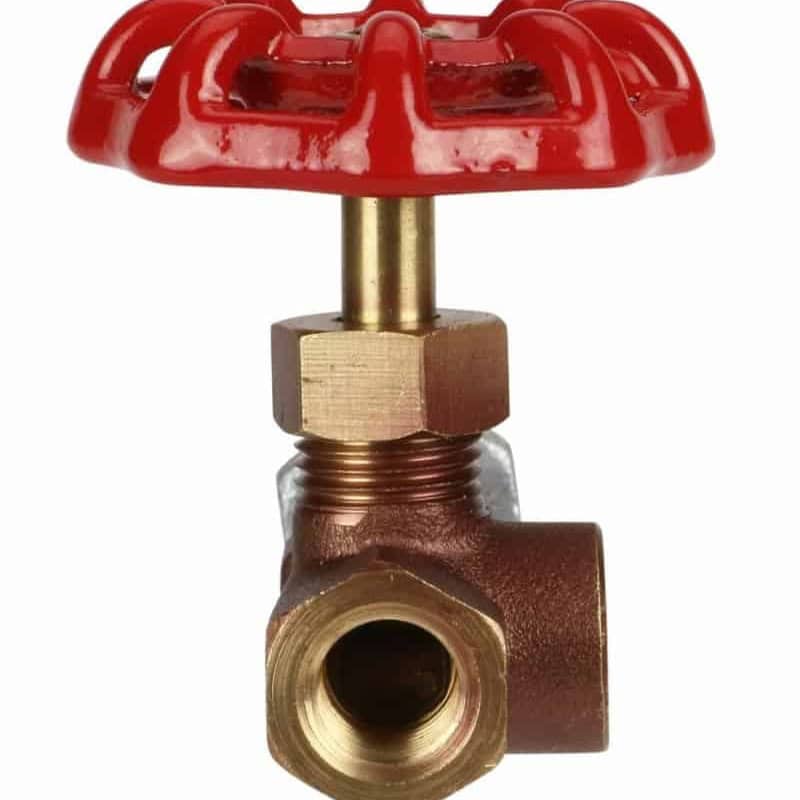

Three-way Stop Firehydrant Valve
JX-0852
- Brass Valve 1″ IPS
- Cast Brass
- Standard installation of trim and drain valves for the Fire Sprinkler Industry
- Water, oil, or gas – 200 psi
- Rising stem
Introduction: Introduce the three-way stop fire hydrant valve and explain its purpose
A three-way stop fire hydrant valve is a type of valve used to control the flow of water from a fire hydrant. It has three ports: one for incoming water, one for outgoing water, and one for air. The incoming water port is connected to the water main, the outgoing water port is connected to the fire hose, and the airport is connected to the air compressor. When the valve opens, water flows from the incoming water port to the outgoing water port and then out to the fire hose. When the valve is closed, the water flow from the incoming water port is cut off, and only air flows from the air port to the fire hose. This allows firefighters to control water flow from a fire hydrant without using a wrench.
How it works: Explain how the valve works and differs from traditional valves.
A valve is an important device in many industries. It is used to control the flow of fluid, gas, or solid material. The traditional valves use a rotary motion to turn the valve plug and open or close the passageway. However, this type of valve can be slow and difficult to operate. Valve recently developed a new kind of valve that uses a linear motion to open and close the valve. This new type of valve is called the Linear Valve.
Advantages: Discuss the benefits of using the three-way stop fire hydrant valve
When it comes to firefighting, the three-way stop hydrant valve has a lot of advantages over other valves. For one, it’s much easier to open and close than other valves. It also has a better flow rate, meaning more water can be pumped through it quickly. This makes it ideal for fighting fires in large areas. And finally, its design makes it less likely to get clogged or blocked, which can be a significant problem with other valves.
Disadvantages: Discuss the disadvantages of using the three-way stop fire hydrant valve
The three-way stop fire hydrant valve has several disadvantages that should be considered when deciding if it is the best option for a particular application. The valve can be challenging to operate, and getting the water flowing in the right direction can be challenging. Additionally, the valve can leak, which can waste water and create a safety hazard.
FAQs
1. Why choose a Three-way Stop Fire-hydrant Valve?
The three-way stop fire-hydrant valve handles three jobs at the same time. It delivers the main water supply, offers a one‑way water outlet, and shuts off the flow for maintenance. You do not need lots of extra valve parts. This makes the whole pipe setup much simpler. People use it often for firefighting water supply, outdoor pipe network repairs, and multi‑branch water supply work.
This valve lets you shut off only one branch pipe while the main pipe system remains on, so workers can check and repair local pipe sections without cutting off water to the whole area. This built‑in three‑way style has fewer connection points than ordinary two‑way valves. Fewer joints make leaks less likely to happen there, and the tough valve body can hold up to normal working pressure from the pipe network.
2. Does the Three-way Stop Fire-hydrant Valve compliance for relevant fire safety codes?
Our three‑way fire hydrant valves undergo complete in‑house testing at our factory; the valve body material, shell strength, pressure tolerance, and sealing performance all meet the basic technical rules for water drain and fire service work. Our regular stock valves do not have third‑party fire safety certificates such as CCF or UL. You can put them on normal water supply lines and secondary fire pipes that do not require official checks. Do not use these standard valves for official fire‑fighting building projects.
If you need full official fire‑fighting certificates, we can help set up third‑party product testing for the valves, this certification adds extra testing fees and the customer needs to pay for those costs, after certification is done, the valve nameplates and all supporting papers will follow local official rules, fire safety rules are not the same in every country, please let us know your target market’s exact rules ahead of time.
3. Is this Three-way Stop Fire-hydrant Valve suitable for a standpipe system?
You should not use this three‑way stop fire‑hydrant valve as the main control valve for standpipe systems; this valve is only made for bypass lines, test drain lines, and branch repair pipes on standpipe setups. Main fire standpipes need valves that have the right local approvals and certificates. Our regular ready‑to‑ship valves are only meant for bypass and repair branch pipes. Look over your project’s local fire safety rules before you place your order. This will help you avoid failing your project inspection.
4. What is the MOQ of the Three-way Stop Fire-hydrant Valve?

Plumberstar three‑way stop fire‑hydrant valve, our regular ready‑stock sizes have a 500‑piece minimum order. This MOQ is for mass‑produced parts with standard threads and standard materials, and no extra changes. These work well for dealers’ big restock needs and buying for small‑to‑medium projects. Simple custom changes raise the minimum order to 1000 pieces. Under this group, you can switch thread types, add laser‑etched logos, or change surface coatings.
Some jobs need brand‑new molds; you might have to redo the valve body shape sizes, and some parts also need third‑party fire‑fighting certification. These requests set the minimum order at 1500 pieces; sample making and production will take longer.
5. Can you customize this Three-way Stop Fire-hydrant Valve according to our drawing?
Plumberstar three‑way fire hydrant globe valve supports custom builds from customer‑supplied drawings. You can send us PDF, DWG, DXF, or CAD vector drawing files. Our engineering team will look over your drawings once we get them. We check that the pressure resistance, flow rate, and sealing structure work properly. Any changed fire‑fighting valve parts need repeated hydrostatic shell pressure tests and seal open‑close tests. This full custom process runs 7‑15 working days. We send pre‑production samples to you after all checks finish. You give your approval on the samples. We only start mass production after your confirmation. Batch test records go out together with every shipment.
