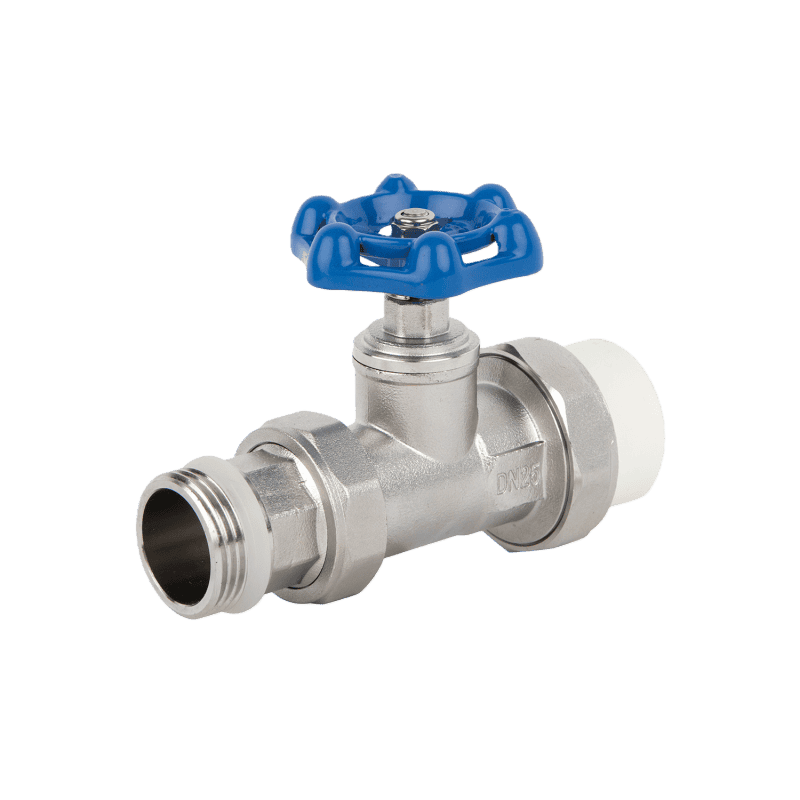
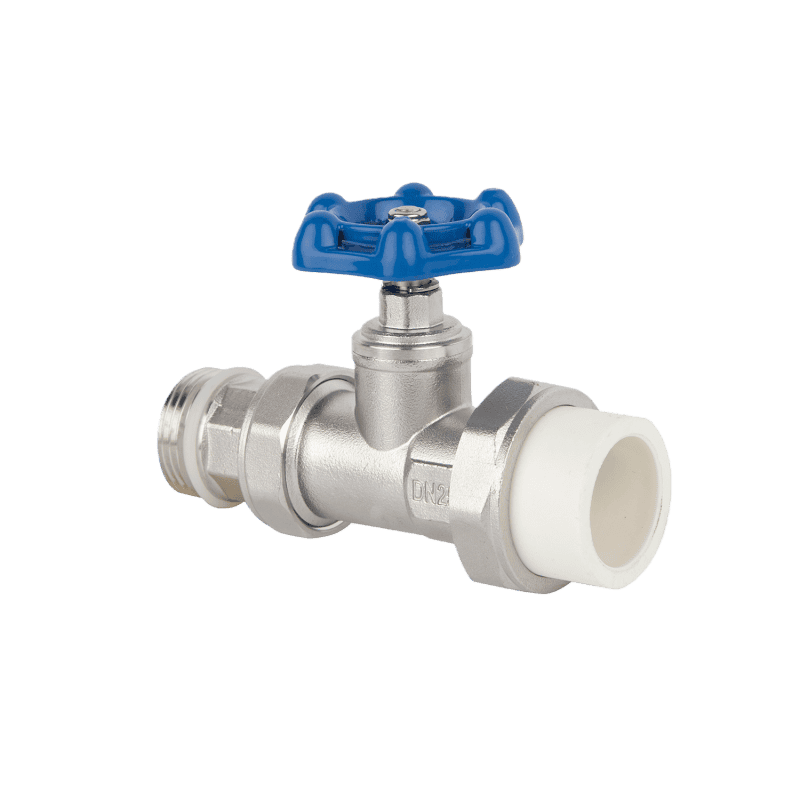
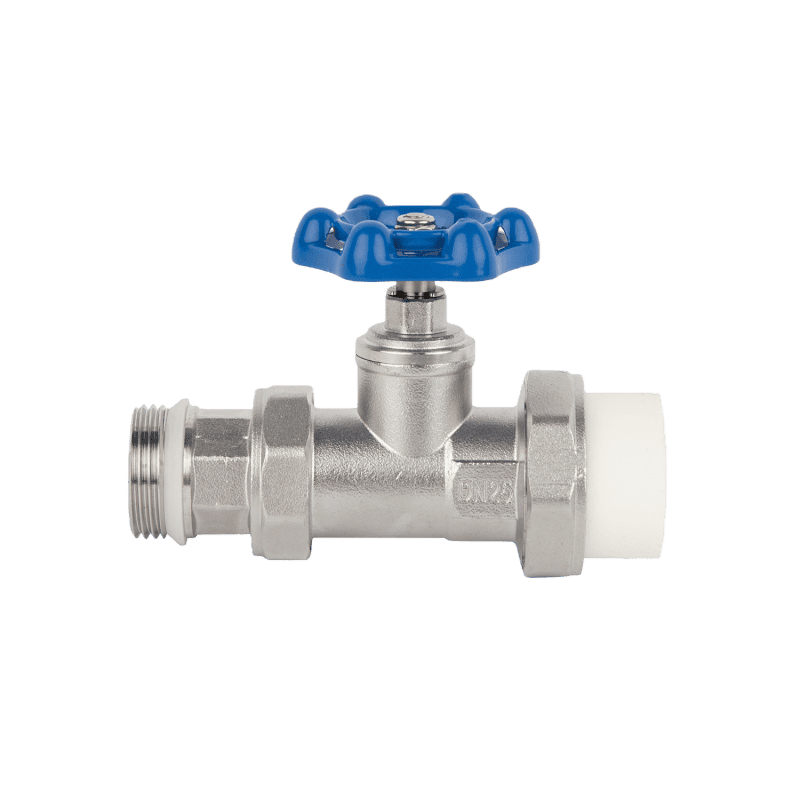
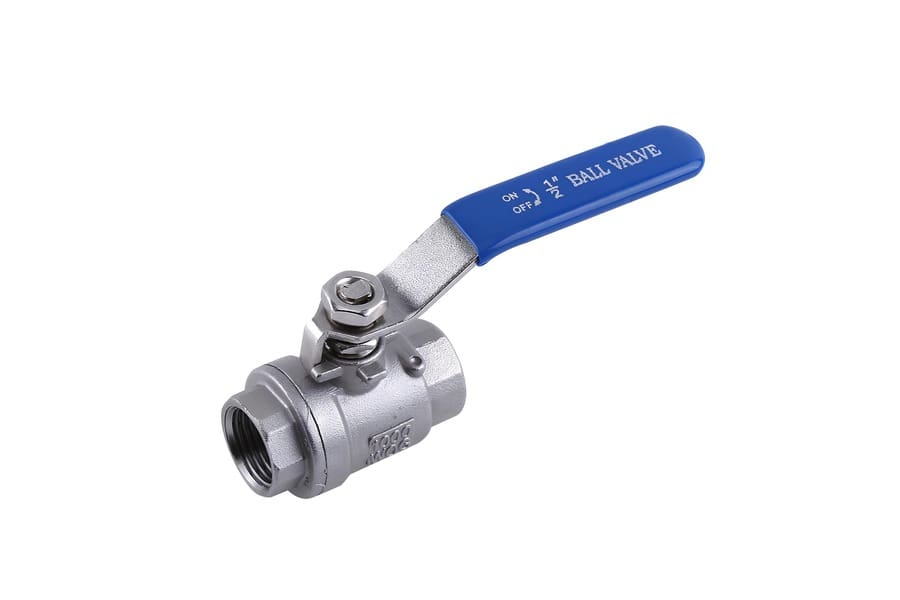
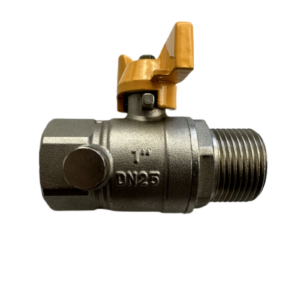
FAQs of Stainless Steel PPR Ball Valve
1. Can the handle of the PPR ball valve be customized?
Of course. The handle of the Plumberstar stainless steel PPR ball valve supports full, standard, and mass-producible customization. You can choose different handle configurations based on your installation environment, usage frequency, and brand positioning.
- The standard straight handle is a universal design. It opens and closes quickly at 90 degrees. It works for most home decoration and engineering projects, with a mature and stable structure.
- The foldable handle can be folded when not in use. It saves space and prevents external collisions. It’s great for narrow places, like inside cabinets, pipe wells, or equipment cavities.
- Butterfly handle has a bigger grip area. It distributes force evenly and feels comfortable to use. It’s good for valves that need frequent opening/closing or higher torque.
- The extended handle greatly increases opening and closing torque. It meets the needs of high-pressure or large-diameter valves.
For brand customization, we can add your exclusive logo, OPEN/CLOSE signs, direction arrows, and specification info on the handle. We use mold engraving or printing to show switch instructions, brand logos, and warning words. And we can unify the color scheme and logo position according to your VI system. This improves overall brand recognition and terminal display effect.
All customization processes are part of our standard production management. This ensures consistent quality and stable delivery time.
2. What is the MOQ of the PPR ball valve?
Plumberstar uses a standard minimum order quantity plus a flexible tiered policy for our stainless steel PPR ball valves. This keeps batch production stable while meeting different customer purchasing needs.
- Common sizes (20mm, 25mm, 32mm): MOQ is 100 pieces.
- Large sizes (40mm and above): MOQ is 500 pieces, due to raw material and production planning.
- Handle customization (material, color, laser LOGO): MOQ is 500 pieces.
- Color box printing (customer VI, brand info): MOQ is 1000 pieces per model.
- OEM/ODM deep customization (structure, mold changes): MOQ starts at 3000 pieces. We can review applications for waiving mold fees.
We support sample orders of 1–5 pieces for quality checking and project testing. Orders of 1000 pieces or more qualify for bulk prices, 5000 pieces or more can negotiate tiered pricing and exclusive delivery dates.
3. How to track the production progress of the PPR ball valve?
After the contract is signed and the advance payment is received, our foreign trade specialist will send a production schedule within 3 working days.
We share real photos and short videos from the factory. These may include raw material arrival checks, injection molding in progress, hydraulic testing, and finished product packing. Customers can see the production status clearly. If there are delays or equipment problems, we will inform customers within 24 hours. We explain the reason, the solution, and any change in delivery time.
Plumberstar provides material test reports, so customers can confirm the materials meet order requirements. Send key test results, such as hydraulic and sealing tests. Customers can check product quality remotely.
We also provide packing photos with box numbers and quantities clearly marked. After customer confirmation, we arrange shipment.
4. How is the quality traceability system of the PPR ball valve?
Plumberstar stainless steel PPR ball valves have a full quality traceability system. It covers everything from raw materials, production, assembly, inspection, to finished product delivery.
We use our own spectral analyzer to sample-test each batch of stainless steel bars. We check if key chemical components (like chromium and nickel) match the original MTR exactly. Once approved, we assign a unique internal batch number to the stainless steel and record it in our system. Each bag of PPR raw materials also has the supplier’s original batch number. We create a matching internal batch number for it after it’s stored in the warehouse.
When we injection-mold the PPR valve body or CNC-machine the stainless steel ball core, the system generates a production batch number. This number records important details: the stainless steel and PPR raw material batch numbers, production date and shift, equipment number, operator info, and key process settings. Every step has data and records to back it up.
Each assembled valve goes through an automated conveyor pressure testing system. It’s tested for strength and tightness at pressures much higher than its rated working pressure. For example, a 16-bar valve is tested at 24 bar with pressure held steady. The test bench computer automatically records the test pressure, holding time, and results for each valve. This data is linked to the valve’s production batch number, creating a complete performance inspection file.
Every valve body also has a unique traceability code engraved on it. With this code, you can quickly check the raw material source, production batch, process records, and pressure test data. This means we can trace quality from raw materials to finished products, and from batches to individual valves.

5. Can you customize a brand logo for the PPR ball valve?
Of course. Plumberstar stainless steel PPR ball valves fully support custom brand logos for you. You can put your exclusive brand logo on the product itself, the handle, and even the inner and outer packaging. It’s a complete brand display.
- PPR parts: We can make the logo part of the product through mold injection. The logo blends with the product structure—permanently firm, never falling off.
- Stainless steel valve core and interface: We use laser engraving to add your brand logo.
- Handle: We can use laser engraving, molding, or printing. You can add logos, OPEN/CLOSE marks, and direction arrows.
We can print your brand, product parameters, and usage instructions on color boxes and manuals. We can also customize shipping marks and labels on the outer box according to your needs. This meets the requirements of different markets.
Before mass production, we first send you samples with your logo. You can check the effect and details. Once you confirm, we start mass production. This ensures your brand looks accurate and professional—without delaying delivery.
6. Can you provide a sample for the PPR ball valve?
Of course. Plumberstar stainless steel PPR ball valves offer samples. All samples come from the same production batch as bulk orders. They use the same materials, processes, and testing standards as mass-produced products.
We can customize samples to your needs. For example, we can laser engrave your LOGO on them. We can also change the handle, like foldable, extended, or lockable handles. We can even provide custom packaging for the samples. We can include factory inspection data, material descriptions, and specification documents with the samples.
Every sample goes through 100% water pressure strength testing and two-way seal leakage testing before shipping. This ensures their strength and sealing meet standard requirements. We also support you in arranging third-party testing or certification sample submission. This includes tests by SGS, BV, and other institutions, as well as CE certification testing.
The samples themselves are free. We can arrange express delivery or your designated logistics method. Freight can be collected when you receive the goods or prepaid in advance.
For samples with special customizations, we charge a reasonable fee based on the actual situation. This fee can be deducted or fully refunded in your later official orders.
7. Why choose Plumberstar’s PPR ball valve?
Plumberstar is a professional valve customization factory. We focus on safe structure, reliable material, and stable long-term performance.
We use an integrated design: injection molding, coating + mechanical interlocking, + double sealing. The stainless steel ends have a precise structure with multi-section clamping grooves, anti-slip teeth, and positioning steps. They form a strong mechanical bite with PPR.PPR is molded onto the steel in one high-temperature process. After cooling, it becomes a solid, one-piece connection that won’t pull off or twist.
For materials:
- PPR parts use new, eco-friendly raw materials. No recycled materials added.
- Valve body, ball core, and stem are all standard stainless steel.
- Products meet drinking water contact standards.
They are safe for home water supply, heating, and water purification systems.
For customization:
- We support LOGO by laser engraving or mold printing.
- You can customize the brand on handles, valve body, and packaging.
- We also develop special and non-standard sizes.
- We support OEM/ODM to fit different markets and projects.
As a direct factory, Plumberstar supplies with no middlemen. Prices are more competitive. Lead times are fast and stable, and reorders are reliable.
We offer professional pre-sales selection advice and technical support. We also have a fast-response after-sales system. If any quality problem from materials or process appears during the warranty period, we will replace the product for free. This lets you cooperate with us for the long term with confidence.