Brass Hydrant Fire Valve

Brass Hydrant Fire Valve

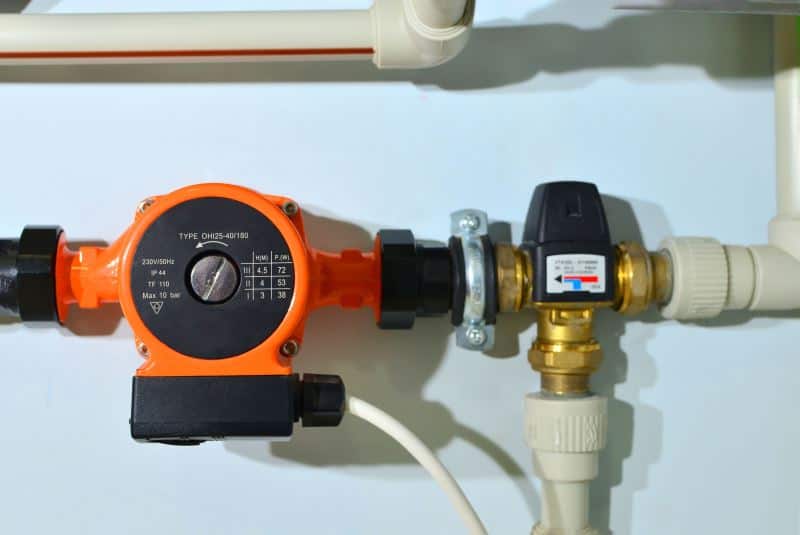
The thermostat water mixing valve with a flow meter is perfect for regulating and monitoring the water flow in your plumbing system.

Materials:

Brass

Finising:

Sand blasted

Size:

DN40, DN65

Thread connection

BSP, NPT

Working pressure

16 bar

MOQ:

500pcs

Lead time:

45 days

Warranty:

24 months

Brass Hydrant Fire Valve

JX-0955

DN65 for FxM and FXF  thread type

DN40 for Pex fitting connection

Valve standard: EU Standard
Action object: Fire truck and firefighting equipment used
Applicable media: Water
Dimension: Miniature
Structure form: Lifting rod type
Pressure environment: High pressure
Driving method: Manual
Flow direction: Unidirectional
Valve function: Stop
Mode of action: Single Acting
Type (channel position): Right-angle type
Eccentricity requirement: No eccentricity
Functional role: Fast type
Lining material: Copper alloy

A brass hydrant fire valve is an important component in fire protection systems. It is typically used in buildings, industrial facilities, and other structures to supply water for firefighting. Here are some key details about brass hydrant fire valves, including their applications, how they work, how to install them, their advantages, and some tips for using them effectively.

Applications: Brass hydrant fire valves are typically used in fire protection systems to provide a water supply for firefighting. They can be used in various settings, including commercial and industrial buildings, public spaces, and outdoor locations.

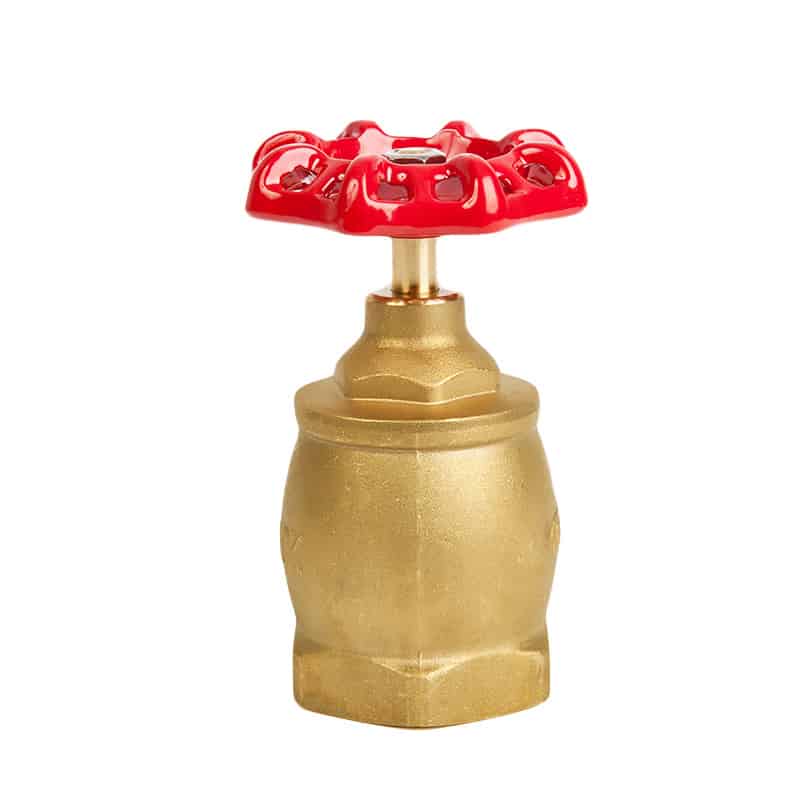
How They Work: A brass hydrant fire valve typically consists of a brass valve body, a stem, a handle, and other components. When the valve is closed, water is prevented from flowing through the system. However, water is allowed to flow through the valve and out of the hydrant when the valve is opened. Firefighters can then use this water to extinguish fires or control the spread of flames.

Installation: Brass hydrant fire valves are typically installed as part of a larger fire protection system. The valve is typically installed at a designated location near a building entrance or in an outdoor location and is connected to a water supply. The valve may also be connected to a fire hose or other equipment.

Advantages: Brass hydrant fire valves offer some advantages for fire protection systems. Some of the key benefits of using these valves include the following:

  • Durability: Brass hydrant fire valves are designed to withstand harsh conditions and maintain their functionality over time.
  • Reliability: When properly installed and maintained, brass hydrant fire valves can provide a reliable water supply for firefighting.
  • Ease of Use: Firefighters can quickly and easily open and close the valve as needed, allowing them to access water and control fires more effectively.

Tips: To use a brass hydrant fire valve effectively, it’s important to keep the following tips in mind:

  • Perform regular maintenance: To ensure the valve remains in good working order, conduct regular inspections and maintenance.
  • Train personnel: Firefighters and other personnel should be trained to use the valve and other fire protection equipment as needed.
  • Test the valve regularly: This helps ensure the valve is working properly and can deliver water when needed.
  • Follow safety guidelines: When using the valve or other fire protection equipment, follow all safety guidelines and best practices to minimize the risk of injury or damage.
  • Consider the location: When selecting a location for the valve, choose one that is easily accessible and provides a clear path to the water source.
  • Check local regulations: Depending on where the valve will be used, local regulations or codes dictate how it should be installed and maintained. Be sure to research these requirements before installing the valve.

Overall, brass hydrant fire valves are an important component of fire protection systems and can provide a reliable water supply for firefighting. By following these tips and best practices, you can ensure your valve remains in good working order and delivers water when needed.

FAQs

1. What fire system is this brass hydrant fire valve used for?

This brass fire hydrant valve is primarily used in indoor building fire water supply systems and works well with wet fire pipe networks. You can see this valve in buildings, malls, and factories. It turns the fire water flow on and off to send out water for fire emergencies. It fits standard city fire water systems that work under 1.6 MPa pressure, and it matches regular fire hose reels and hydrant cabinets. We can provide material papers and water pressure test reports for you.

2. Brass and ductile iron hydrant valve, which is better?

hydrant valve
hydrant valve

Brass valve bodies will not rust, so rust buildup will never clog your pipes. They maintain a reliable seal and require little regular maintenance. Ductile iron valve bodies can withstand heavy impacts and suit high-pressure pipe systems. But this material will rust over time in wet or salty areas, so we need rust-resistant paint to protect it. Brass does not produce rust debris like ductile iron. Long-term maintenance work is easier. Ductile iron parts usually get epoxy or sprayed anti-corrosion layers to resist corrosion. You must carefully check the coating’s quality and completeness. This matters a lot in humid, salt-spray, and coastal areas. Plumberstar can offer fire valve options in brass or ductile iron. We tailor our recommendations to your project needs.

3. Does this brass hydrant valve pass the resistance water hammer test?

This brass fire hydrant valve can pass water hammer durability tests. Our factory copies the sudden pressure shifts that happen in real fire pipes. We open and close the valve fast to make water hammer shocks. The test pressure is 1.5 times its normal working pressure, and the valve gets more than 1,000 continuous impact cycles. After the test, we check key components such as the valve body, bonnet, and seat. Some construction jobs require tougher tests, and we can run extra cycle tests at 3,000, 5,000, or 8,000 cycles. We can share our internal test records for these extra tests.

4. Can the outlet connection of the brass hydrant valve be customized?

We can customize the outlet connection style for this brass fire valve. We assess and adjust thread types, flange ends, quick couplings, and other designs. The changes match pipe and hose fitting needs for different markets. For non-standard special connections, we develop the production plan based on your dimension drawings or standard codes. Big structural changes may need new molds. The lead time for special connection orders usually runs 25 to 35 days. The exact timeline depends on drawing approval, existing molds, and production schedules.

We run hydrostatic leak tests after customization. The tests follow the agreed technical rules. We can engrave marks such as product size, pressure grade, flow direction, and brand if you want. We also supply related test records and shipping papers. We confirm connection sizes, pressure grades, and test requirements in advance for overseas fire projects. We use your target market and project standards for this check. We start mass production only after samples pass inspection.

5. Can you provide technical drawings for the brass hydrant valve?

Sure, we can send you technical drawings for this brass fire valve. The files include overall sizes, cutaway structure views, and connection details. We have two kinds of files to share. Drawings for our regular ready‑to‑ship valves are saved as PDFs, and we can send them right away with no extra work. Custom valves have different connections or structures, so we need to confirm the final design before we create new drawings. These files usually take 3 to 5 working days to prepare. We can also add special labels or send editable CAD files if you need them.

Materials:

Brass

Finising:

Sand blasted

Size:

DN40, DN65

Thread connection

BSP, NPT

Working pressure

16 bar

MOQ:

500pcs

Lead time:

45 days

Warranty:

24 months

Scroll to Top

Get Quote Now

Free Sample with OEM