Compliance of Code
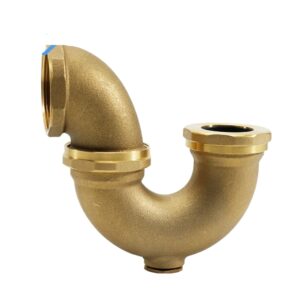
Compliance with the code is a primary consideration when upgrading or installing a plumbing system. S-traps are forbidden per the International Plumbing Code. Due to the risk of siphonage, which could cause the water seal to escape the conduit, their use has been prohibited since 2006. With this, S-traps have not disappeared. They are still prevalent in older buildings, particularly those with unvented plumbing systems.
Drain connection
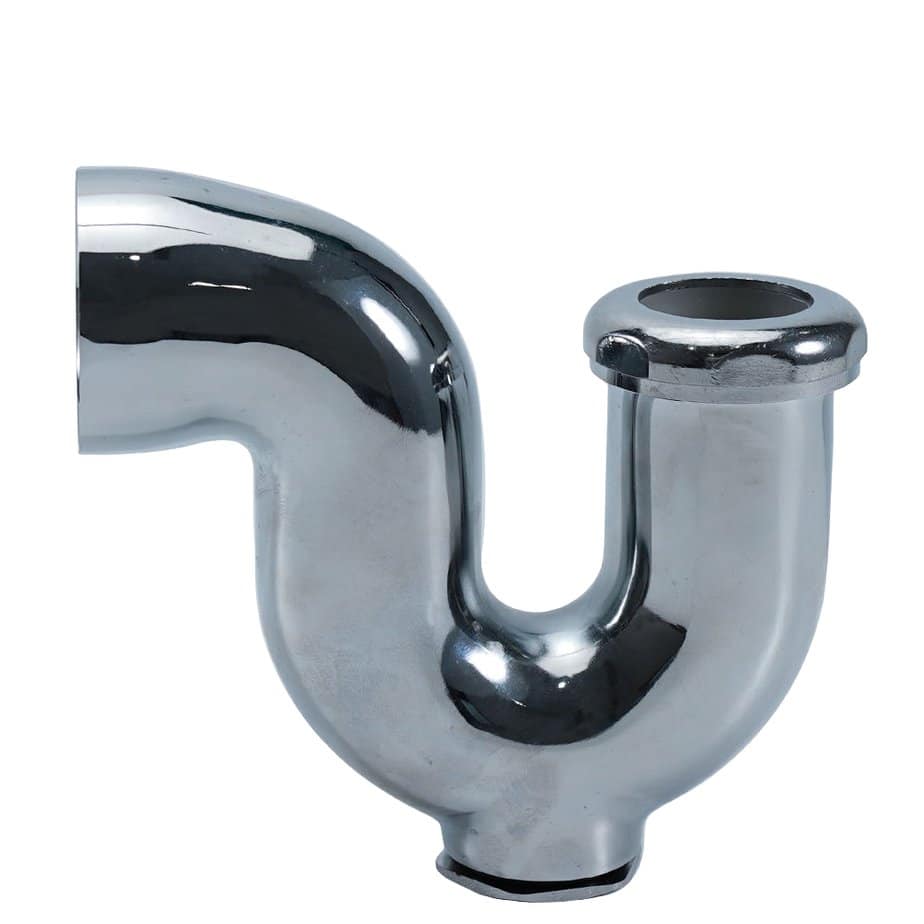
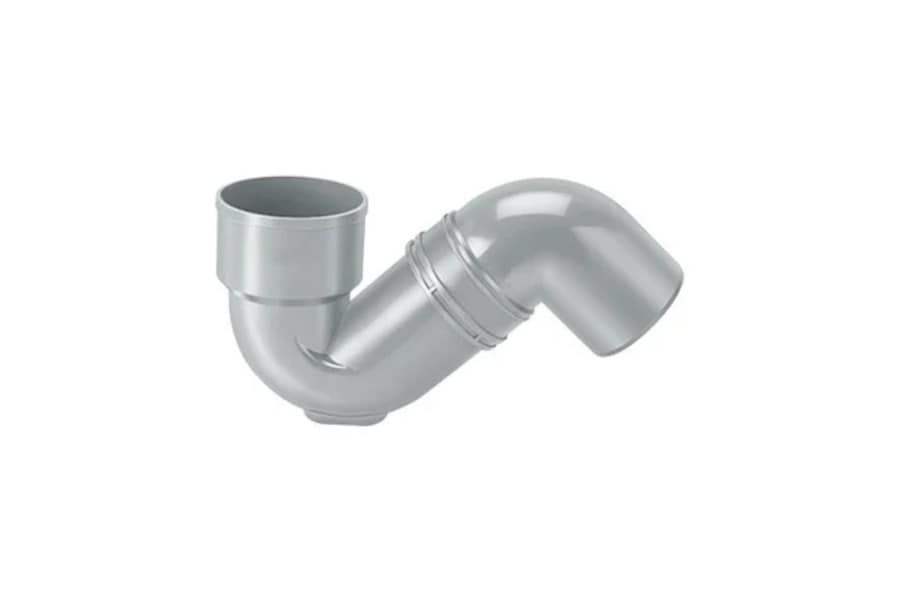
Another significant distinction is the discharge type that these plumbing traps need. P-traps are wall termination connectors. A wye or elbow connects this remnant to the primary sewer line.
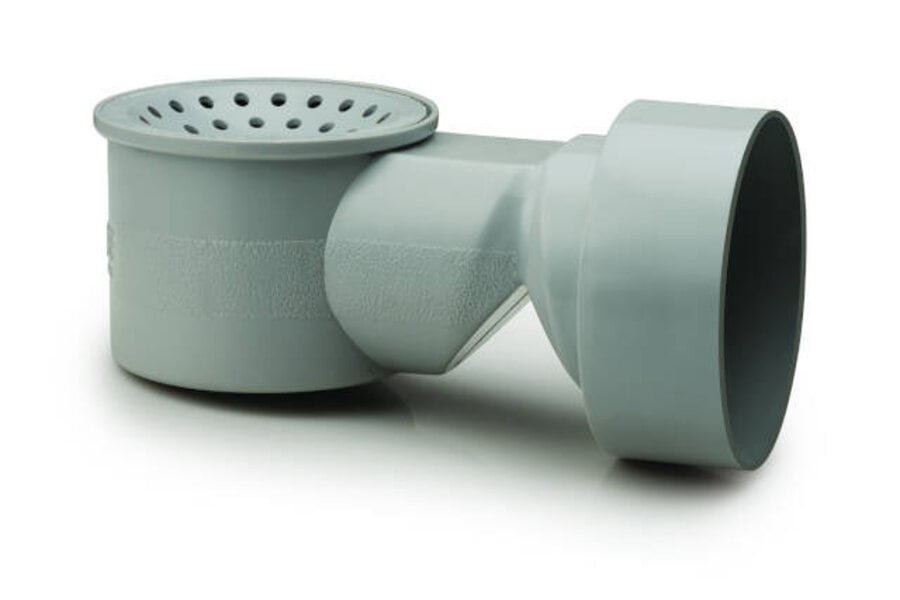
Although the arm connecting the trap to the wall fragment has a minor incline, it effectively reduces the water flow. Efficiency is enhanced by a sluggish yet consistent flow and the presence of ventilating pipelines that regulate the air pressure within the system. S-traps are floor sewer connections. As intended, gravity accelerates the water’s discharge. Additionally, these systems lack ventilation, which reduces their efficacy.
Efficiency
P-traps are more efficient than S-traps because of their configuration and the inclusion of piping openings, as explained before. For this reason, S-traps have been prohibited, while the code only permits P-traps.
Siphonage Risk
Siphonage occurs within S-traps. It is caused by the discharge rate of the effluent through the system. Water pressure can reach 80 PSI in modern homes. Not only is this pressure greater than in 1775 (due to sophisticated pumping systems), but most residences did not have flowing water. Because S-traps were not able to withstand elevated water pressure and volume, siphonage primarily occurs within these traps. P-traps exhibit resilience towards elevated water pressure and volume due to the flow-restraining horizontal limb.
Clogging Risk
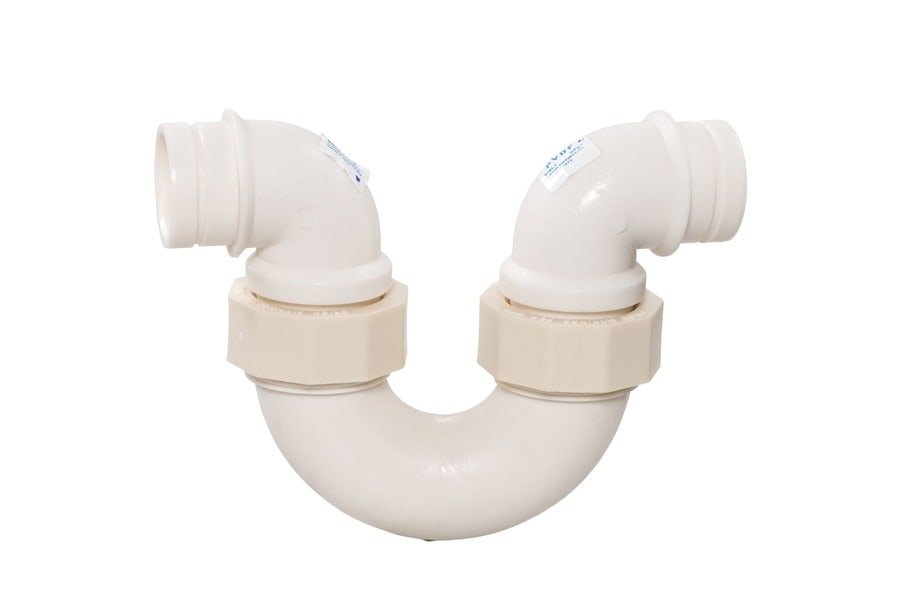
P-traps have a single bend, while S-traps feature two. This affects the risk of clogging, as detritus accumulation and obstructions occur more in the former. S-traps are more difficult to clear than P-traps.
Risk of Pest Invasion
Because S-traps are more susceptible to drying out, they increase the likelihood that vermin and hazardous sewer pollutants will infiltrate your home.
Cockroaches, drain flies, fungal gnats, fruit flies, and fungus gnats are some unsettling organisms that may ascend a drain. Additionally, rats have been observed using sewer pipelines as entryways into homes.
Backflow Problems
Backflow is another frequent issue with S-traps, as they are designed to reverse water. Because obstructions and bottlenecks cause backflow, it occurs more in S-traps than in P-traps.
Odor Problems
Due to the dry trap effect, S-traps increase the likelihood that sewer gases will infiltrate your home and cause an unpleasant odour. Sewer gases emit foul fragrances and threaten human health and safety when they accumulate significantly. Upon inhalation, children, pets, and the aged are most susceptible to becoming ill and developing severe symptoms. However, fit adults can also be impacted by these gases.
Adequate Setup
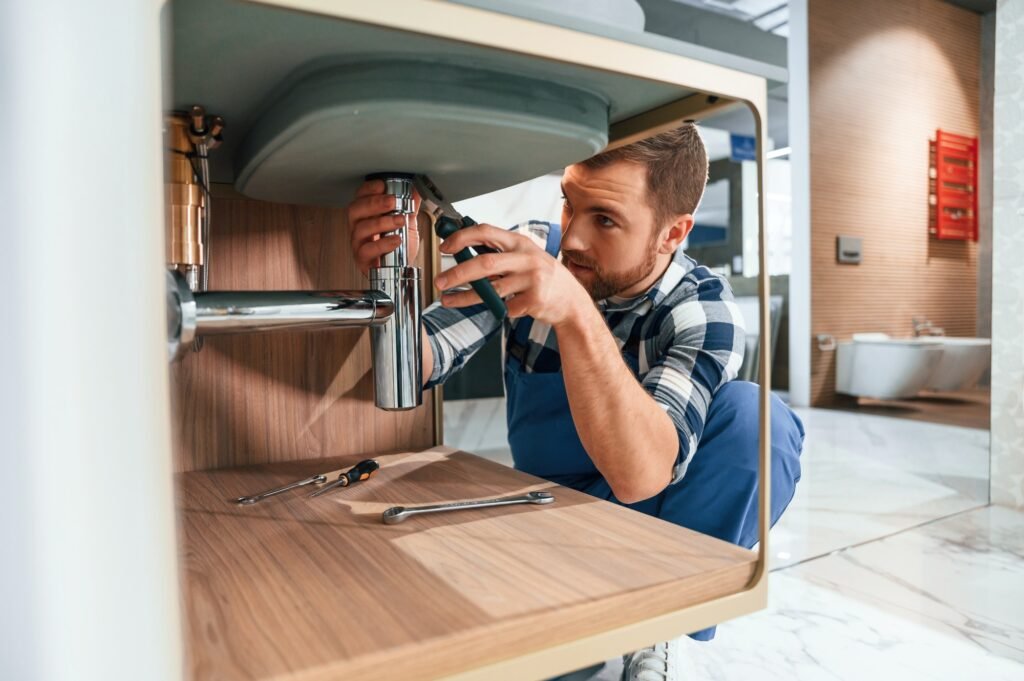
To ensure code compliance with your plumbing system, the P-trap is the sole trap that can be installed. P-traps are applicable and can be installed in any environment, including kitchen and bathroom basins, baths, showers, laundry machines, dishwashers, and waste disposals.