Brass Check Valves and their function:
Firstly, knowing what brass check valves are and how they work is vital before getting deeper into the well pump brass check valve. These are the most simple turning check valves. Their primary purpose is to let go and avoid the flow from going in a reverse way. When the media runs from it, the check valve opens. Yet, when the media ceases to flow, it shuts down.
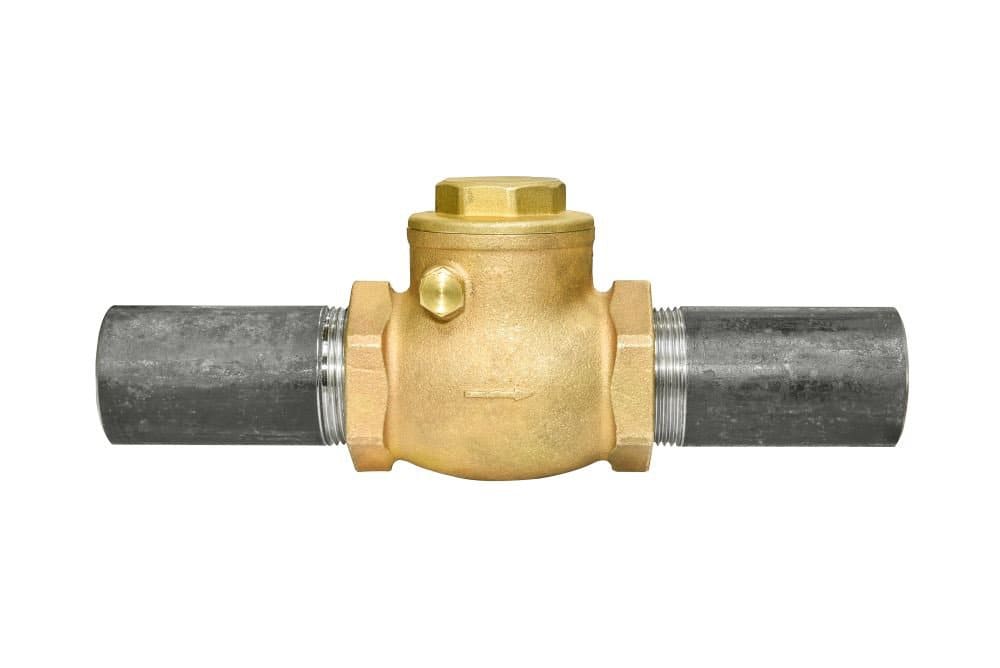
Brass well pumps check valves:
When the pump works, the water pressure flows into a valve, causing it to open. The backflow pressure and spring merge to shut down the valve immediately when the pump shuts off. This quick closure is vital for lessening the water hammer in the system. Swing check valves are unsuitable for well pump work because they close too gradually.
A check valve is vital to the water pumping system, enabling high consistency and enactment. When it is shut off, it doesn’t cooperate by aiding in preserving the pressure and safeguarding the pump’s life cycle. The check valve also avoids destruction from water hammer, up thrust, and backspin.
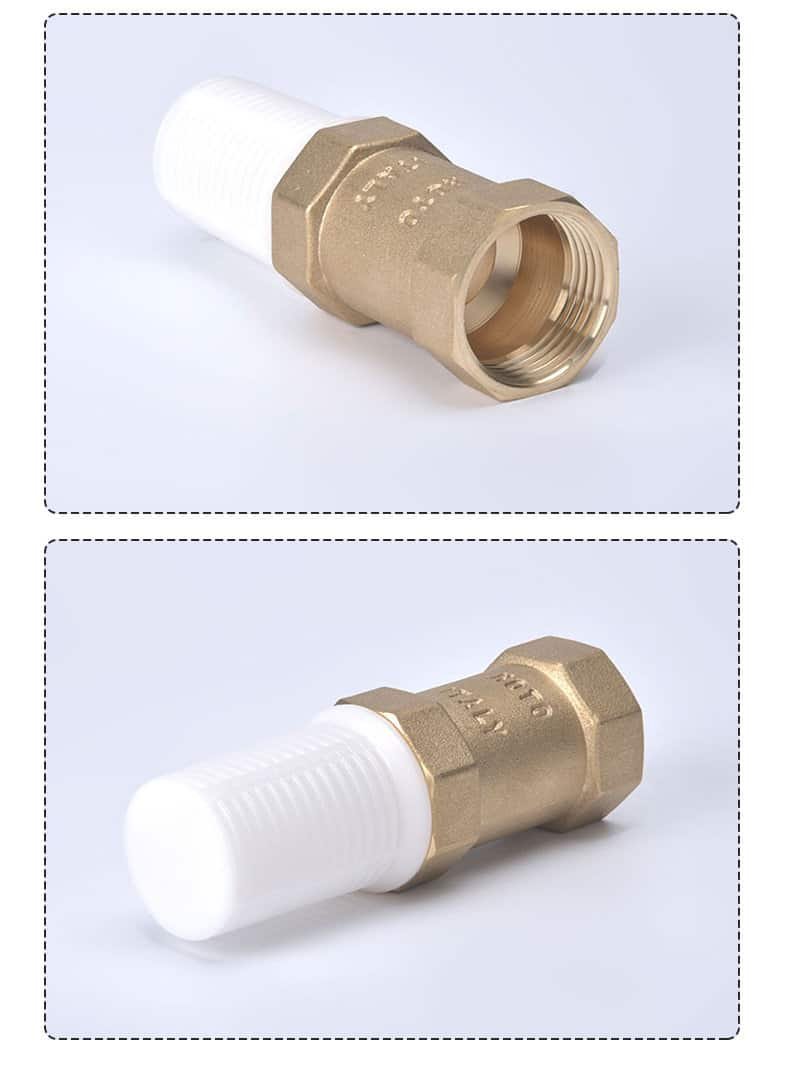
How do brass well-check valves work?
Brass check valves are self-activating devices. That means people do not need to participate in their closing and opening. Instead, the leading working is a pressure differential. Yet, many kinds of check valves are present in the market. In this check valve, fluid below pressure arrives in the inlet. This spontaneously opens the disk of the valve due to this pressure. Yet, it stays open till the pressure becomes low. The disk bangs shut and turns off the valves as the pressure falls.
The check valve’s cracking pressure is vital because it causes the disk to open. I am still allowing the fluid to flow through. The cracking pressure varies from three psi to 350 psi, depending on the use and size of a brass check valve.
From dereton33
Most used check valves:
Smaller pump check valves:
They are available in many designs, like physically activated ball valves or a spring ball valve that uses a spring-loaded ball to close the valves.
Duckbill check valves:
It shuts and opens with pressure with a rubber diaphragm.
Larger pump check valves:
A pivot on a hinge or a metallic disk swings to close the valve to avoid liquids’ backflow.
Location of the brass check valve on the water well:
It should be placed on the top of the pump. This will keep the pump working very well. Yet, it contains the system’s head of water.
Testing a well pump brass check valve:
The pressure tank drops pressure when the pump is not working, which is the most common problem in well pump systems. When the pressure drops, it requires an extra amount of money. Because the well pump cycles more often when pressure is lost, this pressure drip requires more power. That’s why it is vital to discover if a drippy check valve is the cause behind pressure loss.
To examine whether the brass check valve is functioning correctly, shut off the link between what is facilitated and the pressure tank. If there is still dripping pressure after an hour, this means the main reason something is on under the well side of the system. In many cases, it must be a swap or fixed because the check valve is liable for this pressure. Yet, it is vital to examine extra. Pressure loss in the system may result from a suppressed pipe running from the well or cracking in the drop pipe.
Dimensions of the brass check valve for the pump:
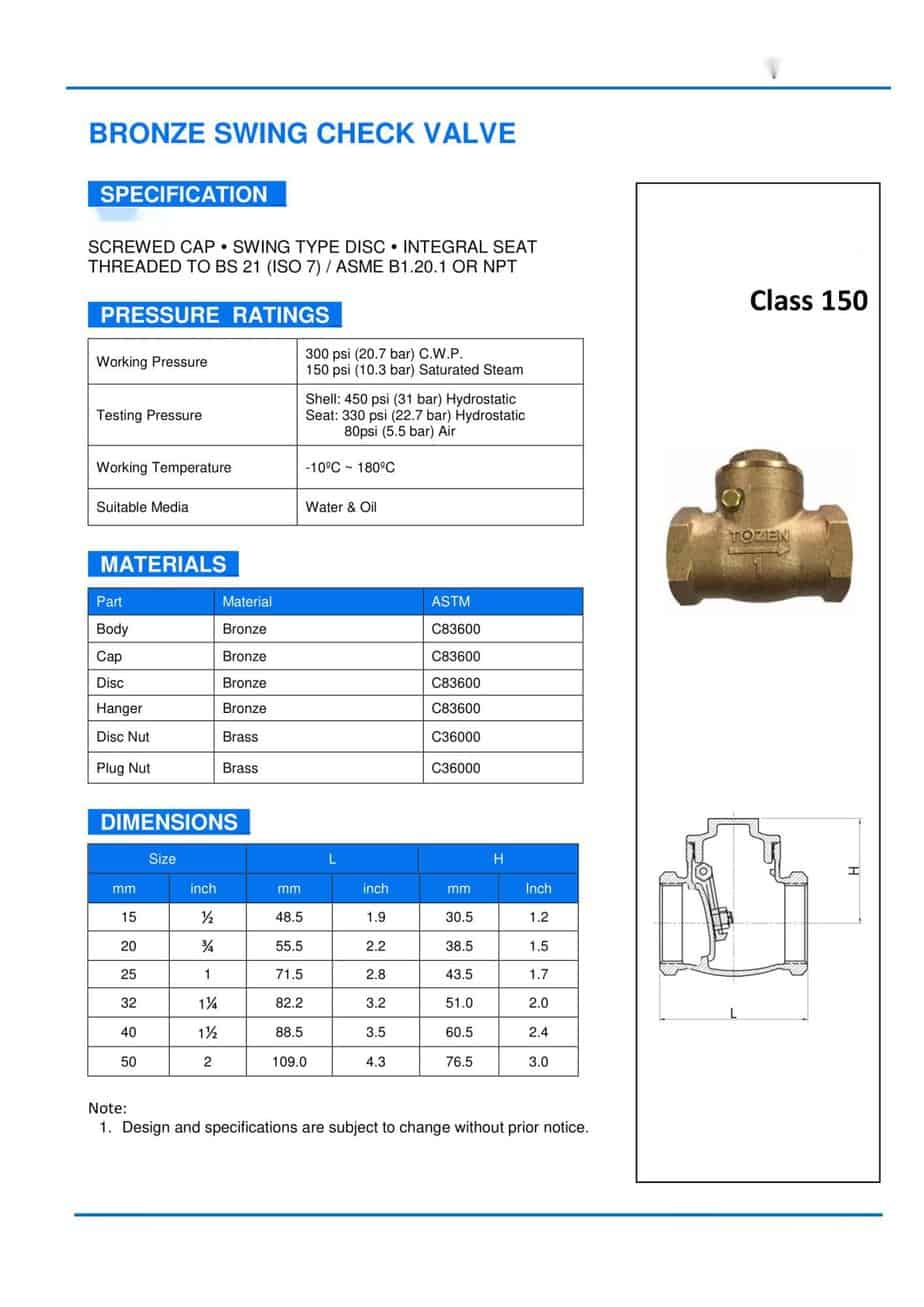
| Materials | Bronze, Lead-free brass |
| Finishing | Sandblasted |
| Size | ½ -4 |
| Temperature | -15C -115C |
| Thread connection | NPT |
| Working pressure | 200PSI |
Importance of a brass check valve well pump:
To stay in a working position, frequent activation is required. That means it is necessary to be capable of turning on and working when it’s not running. Most well pumps require water inside the piping for the pump to function. If you are desperate for a brass check valve, water may run out of the pump. Yet, it will not be capable of working when it is shut off. If the water quickly runs back into the well, not having a prepared pump is not the only worry. It defends pumps from upthrust, water hammer, and backspin.
Backspin:
When water quickly runs back into a well, the pump may revolve in the opposite direction. The strength of the motor used to invert the pump can crack if the pump turns on in the backspin phase.
Water hammer:
Dripping in the brass check valve pipe can be caused by a vacuum, as atmospheric pressure is less than the pressure in the piping. When the pump turns on, water will fill the place at incredible velocity. A bisping motor or pipe can be destroyed by hydraulic shock.
Upthrust:
If it does not have a brass check valve, the pump initiates with zero head pressure. From A to B, Head pressure is the extent of pressure required to stir the media. The pump’s impellers increase faintly and wear, along with the diffusers, which reasonably leads to the motor and pump’s non-performance.
Materials:
Ductile Iron:
Ductile iron check valves are better and more durable than bronze check valves. They are a superb choice for deep wells that use many check valves in the piping.
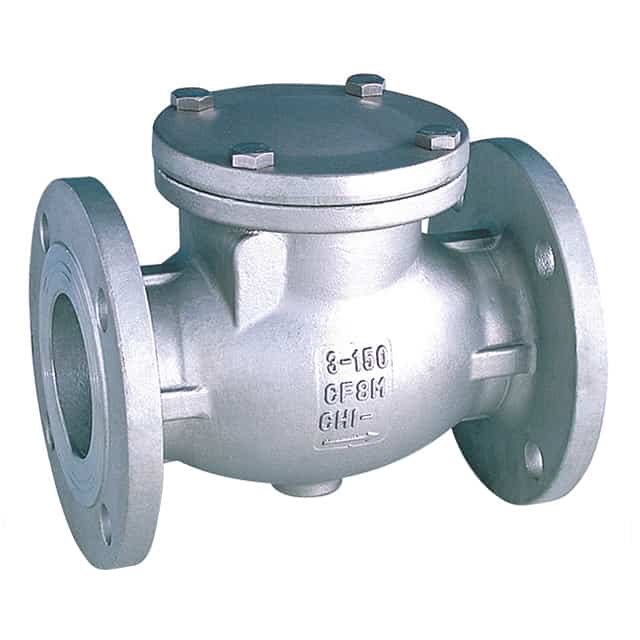
Stainless steel:
These are not susceptible to erosion or oxidation. If the well has steel piping, the stainless steel check valves may survive the piping.
PVC:
A PVC check valve is less costly than a bronze check valve. Its surface is highly chemically resistant. Yet, PVC does not work well under high–pressure or high-temperature conditions or with lower manual power than bronze.
Bronze:

Maintaining a brass check valve for the well pump:
A brass Check valve doesn’t need much maintenance. For years, they can last. Yet, if dirt or external particles trap between the ball and the seat, they can develop leaks. It may cause the check valve to work not correctly.
- Step 1: Keep it clean:
The area should be hygienic to avoid damaging brass check valves. If you can touch the valve, you might need a towel to clean the dust. If dirt is deposited, always use a wire brush.
- Step 2: Keep an eye out:
Frequent examinations of your equipment are another straightforward tip. Before you conclude that you need costly care, they’re an excellent way to mark potential issues.
- Improving Your Well Pump’s Check Valve Expectancy:
Two-line or one-line jet pumps above ground can work for many years before they need to be replaced. From 15 to 20 years. The succeeding factors may affect the predictable life of a well pump.
- Duty cycle
- Water sediment
- Quality installation, Safe yield
- Motor size
- Motor quality
- Cavitation

.
FAQ’S
Does a well pump need a brass check valve?
A Well pump requires foot valves that should sit inside the well water. The check valve also stops water from rolling back into the well. Since this preserves, the pump’s pressure tank is pressurized and aware.
How many brass check valves are in the well water system?
When fixing a well pump, it is suggested that one brass valve be examined. If no brass check valve is fitted, the pump’s release system must be set with a line brass check valve. The discharge pump system must be fixed 25 feet from the pump’s release valve at the drawing extent.
How many brass check valves do you need on a well?
You can sustain pressure in your water system when your pump shuts off. This will prevent the floor from bouncing forth and back.
What does a brass check valve do for a water well?
Brass check valves are fixed to pumps that are shut off. You can sustain the volume of water in the system. The pumps are also free from water hammer, upthrust, shock, and backspin. Suppose these three situations are not there. There are dangers related to a motor or pump failure, reduced facility, or other faults caused by their combined effect.
Should a brass check valve be fitted before or after a pump?
This is frequently a pump problem. When a vacuum pump must be shut down, it may be beneficial to fix a brass check valve on its suction side when the downstream pump is shut down. Or, when the pump stops, a brass check valve can be utilized to avoid backflow to the downstream system.