Introduction
The handling of gas through processes and systems has improved significantly with the introduction of the gas ball valve. Gas ball valves are reliable and are used in offices, homes, and various industrial applications. They are famous for their shut-off and the ability to regulate the flow of gases with precision.
Industrial applications of gas ball valves are significant in carrying out multiple processes. Hence, the product is available to meet specific needs. This article covers an ultimate gas ball valve guide.
What are Gas Ball Valves?
A gas ball valve regulates the gas flow. Its name derives from the round ball within the valve body, which we can rotate to open or close the gas flow. The center hole in the ball is referred to as the bore.

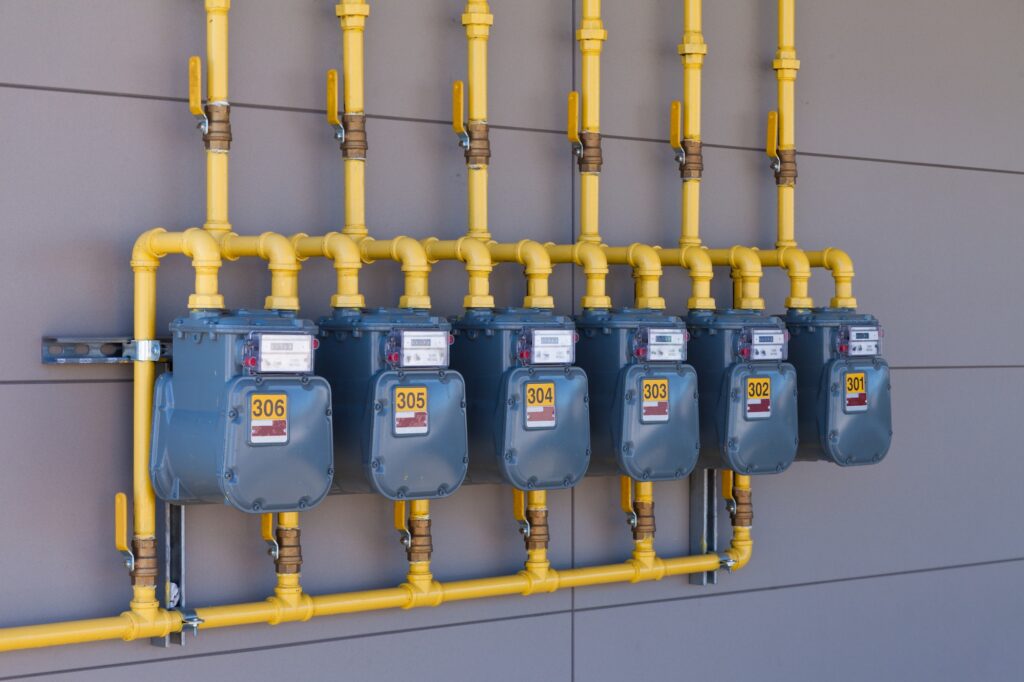
The gas ball valve opens and aligns with the pipe, allowing gas flow. Or, when the valve shuts, the ball rotates perpendicular to the bar, obstructing the gas flow. Gas ball valves are used in residential, commercial, and industrial applications. They are present near gas meters, furnaces, water heaters, and stoves.
One of the significant advantages of a gas ball valve is that it provides a secure seal when closed. This is important for safety reasons since gas leaks pose a significant hazard. By rotating the ball valve, one can rapidly shut off the gas supply in an emergency or when repairing.
Gas Ball Valve Working:
A gas ball valve is a special kind that helps control gas flow in pipes. It has a spherical body made of metallic brass, bronze, or stainless steel. The valve body features a round ball with a hole in the center, known as the bore.
The gas ball valve’s working mechanism is simple yet effective. When the gas ball valve is open, the ball turns so that the hole aligns with the pipe, allowing for a passage of flow. Imagine it like turning on a tap for water. When the gas ball valve closes, the turning of the ball takes the hole at a right angle to the pipe. This blocks the flow of gas, just like turning off a tap.
We can control a gas ball valve using a handle or lever on its exterior to control the gas flow. Turn the handle to set the ball inside the valve body into motion. To make the valve available, align the handle with the pipe.

Gas ball valves are crucial for safety reasons. They regulate the flow of gas to various appliances within the system. In the event of a problem with a gas appliance or an emergency, you can close the gas ball valve to stop the flow.
Special Gas Ball Valve Features:
Built specifically to serve gas applications, these valves incorporate technologies to withstand the gas environment. Here are some of the special features of the gas ball valve.
Fire Protection:
Gas ball valves are used in environments with a high risk of fire burnouts due to high temperatures and gas exposure. These valves are designed to minimize fire risks by using fire-resistant materials in their construction. These materials enable heat resistance for extreme temperature conditions and maintain the system’s integrity. To prevent metal leaks, these valves utilize special seals between metals that support contact and prevent leakage threats.
Seat and Stem Sealing:
The most sensitive components in gas ball valves are the stem and seal, which can be prone to leakage. Thus, these valves have much stronger and more efficient parts, reducing the risk of leakage and damage. They employ spring-loaded seats and specially packed seals as advanced leak-protection tools.
Efficient Bonnet:
The bonnet in the gas ball valve has a slight variation as it is slightly extended. It adds to the protection of the stem and seals, enhancing insulation for the sealing mechanism. It helps the valve perform well under high-temperature conditions.
Distinctive Appearance:
Gas ball valves have a CSA-approved identification, marked by yellow handles. It indicates their type and capability to deal with flammable gases.
Pressure Measures:
Monitoring pressure changes is crucial in gas-operating systems. These valves have pilot taps that monitor and control fluid pressure. It tests to ensure the pressure level’s vitality with the desired controls.
Types of Gas Ball Valves:
There are two primary types of gas ball valves: full-port ball valves and reduced-port ball valves. Let’s understand each type:
Full Port Ball Valves:
A complete port ball valve has a bore the same size as the pipe it connects with. This means the bore allows the gas to flow without restrictions when the valve opens. Full-port ball valves are suitable for applications with the highest maximum flow capacity. They are ideal for situations where high gas flow rates are required, such as in industrial settings.
Reduced Port Ball Valves:
The reduced port ball valve has a bore that is relatively smaller than the pipe size. The bore restricts the gas flow slightly when the valve is open. This type of valve is suitable when lower flow rates are sufficient or space constraints are present. Reduced port ball valves are standard in residential and commercial settings.
Gas Ball Valve Industry Standards:
Gas ball valve industry standards establish parameters for their application in an industrial environment. This includes specific rules and regulations for gas media flow. Here are some common industry standards for gas ball valves.
AGA Standards: American Gas Association
ISO Standards: International Organization for Standardization
API Standards: American Petroleum Institute
Specifications of Gas Ball Valve:
Here are the specifications of the gas ball valve.
| Product Name. | Brass Gas Valve |
| Material. | Brass handle, Bronze, C37700, CW617N, CW602N |
| Threads. | NPT |
| Size. | 3/4 |
| Temperature. | -10˚C to120˚C |
| Pressure. | PN16 |
| Applications. | Gas pipelines. |
7 Best Industrial Applications of a Gas Ball Valve:
Gas ball valves are applied in various industrial applications to control gas flow. Here are 7 of the best industrial applications of gas ball valves.
- Oil and Gas Industry
- Liquefied Petroleum Gas (LPG)
- Manufacturing Industry
- Petrochemical Industry
- Medicine Industry
- HVAC System
- Cryogenic Applications
Oil and Gas Industry: Best Industrial Application of Gas Ball Valves

Gas ball valves control the flow of natural gas in pipelines in the oil and gas industry. Their usage is in gas distribution systems, processing plants, and refineries. Being designed for the industry, it is among the best industrial applications of gas ball valves.
Liquified Petroleum Gas(LPG):
LPG systems need efficient control in household and commercial industries for safety purposes. Gas ball valves are ideal for applications that require robust shut-off of liquid petroleum gas. These valves regulate gas by distributing it to the burners, heaters, storage tanks, stoves, and cylinders. Their structure supports the basic requirements of the LPG systems and enables safe operations.
Manufacturing Industry:
Gas ball valves are used in manufacturing facilities to regulate gas flow for various processes. They are applicable in metalworking, food processing, and automotive industries.
Petrochemical Industry:
Petrochemicals also rank among the most notable industrial applications of gas ball valves. They control the flow of ethylene, propylene, and methane in petrochemical industries. These valves ensure the safe and efficient operation of chemical and plastic production.
Medicine Industry:
The medicine industry requires distributing gas media to various sections and systems. Gas ball valves are crucial in such applications for distribution and carrier services.
HVAC Systems _ Gas Ball Valve Applications.
Commercial and industrial building (HVAC) systems often incorporate gas ball valves. They control the flow of gas or propane to furnaces and boilers, etc.
Cryogenic Applications:
Gas ball valves regulate cryogenic gases, such as liquid nitrogen and liquid oxygen. They serve in industries that operate in low-temperature environments. It includes cryogenic storage facilities or liquefied natural gas (LNG) plants. Due to their compatibility in this industry, they are the best industrial gas ball valve applications.

Advantages of Gas Ball Valves in Industries:
Gas ball valves are versatile products for industrial applications—their construction aligns with the requirements of various industries. The advantages of gas ball valves in industrial applications can be understood from the details below.
- Excellent Shutoff Properties:
Gas ball valves serve as the ultimate shutoff applications. They are specially built to withstand quick shutoff with minimal pressure drops. They are ideal for conditions where a shutoff is required more than media regulation. Their response time is quick in reacting to changes in media flow, and they prevent contamination from entering the system.
- Efficiency:
Industrial operations and reactions often require a regulatory body for media control. They need a relatable product that is efficient in control and shutoff mechanisms. They demand low torque for activation, and their operation is quite simple. Gas ball valves are suitable due to their super-efficient nature.
- Versatility:
One of the best advantages of gas ball valves is their ultimate versatility. They are adaptable to various conditions across multiple industries. They operate reliably in different media conditions without compromising the gas ball valve’s performance.
- Easy to Maintain:
The maintenance requirements for gas ball valves are almost negligible. They give maximum output and serve for a relatively extended period due to the presence of the ball as a control element. Even if maintenance is needed, it can be done by a layperson by following simple instructions.
- Durability:
Durability is one of the top advantages of gas ball valves. They are designed to operate reliably with minimal operational failures. They can withstand considerable levels of pressure and temperature.
Gas Ball Valve Leakage Classification:
There are two categories of gas ball valves based on their classification for leakage. They define the leakage rates and their exposures.
API 598: This standard specifies leakage rates ranging from Class 1 to Class 5, with up to six classes. Class 1 indicates zero visible leakage, while Class 5 is reserved for significant leakages.
ANSI/FCI 70-2 defines leakage classes from Class 1 to Class 6, where Class 6 represents the slightest leakage with a tight shutoff. It is a more precise standard classification system.
Testing a Gas Ball Valve:
Before installing gas ball valves in industrial settings, it is essential to test their performance. It ensures they meet industry standards and can endure system conditions. Here are a few critical aspects to consider when testing a gas ball valve.
Testing Against Flow:
This test checks the credibility of flow requirements for industrial usage. It includes measuring pressure drop, response time, and flow rates. These tests ensure that the valve can consistently regulate the media flow.
Testing Against Leakages:
One of the necessary tests required for gas ball valves is leakage testing. It ensures these valves maintain an efficient seal in industrial applications and do not pose a safety threat.
Testing Against Endurance:
The endurance of a gas ball valve refers to its ability to serve for extended periods with durability. The endurance test checks whether the valve can function and perform reliably in industrial conditions for frequent use. These tests involve repeatedly opening and closing the valve to check its response time. This testing is designed to assess the sustainability of valves in industrial settings.
Testing Against Pressure:
Pressure is a crucial aspect of gas ball valve testing. It typically works by gradually increasing the pressure on the valve and checking for leaks or bursts in the event of high pressure. The pressure applied is often one and a half times greater than the valve’s capability to simulate its working condition. This test prepares the valve to withstand a harsh environment.
Installing a Gas Ball Valve:
Installing a gas ball valve requires careful attention and adherence to proper procedures. Trained professionals must perform gas-related tasks. Here is a general guide for the gas valve installation process,
- Start with the necessary tools and materials for the installation. The tools include the gas ball valve and pipe thread sealant for gas applications. Take an adjustable wrench and right-sized pipe fittings.
- Disconnect the gas supply at the main shutoff valve. This valve often lies near the gas meter. It’s crucial to shut off the gas to avoid accidents during installation.
- Prepare the pipe by cleaning and removing dirt or old pipe thread sealant. Use a wire brush or appropriate cleaning tool to ensure the pipe’s surface is clean and smooth.
Apply pipe thread sealant over the male threads of the gas ball valve. Ensure you use an adhesive specifically designed for gas applications to seal. Follow the sealant instructions on the package for proper application.
- Thread the gas ball valve onto the pipe by hand with the correct alignment of threads. Once hand-tightened, use an adjustable wrench for the gas ball valve.
- Inspect the installed gas ball valve for leaks. Address the issue before proceeding, if any.
Selection Guide:
First, you must determine your system’s specific requirements. Consider the type you’ll work with, the pressure levels, and the flow rate. These factors will help you select a gas ball valve that suits your system’s demands.
The size of the gas ball valve is another crucial consideration. It is available accordingly to match various pipe diameters. Selecting a gas valve that matches the size of your existing gas piping system is vital. Ensure the valve’s inlet and outlet dimensions align with your pipes for a proper fit.
Opt for high-quality materials that can withstand the properties of the gas. Also, remember the environmental conditions in which the valve will continue to operate. Look for trusted brands that are known for producing high-quality valves.
Evaluate the design and construction of the gas valve. Prefer the features such as a blowout-proof stem. It helps prevent internal components from being forced out due to high pressure. Check for a locking mechanism or a visual indicator in the valve that enhances safety and ease of use.
Conclusion:
Gas ball valves are revolutionary products for managing gas operations. They differ from standard ball valves and offer related services. They are best for handling combustion applications. The above seven best industrial applications of gas ball valves show their versatile usage. You can buy a resonating product by preparing a customized selection guide. Plumberstar is one of the most trusted wholesale suppliers of plumbing fixtures and supplies. They manufacture custom-grade gas ball valves in different materials. Their dedicated team is always available to assist you in selecting, supplying, installing, and repairing gas ball valves. Contact Plumberstar to get the best B2B customer service.