
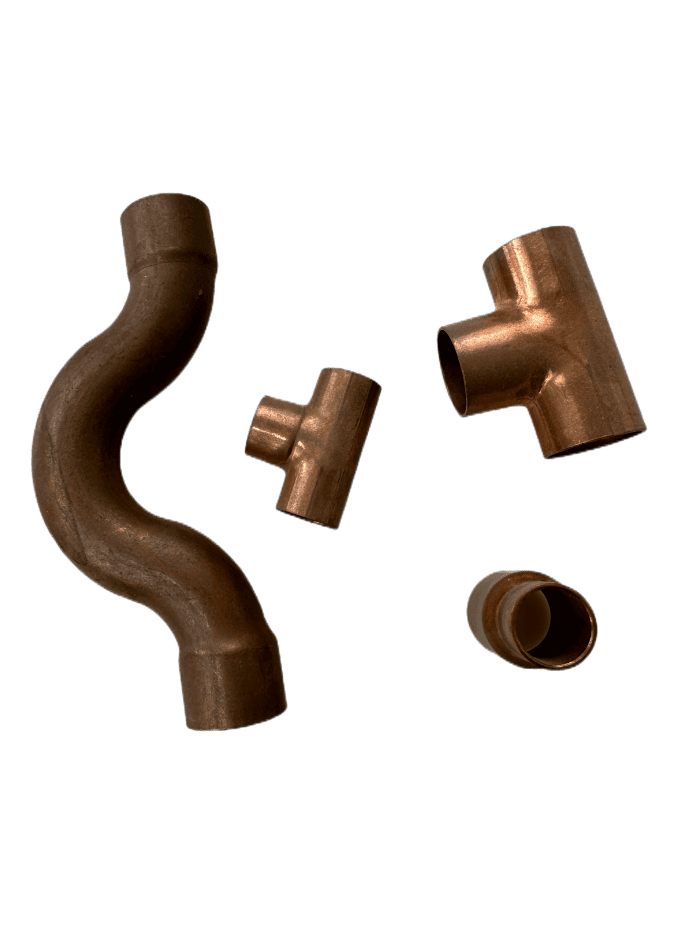
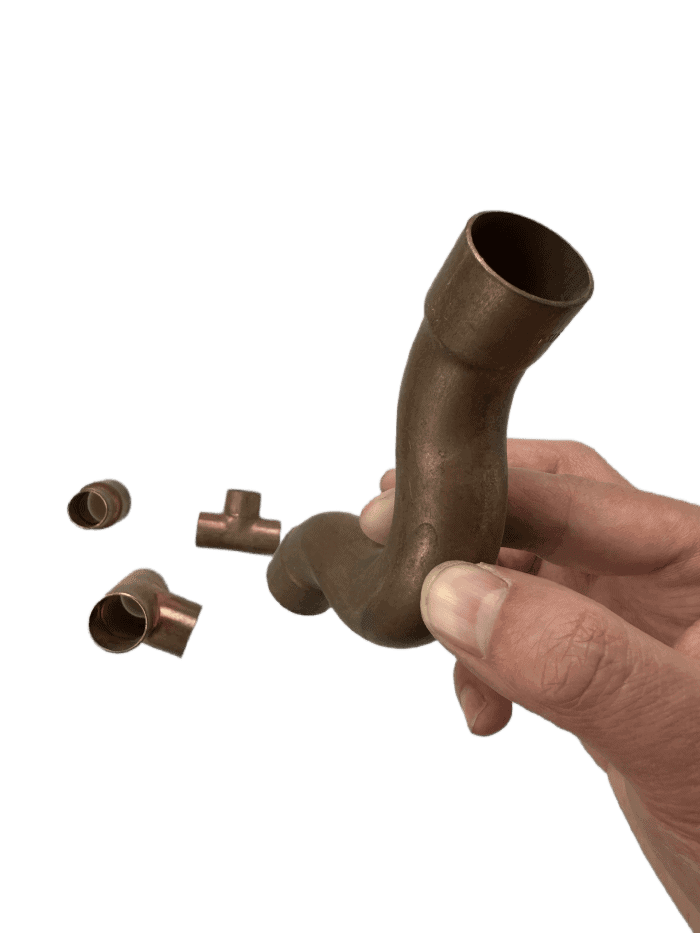
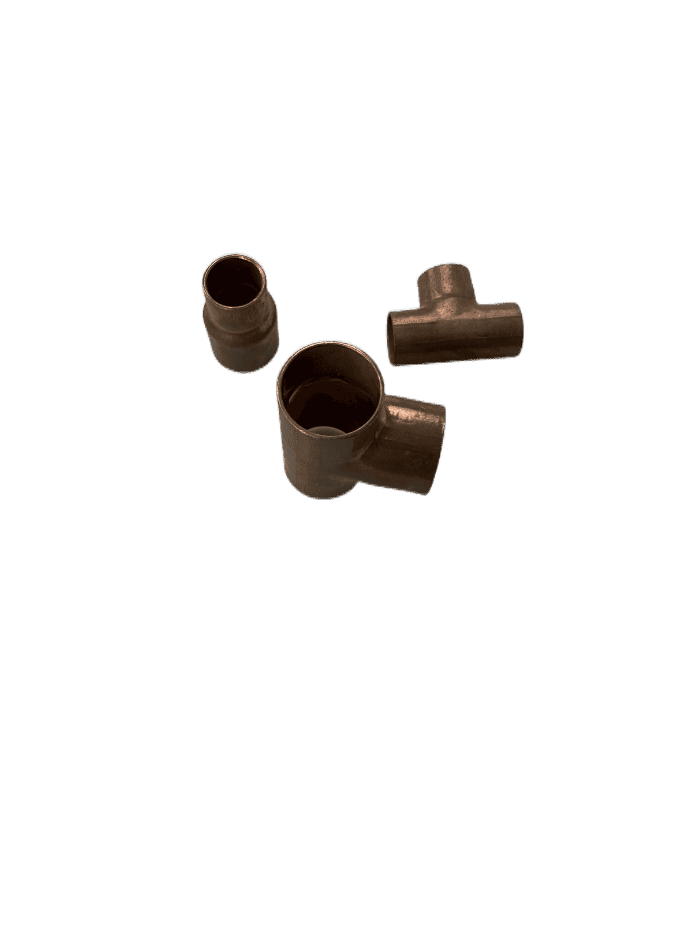
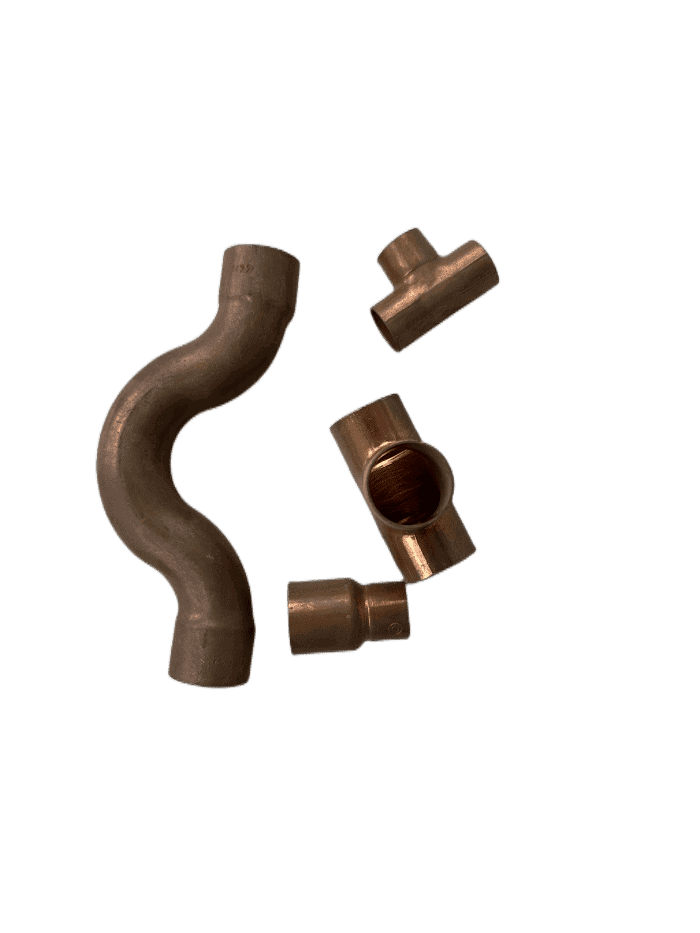


Copper Pipe Fitting
JX-0866
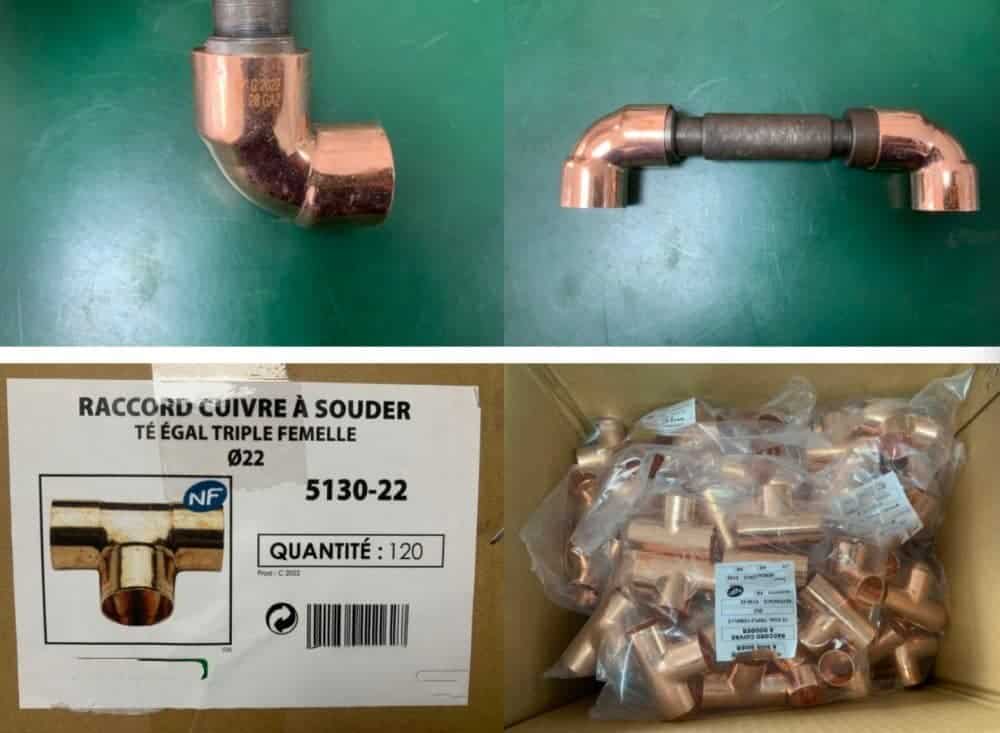
1/2 in. Copper Pressure 90-Degree Cup x Cup Elbow Fitting
Air Conditioning, Potable Water, Refrigeration
8mm,10mm,12mm,14mm,18mm,22mm,25mm,28mm,32mm,35mm,40mm,54mm
Tee fitting, adapter fitting, slipt coupling fitting, coupling with stop fitting, cap fitting, reducing tee fitting, and union are available
OEM and ODM are both welcome

Copper pipe fittings are used in plumbing systems to connect copper pipes or other piping systems. Copper pipe fittings come in various sizes, shapes, and configurations to accommodate various plumbing needs. Here is a rundown of the sizes, features, applications, installations, advantages, and purchase guide for copper pipe fittings, as well as a brief comparison with brass fittings.
Sizes and Features: Copper pipe fittings are available in various sizes, ranging from 1/8 inch to 8 inches in diameter, and in different shapes, such as tees, elbows, couplings, and adapters. They are typically made of copper, known for their durability, corrosion resistance, and ability to withstand high temperatures.
Compared to Brass Fittings: Brass fittings are another popular choice for plumbing systems. They are also durable and corrosion-resistant, but typically more expensive than copper fittings. Brass fittings are often used in applications where aesthetics are important, as they have a more decorative appearance than copper fittings.
Applications and Works: Copper pipe fittings are commonly used in residential and commercial plumbing systems and HVAC systems. They are typically used to connect pipes or to connect pipes to fixtures, such as sinks, toilets, and showers. They can also connect pipes to valves, pumps, and other equipment.
Installation and Tutorial: Installing copper pipe fittings requires some plumbing knowledge and skill. It typically involves cutting the copper pipe to the correct length, cleaning the ends of the pipe and fitting, applying flux to the fitting, and then soldering the fitting to the pipe using a torch. It is important to follow the manufacturer’s instructions and to use the correct tools and materials for the job.

Advantages: Copper pipe fittings have several benefits, including:
- Durability: Copper is a strong and durable material that can last many years.
- Corrosion resistance: Copper is resistant to corrosion, making it ideal for plumbing systems.
- High-temperature resistance: Copper can withstand high temperatures, making it suitable for hot water systems.
- Availability: Copper pipe fittings are widely available, making it easy to find replacement parts when needed.
Purchase Guide: When purchasing copper pipe fittings, it is important to consider the following factors:
- Size: Choose the correct fitting size to match the size of the copper pipe.
- Type of fitting: Choose the correct fit for the plumbing job.
- Quality: Choose high-quality copper fittings to ensure they will last for many years.
- Price: Compare prices from different suppliers to find the best deal.
In summary, copper pipe fittings are reliable and durable for plumbing systems. They come in various sizes and shapes, are corrosion-resistant, and can withstand high temperatures. When purchasing copper pipe fittings, consider the size, type of fitting, quality, and price to ensure the best fit for your plumbing needs.

In addition, here are some tips to keep in mind when purchasing copper pipe fittings:
- Check the material: Ensure that the fittings are made of high-quality copper that meets industry standards.
- Check the certification: Look for fittings certified by relevant regulatory bodies, such as NSF International or UL, to ensure their quality and safety.
- Consider the application: Make sure the fittings you choose are suitable for the specific application you have in mind, such as hot water systems or gas lines.
- Check the brand reputation: Choose fittings from reputable brands with a proven track record for quality and customer satisfaction.
- Compare prices: Shop around and compare prices from different suppliers to ensure you get the best deal.
Overall, copper pipe fittings are a reliable and cost-effective option for plumbing systems. Proper installation and maintenance can provide long-lasting performance and help you avoid costly repairs.

FAQs
1. What types are available for the Copper Pipe Fitting?

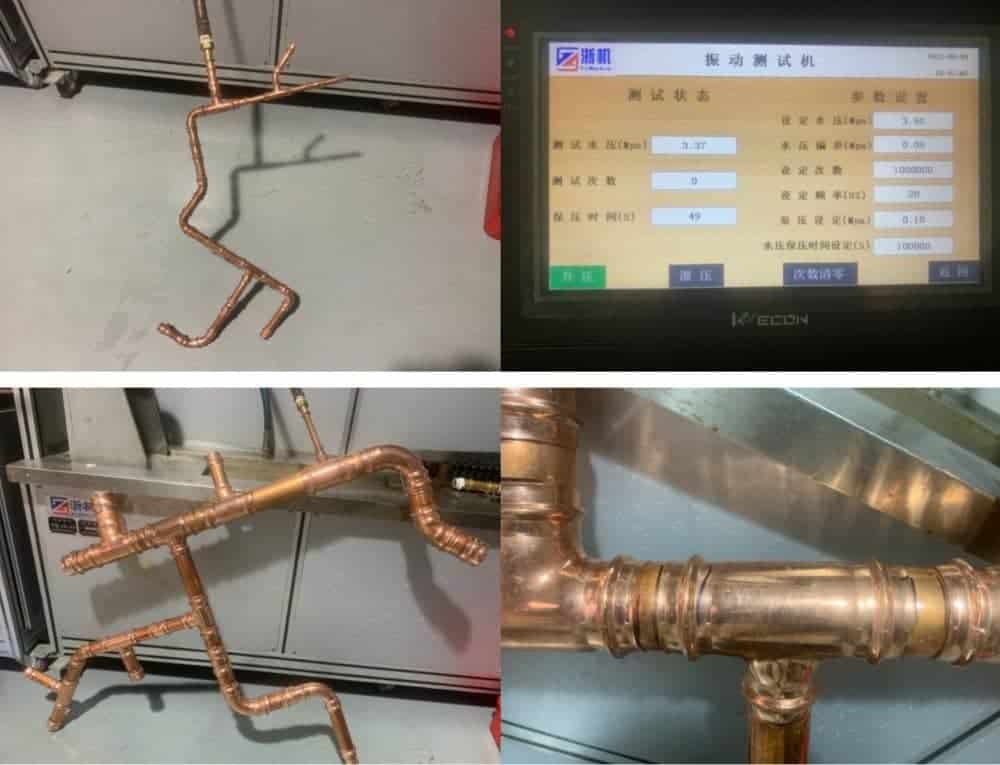
Copper tube fittings cover many different product types. We group them by connection style. Four main kinds sit in our stock: brazed, ferrule‑type, compression‑type, and threaded. You can find straight connectors, elbows, tees, reducing joints, pipe caps, pipe couplings, male‑to‑female thread adapters, and more. We also make special reduced sizes, apart from the regular standard sizes. Every Plumberstar copper tube fitting passes pressure tests before shipment. Brazed fittings work best for HVAC pipelines. Threaded and ferrule‑style parts see most use in water supply and drainage systems. We can remove sharp inner burrs if you ask. Size dimension sheets come with the goods. You can use these files to pick the correct parts and match your project drawings.
2. Can you combine multiple bends and fittings into a single one for the copper pipe fitting?
Plumberstar can combine many bends and joint features into one single copper pipe fitting. These are one‑piece composite parts. You do not need to connect and weld lots of small separate fittings on site. Fewer weld joints mean lower water‑leak risk. These parts fit pre‑made pipe systems for HVAC and refrigeration equipment very well. This one‑piece shaping counts as custom work. We need to build new molds or run CNC machining. Simple composite bent pipes need a minimum order of 800 pieces. Parts with tricky shapes, many bends, and several connection points have a higher minimum order of 1500 pieces.
3. What are the differences between Type L and Type M Copper Pipe Fittings?
Type‑L and Type‑M both follow the ASTM B88 standard for copper water tubes. Let’s take the 1‑inch common size as an example. Type‑L has a 0.040‑inch thick wall, while Type‑M’s wall is only 0.028 inches thick. Type‑L can handle higher pressure and hard knocks much better; it usually has blue marks, and you can get it in hard, straight pieces or soft, coiled rolls. Type‑M generally comes with red marks, and most of the stock you can buy is hard straight tubes.
Same nominal size for Type‑L and Type‑M means matching outer diameter. Pick your tube according to project design pressure, working temperature, installation way and local plumbing rules. Choose Type‑L for projects with high working pressure. Pick it also if parts face possible physical damage, or you want extra wall‑thickness safety. Type‑M can be used for water supply systems only when local codes allow this option.
4. Does the Copper Pipe Fitting meet the NF standard?
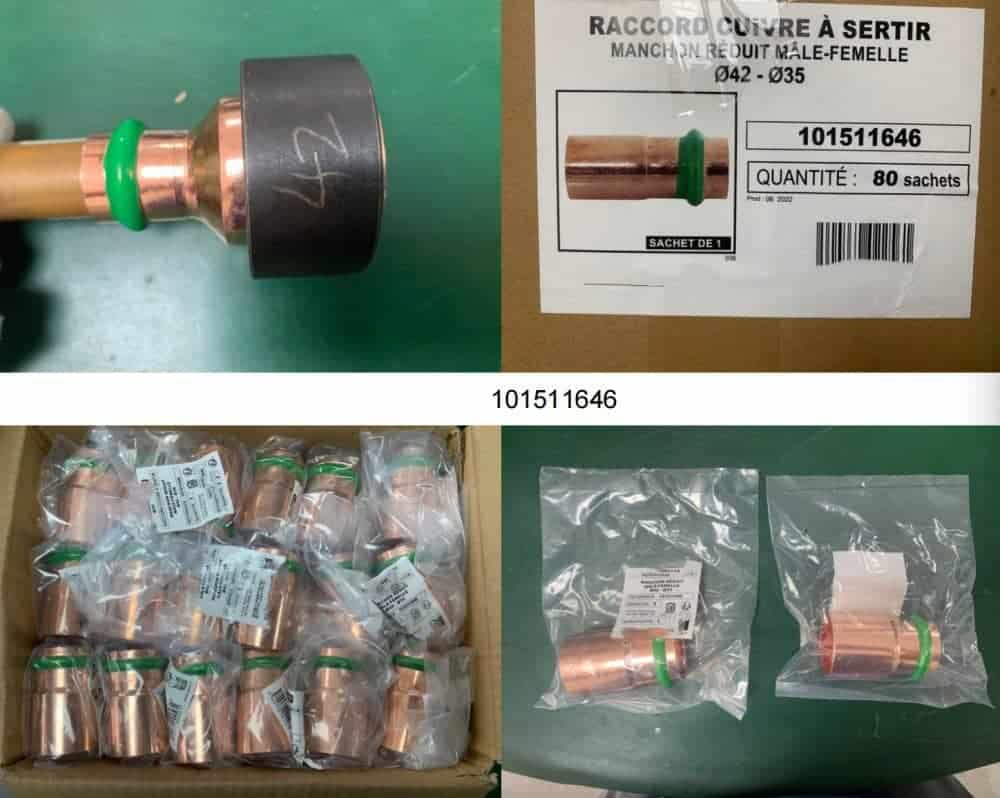
These ready‑stock copper tube fittings comply with the NF EN 1254 standards for design, production, and quality checks. You can check product structure, sizes, tolerances, and material requirements against these standards. Base materials are copper and copper alloys that meet European material rules. Plumberstar runs internal checks and sample tests during production. We verify sizes, tolerances, materials, and performance points in accordance with NF EN 1254. We keep all quality‑check records on file. If you need NF certification, we can support that work. We provide product drawings, material certificates, our internal test records, and product samples. We work with third‑party labs for product testing and factory audits. We also assist you with all subsequent certification steps.
5. Can I mix different Copper Pipe Fittings in the same order?
Yes, you can mix many different sizes and styles of copper pipe fittings within one single order. You can combine straight connectors, elbows, tees, reducers, and pipe caps together. You buy many pipeline accessories in one purchase. You do not need to place several separate shipments. This lowers your logistics costs. Mixed orders come with quantity limits. For regular stock mixed orders, every single product model needs at least 200 pieces. If your order is a full‑container FCL shipment, the minimum for each item drops to 100 pieces.
Plumberstar packs mixed orders by product type. Every size gets its own small package with clear labels. Packing lists show exact quantities for each model. This makes your warehouse storage and stock counting easy. We can loosen these quantity rules for our long‑term project customers. Deep custom parts should be arranged for production separately. Then we load them into the same container together with stock items.
