
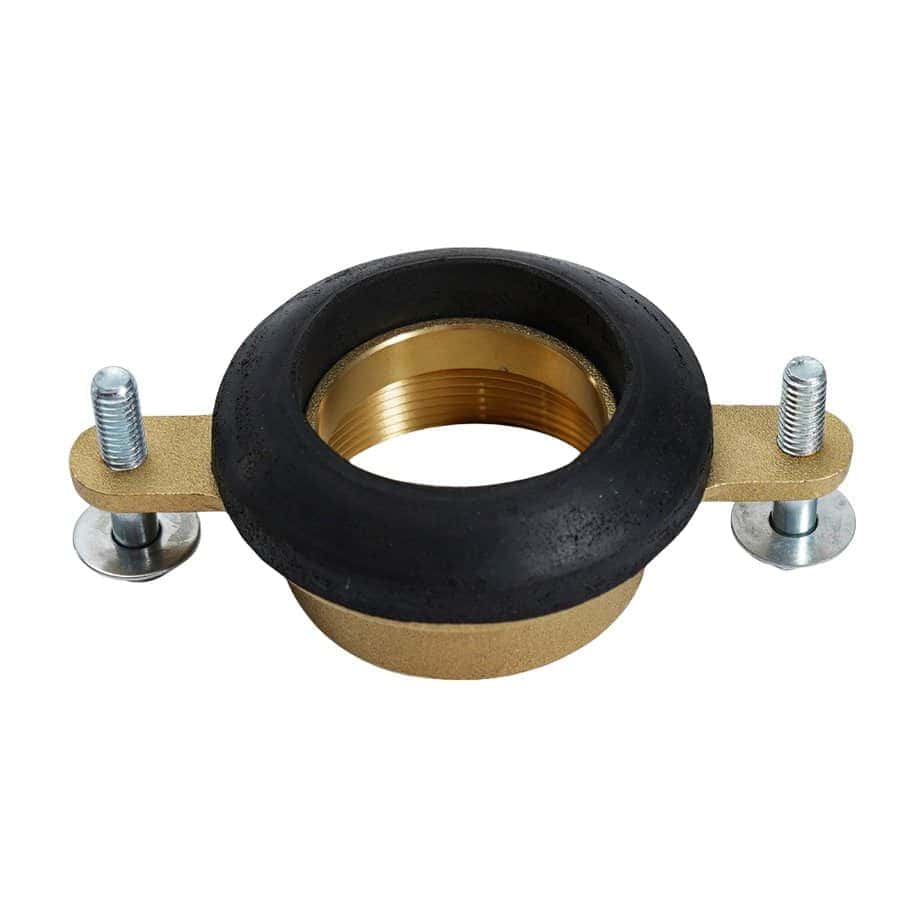
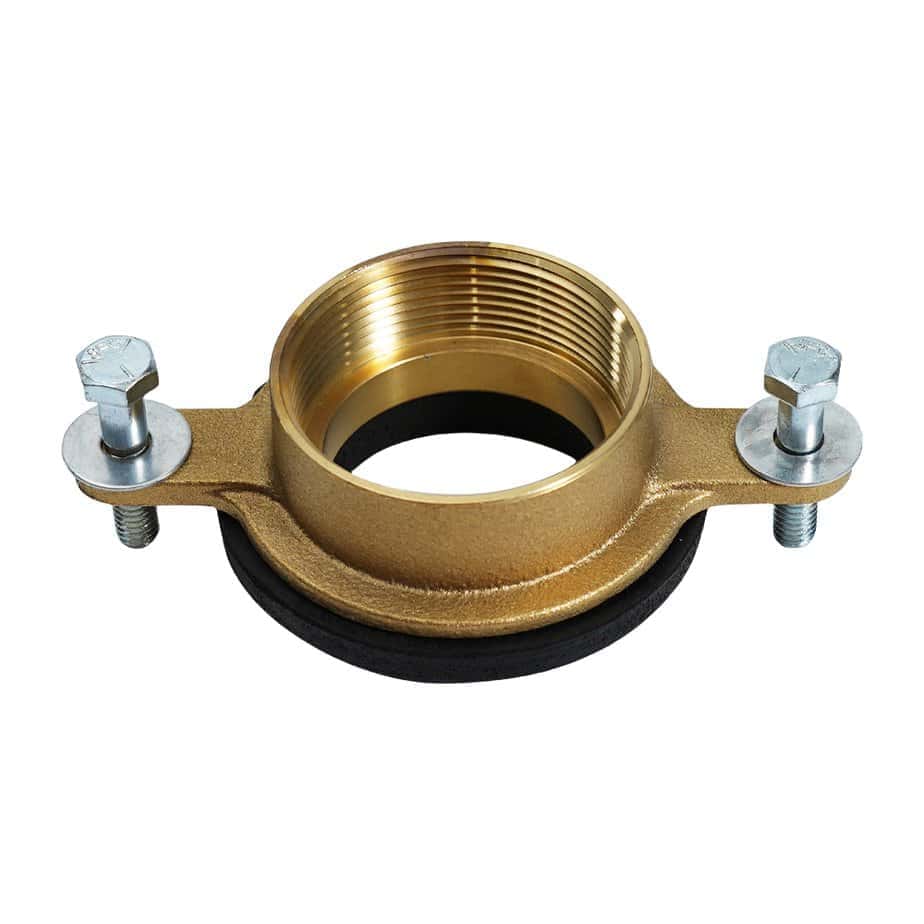
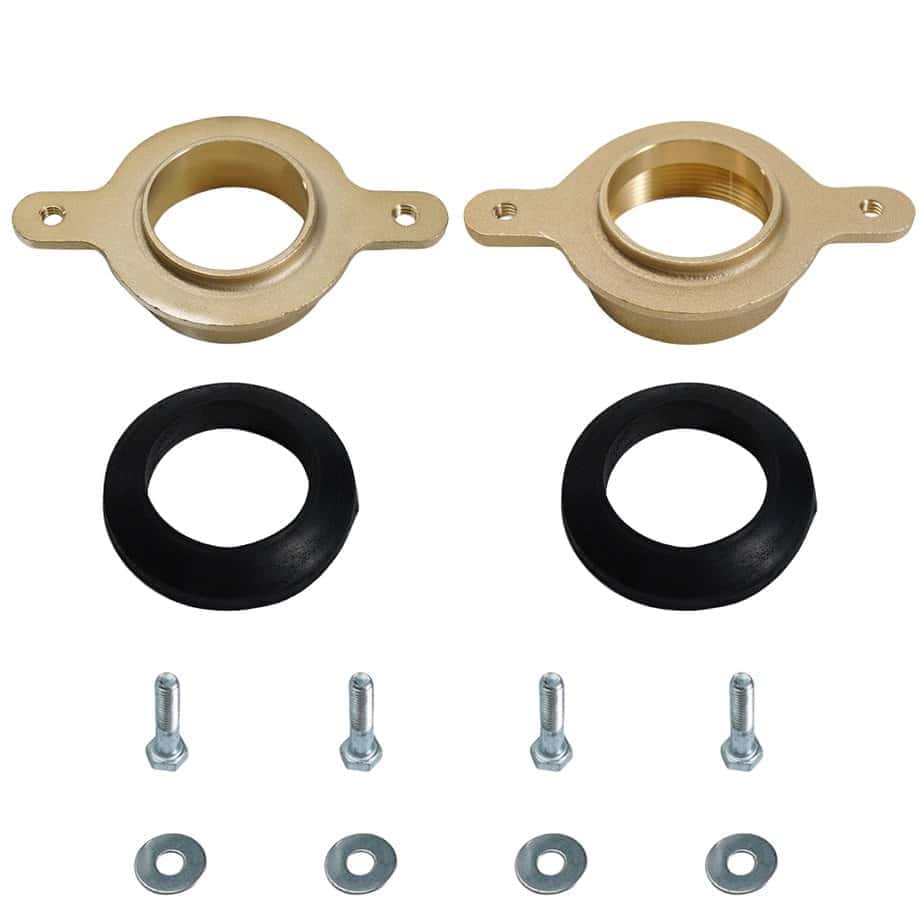
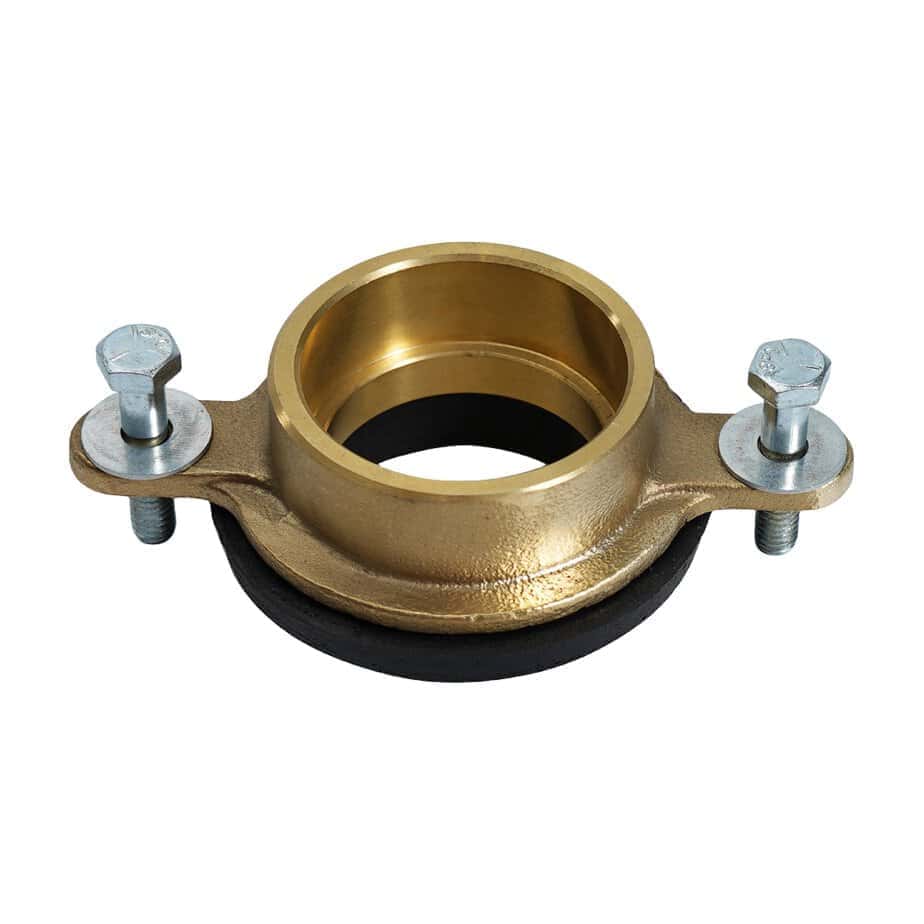

Brass Gasket Bolt Washer Toilet Water Closet Urinal Spuds
JX-0873
| ITEM | 2″ Toilet urinal Spud | |
| ITEM NO. | 1 | 2″IPS x 4″ Hole Spacing |
| 2 | 2″ Sweat x 4″ Hole Spacing | |
| 3 | 2″IPS x 4 1/2″ Hole Spacing | |
| 4 | 2″Sweat x 4 1/2″ Hole Spacing | |
| MATERIAL | BRASS | |
| FINISH | ROUGH BRASS(RB) | |
| PACKING | 1PC/Box,8PCS/CTN | |
What are Toilet Urinal Spuds?
In the world of plumbing, the terms and components can sometimes sound more complex than they are. A spud, for instance, might conjure images of potatoes for the uninitiated. However, in plumbing terminology, it holds an entirely different meaning. Let’s dive into the realm of toilet urinal spuds and understand their function, importance, and types.
A toilet urinal spud is a fitting used to create a watertight connection between the urinal and the flushometer valve, ensuring smooth operation and preventing leaks.
How Does It Work?
The spud generally consists of a threaded body, washers, and a nut. The spud’s body fits into the urinal’s inlet, while the flushometer valve connects to the protruding end of the spud. When tightened, the washer compresses, creating a watertight seal.
Types of Urinal Spuds:
There are typically two main types of spuds when it comes to urinals:
Top Spud:
- Found at the top of the urinal.
- It connects the urinal to the overhead flushometer valve.
- It is common in many commercial settings due to its efficient flush mechanism.
Rear Spud:
- Positioned at the rear of the urinal.
- Connects to the flushometer valve located behind the wall.
- It provides a cleaner, more streamlined look, as most plumbing is hidden.
Why are They Important?
Prevents Leaks: A properly fitted and tightened spud ensures that water flows directly from the flushometer valve into the urinal without any leakage, saving water and preventing potential water damage.
Compatibility: Different urinals and toilets might require specific types or sizes of spuds to ensure the plumbing system functions smoothly.
Durability: Often made of brass, these spuds are designed to last, offering years of reliable service without frequent replacements.
Aesthetics: Especially with rear spuds, the plumbing setup provides a neater appearance by hiding the bulk of the plumbing behind walls.
Toilet urinal spuds, though small components, play a vital role in ensuring the effective and efficient functioning of urinal systems, especially in commercial settings. Providing a secure, watertight connection between the urinal and the flush system ensures optimal performance and longevity of the entire restroom facility. So, next time you walk into a restroom, you might appreciate these unsung plumbing heroes more!
FAQs
1. What is your factory’s current production capacity of the toilet urinal spud?

Regular brass toilet urinal spuds get made on special CNC production lines. Standard‑spec units with NPT threads run at a steady daily output near 12 000 pieces. We count 22 working production days each month. That gives a monthly capacity of about 264 000 units.
Lead‑free brass cuts differently, so we need special, separate settings for machining work. Our daily output drops to about 7200 pieces, giving us a monthly capacity of around 158400 units. We run sample checks throughout the full production process. Our inspectors mainly check thread sizes, surface quality, and sealing performance. Every sampled piece has its threads tested with go‑no‑go gauges, plus a 60‑second seal test at a water pressure of 0.3 MPa.
2. Can you provide a longer bolts toilet urinal spud?
We can supply urinal water inlet connectors with an extended‑bolt design. The standard bolt length measures 32 mm. You can order custom lengths between 32 mm and 50 mm. Send over your desired bolt length and thread details. Our team helps work out the proper bolt size. A bolt that is too long can push against pipe parts. One that is too short will not fasten tightly enough. Once all the specs get confirmed, the whole production takes 20‑28 days. The longer bolts are made of the same brass, so they remain strong and won’t break during installation or tightening. After every full set has finished machining, we run our standard tests. Workers check threads with go/no‑go gauges and run pressure tests to verify sealing.
3. Ceramic fixture or brass toilet urinal spud, which is better?
Ceramic and brass water‑inlet connectors for urinals each have their own advantages and disadvantages; there is no absolute better option, and the choice mainly depends on the application scenario. Ceramic units cost less. They resist corrosion fairly well. But ceramic is brittle. Too much force while tightening during installation will crack or break them. They work on projects with tight budgets and little regular maintenance work.
Brass connectors handle shock much better; they are tough and hardly crack when workers take them apart or put them back together for repairs, so the seals keep working well for a long time. Ceramic parts have bigger size differences in real‑world use, and their threads can wear out and strip very easily. Ceramics can serve homes or spots with very few visitors. Go with brass for busy commercial sites. Schools and shopping malls are good examples.
4. Is CIF available for the toilet urinal spud?
We can work with CIF trade terms. We make CIF quotes using the destination port you give us. This quote includes product cost, sea freight, and standard marine insurance. Send us the exact destination port name and your order quantity. We use these details to work out your complete CIF price. Full container loads are our baseline for CIF shipments. Small LCL orders can also use CIF. Just expect higher per‑unit freight cost for these smaller shipments. With CIF terms, we handle space booking. We buy marine insurance and finish export customs work before the goods leave. We take all cargo risk until the goods are loaded onto the ship.
Risk shifts over to you once loading finishes and the vessel sails. You take responsibility for any cargo damage that happens out on the ocean. Our default insurance policy covers All Risks. Tell us early if you need special insurance conditions. CIF only pays for ocean transport. You manage customs clearance, import duties, port terminal fees, and inland delivery after goods reach the destination port.
5. Can you provide neutral packaging for the toilet urinal spud?
We supply neutral packaging for toilet urinal spuds. No brand LOGO or factory marks show up on these packages. You get two neutral box choices. Plain white boxes or kraft paper boxes. Each piece goes inside its own plastic bag. This inner wrap stops surface scratches during transit. Outer shipping boxes are standard export‑quality five‑layer corrugated cartons. We can change the number of items packed inside each carton to match your needs.
No Plumberstar prints appear on the outer packaging at all. We can print shipping marks exactly from the files you send. Neutral packaging leaves the actual product unchanged. Every unit still goes through thread and sealing checks before leaving our factory.
Sign an annual supply agreement, and we can tweak packing details for you. We also support neutral packaging together with custom LOGO engraving right on the product body. We hand over all required export documents when the goods ship out. One important point. Neutral packaging service does not cover plate‑making charges for your custom‑printed color boxes. You will need to pay those plate‑making fees yourself.
