Radiator Valve 101: All You Need to Know
The radiator valve controls how much hot water flows into and out of the radiator. Controlling this water flow changes how much heat the heater


Discover our brass valves, designed to address the pain points of custom valves, such as high costs, top-rated valves, and unreliable performance. Our top-quality, durable valves minimize downtime and enhance efficiency, providing a dependable valve solution that ultimately rockets your wholesale plumbing valves markets;





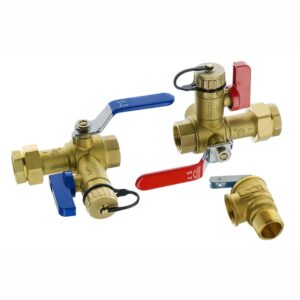
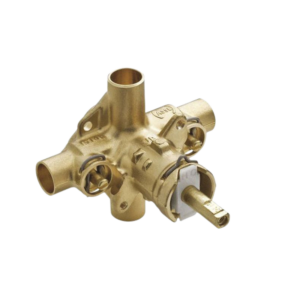
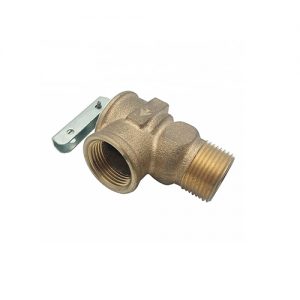

Since its establishment in 2006, Plumberstar as a valve manufacturer has emerged as a reputable provider of innovative water solution parts. Based in China, we bring decades of industry knowledge to craft an extensive portfolio of products using resilient materials like stainless steel, brass, and high-grade polymers. We distinguish ourselves through our commitment to offering tailor-made solutions that address our client’s specific needs. Contact us for more information or to browse our comprehensive product catalog.
Brass valves, a cornerstone of water systems, provide vital flow control mechanisms. Brass’s resistance to corrosion offers a sturdy and enduring choice, especially in environments involving water or corrosive fluids. Their ability to endure high temperatures makes them versatile across a range of applications, from domestic plumbing to industrial processes. Furthermore, their softer metallic composition allows easier installation and adjustment. Importantly, their recyclability aligns with environmentally friendly practices, reinforcing their appeal. Always consider the specifics of your application – including fluid type, operational temperature and pressure, and required flow rate.
Domestic Settings: Brass valves are reliable due to their sturdiness and resistance to high pressures. They are used in homes to control water, heating, and gas systems effectively.
Commercial Facilities: Industries like manufacturing, chemical processing, and oil refining prefer brass valves for their strength and tolerance to diverse temperatures and pressure conditions.
Outdoor Management: For irrigation control in farming or landscaping projects, brass valves ensure efficient water management due to their resilience against consistent water exposure.
Temperature Regulation: Brass valves enable reliable control of coolant flow in HVAC applications and can withstand high thermal and pressure conditions.
Gas Networks: Brass valves ensure a tight seal in natural and propane gas systems, effectively combating corrosion.
Sea-bound Operations: Brass valves, with their rust-resistant properties, are ideal for marine applications requiring frequent saltwater exposure.
Ball Valves: These valves, which use a perforated pivoting ball to control fluid flow, are perfect for systems demanding fast shut-off.
Gate Valves: These valves employ a ‘gate’ to facilitate unrestricted fluid pathways and a secure shut-off.
Globe Valves: They allow meticulous control over fluid flow, thanks to their seat design.
Check Valves: Designed to prevent fluid backflow, these valves operate automatically, opening with forward flow.
Butterfly Valves: These valves utilize a disc that swings around a shaft for regulating or isolating flow.
Needle Valves: These valves have a minuscule port and a threaded, needle-like plunger, providing precise flow control.
Pressure Relief Valves: These valves discharge excess pressure when the system pressure exceeds a predetermined limit, safeguarding systems from overpressure situations.
Plug Valves: These valves employ a rotating cylindrical or conically tapered ‘plug’ within the valve body to manage flow through the valve, commonly used in flow regulation in pipelines.
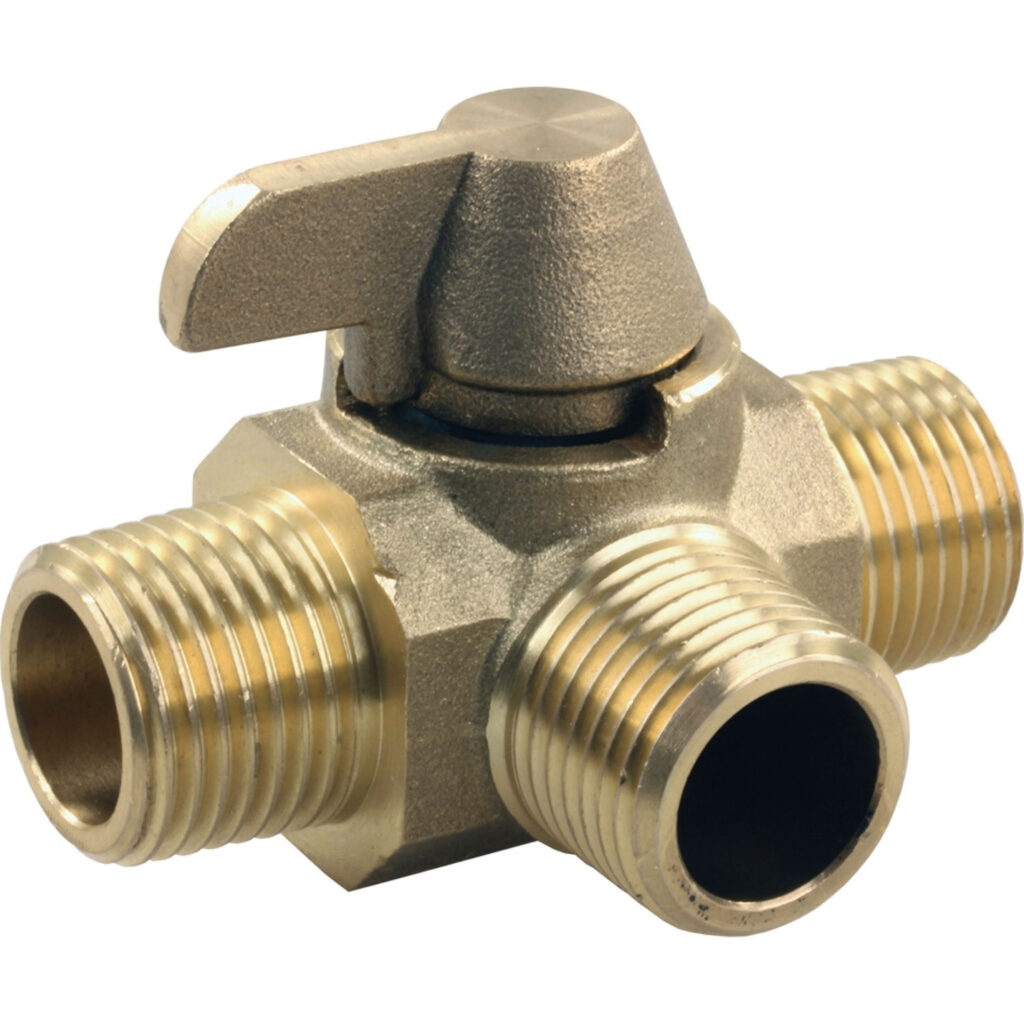
Harness the power of precision with Plumberstar’s brass ball valves. Expertly designed to offer quick shut-off, our ball valves excel in systems that demand efficient on/off fluid control without pressure compromise. Whether you’re managing a residential plumbing system or controlling industrial fluid flows, our ball valves provide durable, easy-to-operate solutions. Explore our range and experience fluid control at its finest
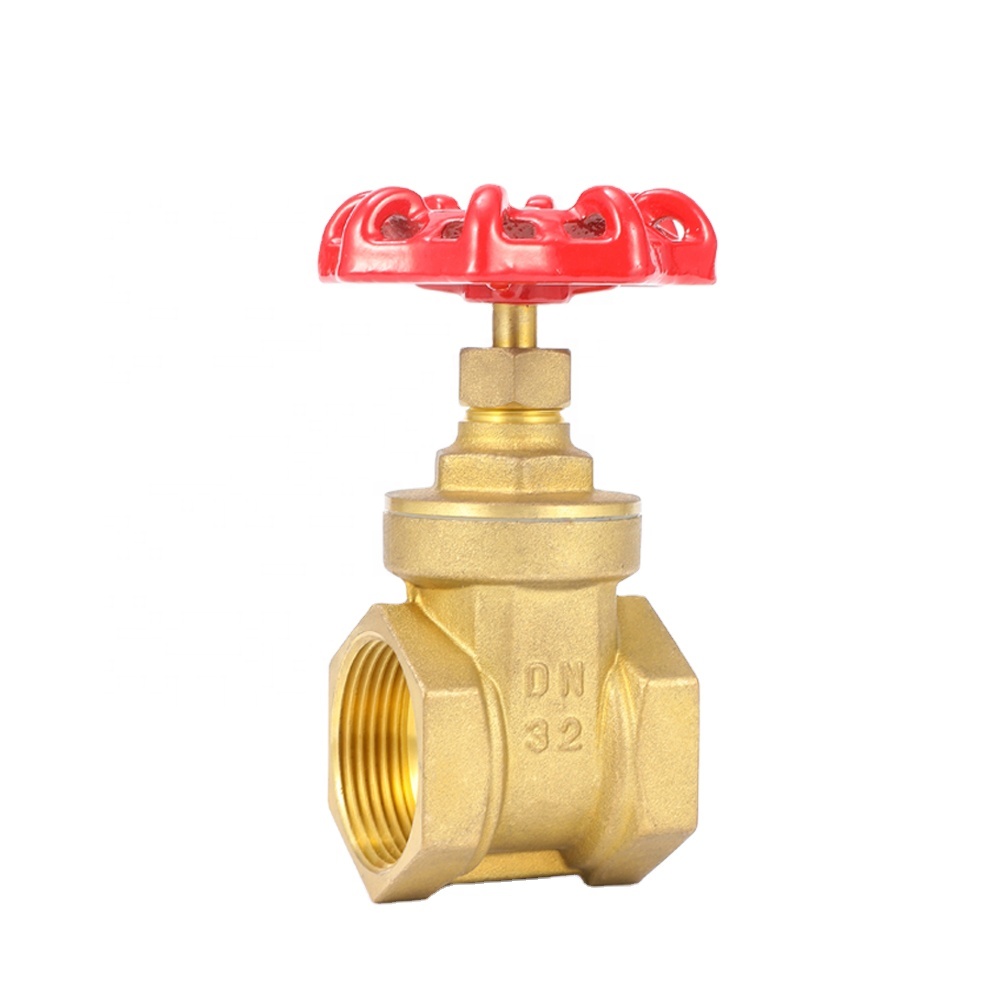
Designed for applications requiring unobstructed pathways, our gate valves ensure tight shut-off, making them a preferred choice for full-flow applications. Our gate valves deliver unparalleled performance from large-scale industrial operations to everyday home plumbing. Choose Plumberstar and navigate fluid dynamics with confidence. Smooth operation, and secure control, all encapsulated in the simple lift of a ‘gate.’
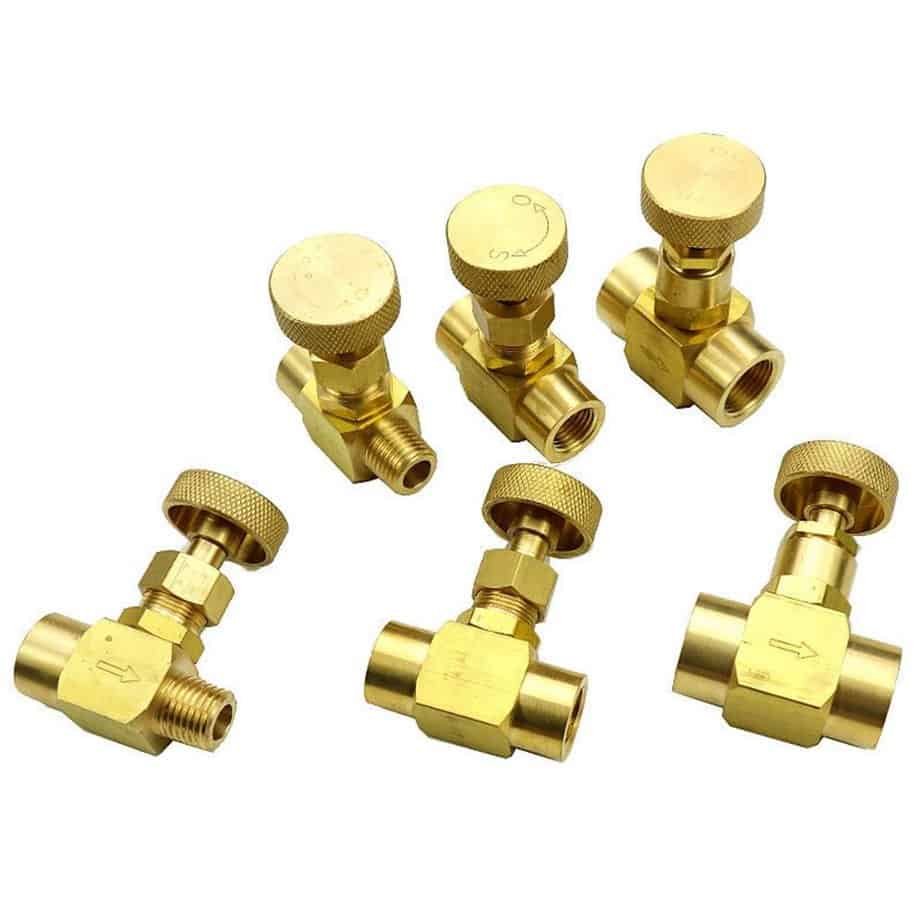
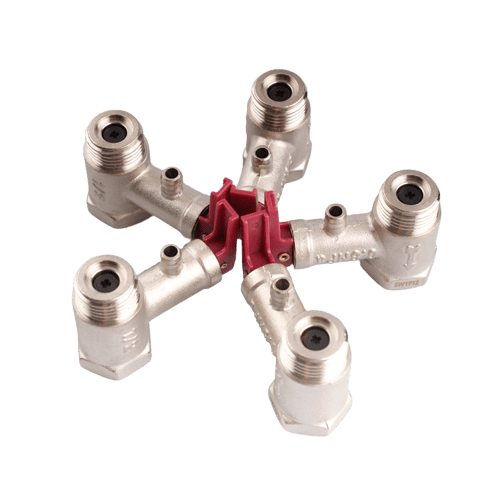
Ideal for applications requiring meticulous flow control, our needle valves offer a fine-tuned approach to fluid management. With a compact design, they’re perfect for systems where space is at a premium yet precise control is essential. Explore Plumberstar’s brass needle valves and elevate your fluid control capabilities. Experience the perfect blend of precision, compactness, and quality, tailored to your specific needs.
Engineered to protect from overpressure situations, our valves release excess pressure when it exceeds a preset limit, providing an essential safeguard for your system. From industrial plants to home heating systems, ensure your operations run smoothly with our reliable, high-quality pressure relief valves. With Plumberstar, secure peace of mind alongside an optimal performance environment and helps conserve energy resources.

Plumberstar’s comprehensive range of brass valves is not just about providing quality components. We’re about understanding your needs and offering solutions best suited to your unique requirements.
Diverter Valves stand at the forefront of fluid routing technology. Not only do they allow a single fluid source to be divided among multiple destinations, but their design also ensures effective fluid distribution with minimal loss of flow or pressure.
Solenoid Valves form another crucial part of our offering. These electrically operated marvels have been designed for rapid and reliable fluid flow control. By responding instantaneously to electrical signals, these valves offer the capability of remote control operations. Industries such as manufacturing, automation, and even home appliances benefit enormously from their quick response time and reliable operations.
Strainer Valves are another critical component of our brass valve portfolio. By filtering out potentially damaging particles from the fluid, they protect downstream equipment and maintain operational efficiency. Whether it’s a power plant, manufacturing unit, or home heating system, these valves ensure your system’s longevity and reliability.
Control Valves deserve special mention. These components are intricately designed to regulate the flow, pressure, or fluid level. Their response to signal changes from controllers allows them to maintain the desired process conditions, bringing a level of control that’s vital in industries like oil and gas, power generation, and chemical processing.
When choosing a brass valve, it’s crucial to not only consider the size but also the type of connection (be it threaded, solder, or compression) and the valve’s specific purpose
1/8 inch: Often used in specialized applications or very small devices.
1/4 inch: Commonly utilized in smaller residential or commercial tasks where the flow requirement is minimal.
3/8 inch: Regularly found in domestic settings, particularly for water supply lines to fixtures.
1/2 inch: A ubiquitous size, suitable for a wide array of residential and commercial plumbing applications.
3/4 inch: Preferred for primary water lines in homes and various commercial scenarios.
1 inch: Regularly employed in more substantial residential systems and many commercial environments.
1 1/4 inches: More infrequent in residential systems but prevalent in commercial and industrial projects.
1 1/2 inches: Mainly used in broader commercial and industrial setups.
2 inches: Suitable for larger systems, predominantly in commercial and industrial frameworks.
2 1/2 inches: A transitional size that bridges household and industrial applications, often used in larger commercial systems.
3 inches: Commonly found in industrial settings and large commercial buildings where higher flow rates are needed.
4 inches: Predominantly used in industrial scenarios and sizable commercial facilities, catering to extensive systems.
Residential and Light Commercial Applications: Most brass valves in these settings can typically handle pressures of 150 to 600 psi (pounds per square inch). The exact limit depends on the valve’s design and intended use.
Industrial Applications: High-pressure brass valves designed for specific industrial tasks can withstand pressures upwards of 1,000 psi or more. However, it’s vital to ensure the valve is designed for such high-pressure applications.
Normal Working Temperature for Brass Valves:
Cold Water Systems: Brass valves are generally suitable for temperatures ranging from -20°C to 65°C (-4°F to 149°F).
Hot Water Systems: For typical hot water applications, brass valves can operate within a range of 65°C to 120°C (149°F to 248°F).
Specialty or Industrial Applications: Certain brass valves, especially those designed for specific industrial processes, might be rated to handle temperatures slightly above 120°C (248°F). However, it’s essential to refer to the manufacturer’s guidelines for these specialty valves.
Always consult the manufacturer’s specifications and datasheet when selecting a brass valve. Ensure the chosen valve aligns with the system’s expected pressure and temperature conditions.
Brass valves are renowned for their robustness, versatility, and suitability for a range of applications. The working pressure and temperature for brass valves can vary depending on their specific design, application, and valve manufacturer’s specifications. However, here are general guidelines for standard brass valves:


Brass and stainless steel are two commonly used materials in valve manufacturing. Each has its distinct advantages and areas of application. Understanding the differences between them can help in making an informed decision for specific requirements. Here’s a comparison of brass valves vs. stainless steel valves:
Composition: Brass valves are primarily made from a mixture of copper and zinc, with the possible addition of other elements to enhance certain properties.
Thermal Conductivity: Brass has a higher thermal conductivity than stainless steel, making it more suitable for applications where rapid heat transfer is required.
Machinability: Brass is easier to machine than stainless steel, which can reduce manufacturing costs.
Applications: Commonly used in residential plumbing systems, potable water systems, and some industrial applications.
Composition: Stainless steel valves are primarily made from iron, carbon, and at least 10.5% chromium content. The addition of other elements like nickel can enhance certain properties.
Corrosion Resistance: Stainless steel offers superior corrosion resistance, especially against chlorides, making it ideal for applications where the material may come in contact with saline solutions or corrosive chemicals.
Strength: Stainless steel has a higher tensile strength than brass, making it more suitable for high-pressure applications.
Temperature Resistance: Stainless steel can maintain its strength at higher temperatures and is suitable for high-temperature applications.
At Plumberstar, we encourage regular maintenance and timely replacements of these parts to maintain the efficiency and longevity of your brass valves. We offer a wide range of spare parts catering to all your brass valve requirements.
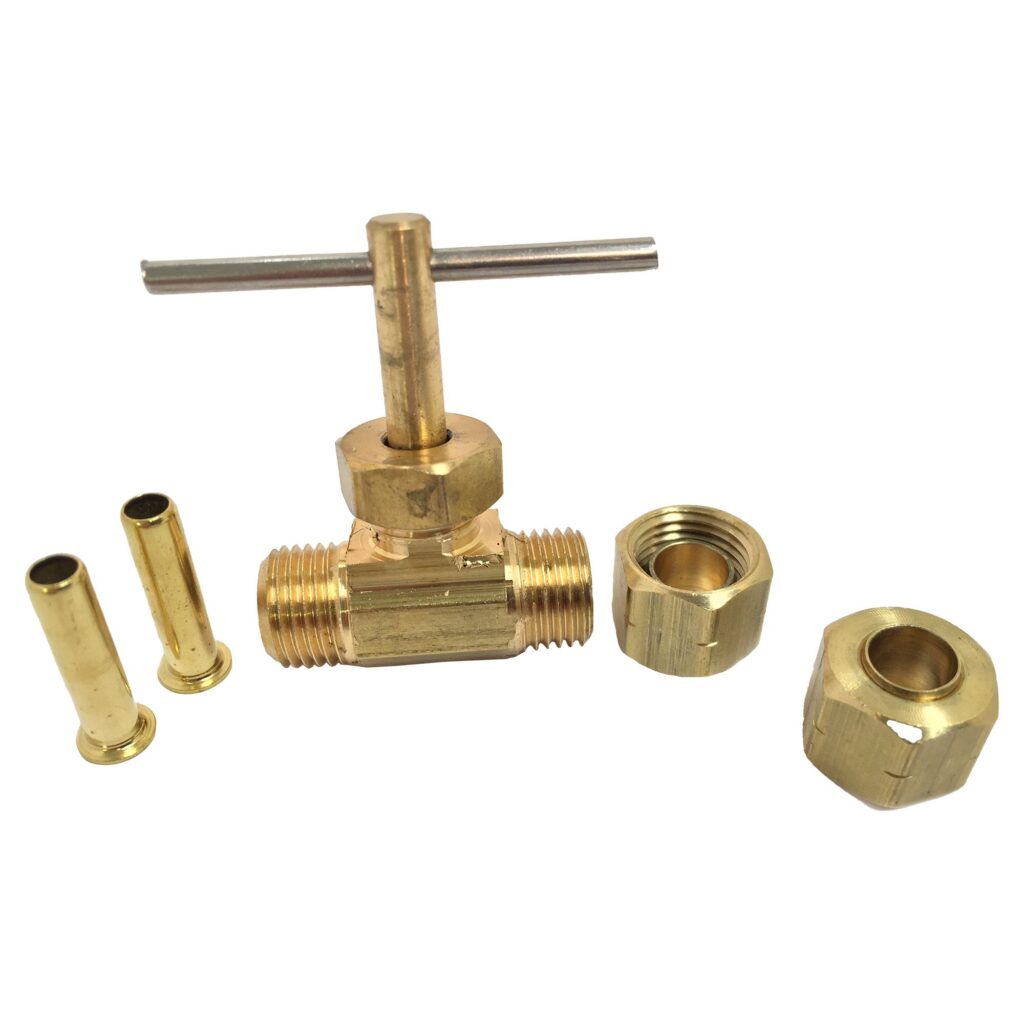
This rod-like component acts as the bridge between the valve’s handle and its disc. The stem is pivotal in controlling the open or closed status of the valve.
This component is a seal, usually made of soft materials such as PTFE (Teflon) or graphite. Its primary role is to prevent any possible leakage around the stem.
The bonnet encloses the valve stem and is firmly attached to the valve body. It is replaced in scenarios where damage or corrosion is observed.
These could be fashioned from brass or occasionally, rubber. Valve seats provide a surface for the disc to seal against to halt the flow of fluid.
Acting as the gatekeeper of fluid flow, the disc requires replacement when signs of wear or damage surface.
The handwheel or lever opens or closes the valve. These handles may need to be replaced if they are worn out or damaged.
Vital for leakage prevention, these components are typically made from rubber or Teflon, creating a tight seal at various points within the valve.
These serve to seal the connection between the valve body and the bonnet, effectively preventing any leaks, these are overview of some essential spare parts.
Brass valves are recognized for their robust and sturdy structure, ensuring an exceptional lifespan and persistent performance. Whether it’s a residential plumbing system or a high-pressure industrial application, brass valves consistently deliver high performance.
Brass inherently resists corrosion. This advantage enables brass valves to manage a variety of fluids, from water to corrosive chemicals, without structural degradation, ensuring consistent, hassle-free operation throughout their life cycle.
Brass valves can endure high temperatures, making them a valuable asset in applications like heating systems, where temperatures can soar. Their resilience against heat-induced damage contributes significantly to their longevity and sustained efficiency.
The inherent smooth texture of brass surfaces facilitates a low-friction environment, promoting efficient, unrestricted fluid flow. This trait makes brass valves a preferred choice in systems where maintaining an optimal flow rate is critical.
Brass valves are admired for their ease of installation. Their compatibility with different installation methods, including soldering or threading, ensures a firm, reliable fit. This ease of installation reduces the time and labor costs associated with valve replacement or system upgrades.
Brass valves are versatile, finding utility across a plethora of domains. From domestic settings like home plumbing and heating systems to industrial applications in chemical plants or oil refineries, brass valves prove their worth time and again.
Brass valves, with their excellent sealing characteristics, effectively mitigate leaks, ensuring seamless operation of your systems. This means a lower likelihood of fluid waste, decreased maintenance costs, and a safer environment for your system
Brass valves have a remarkable ability to manage high pressure without damage or leakage. Whether it’s a high-pressure industrial fluid system or a home heating system, brass valves provide reliable, leak-free operation under substantial fluid flow pressures.
Order Verification & Planning: For a bulk order, we first ensure the order details, such as the type of valve, dimensions, and specifications. Production schedules are created to meet order deadlines.
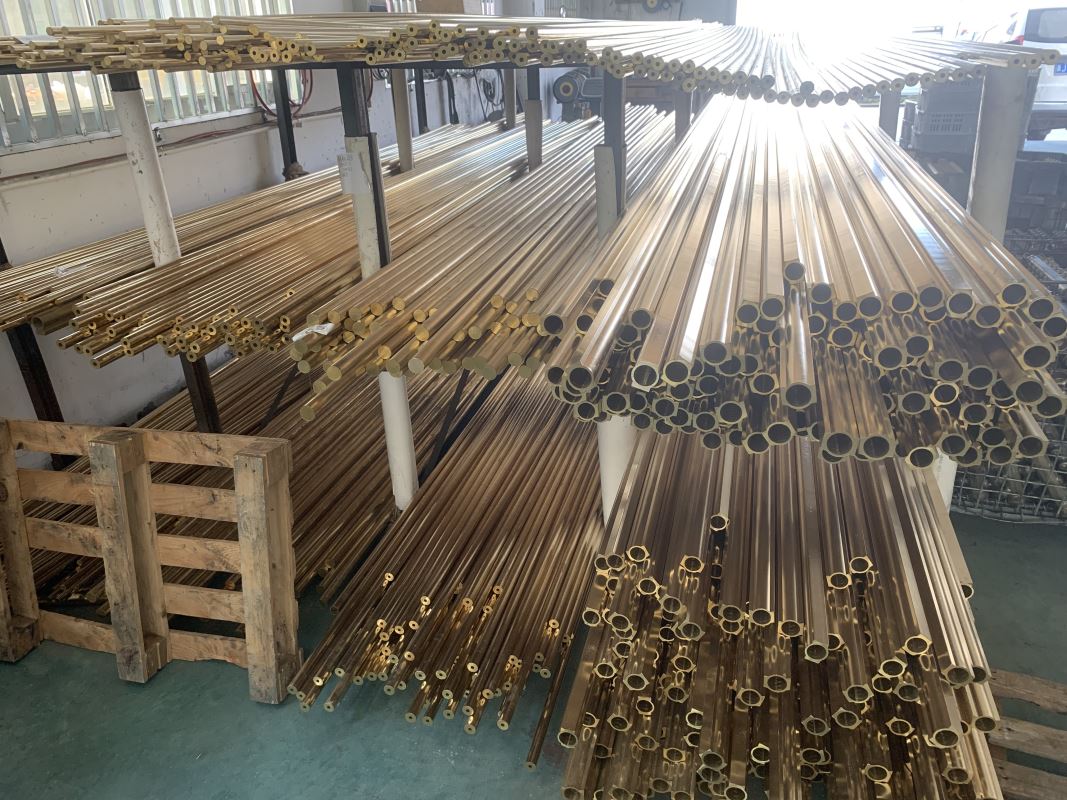
Raw Material Management: We source high-quality brass ingots or billets to meet the quantity required for the bulk order.
Automated Fabrication: Employing cutting-edge technology like automated casting and forging lines, we shape molten or malleable brass into valve bodies. Our assembly lines maintain high productivity while ensuring top-notch quality.
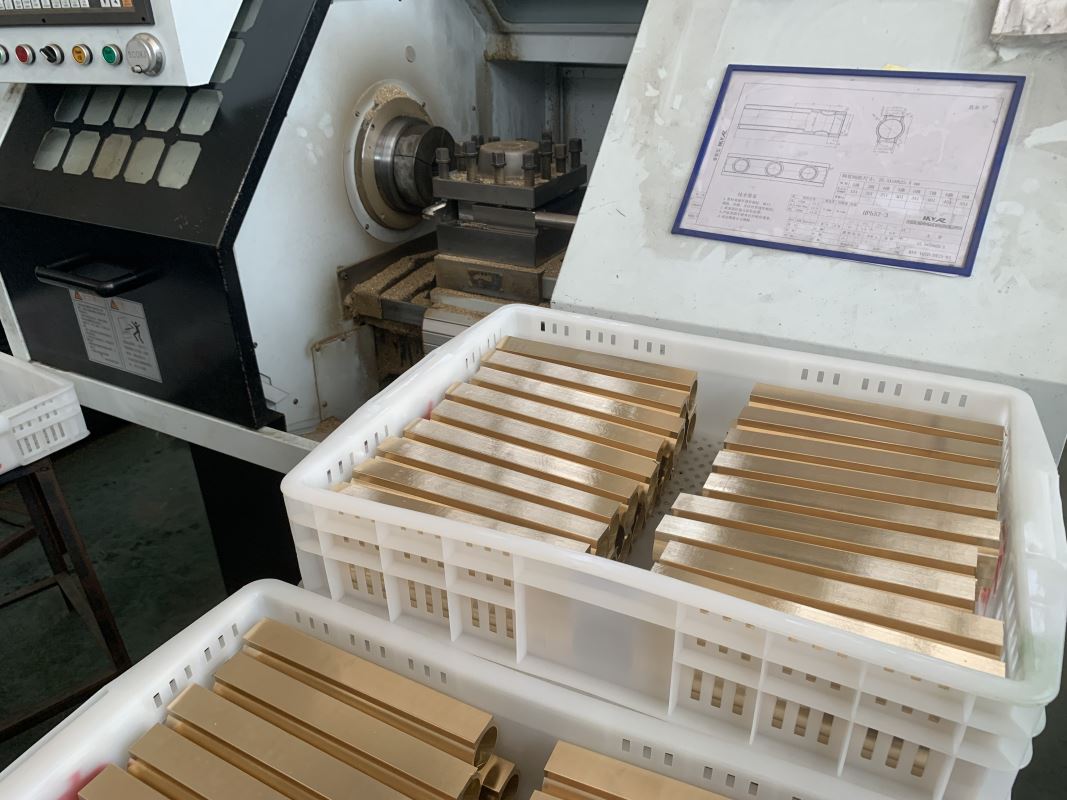
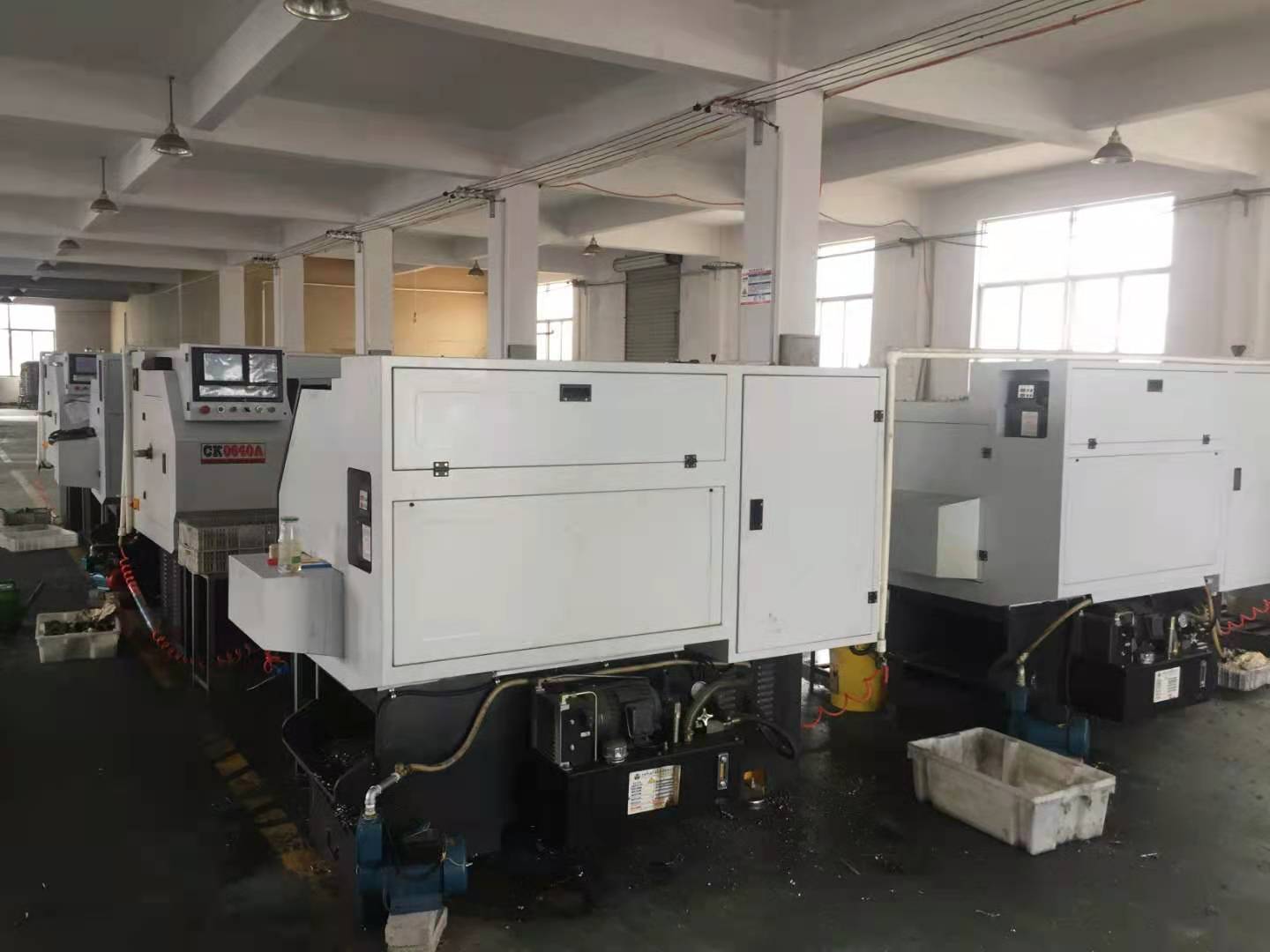
CNC Precision Machining: High-speed CNC machines swiftly carve out detailed features on each valve, optimizing time and ensuring identical components.
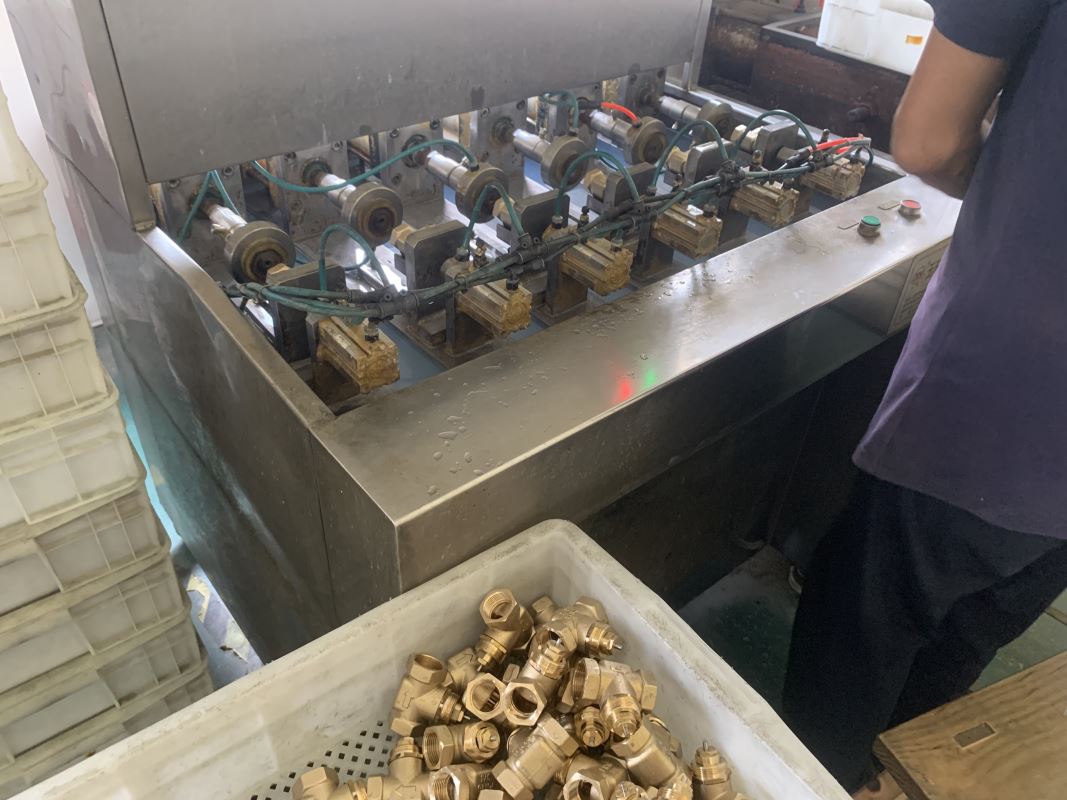
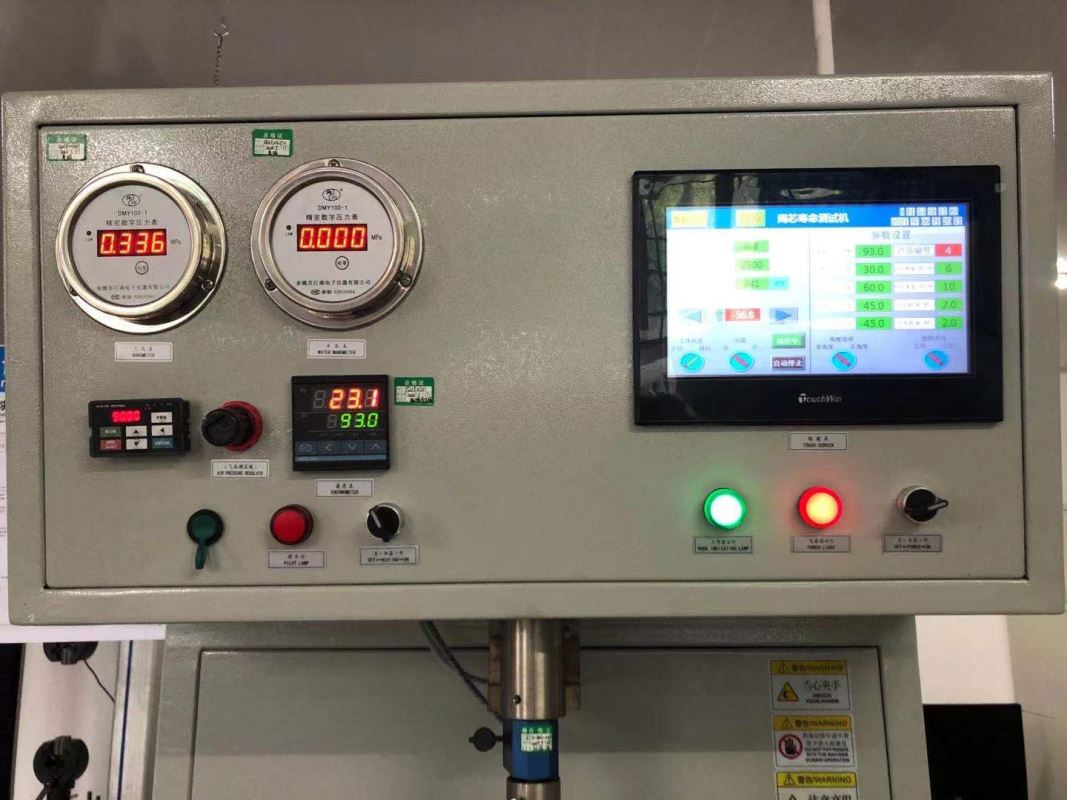
High-volume Testing: In our automated testing facilities, each valve is checked for quality standards. We employ high-speed testing machines that don’t compromise on precision.
Assembly: Components are assembled using automated or semi-automated assembly lines to maintain speed and accuracy. This includes adding the stem, bonnet, sealing elements, and operating handle or wheel.
Surface Treatment: Any necessary surface treatment (like plating or coating) for enhanced corrosion or wear resistance is applied. Bulk orders may use conveyor systems for continuous, uniform treatment.
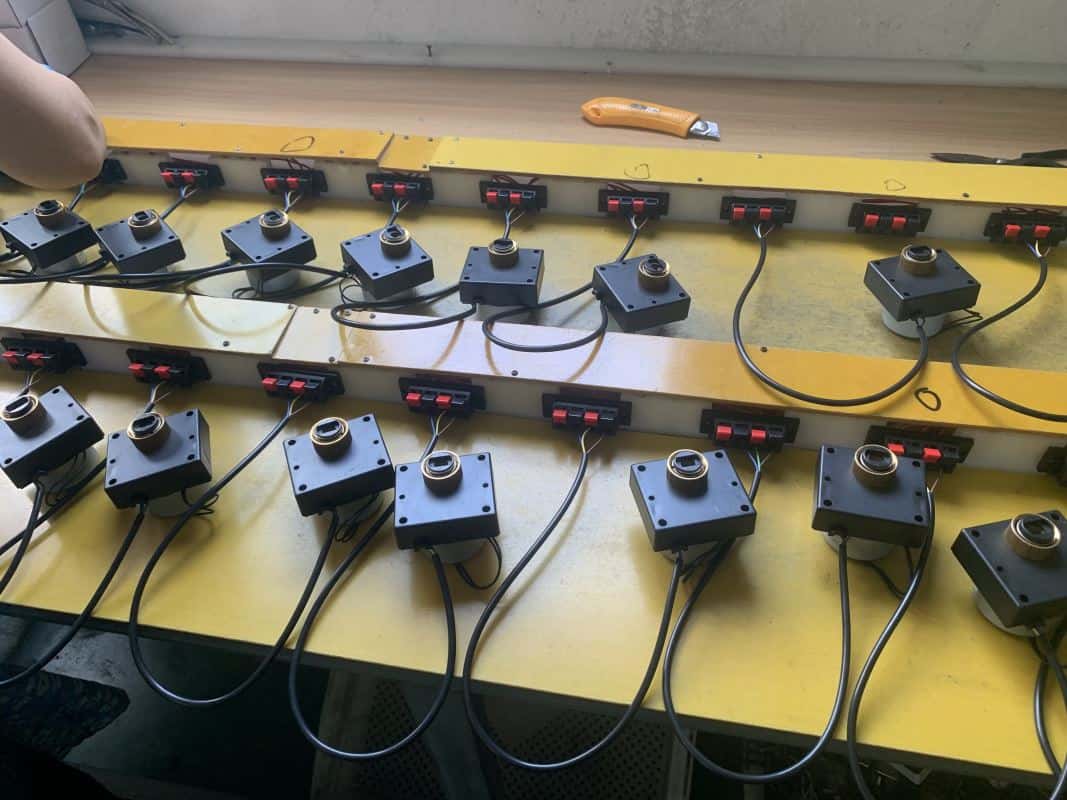
Testing & Inspection: Every valve is rigorously tested and inspected to ensure it meets quality and operational standards. Automated testing rigs are employed to handle the large volume of valves and ensure each meets the necessary pressure and leak standards.
It requires an understanding of your application’s unique needs, the type and quality of the valve, operational conditions, and the manufacturer’s reputation. The valve’s function, the type of fluid in the system, and even the maintenance requirements should be taken into account. The supplier’s industry knowledge and commitment to environmental sustainability could also influence your decision. Making an informed choice can improve system efficiency, extend the valve’s lifespan, and ultimately, provide value for your investment. Take your time, do the research, and if possible, leverage the expertise of professionals in the field.
Understand the purpose and select the appropriate type of valve (e.g., ball, gate, check, butterfly) accordingly. Different types of valves serve different functions and applications.
The type of operation mechanism (manual, pneumatic, electric, etc.) must match the requirements of your application.
While the functionality of the valve is key, aesthetic appeal can also be important, particularly for exposed fittings in homes or commercial buildings.
The type of fluid (gas, liquid, corrosive substance) passing through the system should be considered, as it may affect the valve’s durability and performance.
Different applications require different leakage classes. For instance, for high-integrity applications, opt for valves with a Class VI leakage rating.
Some manufacturers focus on producing environmentally friendly products. If this is an important aspect for you, consider it in your decision-making process.
Ensure the valve is made of high-quality brass for optimal durability and performance. Corrosion resistance is an added advantage for applications involving harsh or reactive substances.
Each valve is designed to withstand specific pressure and temperature ranges. Choosing a valve outside of your system’s operating conditions can result in poor performance or even failure.
The valve size should match your system’s piping to ensure proper fit and seamless operation. Incorrect sizing can lead to leaks or unnecessary system pressure.
While quality should be a priority, the price of the valve should also fit within your budget. Sometimes, investing in a higher-priced, quality product can save money in the long run by reducing maintenance and replacement costs.



Upgrade your home and lifestyle with our “General Hot Sales Items,” featuring popular products like Plumberstar’s durable brass gate valves, corrosion-resistant check valves, and easy-to-install compression fittings. These best-selling items cater to various plumbing needs and preferences, ensuring you can find the perfect solution for your home. Explore our in-demand products and invest in top-performing items that will transform your plumbing system and elevate your daily routine.
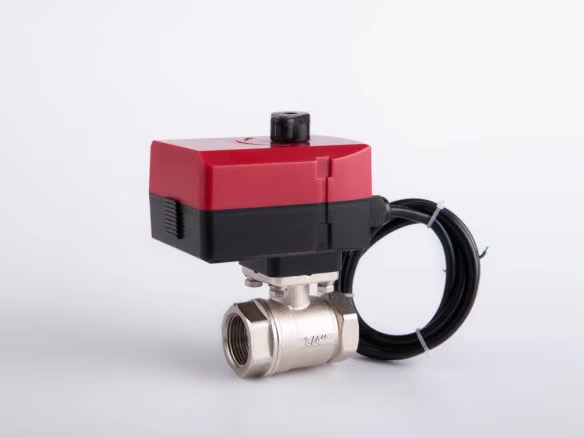
It’s suitable for HVAC and status control of the water system. The actuator uses a synchronous machine that drives the gears steady. Shell material made from ABS, body, and spare parts are made from original brass with 5 years warranty type hot sales in Europe. Sizes from DN15, DN20,DN25,DN32
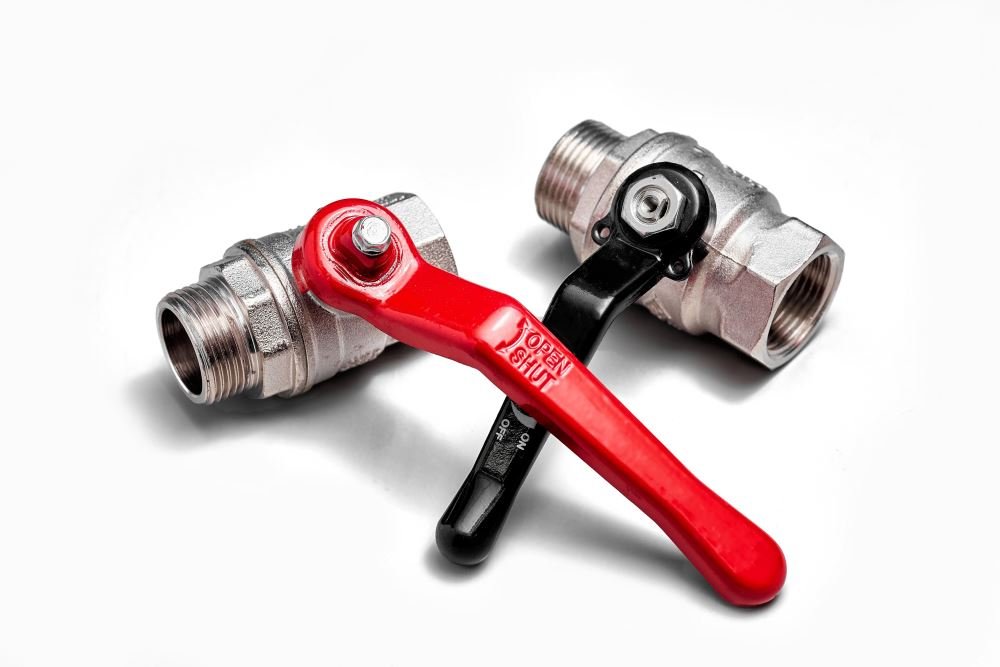
The 2pc ball valve is an essential piece of equipment in any industrial setting. It’s also a versatile tool that can be used for many purposes and tasks around the house or office. The ball valve has three main parts: the bonnet, which covers the opening; the spindle, which controls how much water flows through; and the ball itself, which stays shut until enough pressure builds up to move it out of place. It’s perfect for use in any situation where you need to control flow rate or direction without manually opening or closing something every time. If you have ever had trouble with your sink drain backing up when someone flushes a toilet on another floor or if you want to create a low-flow shower

A brass spring check valve has been used for a long time and is still widely used today because it effectively stops water from flowing into the line when opening or closing a connection. For example, if you have a water supply coming from your house and going to your dishwasher, this type of valve would be installed before the dishwasher to ensure no air gets past it when opening or closing the dishwasher door.


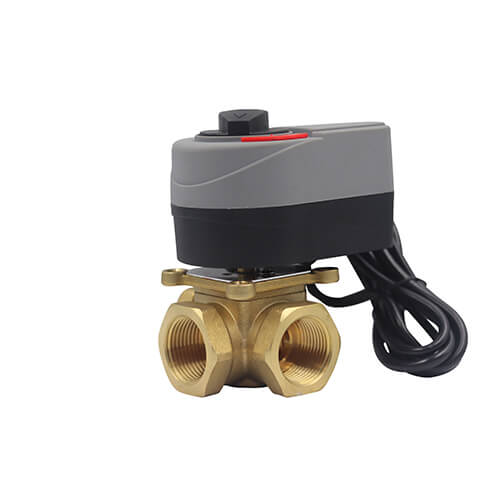
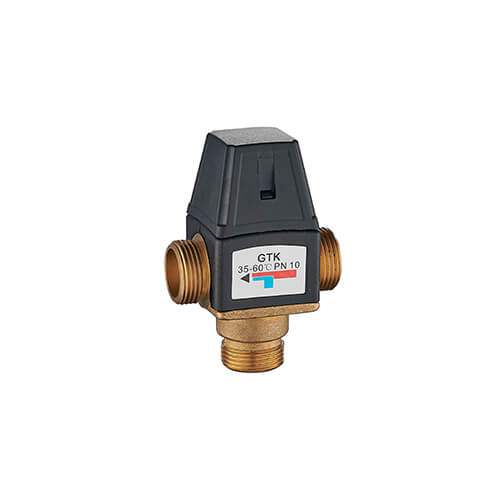

Sustainable Savings for a Brighter Future: Embrace the benefits of Plumberstar’s valve cost analysis to make eco-friendly and cost-effective decisions for your business. Our experts evaluate the environmental impact of your valve production process and provide tailored recommendations for reducing waste, conserving energy, and minimizing material usage. By implementing these sustainable practices, you’ll enjoy long-term cost savings while making a positive impact on the planet.
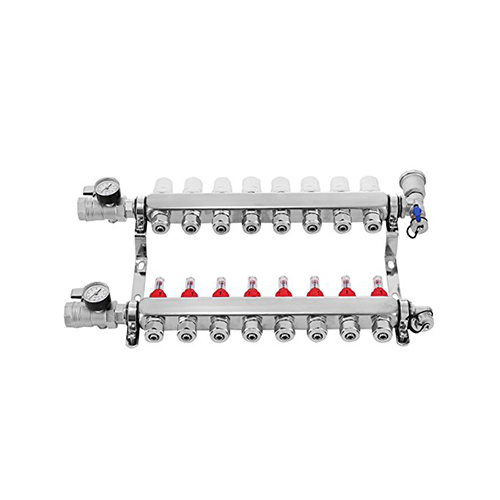
Choosing a flow meter for radiator heating manifolds requires careful thought. Prioritize quality and reliability to avoid system disruptions and ensure long-term performance. Flow meter precision is key, with devices offering greater accuracy often providing more efficient energy use. Make sure the flow meter is resistant to high temperatures common in heating manifolds. Evaluate the ease of installation and maintenance, as complex procedures may increase costs. Remember, while upfront price matters, a reputable manufacturer with superior customer service can bring immense value. Consider these elements carefully for a well-informed purchase.
OEM
Product Details: Know your flow meters' size, weight, and volume for suitable container selection. Container Choice: Standard, Open Top, Flat Rack - choose based on your product needs. Packing: Properly packaged and secured items ensure transit safety. Paperwork: Correct, complete shipping documents facilitate seamless customs procedures. Insurance: Consider insuring your shipment against unforeseen damage or loss. Customs Rules: Understand both Chinese and Japanese customs requirements to avoid delays. Incoterms: Define responsibilities for shipping, insurance, tariffs with your trading partner to ascertain total shipment cost. Freight Forwarder: Select a trusted professional to simplify logistics.
Japan
Partner with Plumberstar to uncover hidden savings and streamline your import process from China. Our in-depth analysis of import fees, including customs duties, VAT, and additional charges, enables you to make informed decisions that optimize your global trade endeavors. Experience the benefits of seamless international business with Plumberstar's strategic insights.
ExtraPlease note the flow steps of fabricating. Drawing design, copper materials purchase, casting or forging, sandblasted, CNC machine, sanitary accessories sourcing, box, cartons artwork and making, packing. water leakage pressure testing, and another lifetime test in the laboratory, loading, and shipping at the end with the first step services
Unlock the full potential of your projects with our cutting-edge drawing design services. Our skilled designers utilize the latest technology and design methodologies to create high-quality drawings that effectively communicate your ideas and facilitate seamless collaboration between all stakeholders. From intricate technical drawings to captivating architectural designs, Plumberstar is committed to providing exceptional design solutions that drive innovation and inspire confidence in your projects.

Plumberstar’s expertise in procuring top-grade raw materials like brass, steel, and high-density polyethylene (HDPE) ensures cost-effective solutions for our clients. Our solid relationships with suppliers and comprehensive market knowledge enable us to obtain the best materials at competitive prices, resulting in savings we pass on to you. By striking the perfect balance between cost and quality, we guarantee that your projects benefit from first-rate materials without exceeding your budget—Trust Plumberstar to deliver affordability, dependability, and performance for all your product requirements.

At Plumberstar, we harness the latest casting and forging technologies to deliver exceptional results for our clients. We offer an in-depth look at our range of services, including gravity die casting, centrifugal casting, and open-die forging, all designed to produce high-quality, complex components for various industries. Immerse yourself in our world of cutting-edge manufacturing techniques. Learn how Plumberstar’s expertise, dedication to quality, and customer-centric approach can transform your ideas into tangible, high-performance products.
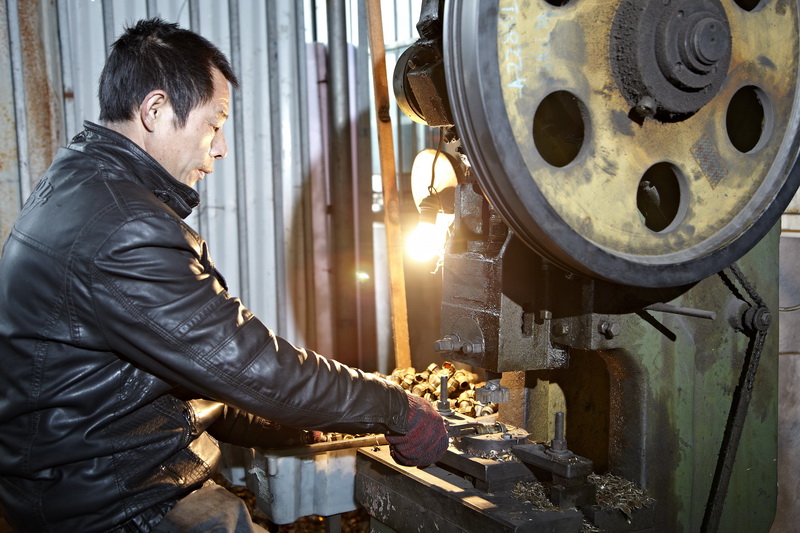
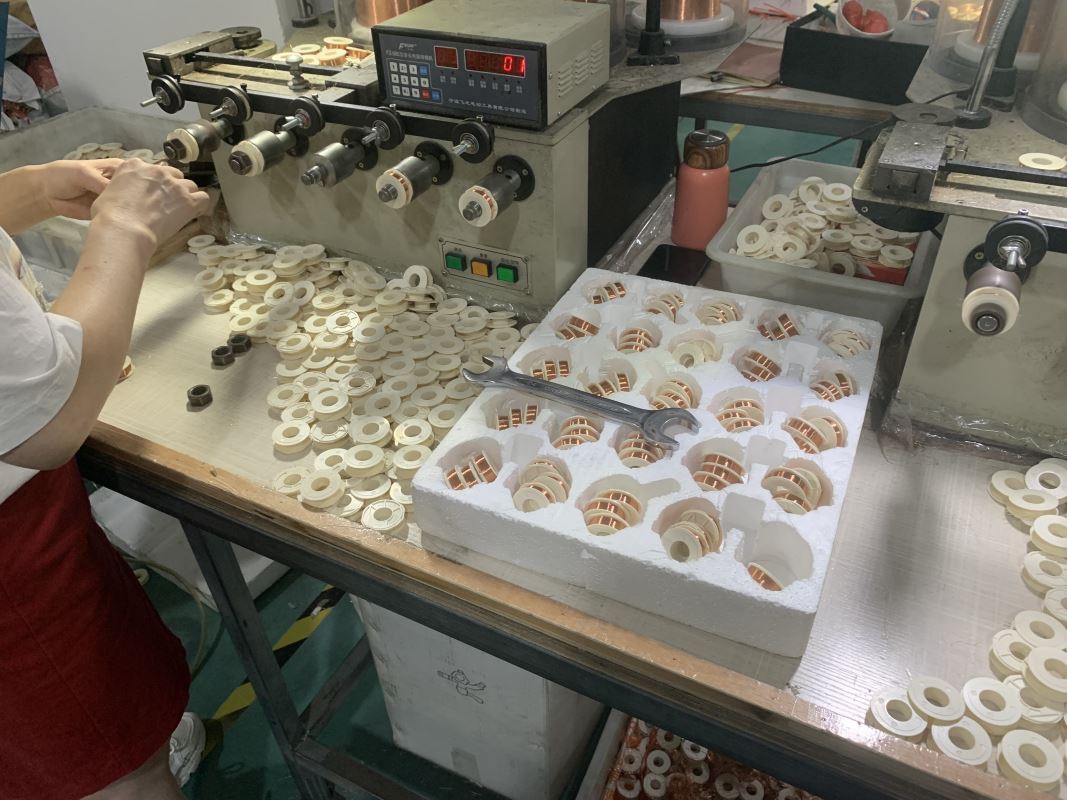
Plumberstar is your go-to source for top-of-the-line CNC bulk machines, expertly engineered to provide B2B clients with the perfect balance of speed, precision, and reliability. Our cutting-edge equipment is designed to handle the most demanding high-volume production runs while maintaining the highest levels of quality and consistency. Dive into our extensive selection of CNC bulk machines and learn how partnering with Plumberstar can transform your manufacturing capabilities and elevate your business to new heights of success.

Plumberstar’s industry-leading brass valve assembly services offer B2B clients unparalleled quality and reliability across various valve types, including safety valves, globe valves, and electric valves. Our expert technicians teach you the intricacies of proper component installation, leak-free sealing, and accurate pressure control, ensuring flawless operation and lasting performance. Embrace our comprehensive brass valve assembly offerings and learn how our dedication to excellence can transform your operations, driving your business success.

Product Conformity: Ascertain each valve’s conformity to established industry standards and customer prerequisites. Routine pressure assessments, leakage detection, and material inspection form part of this phase.
Secured Packaging: Specialized packaging practices cater to different destination norms, enhancing valve protection during transit. It may range from individual wraps, palletizing, to creating bespoke crates.
Compliance Documentation: Draft detailed export-related documents such as the packing list, commercial invoice, and specific destination country-mandated product certifications. Brass valves might necessitate ISO, CE, or other relevant certifications.
Customs Formalities: Report the shipment to your nation’s customs, ensuring complete documentation, and fulfilling any export-related financial obligations.
Transportation Coordination: Plan shipment logistics, which could entail selecting a reliable freight forwarder, organizing pickup and delivery schedules, and shipment tracking.

Exporting brass valves from a manufacturer like Plumberstar involves several key steps to ensure a smooth and successful transaction. If you’re considering exporting brass valves from Plumberstar
Please note that the final cost depends on the customized service you require, the specifications of the raw materials used, the relevant national laws, and the distance of transportation. Take the example of booking a tall container of products:
The radiator valve controls how much hot water flows into and out of the radiator. Controlling this water flow changes how much heat the heater
Usually found in basements and garages for drainage. These consist of a simple grate on top with the drainage directly to the sewer. Shower Drains
Fluid control systems rely heavily on check valves as integral but sometimes overlooked components of their design. Intended to allow flow in one direction while
As classic kitchen and garden fittings make a comeback, finding reliable manufacturers has never been more important. Direct relationships between manufacturer and client ensure competitive
Are you searching for Germany’s finest butterfly valve manufacturers? Working directly with factories provides direct pricing, stringent quality controls, and the opportunity to tailor solutions
As true factories offer competitive pricing and stringent quality controls with tailored solutions specifically for their clientele, an authentic manufacturer provides access to both quality

Dimensional Checks: Using measuring tools, ensure the valve dimensions correspond to the specifications. This includes the overall size, port size, and threading.
Operational Testing: The valve should operate smoothly without any grinding or sticking. For a gate valve, the gate should lift and lower effortlessly; for a ball valve, the lever should turn smoothly.
Leakage Tests: After operational testing, a pressure test should be carried out to check for any leaks. Apply pressure using air or water, then inspect the valve for any signs of leakage.
Seat Inspection: The valve’s seat is pivotal for its sealing capability. Check for any irregularities or signs of damage.
Packaging and Marking: Quality manufacturers take care in packaging their products. Look for robust packaging that offers protection during transit. The product markings should be clear and accurate, providing essential information like valve type, size, pressure rating, material, and the manufacturer’s name.
Stem and Gland Inspection: Check the valve stem for smooth operation and the gland for proper alignment. Any misalignment could lead to operational issues.
Pressure Rating: Check the valve’s pressure rating to ensure it suits your application. An inappropriate pressure rating could lead to valve failure.
There are several common problems that you might have with brass valves. The most likely one is that they will start to leak, and when this happens, it is important to find the right plumber who can fix them quickly. If you leave your leaking valve for too long, then water damage could occur in your home, which would be very costly to repair. Another problem with brass valves is that they tend to become corroded over time or if they have been exposed to saltwater or chlorine. They may also suffer from what’s known as ‘brass disease’ where a greenish fungus forms on their surface, which leads them to be discolored and even pitted so much so that the flow of water through them becomes restricted at best or stops
There are many traps for mass production valves. Lighter weights instead of a heavy one, zinc alloy materials say original brass after finishing treatment. Many suppliers any incoming materials and spare parts inspection record, 1% water leakage test say 100% testing, poor recycle materials instead of environment-friendly materials; lifetime no machines test in the laboratory.

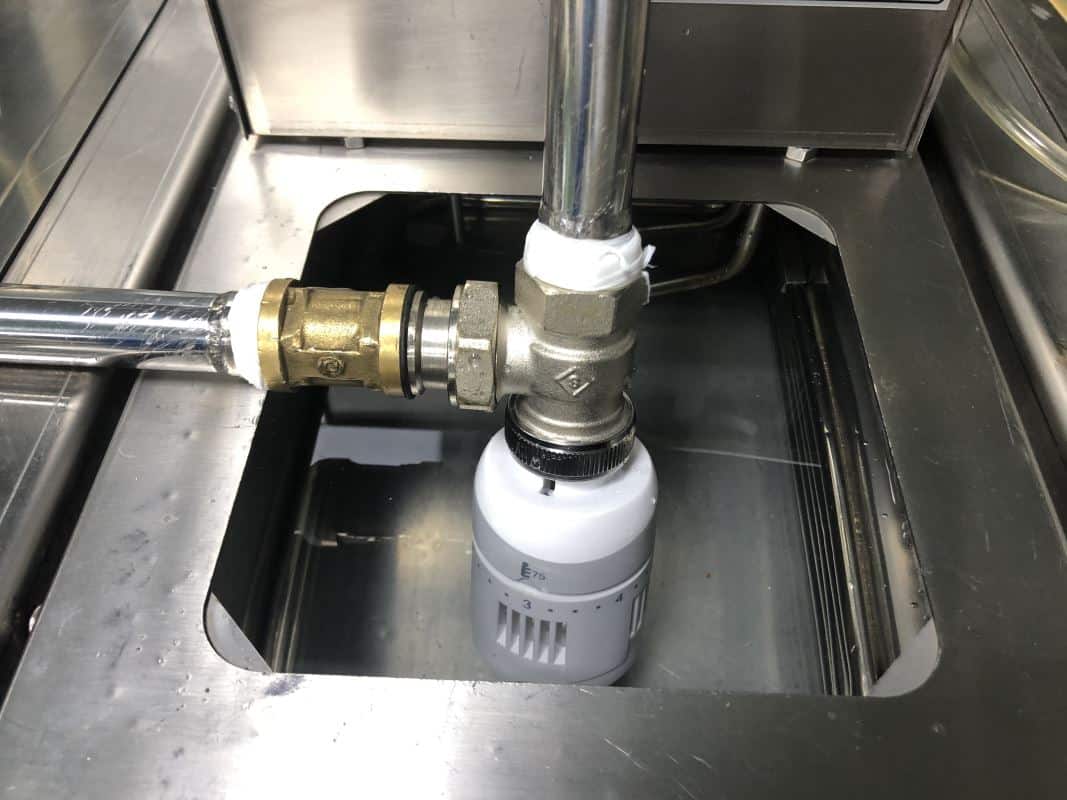

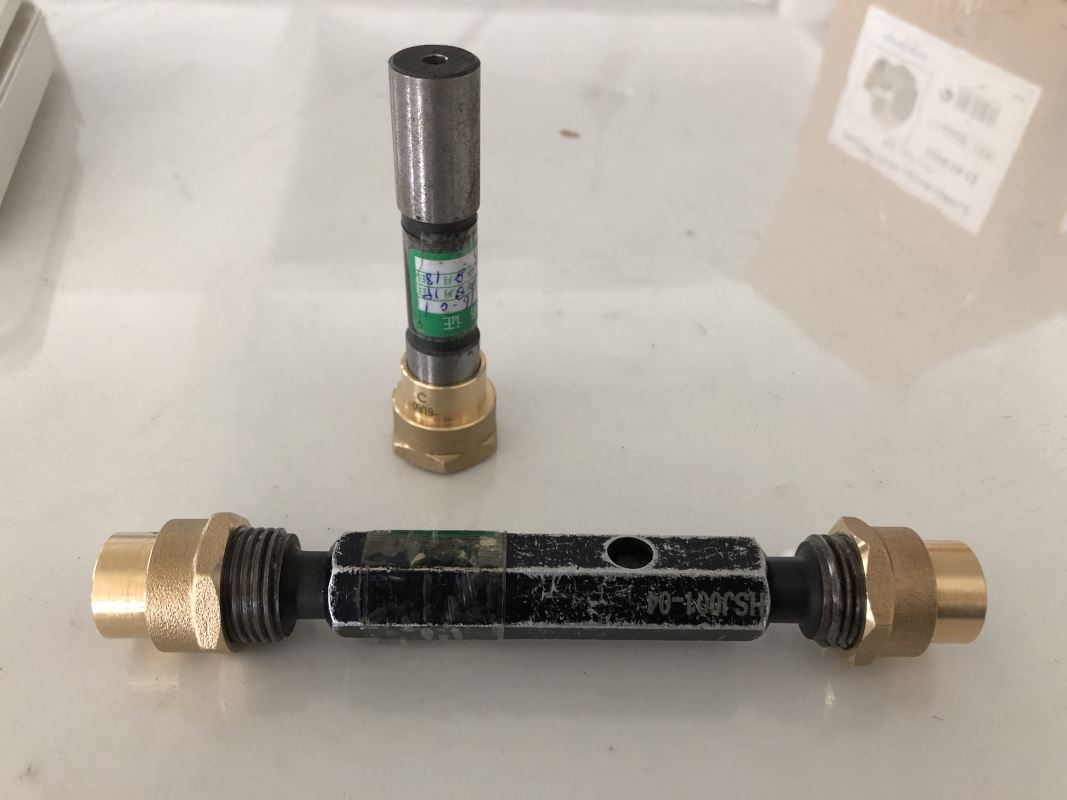


Choosing the right brass ball valve manufacturer is not a straightforward process. The choice you make will have a direct impact on the quality of your systems, operational efficiency, and long-term costs. Here are some additional details and considerations to bear in mind when making your selection.

Delivery and Logistics: Timely delivery is crucial. Check the manufacturer’s supply chain efficiency.
Quality Assurance and Warranties: A key consideration when choosing a manufacturer is their quality assurance. This refers to their measures to ensure their valves meet industry standards and perform optimally. Notably, Plumberstar offers a 3-year warranty on their brass ball valves. This guarantees that the valves will be free from defects in material and artistry for that period.
Certifications and Accreditations: These indicate a manufacturer’s commitment to maintaining high standards in their processes and products. Look for manufacturers with certifications such as ISO, which relates to quality management systems, and API, which pertains to the oil and gas industry.
Track Record and Reputation: Look at the manufacturer’s industry record and client reputation. Customer testimonials and reviews can provide valuable insights.
Your home’s plumbing system is important for many reasons, from the flush of your toilet to the flow of water from your faucet. We need a quick and dependable solution. Brass valves are an excellent choice for homeowners searching for quality replacement parts that they can trust to get the job done right and last a long time. These valves offer reliable performance at affordable prices, so you can make sure all of your home’s plumbing needs are met without breaking the bank or compromising on quality when it comes to valve fittings. Brass valves also come in many different styles, making it easy to find one that matches your existing fixtures.
Plumberstar is dedicated to providing a vast selection of waterworks parts, catering to the diverse needs of our clients. Our product offerings range from standard components to fully customized solutions tailored to your requirements. With our extensive product line and exceptional customization capabilities. Ensuring seamless integration and optimal functionality in your waterworks systems.
Please note that are common questions from most customers. Could you please feel free to contact us if any further questions or are confused about brass valves, underfloor heating system, HVAC, Actuator and pipe fittings, sanitary ware parts?
The swing check valve is a type of check valve which uses a swinging piece to obstruct the reverse flow of fluid. The disk swings into the line in its closed position and prevents any fluids from flowing in that direction. When pressure from one side of the disk becomes greater than on another side, it will swing out of the way to allow fluid through. There are several types available with different designs depending upon applications; mechanical or pneumatic actuation mechanisms can be used for controlling the opening and closing operations.
This post discusses design, working principle, and application areas where this type of check valves are typically used."
Radiator valves are used to control the flow of water through a radiator. They sit at the end of a pipe and regulate the temperature by controlling how much hot or cold water is flowing out. If they get clogged, it can cause an overheating problem that could damage your car's engine. It's important to know what you're doing when working on this part of your vehicle so don't go near them without consulting a professional first!
An angle valve is a type of valve that can be used to control the flow of water, gas, or other fluids. It is sometimes called a quarter-turn valve because it only needs to be turned one-quarter turn in order for the direction of flow to change. They are typically found on faucets and showerheads as well as other plumbing fixtures such as sinks, toilets, and dishwashers. Angle valves should not be confused with Y-shaped valves which use two handles instead of one and also have different design features like shutoff cleats.
An angle valve is a plumbing fitting that uses two 90 degree angles to control the flow of water. It works by controlling the direction and velocity of water as it enters or exits piping. Angle valves are usually found in commercial settings where they help achieve accurate pressure and flow requirements for industrial processes like foodservice, chemical manufacturing, and power generation. However, angle valves can also be used in residential applications such as washing machine hoses and dishwasher lines.
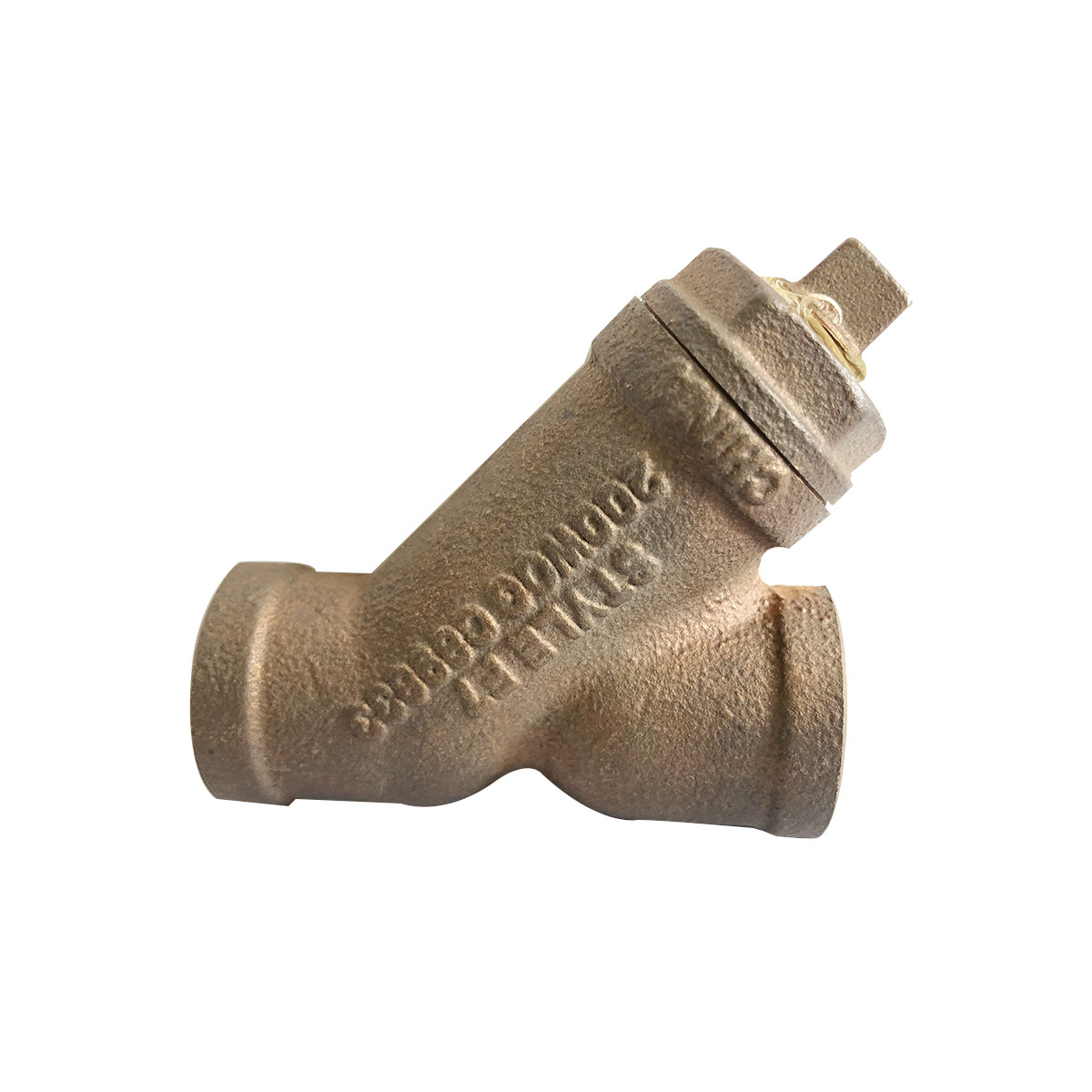
The Y-strainer can be used in many different applications. They are often found in water systems but can also be applied to other fluids such as oil or gasoline. A common use is for the filtration of wastewater. These filters must be made out of bronze due to their ability to resist erosion by corrosive fluids and materials. The size and shape vary depending on the application. Still, they all generally have two openings where fluid flows through them - one opening allows large particles through (larger than the holes), and another smaller opening that filters out smaller particles (smaller than the holes). This process ensures only clean fluid passes through while allowing solids that could clog up pipes or valves to remain trapped inside the strainer
In the past few years, brass garden taps have been used by a lot of people in their homes to bring an old rustic charm to their bathrooms. These taps are a great addition for outdoor and indoor use. Brass garden taps look beautiful when they are being used outdoors, but it is important that you know how to properly maintain them so that they last long!
When it comes to decorating your garden, you can't go past the timeless beauty of brass. Brass is an alloy that consists mainly of copper and zinc. It's a material that has stood the test of time for centuries, yet still looks as modern today as it did back then! From garden lighting to water features, there are so many ways you can incorporate this classic metal into your outdoor space. If you're looking for inspiration on how to use brass in your garden, read on...
A thermostatic mixing valve is a plumbing device that controls the flow of hot and cold water. It can be used for either domestic or commercial purposes, depending on the size. The valve has two connections to hot and cold pipes coming from different sources, which meet in an outlet pipe that goes into your sink or bathtub. When you turn on one side of the knob, it mixes warm water with cool water, so you don't have to waste energy heating up all your cold water at once.
A thermostatic mixing valve is a device that is used in some types of heating systems. The purpose of the TMV is to regulate water temperature by mixing hot or cold water with the incoming supply depending on usage. They are also called "temperature-actuated valves" or simply "mixing valves."
Electrical ball valves are technically known as solenoid valves. They are used to control the flow of fluid or gas through a pipe in a mechanical way, by opening and closing an electric current across it. Solenoid valves can be found in kitchen appliances like dishwashers, washing machines, and cars while there are also industrial applications for them too. These types of valves have been around for over 120 years but they still remain very popular today due to their reliability and cost-effectiveness.
Electrical Ball Valves vs Manual Ball Valve: What's the Difference? The electrical ball valve is different from the manual ball valve because it operates with electrical power instead of hand power. For example, you can find a solenoid valve on a dishwasher machine.
Electrical ball valves and solenoid valves are a great way to control large flows of liquids, gases, or powders. These valves have been around for decades and have been used in everything from nuclear power plants to the Mars Rover. They may not be as flashy as some other types of valve but they do an excellent job at their intended purpose which is controlling flow rates.
The solenoid valve and the electrical ball valve are both used in a variety of applications. The solenoid valves can be found in many types of industrial equipment, while the electrical ball valves are often used to control water flow in residential plumbing systems.
There are four types of pipe fitting in a plumbing system. These pipe fittings are the couplings, unions, elbows, and tees. The purpose of these pipes is to connect two pieces of piping. They can also be used for changing direction or providing an offset connection.
Pipes are the backbone of any plumbing system. Without them, there would be no way to transport water or waste. One of the most common types of pipes is pipe fitting, which can be made up of many different pieces that are unique in their way. There are four main categories for pipe fittings: compression fittings, flare fittings, solderless joints, and elastomeric/flexible couplings. Compression fittings use threaded connections with nuts to tighten down on the pipe so it stays in place, while flare fittings have one end flared outwards so it can more easily fit into another piece's flared opening. Solderless joints need two matching pieces that slide together over a joint then tightened by tightening screws at
No.7 Qinggang Industrial Zone
Yuhuan City,Zhejiang Province,China
+86 576 8252 9985
+86 159 6864 8802