
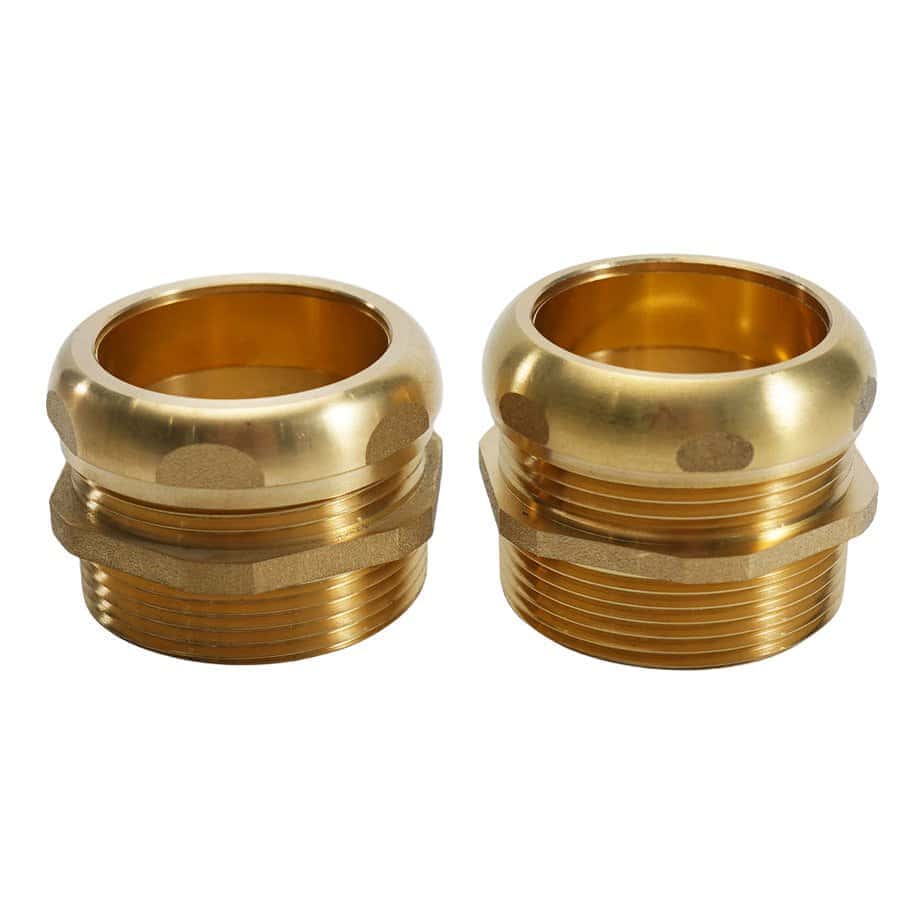
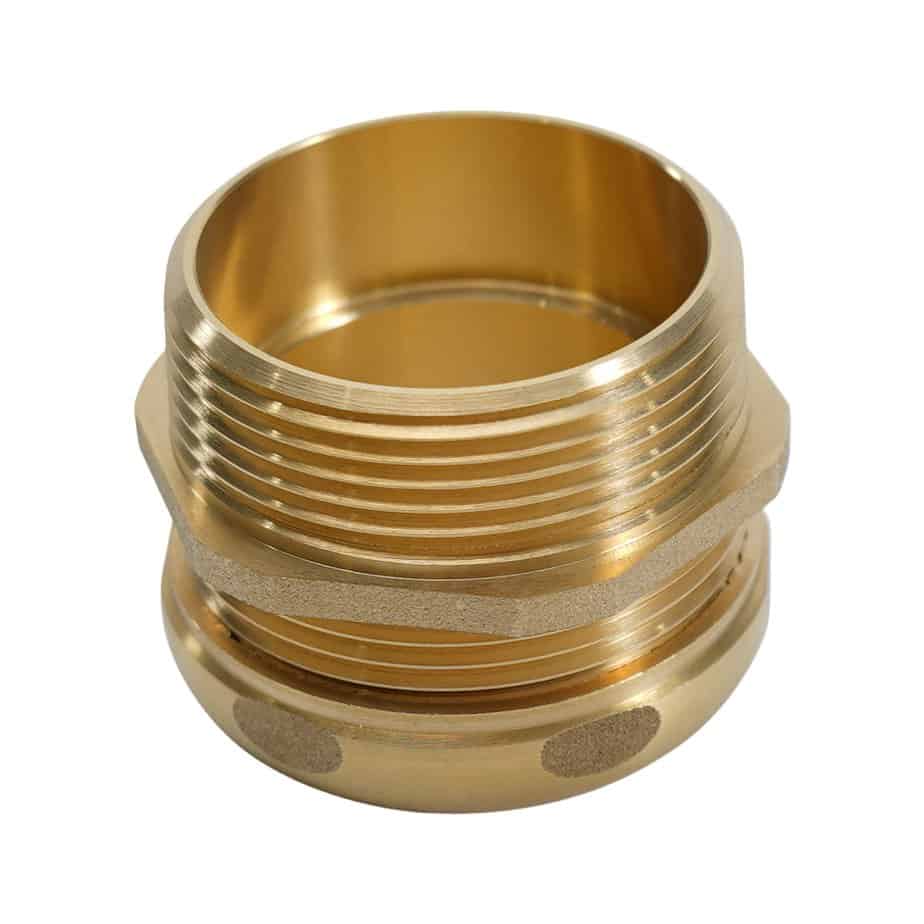
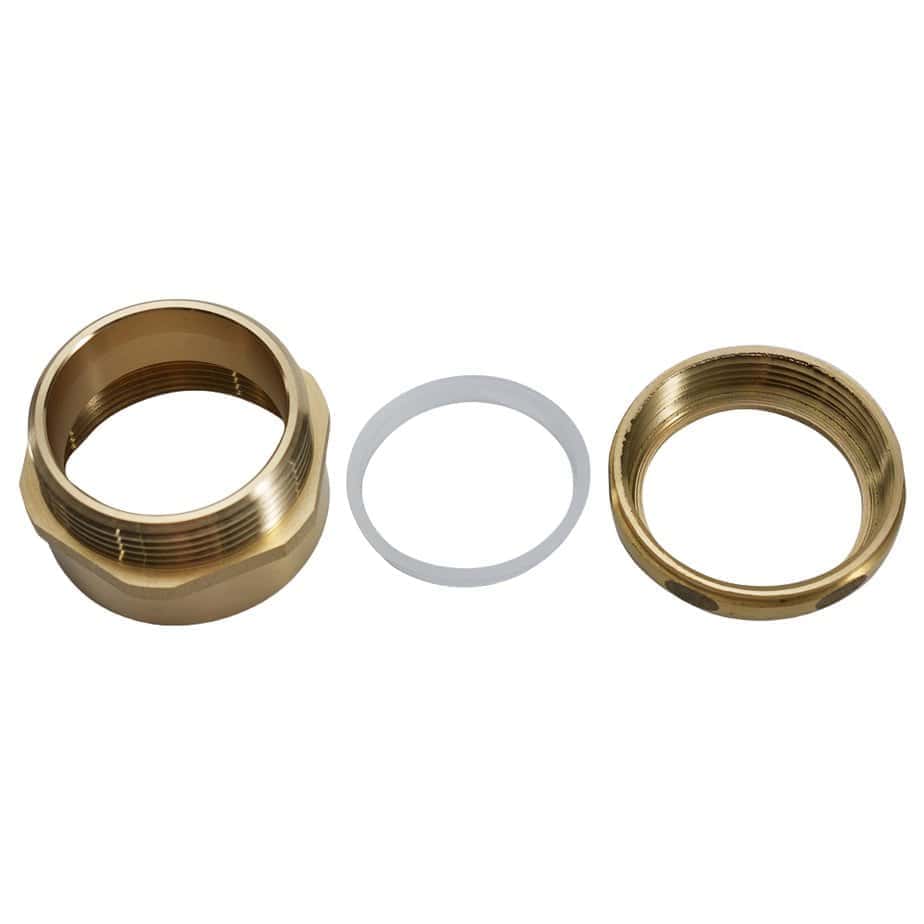
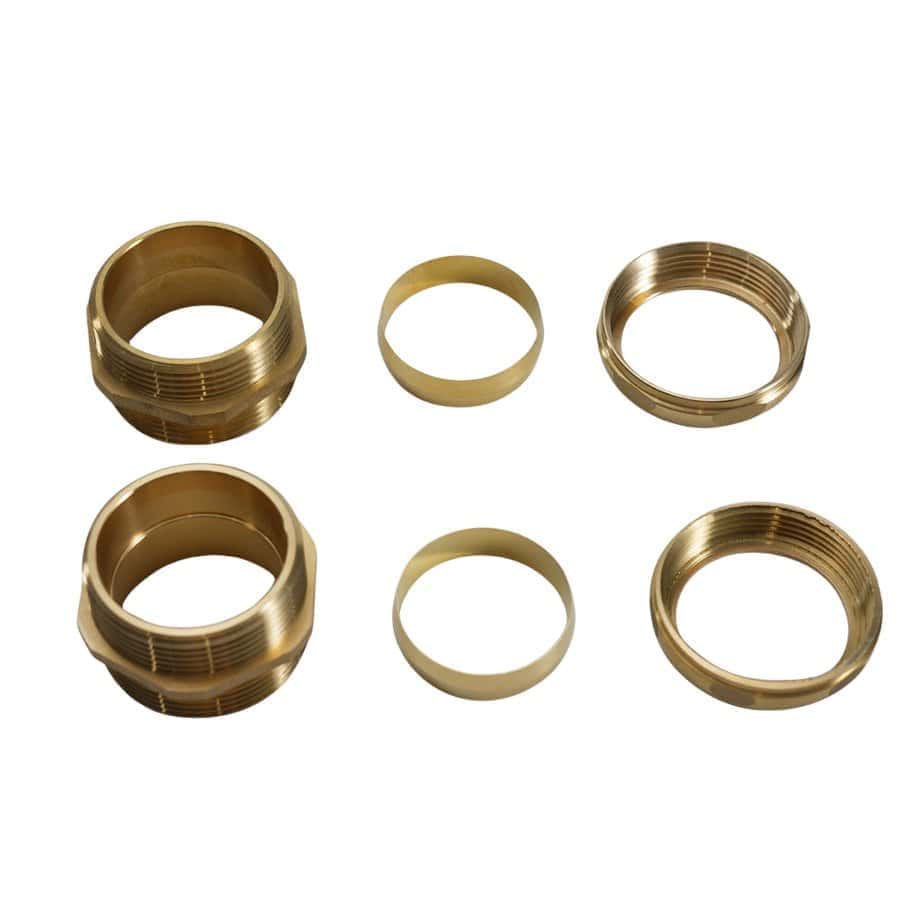

Brass Waste Connectors Trap Adapter
JX-0816b
BRASS MALE WASTE CONNECTORS
| 11/4ODX11/4MIP |
| 11/2ODX11/2MIP |
| 11/4ODX11/2MIP |
| 11/4ODX11/4FIP |
| 11/2ODX11/2FIP |
| 11/4ODX11/2FIP |
Brass Waste Connectors Trap Adapter: Types and Guide
Brass waste connectors play a crucial role in our plumbing systems, offering both durability and an elegant touch to our fixtures. When it comes to trap adapters, brass stands out due to its resistance to corrosion and longevity. Here’s a comprehensive guide on the different types of brass waste connectors and trap adapters, and how to choose the right one for your needs.
Understanding Brass Waste Connectors
Brass waste connectors link the waste pipe to the drainage system, ensuring a tight and leak-proof connection. Their primary function is to direct wastewater away, preventing leaks and potential water damage.
Key Features:
- Corrosion Resistant: Brass doesn’t corrode easily, unlike other metals, ensuring a long-lasting connection.
- Versatile Designs: With a range of styles available, brass connectors fit seamlessly into any bathroom or kitchen aesthetic.
- Temperature Tolerance: Brass can handle hot water without deforming or losing its integrity.
Types of Brass Waste Connectors
a. Compression Connectors:
These are designed for ease of installation. They have a nut that, when tightened, compresses a washer between the connecting pipes, ensuring a watertight seal.
b. Slip-joint Connectors:
Popular in kitchen sinks, these connectors come with a slip nut and a beveled compression washer, providing a secure connection.
c. Flanged Connectors:
With a flange on one end, these connectors are commonly used for connections that will be visible, ensuring a neat finish.
Introduction to Trap Adapters
Trap adapters are vital components that connect p-traps (curved pipe sections under sinks) to the waste line. They come in various sizes and configurations to match different setups.

Types of Trap Adapters
a. Female Trap Adapters:
These fit over a trap arm and are sealed using a compression nut.
b. Male Trap Adapters:
They fit inside the trap arm, smoothly transitioning between different pipe diameters.
c. Solvent Weld Adapters:
These are fused to the pipe using a special cement, ensuring a permanent, leak-proof connection.
d. Slip-joint Adapters:
Designed for ease of installation and adjustments, they use a slip joint nut and washer for the connection.
Choosing the Right Adapter and Connector
When selecting a waste connector or trap adapter:
- Measure the Diameter: Ensure the diameter matches your existing plumbing setup.
- Check for Local Codes: Some regions have specific codes and standards that dictate which materials and types are permissible.
- Durability Over Price: While brass may be more expensive than PVC or other materials, its longevity and reliability often justify the cost.
- Aesthetic Considerations: If the plumbing is visible, such as in pedestal sinks, choose a design that complements the overall look.
Installation Tips
- Use Plumber’s Tape: The plumber’s tape can ensure a more watertight seal for threaded connections.
- Hand tightens First: Avoid using a wrench initially. Hand-tighten to ensure the threads align properly, then use tools to secure.
- Check for Leaks: After installation, run water through the system and check for any signs of dripping or leakage.
Conclusion
Brass waste connectors and trap adapters are pivotal in plumbing, combining functionality with aesthetics. Homeowners and professionals alike can make informed decisions by understanding the various types and their applications, ensuring a seamless and durable plumbing system.
FAQs
1. What is the primary function of a Brass Waste Connectors Trap Adapter in a drainage system?
The brass waste connectors and trap adapters work for drainage systems. Its main job is to join drain parts that have different pipe sizes and connection ends. It fastens sink and basin drain outlets to P‑trap pipes. It fixes size gaps you may meet during installation, and keeps the pipe system fully connected. It fits popular drain sizes, including 32 mm and 40 mm. Many installation problems come from mismatched new and old pipe parts, or non‑standard fittings from different areas. This adapter solves those troubles. You do not need to cut or change pipes on‑site.
2. Why choose Brass material for the Waste Connectors Trap Adapter?
Brass waste connectors and trap adapters. Compared with plastic alternatives, hot and cold water flows make plastic turn brittle and crack. Brass does not have these issues. It takes pressure and hard knocks well. Its threads will not strip or break when you tighten parts during installation. This fitting stays solid for a long time inside wet cabinet spaces. It cuts down on later problems. You will see fewer cracked joints and water leaks.
Drainage parts touch household wastewater and cleaning products every day. Brass holds up against most home cleaner corrosion. Threads hardly rust or lock tightly. You can take pipes apart for later repair work. They will not get stuck or snap suddenly. This helps the fitting last much longer.
Plumberstar makes these brass adapters with CNC machines. Threads get precise cutting. They fit closely to drain traps and sink drain sets. There is a little gap between the matched parts. Pair them with sealing gaskets, and you get good, steady sealing results.
3. How do you ensure the consistency of the Brass Waste Connectors Trap?

We run full random incoming checks for these brass waste connectors and trap adapters at the raw‑material stage. We take 8 percent of brass blanks from every batch for spectrum testing. We sent the whole bad batch back to our supplier.
We check every die‑cast and forged blank by sight first. We pay close attention to thread blanks and joint wall thickness. Wall thickness can only shift ±0.15 mm at most. We throw away faulty blanks right away. They never move to machining. After every 50 finished pieces off the production line, we pull one unit to check all dimensions. We focus on three key points: thread shape, joint inner diameter, and assembly shoulder depth. Thread go‑no‑go gauge tests need a 100 % pass rate.
We store sample parts from each batch for 12 months. If customers report problems related to batch consistency, we pull these kept samples. We use them for side‑by‑side comparison and trace checks.
4. Does the Brass Waste Connectors Trap meet the ASME standard?
These brass waste connectors and trap adapters follow ASME A112.18.2. This is the North‑American standard for drainage fittings. Thread size, wall thickness, and structural performance all match its technical rules. Thread work meets NPT tolerance from ASME B1.20.1. If you want certified units with official marks, we can change the material makeup and wall thickness to fit the North American market rules. Then, third‑party labs run product tests. Our factory can handle the whole test process.
We share our in‑house factory test reports, too. They include dimension data, sealing results, and salt‑spray corrosion test records. Some customers need documents for customs clearance or project acceptance. Plumberstar builds custom parts to meet ASME standards. We supply all matching technical papers. We also offer supporting cUPC test services. These work for drainage project orders from the US and Canada.
5. Do you provide real-time order tracking for the Brass Waste Connerctors Trsp?
We offer live logistics tracking for your brass waste connectors and trap adapter order. You will get an official tracking number right after the goods leave our factory. You can check cargo position online for sea freight, air freight, and courier shipments. You see key status points, such as pickup, transfer, vessel departure, and goods arrival. Our sales team passes along all major logistics status for every order. This helps you never miss important arrival alerts. Plumberstar puts together tracking papers, customs documents, and tracking links. We send these files to you within 24 hours. Long‑term partners can also get combined tracking reports for multiple bulk orders.
