

Garbage Disposal Drain Strainer
JX-1004
OEM&ODM are both welcome.
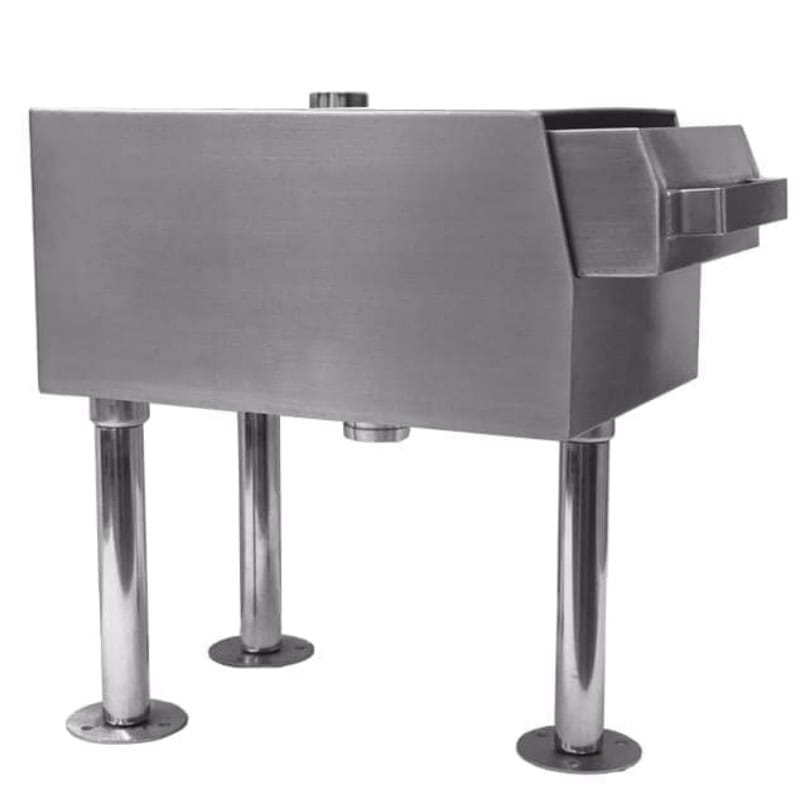
SS304 with adjustment legs
In food preparation establishments, garbage disposal thoroughly mixes freshwater with ground food waste in a restaurant. The burden will be high if the traditional commercial grease trap separates used water from the grease. Why a mechanical garbage disposal drain strainer to grind food waste?
Yes, commercial garbage disposals have been confirmed as the most excellent source of ground food waste in public sanitary sewer lines, causing overflows on the floor. Commercial places and local Water Districts have restricted and prohibited the continued use of big commercial garbage disposal machines.
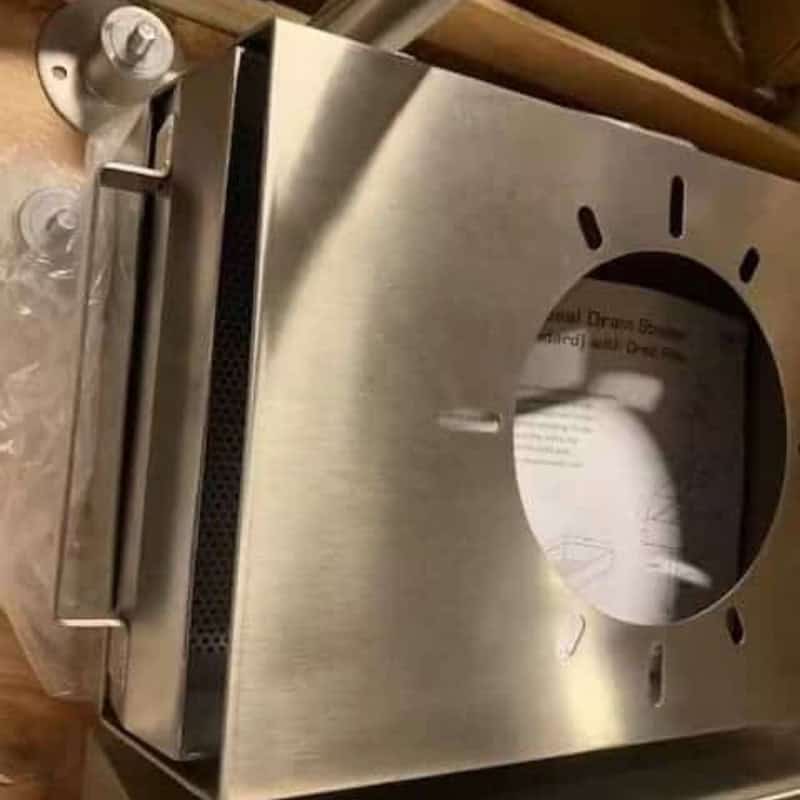
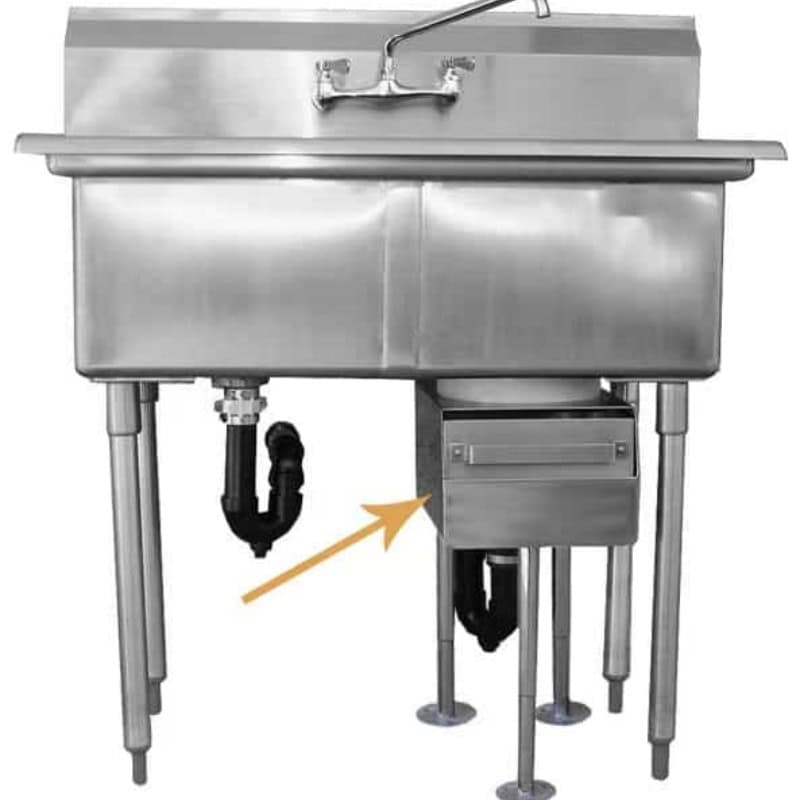
They are grinding the food waste and wasting fresh water for flushing. The stainless steel strainer-drawer strains solid particles under the steel sink when dirty dishes are being rinsed. It affects a much-needed pretreatment process of restaurant wastewater and food disposal.
We install our Garbage Disposal Replacement drain strainer to catch any solid waste before it enters the plumbing and grease trap collector. it prevents the food waste is not flushed down your drains; Grease Trap Pre-Strainer, Flat Strainer, Commercial Strainer, Indirect Waste trap) It will help eliminate the backflows and foul grease interceptor odors. Additionally, it is going to many states in America. Heavy requires restaurants to install drain waste equipment. It will make your restaurant under the law of compliance.
From DrainNet
Introduction: What is a garbage disposal drain strainer?
If you have a garbage disposal in your home, you know how important it is to keep it clean. A drain strainer can help you do just that. A drain strainer is a small, metal mesh screen that fits over the drain in your sink. It catches food and other debris before it goes down the drain, preventing clogs and stoppages.
Benefits of using a filter
If you have a garbage disposal in your kitchen sink, you know that one of the most critical maintenance tasks is cleaning it out regularly. Using a strainer is a great way to help keep your disposal clean and free of clogs.
There are two main benefits of using a strainer with your garbage disposal. First, it will catch any food scraps or debris before they can go down the drain and get caught in the blades. This will help keep your disposal cleaner and prevent clogs. Second, if something does get past the filter and gets caught in the edges, it will be much easier to fish out with a strainer than without one.
So if you’re looking for a simple way to help extend the life of your garbage disposal and keep it running smoothly, be sure to use a strainer!

Different types of filters
Different strainers are available on the market to help with the garbage disposal. The most common type is the sink strainer, placed over the drain to catch food and other debris. This type of strainer is usually made of metal or plastic and has a mesh screen that catches the debris.
Another type of strainer is the drain guard, placed inside the drain pipe to catch debris before it gets into the garbage disposal. This filter is usually made of rubber or plastic and has a series of ridges or slots that capture the debris.
The third type of strainer is the disposer strainer, which is placed over the opening of the garbage disposal to catch food and other debris. This type of strainer is usually made of metal or plastic and has a mesh screen that catches the debris.
FAQs
1. Can the outlet of the Garbage Disposal Drain Strainer be customized?

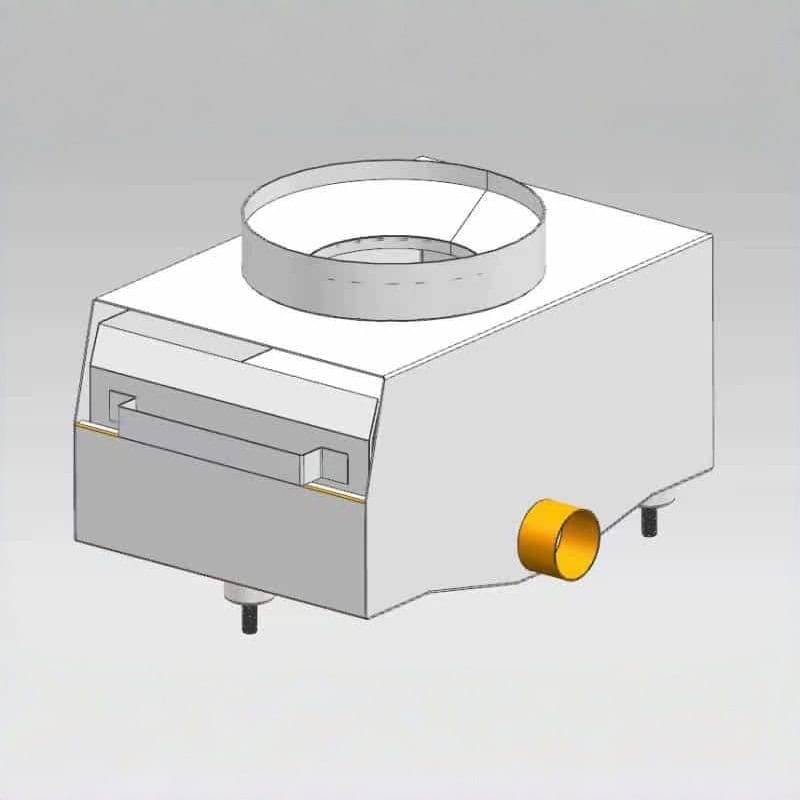
The Garbage Disposal Drain Strainer can custom‑build its outlet parts. It works with different thread types, including NPT and BSP. We can also change straight‑port pipe sizes to fit drain lines from many countries and regions. You can shift the water outlet direction. Side outlet or bottom outlet is possible. You may also need to alter the whole drain chamber structure. Send us your drawings or real‑world samples for these requests. Once the custom outlet is finished, our factory runs water‑flow and sealing tests. We check that all connection points stay leak‑free. We also tune the total drainage flow rate. These checks stop food waste from building up and creating clogs at the joints.
2. Can you provide a manual for the Garbage Disposal Drain Strainer?
We offer matching instruction manuals in two versions: you can get standard electronic files or printed paper copies. We have English PDF manuals ready right away. We send these PDF files to customers by email with no extra cost, and paper manuals are packed and shipped together with your goods. For custom‑made manuals, you can add your own logo and translate them into other languages for export sales. Just send us your text content and LOGO files, and we will finish the layout and check all details before printing. When your goods ship out, we will give you product dimension drawings, material certificates, and the complete set of export documents, so customers can use these papers for their overseas residential kitchen project files.
3. Is this Garbage Disposal Drain Strainer suitable for separating and collecting some grease and oils?
The Garbage Disposal Drain Strainer catches some food waste. It is not built as a professional grease‑collecting separator. The holes on our standard filter are made for crushed kitchen waste. These holes are fairly large. The filter can hold back a little solid grease. Hot liquid grease will pass right through the mesh and go down the drain pipe.
Over time, grease sticks to the inside of the pipe walls. It builds up and creates pipe clogs. You can swap in a filter cartridge with a much finer mesh for sites dealing with lots of grease. You have to pull out the filter on a regular basis. Clear away built‑up grease and food waste. This stops water from backing up and keeps bad smells from forming.
4. What is the range of height adjustment for the Garbage Disposal Drain Strainer legs?
5. Can our logo be added to the Garbage Disposal Drain Strainer body?
We can add the customer’s logo onto the valve body. Customers send high‑definition vector LOGO files. We check the marking position and font size. We send renderings in 5‑7 working days. The laser marking holds up against water and oil. It will not easily wear or peel off inside damp kitchen spaces over time. This marking work does not hurt the product structure. It brings no bad effect on sealing or drainage. We finish all custom work. We inspect every LOGO placement. We also run water leakage tests. These checks make sure laser marking does not create shell cracks or water leaks.
