
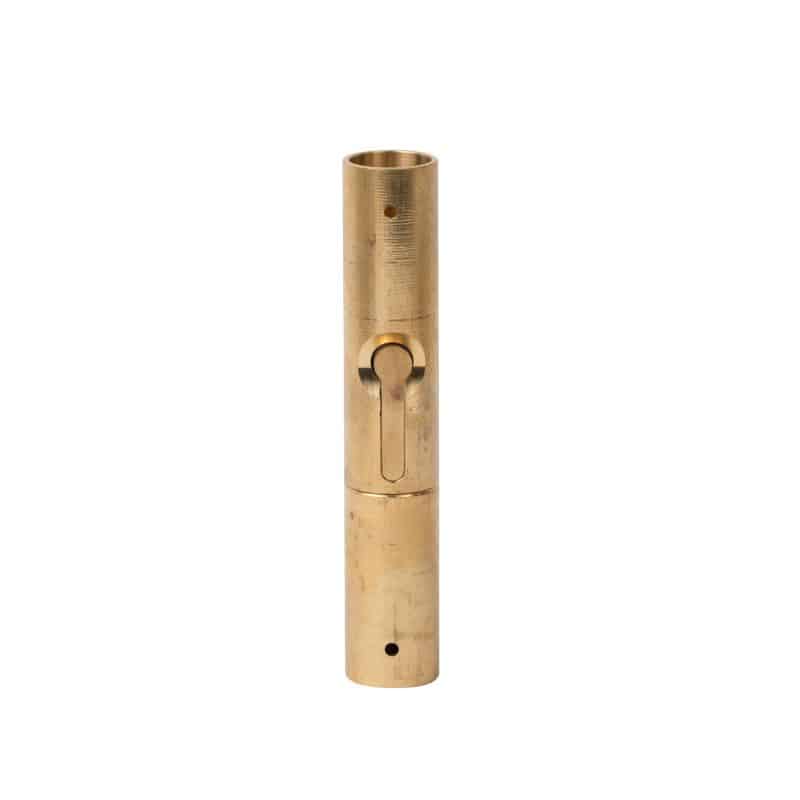
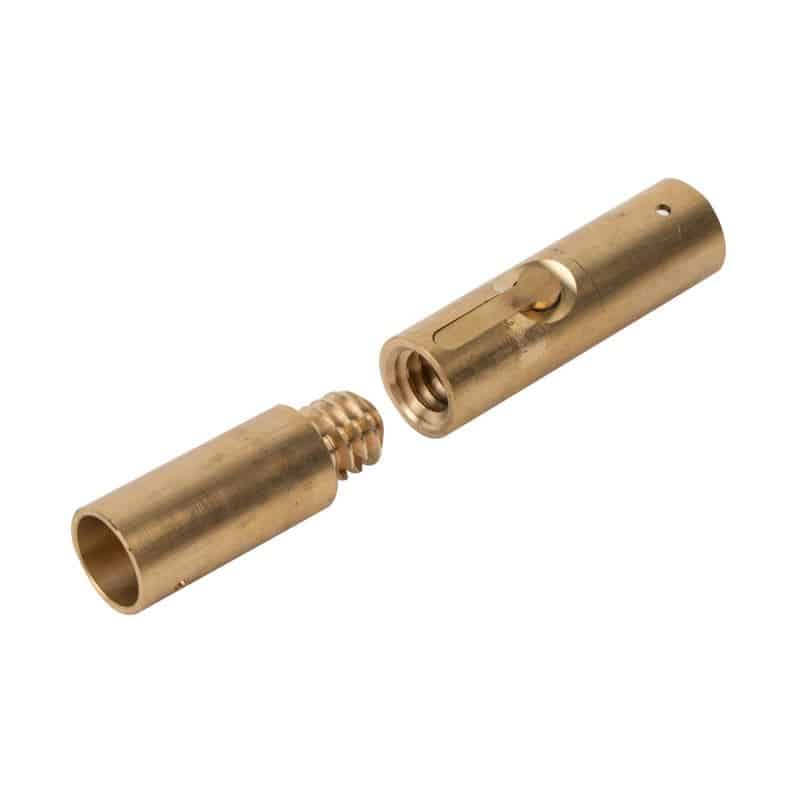
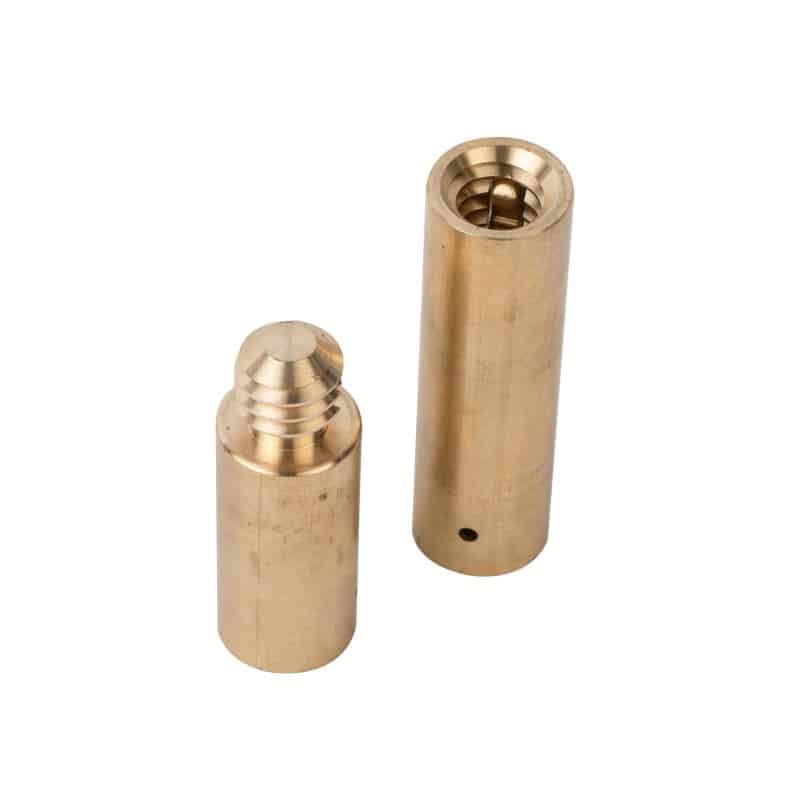

Fossil fuel brass fitting with a quick connection and disconnect
JX-0856
Introduction: What are fossil fuel brass fittings?
A fossil fuel brass fitting is a type of pipe fitting commonly used in the oil and gas industry. Fossil fuel brass fittings are made from various materials, but they are typically made from brass or bronze. These fittings are used to connect pipes and other types of tubing. Fossil fuel brass fittings are available in a variety of sizes and designs, and they can be custom-made to meet the specific needs of an oil or gas company.
The benefits of quick connection and disconnection.
There are many benefits to using quick connections and disconnections when working with fossil fuels. Perhaps the most obvious benefit is the time saved. Quickly connecting and disconnecting fuel lines can save significant amounts of time, which is especially important in emergencies. Another benefit is that quick connections and disconnections can help prevent spills. If fuel lines are not correctly connected, there is a risk of leakage and spillage. This can be dangerous and cause environmental damage. Quick connections and disconnections can help ensure fuel lines are properly sealed and prevent accidental spills. Finally, quick connections and disconnections can also improve safety. If fuel lines are not correctly connected, there is a risk of fire or explosion. This is particularly true when flammable liquids are transported through the fuel lines.
How to install a fossil fuel brass fitting.
There are many fossil fuel brass fittings, but they all have one thing in common: they must be properly installed to work correctly. Here are some tips on how to install a fossil fuel brass fitting:
- Make sure that your work area is clean and free of debris. This will help to prevent contamination of the fitting.
- Before beginning, always check that the O-ring is lubricated correctly. This will ensure a tight seal and prevent leaks.
- To install the fitting, insert it into the quick Connection (QC) until it clicks into place. Ensure the O-ring is seated in the groove on the QC for a proper connection.
- Once the fitting is fully inserted, turn it clockwise until it is tight.
The different types of quick connection and disconnect fittings.
There are a few different types of quick connection and disconnect fittings available on the market. The most common type is the Camlock fitting. Camlock fittings are typically used in lower-pressure applications and can be found in various sizes. Another quick-connect fitting is the dry-break coupling. Dry break couplings are often used in higher-pressure applications and can be found in both male and female versions. Lastly, there are also hammer union fittings, which are commonly used in oilfield applications. Hammer union fittings consist of two halves connected with a hammer blow.
Why quick connection and disconnection are important for safety.
When working with fossil fuels, it is essential to have a quick connection and disconnection to ensure safety. This is because fossil fuels can be highly combustible and cause severe injuries if not handled properly. Quick-connect and disconnect fittings help to prevent accidents by allowing workers to connect and disconnect fuel lines quickly. This way, if there is a problem with the line, it can be fixed without having to shut down the entire operation. Quick-connect and disconnect fittings are an essential safety feature for any facility that uses fossil fuels.
Conclusion: quick connection and disconnect for fossil fuel brass fittings are benefits.
Fossil fuel brass fittings with quick connections and disconnects are a great way to save time and money when connecting and disconnecting your gas lines. These fittings are easy to install and come in various sizes to fit your needs. With a quick connection and disconnect, you won’t have to worry about losing any gas when reconnecting your lines.
FAQs
1. What is the advantage of a push-and-twist connection for the fossil fuel brass fitting?
The biggest benefit of this spin-type quick-connect structure is fast installation. A skilled worker can complete one pipe-fitting connection in about 5 seconds. The whole job needs no crimp tools, welding supplies, or PTFE tape. It lifts on-site pipe assembly efficiency by over 60%. It also cuts leaks from wrong manual operations.
The locked connection holds firmly against the pull force. It will not easily come loose under vibration and changing pressure in fuel pipelines. Its sealing parts work with fossil fuels. They do not swell when touching oil. They maintain consistent gas and liquid sealing even after prolonged use.
2. Brass and stainless steel fossil fuel fitting, which is better?

There is no simple winner between brass and stainless steel pipe fittings for fossil fuel pipelines. Brass is easy to machine, good for mass production, and general pipeline applications. It can be used for indoor fuel and gas pipelines with low corrosion risk, as long as the parts meet required standards and certifications. 304 or 316 stainless steel is the better pick for high-moisture sites, coastal salt spray areas, or corrosive media, with far stronger anti-corrosion performance.
Brass allows accurate turning and threading. It works well for projects requiring quick installation and controlled costs. Stainless steel has higher hardness. It takes more effort to process and wears cutting tools faster, which normally raises overall production costs. We can supply both materials with full material test reports.
3. How do you ensure the consistency of the brass fossil fuel fitting?
Our brass fossil fuel fitting use follows strict material rules from the very start. We reject whole batches of bad raw materials right away. This stops unstable product performance caused by inconsistent materials. All raw blanks are processed with CNC machines. The machines check tool sizes automatically every 4 working hours. This keeps the tolerance of fitting threads and quick-connect circlip grooves within ±0.03mm.
We carry out many checks while production runs. We use special tools and go/no-go gauges to sample test key grooves on the quick connectors. These include clamping grooves and sealing grooves. Every finished part gets full air-tightness and pull resistance tests once off the line. We separate defective items at once. We keep production and test data for every batch. People can look up these records later. Before finished goods go into storage, we sample check appearance and dimensions for each pallet. We also keep batch samples for at least 24 months. Every step of production can be tracked fully.
4. Can the length of the brass fossil fuel fitting be customized?
Of course, our brass fossil fuel fitting can be made with custom main body lengths. We keep key matching sizes unchanged when we adjust the total length. These key sizes cover the quick-connect clamping groove, sealing groove, and connecting thread. The fitting will keep the same plug-in locking strength, anti-pull performance, and sealing effect as the standard version. Changing the length will not lower safety for fossil fuel pipelines.
Small length changes do not need new molds. We only adjust machining settings to finish the work. The production time takes 7 to 10 days. Large length changes cannot use the existing molds. We need to make new molds for production. The total lead time will be 20 to 28 days. We will make and send samples for testing before full mass production for all custom orders. We start mass production only after the samples pass checks on size, air tightness, and pull-out force.
5. Can you pre-assemble this brass fossil fuel fitting before shipping?
Sure, we can put this brass fuel fitting together for you before we ship it out. Every pre-built piece has all the inside parts already installed, like the quick-connect core, rubber seals, and clips that stop parts from coming loose. After we finish putting them together, we test each one to check for air leaks and make sure the parts won’t pull apart easily. Once you get these fittings, you can install them right on your pipes with no extra work on-site, which saves time and labor for your build jobs. We can also pack and label different sizes separately, just as you want, so it’s simple for your team to sort and store them in the warehouse.
